
Why the UnionBank SWIFT Code Matters
Author:XTransfer2025.08.11the UnionBank SWIFT Code
The UnionBank SWIFT code plays a key role in making international banking transactions secure and reliable. It ensures that UnionBank is accurately identified during cross-border payments, minimizing the chances of errors or delays. For example, SWIFT codes connect over 11,000 banks globally, creating a standardized system that reduces fraud risks and speeds up payments. On average, SWIFT transactions process in under 24 hours, with currencies like GBP completing in as little as 4 hours. By using the UnionBank SWIFT code, you can experience faster, safer, and error-free financial transactions.
What Is a SWIFT Code?
Definition and Purpose of a SWIFT Code
A SWIFT code, also known as a BIC (Bank Identifier Code), is a unique identifier used in international banking. It ensures that financial institutions are accurately recognized during cross-border transactions. This code acts like a global address for banks, directing payments to the correct destination. For example, when you send money to the Union Bank of the Philippines, the swift code for Union Bank of the Philippines ensures the funds reach the right account without errors.
The Society for Worldwide Interbank Financial Telecommunication (SWIFT) introduced this system in 1973 to standardize international banking. Over the years, it has become essential for secure and efficient global payments. Today, SWIFT codes are used by over 11,000 financial institutions worldwide, making them a cornerstone of international banking.
How SWIFT Codes Work in Global Banking
SWIFT codes streamline the process of transferring money across borders. When you initiate an international payment, the SWIFT system uses the code to identify the recipient bank. This ensures that your funds are routed correctly, reducing the risk of errors or delays. Recent studies highlight how SWIFT codes enhance security by preventing financial crimes and improving transaction monitoring.
For instance, if you send money to UnionBank from another country, the SWIFT/BIC code ensures the payment reaches the correct branch and account. This system also supports transparency, as every transaction is traceable. By using a unique SWIFT code, banks can process payments faster and more securely, benefiting both senders and recipients.
Components of a SWIFT Code Explained
A SWIFT code consists of 8 to 11 characters, each serving a specific purpose. Here's a breakdown of its components:
|
Component |
Description |
|
Bank Code |
The first four letters identify the bank (e.g., "UBPH" for UnionBank). |
|
Country Code |
The next two letters represent the country (e.g., "PH" for the Philippines). |
|
Location Code |
Two characters that specify the bank's location. |
|
Branch Code |
Optional three characters that indicate a specific branch. |
For example, the SWIFT code for Union Bank of the Philippines might look like this: UBPHPHMMXXX. Each part of this code ensures that your payment reaches the right place, whether you're sending or receiving money internationally.
The SWIFT system has evolved significantly since its inception. In 1995, it processed 2.4 million daily messages. By 2015, this number had grown to 32 million, connecting financial institutions worldwide. Today, nearly half of all high-value cross-border payments rely on SWIFT, underscoring its importance in global banking.
Why Is the UnionBank SWIFT Code Important?
Ensuring Secure and Accurate Transactions
The unionbank swift code ensures that your international payments are both secure and accurate. Each time you use this code, it acts as a unique identifier for UnionBank, directing your funds to the correct destination. This reduces the risk of errors, such as sending money to the wrong bank or account. The swift system also adds a layer of security by encrypting transaction details, protecting your financial information from unauthorized access.
When you send money to the Philippines, using the swift code for union bank of the philippines guarantees that your payment reaches the intended recipient. Without this code, banks might struggle to process your transaction, leading to delays or even failed transfers. By using the union bank swift code, you can trust that your money will arrive safely and without complications.
Facilitating International Money Transfers
The unionbank swift code simplifies the process of sending and receiving money across borders. Whether you are transferring funds to family, paying for services, or conducting business, this code ensures that your transaction is processed efficiently. It eliminates the need for manual intervention, which can slow down international transfers.
For example, if you need to send money to UnionBank from another country, the swift/bic code ensures that the payment is routed correctly. This system connects banks worldwide, making it easier for you to complete an international transfer without worrying about errors. The bic code also helps banks verify the authenticity of the transaction, reducing the chances of fraud.
Avoiding Errors and Delays in Cross-Border Payments
Errors in international payments can be costly and time-consuming to fix. The unionbank swift code helps you avoid these issues by providing precise instructions for routing your funds. Each part of the code serves a specific purpose, ensuring that your payment reaches the right bank, country, and branch.
Delays in cross-border payments often occur when incorrect or incomplete information is provided. By using the correct swift code, you minimize the chances of such delays. This is especially important for time-sensitive transactions, where even a small delay can cause significant inconvenience. The swift system's reliability ensures that your payments are processed quickly and accurately, giving you peace of mind.
How to Use the UnionBank SWIFT Code for Transactions
Sending Money to UnionBank from Overseas
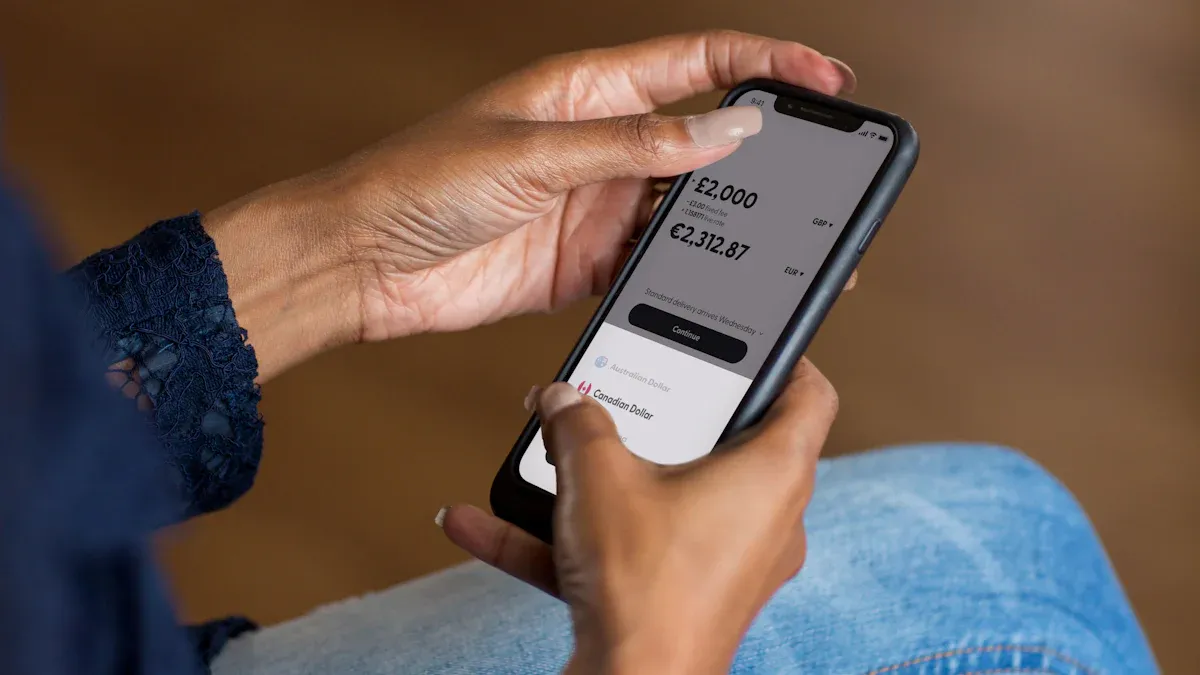
When you send money to the Philippines, the UnionBank SWIFT code ensures your funds reach the right destination. To start, you need the recipient's full name, UnionBank account number, and the SWIFT code. Most international banks or money transfer services will ask for these details during the transaction process. Enter the UnionBank SWIFT code carefully to avoid errors.
After providing the required information, confirm the transaction details. Double-check the recipient's account number and the SWIFT code to ensure accuracy. Once you complete the payment, the SWIFT system routes your funds securely to UnionBank. This process minimizes delays and ensures your money arrives safely.
Receiving International Payments in UnionBank Accounts
If you expect to receive money from abroad, share your UnionBank account details with the sender. Include your account number, the UnionBank SWIFT code, and your full name as registered with the bank. These details help the sender's bank identify your account and process the payment correctly.
The SWIFT system ensures the funds are routed to UnionBank and deposited into your account. You can track the payment status through UnionBank's online banking platform or mobile app. This transparency gives you peace of mind while waiting for the transfer to complete.
Common Scenarios Requiring the UnionBank SWIFT Code
You may need the UnionBank SWIFT code in various situations. For example, if you send money internationally to pay for tuition fees, business transactions, or family support, the SWIFT code ensures the payment reaches UnionBank. Similarly, when receiving payments for freelance work or overseas investments, the SWIFT code guarantees accurate processing.
The BIC code also plays a role in verifying the authenticity of transactions. It helps banks identify each other during cross-border payments, reducing the risk of fraud. Whether you send or receive money, the UnionBank SWIFT code simplifies the process and ensures secure transfers.
Where to Find the UnionBank SWIFT Code
Checking UnionBank’s Official Website
The most reliable place to find the UnionBank SWIFT code is the bank’s official website. Banks often dedicate a section to international banking, where they publish their SWIFT codes. These sections are updated regularly to ensure accuracy. You can navigate to UnionBank’s website and look for pages related to international transfers or FAQs. This method guarantees that you are using the correct and most up-to-date SWIFT code for your transactions.
To understand why official websites are trustworthy, consider the following table:
|
Source |
Description |
|
Official bank websites |
Banks publish their SWIFT codes in sections dedicated to international banking, ensuring accuracy and regular updates. |
|
Cross-referencing |
Comparing SWIFT codes against multiple credible sources helps confirm their consistency and accuracy. |
|
Caution with online lists |
Online lists may not always reflect current information; verified sources are prioritized for accuracy. |
By relying on UnionBank’s official website, you avoid the risks associated with outdated or incorrect information.
Contacting UnionBank Customer Support
Another dependable way to find the UnionBank SWIFT code is by contacting customer support. UnionBank’s representatives can provide accurate details about the SWIFT code and guide you through its use. You can reach out via phone, email, or even through their social media channels. This approach is especially helpful if you have additional questions about international transactions. Always ensure you provide the correct details to the support team for precise assistance.
Using Online Banking Platforms or Mobile Apps
UnionBank’s online banking platforms and mobile apps also display the SWIFT code. These digital tools are designed to make banking more convenient for you. Log in to your account and navigate to the sections related to international transfers. The SWIFT code is often listed alongside other essential details, such as your account number and IBAN (if applicable). Using these platforms ensures you have quick access to accurate information whenever you need it.
Referring to Bank Statements or Account Details
Your bank statements and account details can serve as reliable sources for finding the UnionBank SWIFT code. These documents often include essential banking information, making them a convenient reference for international transactions.
Where to Look on Bank Statements
Bank statements typically display key account details, including the SWIFT code, in specific sections. You might find it in areas labeled as "International Banking Information" or "SWIFT/BIC Code." If you receive digital statements, use the search function to locate the term "SWIFT." This saves time and ensures you find the correct code without scrolling through the entire document.
Checking Your Account Details
Your account details, whether provided during account opening or accessible through online banking, may also include the SWIFT code. Look for documents like your welcome kit or account summary. These often list the SWIFT code alongside your account number and branch information. If you use a mobile banking app, navigate to the "Account Information" section. Many apps display the SWIFT code here for easy access.
Why This Method Works
Using bank statements or account details ensures accuracy. These sources come directly from UnionBank, reducing the risk of errors. They also provide other critical information, such as your account number, which you’ll need for international transfers. By referring to these documents, you can confidently complete your transactions without unnecessary delays.
How XTransfer Simplifies International Transactions
XTransfer’s Role in Cross-Border Payments
XTransfer acts as a bridge between businesses and international banking systems. It provides a platform that simplifies cross-border payments by connecting you to global financial networks. This service ensures that your transactions are processed efficiently, even when dealing with multiple currencies or countries.
For example, if you need to send money to UnionBank, XTransfer helps you find the correct SWIFT code and ensures the payment reaches its destination. It eliminates the need for manual intervention, reducing the chances of errors. By using XTransfer, you gain access to a streamlined process that saves time and effort.
Did you know?
XTransfer’s platform supports SWIFT code queries for banks worldwide, making it a reliable tool for international transactions.
Benefits of Using XTransfer for UnionBank Transactions
Using XTransfer for UnionBank transactions offers several advantages. First, it ensures accuracy by verifying the SWIFT code and other banking details before processing your payment. This reduces the risk of delays or failed transfers. Second, XTransfer provides competitive exchange rates, helping you save money on currency conversions.
Additionally, the platform offers transparency. You can track your transaction status in real-time, giving you peace of mind. Whether you are sending money for personal or business purposes, XTransfer ensures that your funds are handled securely and efficiently.
Here’s a quick overview of the benefits:
|
Benefit |
Description |
|
Accuracy |
Verifies SWIFT codes and banking details to prevent errors. |
|
Cost-Effectiveness |
Offers competitive exchange rates for international transfers. |
|
Transparency |
Provides real-time tracking for all transactions. |
Ensuring Accuracy and Security with XTransfer
XTransfer prioritizes accuracy and security in every transaction. The platform uses advanced encryption technology to protect your financial information. This ensures that your data remains safe from unauthorized access. Additionally, XTransfer’s system automatically checks for errors in transaction details, such as incorrect SWIFT codes or account numbers.
By using XTransfer, you can trust that your payments will reach UnionBank without complications. The platform’s focus on security and precision makes it an ideal choice for managing international transactions. Whether you are sending or receiving money, XTransfer ensures a seamless experience.
The UnionBank SWIFT code plays a crucial role in international banking. It ensures your transactions are secure and accurate, reducing errors and delays. Knowing how to find and use this code helps you save time and avoid unnecessary fees. When you send money to the Philippines, using the correct SWIFT code guarantees that your payment reaches the intended destination. Platforms like XTransfer simplify this process by providing tools to verify banking details and streamline cross-border payments. These solutions make international transactions faster and more reliable.
FAQ
What is the purpose of a SWIFT code?
A SWIFT code identifies a specific bank during international transactions. It ensures your money reaches the correct destination securely and without errors. Think of it as the bank's global address for cross-border payments.
Can I use the same SWIFT code for all UnionBank branches?
Yes, UnionBank typically uses one primary SWIFT code for international transactions. However, confirm with UnionBank if your transaction involves a specific branch to avoid any issues.
How do I verify the UnionBank SWIFT code?
You can verify the SWIFT code on UnionBank’s official website, through their customer support, or by checking your bank statements. Always double-check the code before initiating a transaction to ensure accuracy.
Is the UnionBank SWIFT code required for domestic transfers?
No, SWIFT codes are only necessary for international transfers. For domestic transactions, you usually need the account number and branch details instead of a SWIFT code.
What happens if I use the wrong SWIFT code?
Using the wrong SWIFT code may delay your transaction or send your money to the wrong bank. Contact your bank immediately if you realize an error to resolve the issue as quickly as possible.
Related content