
What is Delivered At Terminal (DAT)? Definition, Key Points & Application
Author:XTransfer2026.01.08DAT
What Is Delivered At Terminal (DAT)?
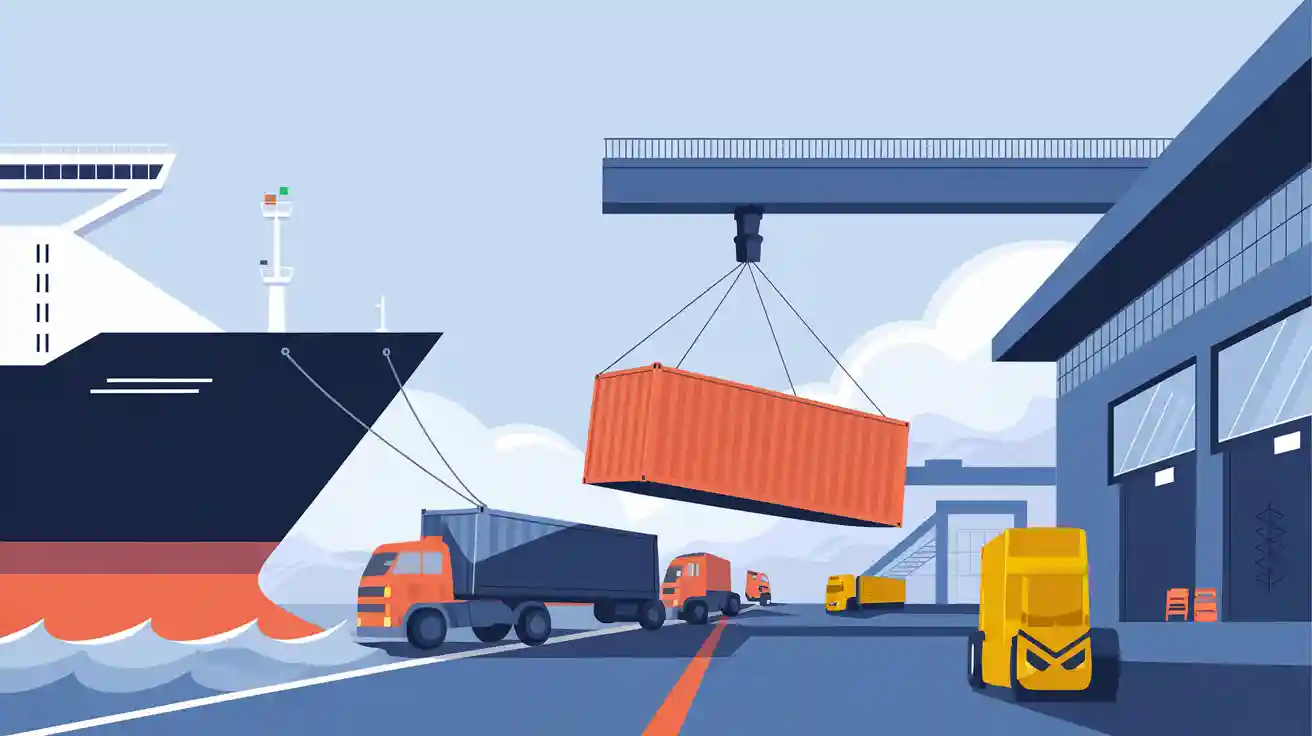
Delivered At Terminal, commonly known as DAT, is an international trade term that clearly defines responsibilities between sellers and buyers in global commerce. Under DAT, the seller is responsible for delivering and unloading goods at a specified terminal, after which the buyer assumes all risks and costs for the remainder of the journey.
This Incoterm was introduced in Incoterms 2010 by the International Chamber of Commerce to provide clarity in international shipping arrangements. The seller arranges and pays for transportation, handles export clearance, and ensures goods are unloaded at a named terminal, which could be a port, warehouse, container yard, or distribution center.
Important Update: DAT to DPU in Incoterms 2020
Has DAT been replaced?
Yes. In Incoterms 2020, DAT was officially renamed to Delivered at Place Unloaded, or DPU. This change reflects greater flexibility in modern logistics, as the delivery location can now be any place, not exclusively a terminal.
Do the responsibilities change under DPU?
No. The fundamental rules and responsibilities remain identical. The seller still delivers and unloads goods at the agreed location, and the buyer takes over from that point. The terminology update simply acknowledges that delivery can occur at warehouses, customer facilities, or other non-terminal locations.
Despite this official change, understanding DAT remains valuable because many existing contracts still reference this term, and the principles continue to guide international trade practices in 2026.
Who Is Responsible for What Under DAT?
What Does the Seller Handle?
Under DAT terms, the seller carries significant responsibilities up to the point of unloading. The seller arranges and pays for all transportation from their location to the named terminal. The seller handles complete export customs clearance and prepares all necessary documentation. The seller pays for unloading the goods at the specified terminal. Most importantly, the seller bears all risks and costs until the goods are fully unloaded at the terminal.
For example, a South Korean electronics manufacturer shipping under DAT to Rotterdam handles all logistics, freight costs, and ensures containers are unloaded at the terminal. Their responsibility ends when goods are safely unloaded and available for the buyer.
What Does the Buyer Handle?
The buyer's responsibilities begin immediately after unloading is complete. The buyer handles all import customs clearance procedures, pays applicable duties and taxes in the destination country, arranges and pays for onward transportation from the terminal to the final destination, and assumes all risks and costs after goods are unloaded.
This clear division of responsibilities helps prevent disputes and ensures both parties understand their obligations from the contract's inception.
When Does Risk Transfer from Seller to Buyer?
At what exact moment does risk transfer under DAT?
The critical moment in DAT is when goods are unloaded at the terminal. Before unloading, the seller bears all risks including damage, loss, or delays. The instant unloading is complete, all future risks transfer to the buyer.
This creates a clean break point. If goods are damaged during transport or while being unloaded, the seller is responsible. If damage occurs after unloading while goods sit at the terminal awaiting pickup, the buyer bears that risk.
This clear risk transfer point makes DAT attractive for transactions where sellers want certainty about where their liability ends, and buyers want control over the final leg of delivery.
How Does DAT Compare to Similar Incoterms?
DAT vs DAP: What's the Difference?
The main difference lies in who unloads the goods. Under DAT, the seller unloads at the terminal. Under Delivered at Place (DAP), the buyer is responsible for unloading at the agreed location.
Both terms require the seller to deliver goods to a specific place, and both place import duties and onward transport on the buyer. The unloading responsibility is the key distinguishing factor.
DAT vs DPU: Are They the Same?
Essentially yes. DPU is simply the updated name for DAT introduced in Incoterms 2020. The responsibilities are identical. The only difference is that DPU explicitly acknowledges delivery can occur anywhere, not just at traditional terminals. In practice, if you see DAT in a contract from before 2020, it functions exactly like DPU.
DAT vs DDP: Which Offers More Seller Responsibility?
DDP, or Delivered Duty Paid, places maximum responsibility on the seller. Under DDP, the seller not only delivers and unloads goods but also handles import clearance and pays all duties and taxes. The buyer simply receives goods ready for use.
DAT requires less from the seller. While the seller delivers and unloads, the buyer handles all import procedures and costs. This makes DAT more balanced, while DDP is seller-heavy.
When Should You Use DAT in Your Contracts?
What types of shipments work best with DAT?
DAT works exceptionally well for containerized shipping where goods arrive at container terminals. It's commonly used in bulk commodity exports where specialized terminals handle unloading. Cross-border machinery deliveries often use DAT because sellers can ensure proper unloading of heavy equipment. Any situation where the seller has better capability or relationships for terminal unloading makes DAT an attractive choice.
Why do buyers choose DAT?
Buyers prefer DAT when they want goods delivered to a convenient collection point without managing the complex international leg. It provides cost certainty for the import phase since buyers know exactly what they'll pay from the terminal onward. Buyers with strong local logistics networks can efficiently manage distribution from the terminal, making DAT cost-effective.
Why do sellers choose DAT?
Sellers choose DAT when they have established logistics arrangements to specific terminals and can negotiate favorable freight rates. It allows sellers to control quality and handling until goods are safely at the terminal. Sellers can also limit their exposure by ending responsibility at a well-defined point rather than at an unknown final destination.
How DAT Impacts International Payment Processing
Why does DAT matter for payment terms?
In international trade, payment and delivery terms are intrinsically linked. Understanding DAT is crucial for accurate contract execution and payment processing. Payment is typically structured around the delivery milestone, which under DAT is the moment of unloading at the terminal.
How do payment platforms handle DAT transactions?
Modern cross-border payment platforms like XTransfer align financial flows with physical delivery. For example, a Chinese exporter using DAT can structure payment release to occur once goods are confirmed unloaded at the agreed terminal. This synchronization protects both parties by ensuring funds transfer when contractual obligations are met.
This approach reduces disputes, improves cash flow management, and provides documentary evidence through terminal receipts that goods were delivered according to contract terms.
Practical Example: How DAT Works in Real Trade
Consider a Chinese furniture manufacturer shipping to a European buyer. Under DAT terms to Hamburg Port, the Chinese seller arranges ocean freight from Shanghai, handles Chinese export customs and documentation, pays for delivery to Hamburg Port, and ensures containers are unloaded at the port terminal.
At this point, responsibility transfers. The European buyer then handles German import customs clearance, pays applicable EU import duties and VAT, arranges trucking from Hamburg to their warehouse in Munich, and assumes responsibility for any damage or issues after unloading.
Both parties benefit from clear responsibilities. The seller knows their obligation ends at Hamburg, allowing precise cost calculation. The buyer controls the final delivery leg, choosing their preferred carriers and timing.
Related Trade Terms You Should Know
What is DPU? DPU, or Delivered at Place Unloaded, is the current official term replacing DAT in Incoterms 2020. It functions identically but explicitly allows delivery anywhere, not just terminals.
What is DAP? Delivered at Place means the seller delivers to a named location, but unlike DAT, the buyer handles unloading. This shifts unloading costs and risks to the buyer.
What is FOB? Free On Board is a sea freight term where the seller delivers goods on board a vessel. Risk transfers when goods cross the ship's rail, earlier than under DAT.
What is CIF? Cost, Insurance and Freight means the seller covers transportation and insurance to the destination port, but risk transfers when goods are loaded on the vessel, not upon arrival.
Understanding how these terms differ helps you choose the most appropriate Incoterm for each transaction, balancing risk, cost, and control.
Key Takeaways for Global Buyers in 2026
Delivered At Terminal provides a balanced approach to international shipping responsibilities. The seller handles the complex international logistics and unloading, while the buyer manages local clearance and distribution. This division often reflects each party's strengths and network advantages.
While officially renamed to DPU in Incoterms 2020, many contracts and industry participants still reference DAT, making knowledge of both terms essential. The principles remain unchanged regardless of terminology.
For businesses engaged in cross-border trade, aligning your Incoterms with your payment terms creates clarity and reduces disputes. Modern payment platforms can structure fund releases around delivery milestones, providing security for both exporters and importers.
Whether you're sourcing products internationally or selling to global markets, understanding DAT and its successor DPU helps you negotiate better terms, manage risks effectively, and ensure smooth transactions from factory to final destination.
Frequently Asked Questions
Is DAT still valid in 2026?
While DAT was officially replaced by DPU in Incoterms 2020, contracts written before that date may still reference DAT, and it remains legally valid. New contracts should use DPU, but the practical application is identical.
Who pays for unloading under DAT?
The seller pays for unloading at the terminal. This is the key feature distinguishing DAT from DAP, where the buyer handles unloading.
Does the seller need to arrange insurance under DAT?
DAT doesn't require the seller to provide insurance, though it's often prudent. The seller bears risk until unloading, so many choose to insure shipments. Buyers should arrange insurance for risks after terminal unloading.
Can DAT be used for air freight?
Yes. While commonly associated with sea freight and container terminals, DAT can be used for any transport mode as long as there's a clear terminal or designated place where unloading occurs and responsibility transfers.
Looking to streamline your cross-border trade payments? Discover how XTransfer can help your business:https://www.xtransfer.com/.
Related content