
What Are the Legal Aspects of Import and Export Rights
Author:XTransfer2025.08.28Import Rights
Engaging in global trade requires you to navigate a complex web of international trade laws. These laws ensure that the import and export process complies with customs rules and regulations. For instance, importing to the US involves understanding economic import controls and obtaining the necessary permits. Whether you aim to import goods or secure an export license, knowing your import rights is essential. Without this knowledge, you risk violating the legal framework that governs the movement of goods across borders.
Understanding Import Rights and Export Rights
Defining Import Rights
Import rights refer to the legal permissions that allow you to bring goods into a country. These rights ensure that your shipments comply with customs regulations and trade laws. For example, low-value shipments often have specific thresholds that determine whether documentation is required. The table below highlights some common definitions and numerical thresholds associated with import rights:
|
Definition |
Thresholds |
|
Undocumented Shipments |
$2,000 for imports; $250 for certain quota items; $2,500 for exports to countries other than Canada |
|
Low-Value Shipments |
$2,000 or less for most imports; $250 for certain shipments; $2,500 or less for exports per Schedule B number |
Understanding these thresholds helps you avoid unnecessary delays and penalties when importing goods.
Defining Export Rights
Export rights grant you the ability to send goods from one country to another. These rights are essential for businesses engaged in international trade. They ensure that your exports meet the legal requirements of both the exporting and importing countries. For instance, you may need an export license for certain goods, especially if they fall under restricted categories. Without proper export rights, your shipments could face rejection or seizure at customs.
Legal Significance of Import and Export Rights
Import and export rights play a critical role in global trade. They protect your business from legal risks and ensure smooth operations across borders. By adhering to these rights, you demonstrate compliance with international trade laws. This compliance not only safeguards your shipments but also enhances your reputation in the market. Moreover, understanding import rights allows you to navigate complex customs procedures with ease, saving time and resources.
Export and Import Laws: Key Legal Requirements for Importing Goods
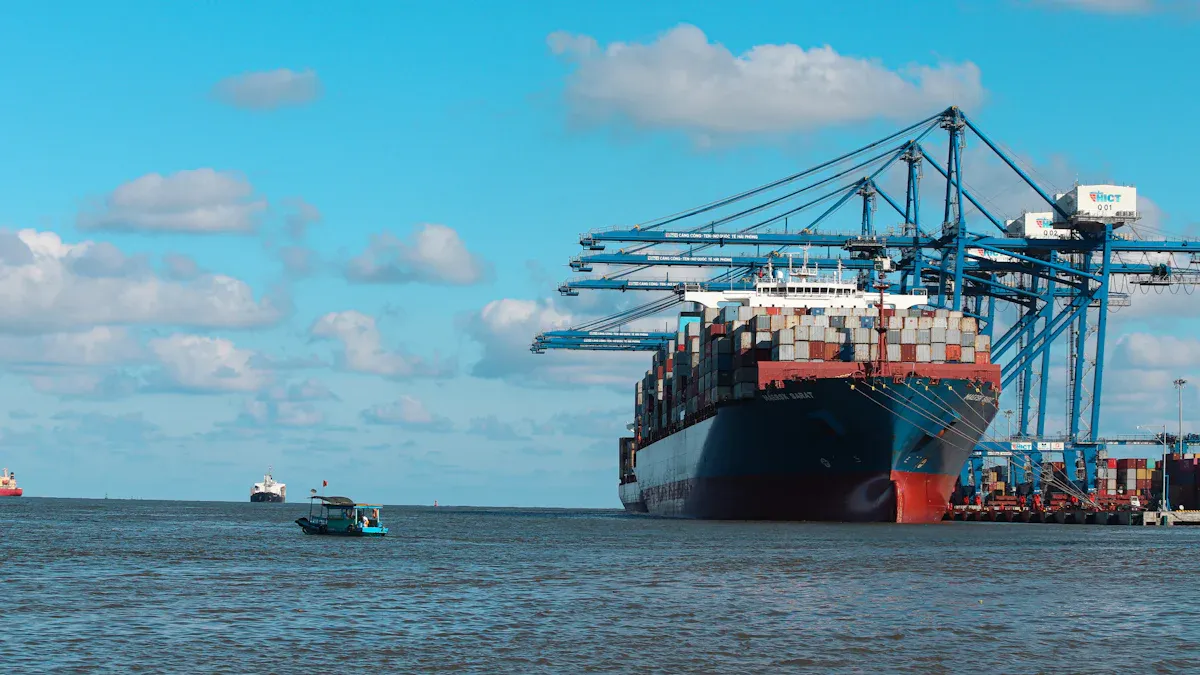
Import Licenses and Permits
Import licenses and permits are essential for bringing goods into a country legally. These documents grant you permission to import specific items and ensure compliance with international trade rules. Depending on the type of goods, you may need to apply for specialized permits. For example, agricultural products often require phytosanitary certificates, while electronics may need certifications for safety standards.
Customs and border protection agencies enforce import controls to verify that shipments meet legal requirements. Without the proper licenses, your goods could face delays or rejection at customs. To avoid these issues, you should research the licensing requirements for your target market and ensure all necessary permits are in place before shipping.
Customs Duties and Tariffs
Customs duties and tariffs significantly impact the cost of importing goods. These charges are imposed by governments to regulate trade and generate revenue. For example, Section 301 duties on imports from China amounted to $34.59 billion, highlighting the financial burden of tariffs. The table below illustrates duty assessments for various countries:
|
Country |
Duty Type |
Amount (in billions) |
|
China |
Section 301 Duty Assessment |
$34.59 |
|
China and Hong Kong |
IEEPA |
$7.89 |
|
Mexico |
IEEPA |
$2.87 |
|
Canada |
IEEPA |
$1.04 |
|
China |
IEEPA Reciprocal |
$0.664 |
Tariffs also influence consumer prices and domestic production costs. Higher tariffs can lead to increased prices for imported goods, reducing affordability for consumers. Additionally, domestic manufacturers may face higher input costs, forcing them to raise prices and lose competitiveness in global markets.
Compliance with Import Regulations
Compliance with import regulations ensures smooth customs clearance and avoids penalties. Customs and border protection agencies enforce these regulations to maintain trade security and protect domestic industries. You must adhere to rules regarding product labeling, safety standards, and restricted items. For instance, certain goods like pharmaceuticals or chemicals may require additional documentation to meet regulatory standards.
International trade rules also play a role in compliance. These rules establish guidelines for fair trade practices and prevent illegal activities like smuggling or fraud. By following these regulations, you demonstrate your commitment to ethical business practices and build trust with customs authorities.
Regular audits of your import processes can help identify potential compliance gaps. Training employees on import controls and collaborating with legal experts ensures your business stays updated on regulatory changes. These proactive measures reduce the risk of penalties and enhance your reputation in the global market.
Documentation for Importing Goods
Proper documentation is the backbone of a smooth import process. Without the right paperwork, your shipments can face delays, penalties, or even rejection at customs. Understanding the key documents required for importing goods will help you avoid these issues and ensure compliance with trade regulations.
Key Documents for Importing Goods
Each document serves a specific purpose in the import process. The table below outlines the most important ones, their requirements, and why they matter:
|
Document Name |
Key Requirements |
Importance |
|
Importer Security Filing (ISF) |
Must include 10 specific data elements; filing deadline is 24 hours before loading |
Critical for shipment clearance; non-compliance leads to penalties and delays |
|
Customs Entry Form (CBP Form 7501) |
Detailed description of goods; importer information; duty and tax calculations |
Determines duties owed; accuracy is crucial to avoid delays |
|
Customs Bond |
Types include Single Transaction Bond and Continuous Bond |
Ensures payment of duties and taxes; acts as insurance for the government and importer |
|
Certificate of Origin |
Confirms country of manufacture; eligibility for trade agreements |
Reduces duties and ensures compliance with trade regulations |
|
Other Required Documentation |
Permits, licenses, and certifications based on product type |
Necessary to avoid unexpected delays and fines; varies by product category |
These documents not only facilitate customs clearance but also protect your business from legal and financial risks.
Common Documentation Pitfalls
Errors in documentation can disrupt your supply chain and increase costs. Some of the most common issues include:
-
Incomplete Documentation: Missing critical forms, such as the ISF or Customs Entry Form, can lead to shipment delays.
-
Inaccurate Information: Mistakes in product descriptions or duty calculations may trigger customs inspections or fines.
-
Rushed Submissions: Filing documents at the last minute often results in overlooked details, causing unnecessary complications.
To avoid these pitfalls, you should adopt a proactive approach to managing your import paperwork.
Tips for Ensuring Accurate Documentation
Following a systematic process can help you stay on top of your documentation requirements. Here are three steps to streamline the process:
-
Double-check the regulations of your destination country. Each country has unique requirements for imports, so understanding them is essential.
-
Consult with your freight forwarder or logistics provider. These professionals can guide you through the documentation process and ensure compliance.
-
Use a checklist to verify that all required fields are filled out accurately. A simple checklist can prevent errors and save you time during customs clearance.
By prioritizing proper documentation, you can minimize delays, reduce costs, and build a reputation for reliability in international trade.
Export and Import Compliance: Key Legal Requirements for Exporting Goods
Export Licenses and Permits
Export licenses and permits are essential for ensuring your goods meet the legal requirements of the destination country. These documents grant you permission to export specific items, especially those that fall under controlled categories like technology, military equipment, or hazardous materials. Without the proper licenses, your shipments may face delays, fines, or even confiscation.
Small and medium-sized businesses play a significant role in global trade. They make up 97% of the approximately 280,000 U.S. companies that export, according to the U.S. Census Bureau. For these businesses, non-compliance with export regulations can result in severe penalties, which could jeopardize their operations. To avoid such risks, you should research the licensing requirements for your products and ensure all necessary permits are in place before shipping.
Export Controls and Restricted Countries
Export controls are regulations that restrict the sale or transfer of certain goods, technologies, or services to specific countries, entities, or individuals. These controls aim to protect national security, prevent the proliferation of weapons, and support foreign policy objectives. As an exporter, you must understand these restrictions to avoid violating international trade laws.
The U.S. government enforces strict export controls, particularly on advanced technologies like semiconductor manufacturing equipment (SME). The table below highlights recent data on export controls and their impact:
|
Evidence Description |
Implication |
|
U.S. export controls focus on semiconductor manufacturing equipment (SME) to limit China's access to advanced technologies. |
This reflects a strategic effort to enforce compliance among U.S. and allied firms. |
|
U.S. SME firms have expanded operations outside the U.S. to continue shipping to China without violating export laws. |
This indicates a significant behavioral change in response to export controls. |
|
140 new entities added to the U.S. Entity List due to risks of diversion to entities like Huawei and SMIC. |
This shows the U.S. government's frustration and the tightening of restrictions on specific companies. |
|
New due diligence requirements and red flags for firms to assess customers and transactions. |
This highlights the increased scrutiny and compliance measures imposed on exporters. |
To comply with export controls, you should conduct thorough due diligence on your customers and transactions. Watch for red flags, such as unusual payment methods or requests for sensitive technologies. By staying vigilant, you can protect your business from legal and financial risks.
Compliance with International Trade Agreements
International trade agreements establish rules for the exchange of goods and services between countries. These agreements aim to reduce trade barriers, promote fair competition, and ensure a level playing field for businesses. As an exporter, you must comply with these agreements to avoid penalties and maintain smooth operations.
Adhering to trade agreements can also provide significant benefits. For example, a comprehensive compliance management system can reduce clearance delays by 20%. This not only saves time but also enhances your reputation as a reliable trading partner.
To ensure compliance, familiarize yourself with the trade agreements that apply to your target markets. These may include free trade agreements (FTAs), regional trade agreements (RTAs), or multilateral agreements under organizations like the World Trade Organization (WTO). Understanding the rules of origin, tariff schedules, and other provisions will help you take full advantage of the benefits these agreements offer.
Documentation for Exporting Goods
Exporting goods requires accurate and complete documentation to ensure smooth customs clearance and compliance with international trade laws. Missing or incorrect paperwork can lead to delays, fines, or even the rejection of your shipment. Understanding the key documents and their purpose will help you avoid these issues and streamline your export process.
Key Documents for Exporting Goods
Each document plays a specific role in the export process. Below is a table summarizing the most important ones, their requirements, and why they matter:
|
Document Name |
Key Requirements |
Importance |
|
Commercial Invoice |
Detailed description of goods, including quantity, value, and terms of sale |
Serves as the primary document for customs clearance and duty calculation |
|
Packing List |
Itemized list of goods, including weight and dimensions |
Helps customs officials verify the shipment contents |
|
Export Declaration (EEI) |
Filed electronically through AES; includes shipment details and export license |
Required for shipments above $2,500 or those needing export licenses |
|
Certificate of Origin |
Confirms the country where goods were manufactured |
Determines eligibility for preferential tariffs under trade agreements |
|
Bill of Lading |
Contract between the shipper and carrier; includes shipment details |
Acts as proof of shipment and ownership during transit |
|
Other Required Documentation |
Permits, licenses, and certifications based on product type |
Ensures compliance with destination country regulations |
These documents are essential for customs clearance and legal compliance. They also protect your business from disputes and financial risks.
Common Documentation Errors
Mistakes in export documentation can disrupt your supply chain and increase costs. Some common errors include:
-
Incomplete Forms: Missing critical information, such as shipment value or export license details, can delay customs clearance.
-
Inaccurate Data: Errors in product descriptions or HS codes may lead to incorrect duty assessments or shipment rejection.
-
Late Submissions: Filing documents after the deadline can result in penalties or missed shipping schedules.
Tips for Managing Export Documentation
A systematic approach to managing export paperwork can save you time and reduce risks. Follow these steps to ensure your documentation is accurate and compliant:
-
Understand Destination Requirements: Research the specific documentation rules for your target market. Each country has unique regulations for imports.
-
Use Digital Tools: Invest in software that automates document preparation and checks for compliance. Many platforms offer templates and validation features.
-
Collaborate with Experts: Consult with freight forwarders or trade compliance professionals. Their expertise can help you navigate complex requirements.
-
Train Your Team: Educate employees on export documentation processes. A well-trained team reduces the likelihood of errors.
Benefits of Proper Documentation
Accurate export documentation offers several advantages:
-
Faster Customs Clearance: Complete and correct paperwork speeds up the inspection process.
-
Reduced Costs: Avoid fines and penalties by adhering to documentation requirements.
-
Enhanced Reputation: Reliable documentation builds trust with customers and trade partners.
By prioritizing proper documentation, you can improve your efficiency and strengthen your position in global markets.
Consequences of Non-Compliance with Export and Import Laws

Financial Penalties and Fines
Failing to comply with export and import laws can result in significant financial penalties. Governments impose fines to deter businesses from violating trade regulations. These fines often depend on the severity of the violation. For example, incorrect documentation or failure to obtain the necessary permits can lead to hefty penalties. In some cases, fines may reach thousands or even millions of dollars, depending on the value of the goods involved.
Repeated violations can escalate the financial burden. Customs authorities may impose additional fees for inspections or delays caused by non-compliance. These costs can quickly add up, impacting your business's profitability. To avoid such penalties, you should ensure that all trade activities align with the legal requirements of both exporting and importing countries.
Seizure of Goods
Non-compliance can also result in the seizure of your goods. Customs officials have the authority to detain or confiscate shipments that violate trade laws. This often happens when goods are misdeclared, improperly labeled, or lack the required permits. Seized goods may be held indefinitely or destroyed, leading to significant financial losses.
Seizures not only disrupt your supply chain but also damage your relationships with customers. Delayed or canceled shipments can erode trust and harm your reputation. To prevent this, you should double-check all documentation and ensure that your goods meet the regulatory standards of the destination country.
Legal Actions and Reputational Damage
Violating trade laws can expose your business to legal actions. Governments may pursue lawsuits or criminal charges against companies that engage in illegal trade practices. These legal battles can be lengthy and expensive, draining your resources and diverting attention from your core operations.
Reputational damage often accompanies legal actions. A decline in stock prices frequently follows publicized lawsuits, reflecting the economic impact of reputational harm. Customers and partners may lose confidence in your business, leading to lost opportunities and reduced market share. Protecting your reputation requires strict adherence to trade laws and proactive risk management.
Criminal Charges for Severe Violations
Severe violations of export and import laws can lead to criminal charges. These charges are not limited to fines or penalties; they can also include imprisonment. Governments enforce these laws strictly to protect national security, prevent illegal trade, and uphold international agreements.
When you violate regulations like the Export Administration Regulations (EAR), the Office of Foreign Assets Control (OFAC), or the International Traffic in Arms Regulations (ITAR), the consequences can be severe. The table below highlights the penalties associated with these violations:
|
Violation Type |
Criminal Penalty |
Civil Penalty |
Imprisonment |
|
EAR |
> $1,000,000 |
$300,000 |
Up to 20 years |
|
OFAC |
Up to $1,000,000 |
$100,000 - $1,000,000 |
Up to 20 years |
|
ITAR |
Significant fines |
> $1,000,000 |
Up to 20 years |
These penalties reflect the seriousness of non-compliance. For example, exporting restricted goods without proper authorization can result in fines exceeding $1,000,000 and imprisonment for up to 20 years.
Criminal charges often stem from intentional violations, such as falsifying documents, smuggling goods, or trading with restricted entities. These actions not only harm your business but also jeopardize national security. Authorities may investigate your operations, leading to lengthy legal battles and reputational damage.
To avoid criminal charges, you must follow all export and import laws. Conduct thorough checks on your transactions and ensure your goods comply with regulations. Training your team on compliance procedures can help prevent mistakes that lead to severe consequences.
Best Practices for Export and Import Compliance
Conducting Regular Compliance Audits
Regular compliance audits help you identify and address risks in your importing and exporting processes. These audits ensure your business adheres to trade compliance standards and avoids penalties. By reviewing your operations, you can detect non-compliance issues early and take corrective actions before they escalate.
Benefits of conducting audits include:
-
Ensuring adherence to local and international trade laws, tariffs, and customs regulations.
-
Identifying risks like fines, shipment delays, or penalties.
-
Streamlining processes to reduce costs and improve supply chain efficiency.
-
Demonstrating due diligence to regulators and stakeholders.
Audits also enhance your reputation among customers and regulatory agencies. They show your commitment to ethical practices and compliance with legal standards. By conducting audits regularly, you can build trust and improve your trade compliance programs.
Staying Updated on Trade Regulations
Trade regulations evolve frequently, and staying informed is essential for smooth operations. Changes in tariffs, policies, or customs rules can impact your importing and exporting activities. For example, even minor adjustments in tariffs can influence trade economics, as illustrated by the equation ΔQ=ε×ΔP. This equation highlights how price elasticity and regulatory changes affect trade quantities.
To stay updated, monitor government announcements and subscribe to trade compliance newsletters. These resources provide timely updates on regulatory changes. You can also attend industry seminars or collaborate with trade experts to gain insights into evolving rules. Staying informed helps you adapt quickly and avoid disruptions in your supply chain.
Training Employees on Export and Import Laws
Your employees play a crucial role in ensuring compliance with trade laws. Training them on export and import regulations equips them with the knowledge to handle documentation, licensing, and customs procedures effectively. Well-trained employees reduce the risk of errors and improve your overall compliance.
Focus on practical training methods, such as workshops or online courses. These formats allow employees to learn about specific regulations and their application in real-world scenarios. Encourage them to stay updated on changes in trade laws and share their knowledge with colleagues.
By investing in employee training, you create a culture of compliance within your organization. This proactive approach minimizes risks and strengthens your importing and exporting operations.
Collaborating with Legal and Trade Experts
Partnering with legal and trade experts can significantly enhance your compliance with import and export laws. These professionals bring specialized knowledge that helps you navigate complex regulations, avoid costly mistakes, and streamline your operations. Their expertise ensures that your business adheres to international trade standards, reducing risks and improving efficiency.
Legal experts assist you in understanding the nuances of trade agreements, licensing requirements, and customs procedures. They help you identify potential legal risks and develop strategies to mitigate them. Trade experts, such as freight forwarders and customs brokers, optimize your supply chain by ensuring accurate documentation and timely shipments.
The benefits of collaboration extend beyond compliance. For example, the Port of Djibouti implemented a Port Community System (PCS) with the help of trade experts. This system reduced booking times from hours to just 1-2 minutes and cut turnaround times from 24 hours to 1 hour. The table below highlights additional case studies and statistics that demonstrate the value of working with experts:
|
Evidence Type |
Details |
|
Case Study: Port of Djibouti |
Freight forwarders reduced booking time from hours to 1-2 minutes, streamlining operations. |
|
Environmental Impact |
Dubai's PCS avoided 12.74 million physical visits, saving approximately 3.8 million pounds of CO2. |
|
Cost Reduction |
The PORTBASE system in the Netherlands cut logistics costs by €245 million annually. |
|
Efficiency Improvement |
Djibouti's PCS reduced turnaround time from 24 hours to just 1 hour. |
|
Global Trade Statistics |
From 1990 to 2019, low- and middle-income countries increased their global export share to 30%. |
|
Competitiveness Indicator |
Ports with high scores on the World Bank’s Logistics Performance Index have adopted PCS. |
By leveraging the knowledge of legal and trade professionals, you can focus on growing your business while minimizing risks. Their guidance helps you stay ahead in the ever-changing landscape of international trade.
Import and export rights form the backbone of international trade. They ensure that your business operates within legal boundaries, avoiding costly penalties and disruptions. For instance, a US clothing company faced surcharges and delays due to misclassification under HS codes, while an Indian spice exporter struggled to enter the EU market without proper GMP certification. These examples highlight the risks of non-compliance.
By understanding trade laws and adopting best practices, you can protect your business and seize global opportunities. Agreements like CEPA between India and South Korea have shown how reduced tariffs can enhance competitiveness. Staying informed and compliant helps you thrive in the global market.
FAQ
1. What is the difference between import and export licenses?
Import licenses allow you to bring goods into a country legally. Export licenses permit you to ship goods out of a country. Both ensure compliance with trade laws and regulations specific to the type of goods and destination.
2. How can you avoid penalties when importing goods?
You can avoid penalties by ensuring accurate documentation, obtaining necessary permits, and complying with customs regulations. Regular audits of your processes and training employees on import laws also help reduce risks.
3. Are there specific goods that require special export permits?
Yes, goods like military equipment, hazardous materials, and advanced technologies often need special export permits. Research the requirements for your products and destination country to ensure compliance.
4. What happens if your shipment violates trade laws?
Violations can lead to fines, seizure of goods, or legal actions. Severe cases may result in criminal charges. To prevent this, follow all regulations and conduct thorough checks on your shipments.
5. Why is proper documentation important for international trade?
Proper documentation ensures smooth customs clearance, reduces delays, and avoids penalties. It also builds trust with trade partners and protects your business from legal risks.
Related content