
Understanding Freight Forwarding: Definition and Process
Author:XTransfer2025.05.27Freight Forwarder
Freight forwarding refers to the process of organizing and managing the transportation of goods from one location to another, often across international borders. It plays a pivotal role in global trade by ensuring that products move efficiently through complex supply chains.
You may not realize it, but freight forwarders are the backbone of international logistics. They coordinate shipping routes, handle customs documentation, and ensure goods reach their destinations on time. Freight shipping services contribute between 5% to 7% of global GDP. Ocean freight alone accounts for 90% of global trade volumes, while air freight represents 35% of trade value due to its speed.
This industry’s importance is reflected in its growth. The global freight forwarding market is expected to grow from USD 200 billion in 2022 to USD 320 billion by 2032, with a compound annual growth rate of 5.5%. Such figures underscore the vital role freight forwarding plays in connecting businesses worldwide.
What Is Freight Forwarding?
Definition and Purpose
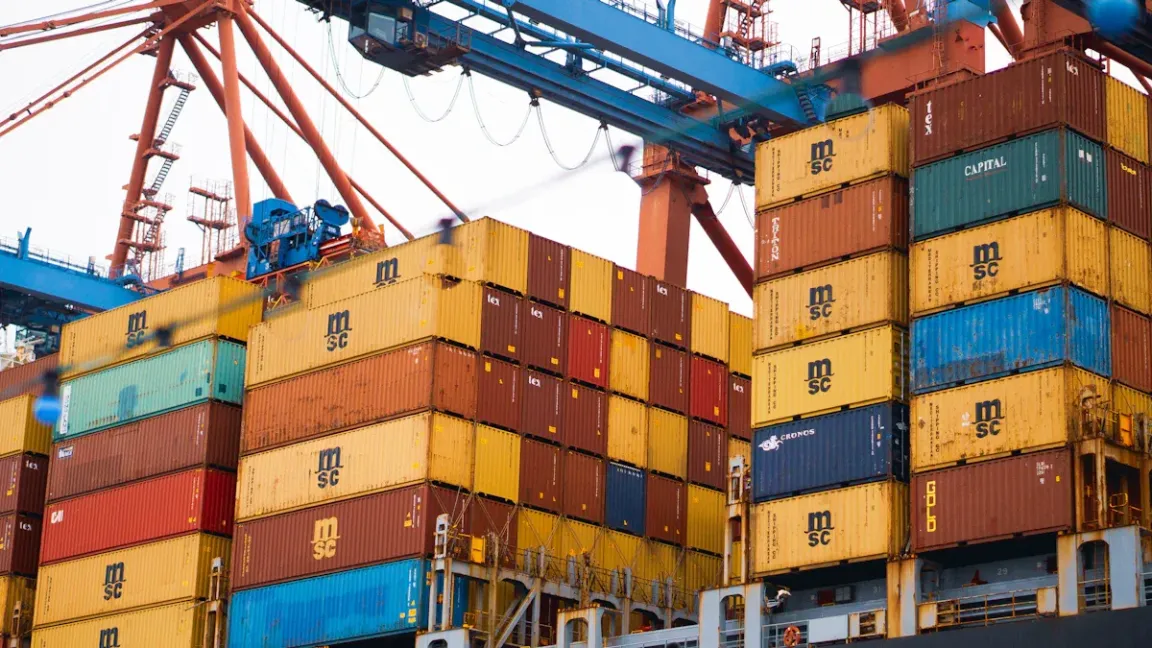
Freight forwarding is the strategic planning and coordination of moving goods across borders or within a country. It involves managing the logistics of transportation, storage, and customs clearance to ensure goods reach their destination efficiently. As a freight forwarder, a company acts as an intermediary between you and transportation providers, simplifying the complex process of shipping goods.
According to FIATA, freight forwarding includes services such as handling customs and fiscal matters, ensuring compliance with regulations, and managing risks. Freight forwarders also organize transport modes, prepare documentation, and oversee the safe delivery of goods. Their expertise in logistics and regulatory compliance makes them essential for businesses engaged in international trade.
You might wonder why freight forwarding is so important. It reduces costs by consolidating shipments, speeds up customs clearance, and simplifies billing. These benefits make freight forwarding companies a valuable partner for businesses looking to streamline their supply chain operations.
Key Features of Freight Forwarding
Freight forwarding companies offer a range of features designed to optimize the shipping process. These features ensure that your goods are transported efficiently and cost-effectively. Below is a table highlighting some of the key features:
These features highlight how freight forwarders simplify the shipping process. For example, shipment tracking ensures you always know where your goods are, while documentation management reduces errors in paperwork.
The freight forwarding industry has evolved significantly to meet modern demands. For instance, C.H. Robinson expanded its cross-border logistics facilities in 2023, adding 400,000 square feet of warehousing and capacity for 700 trailers. Similarly, Kazakhstan has invested in transport and logistics centers to handle 10 million tons of cargo annually. These developments reflect the growing need for efficient freight forwarding services.
Freight forwarding companies also adapt to industry trends. American Airlines Cargo, for example, expanded its winter schedule with over 12,500 round-trip flights in 2023-2024. This expansion addresses the increasing demand for reliable air freight services, showcasing how freight forwarders play a crucial role in meeting market needs.
By leveraging these features and adapting to industry trends, freight forwarders ensure that your goods are transported safely, efficiently, and economically.
The Role of a Freight Forwarder
Responsibilities and Services
Freight forwarders handle a wide range of responsibilities to ensure your goods move smoothly through the supply chain. Their expertise simplifies the shipping process and minimizes risks. Below is a table summarizing some of their key responsibilities and services:
Freight forwarders also prepare customs declarations, manage financial documents like Letters of Credit, and assist with additional paperwork such as insurance certificates. These services reduce the risk of delays and penalties, ensuring your shipments stay on track.
How Freight Forwarders Facilitate Trade
Freight forwarders play a critical role in global trade by streamlining logistics and reducing complexities. They act as intermediaries, coordinating transportation, documentation, and customs clearance. This ensures your goods reach their destination efficiently and cost-effectively. Here are some ways they enhance trade:
-
They manage logistics, including booking cargo space and arranging transportation.
-
They handle customs clearance, ensuring compliance with regulations.
-
They consolidate shipments to lower costs and improve efficiency.
Research shows that freight forwarders significantly reduce delays and costs by navigating customs and regulatory challenges. Their expertise allows businesses to focus on growth rather than logistics. For example, they combine small shipments to secure volume discounts, saving you money. They also provide a single point of contact, simplifying communication throughout the shipping process.
Freight forwarders use advanced mechanisms to improve trade efficiency. The table below highlights some of these mechanisms:
By leveraging these tools, freight forwarders ensure your goods move quickly and reliably across borders. Their role in facilitating trade cannot be overstated, as they help businesses navigate the complexities of international shipping with ease.
Steps in the Freight Forwarding Process
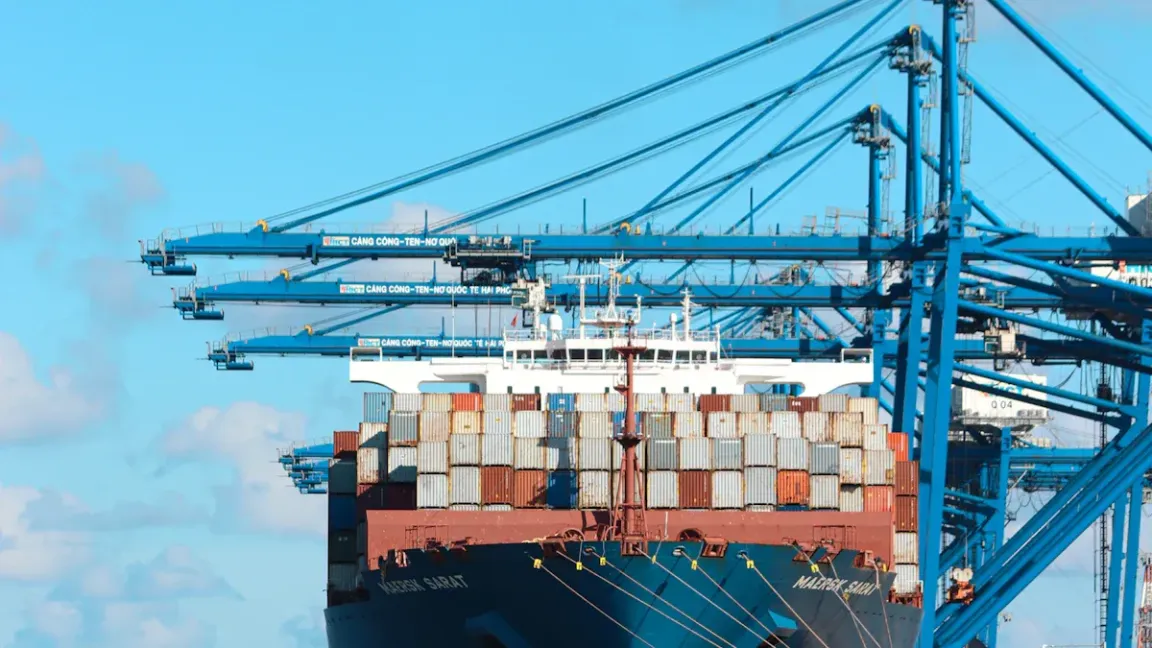
Freight forwarding involves several critical steps to ensure the smooth transport of goods. Each step requires careful planning, execution, and monitoring to minimize delays and optimize efficiency. Let’s explore these steps in detail.
Planning and Documentation
Planning forms the foundation of the freight forwarding process. It involves creating a robust logistics framework and preparing all necessary documentation to comply with international logistics requirements. Without proper planning, the shipping process can face delays, increased freight costs, or even legal complications.
To plan effectively, you should:
-
Define clear objectives and establish standard operating procedures.
-
Use data-driven decision-making tools like predictive analytics to forecast demand and optimize routes.
-
Collaborate across teams using technology platforms to streamline communication.
-
Identify potential risks and develop mitigation strategies.
-
Continuously review and refine processes to improve efficiency.
According to a Harvard Business Review report, aligning logistics with your overall strategy can significantly enhance operational performance. Similarly, McKinsey & Company highlights how data-driven decision-making improves supply chain management. These strategies ensure your freight forwarding process remains efficient and resilient.
Documentation is equally important. Freight forwarding companies handle essential paperwork such as bills of lading, commercial invoices, and customs declarations. Accurate documentation ensures compliance with regulations and prevents costly delays. For example, the Maryland Statewide Model integrates supply chain analysis to simulate freight transport between suppliers and buyers, demonstrating the importance of thorough planning and documentation.
Transportation and Customs Clearance
Transportation is the core of freight forwarding. It involves selecting the most suitable mode of transport—air, sea, rail, or road—based on factors like cost, speed, and cargo type. Freight forwarding companies often consolidate shipments to reduce freight costs and improve efficiency. For instance, behavioral-based freight models in Wisconsin have shown how shifting freight to rail can lower costs and enhance sustainability.
Customs clearance is another critical step. It ensures your goods comply with import and export regulations. Freight forwarders handle this process by classifying goods, preparing customs declarations, and paying duties and taxes. They also navigate restrictions, such as quotas or embargoes, to avoid penalties. Research shows that effective border management reduces clearance times and streamlines the supply chain, saving both time and money.
Infrastructure investments further enhance transportation and customs efficiency. For example, improved port facilities and modern logistics technologies like RFID help reduce congestion and improve cargo throughput. These advancements ensure your goods move seamlessly across borders.
Cargo Handling and Final Delivery
Cargo handling ensures your goods remain safe and intact throughout the shipping process. This step includes loading, unloading, and storing goods at various points in the supply chain. Freight forwarders use advanced equipment and trained personnel to minimize damage and delays. Performance metrics like on-time pickup and shipping help measure the efficiency of cargo handling operations.
Final delivery is the last step in the freight forwarding process. It involves transporting goods from the destination port to the final recipient. On-time delivery is a key indicator of supply chain efficiency. Freight forwarders coordinate with local carriers to ensure timely and accurate delivery, enhancing customer satisfaction.
Operational efficiency gained through improved freight procedures leads to significant cost savings. For example, reorganization benefits from lower freight costs allow businesses to reduce inventory and warehouse expenses. A $1 increase in infrastructure investment generates approximately $0.3 in annual cost-saving producer benefits, highlighting the financial impact of efficient cargo handling and delivery.
By following these steps, you can ensure your goods are transported safely, efficiently, and cost-effectively. Freight forwarding companies play a vital role in managing these processes, helping you navigate the complexities of international logistics.
Benefits and Risks of Freight Forwarding
Advantages of Using Freight Forwarders
Freight forwarding companies offer numerous advantages that simplify the transport of goods. By partnering with these experts, you can streamline your shipping process and reduce freight costs. Here are some key benefits:
-
Enhanced logistical planning ensures accurate data collection and better decision-making.
-
Strategic cargo consolidation maximizes fleet usage and lowers shipping costs.
-
Optimal route selection reduces transit time and mileage, improving delivery efficiency.
Freight forwarders also help you achieve sustainability goals. Many companies invest in greener logistics, which reduces carbon footprints and ensures compliance with environmental regulations. For example, data-driven solutions like CargoIS have helped shippers cut costs by up to 50%.
The freight logistics industry also benefits from improved operational efficiency. Freight forwarders use advanced transportation management systems to optimize shipping routes and manage cargo capacity. This approach not only reduces shipping costs but also ensures timely delivery.
By leveraging these advantages, you can focus on growing your business while leaving the complexities of international logistics to the experts.
Common Challenges and How to Address Them
Despite its benefits, freight forwarding comes with challenges. Regulatory compliance, for instance, can be complex. To address this, you should use automated systems to track compliance and consult legal experts for guidance.
Sustainability is another pressing issue. Freight forwarding companies can adopt sustainable logistics practices and optimize transportation routes to minimize environmental impact. Changing consumer demands also require attention. Advanced analytics and real-time tracking can help you meet customer expectations with personalized services.
Labor shortages and cybersecurity risks are additional hurdles. Automation and AI can fill labor gaps, while improved working conditions help retain skilled workers. Investing in cybersecurity measures and conducting regular audits protect your data from cyber threats.
By addressing these challenges proactively, you can ensure a smoother shipping process and maintain a competitive edge in the freight logistics industry.
Freight forwarding simplifies the complex process of transporting goods across borders. It combines logistics planning, documentation, and transportation to ensure smooth delivery. Reliable freight forwarders add value by offering tailored services and addressing inefficiencies in freight capacities.
-
The trucking industry’s vast network provides numerous options for freight forwarding.
-
Digital platforms now enhance services with features like shipment visibility and electronic proof of delivery.
Partnering with a dependable freight forwarder helps you save time, reduce costs, and focus on growing your business. Choose a forwarder that aligns with your needs for the best results.
FAQ
What is the difference between a freight forwarder and a carrier?
A freight forwarder manages the logistics of shipping goods, acting as an intermediary between you and carriers. Carriers, on the other hand, physically transport the goods via air, sea, rail, or road.
Do freight forwarders handle customs clearance?
Yes, freight forwarders manage customs clearance. They prepare necessary documents, classify goods, and ensure compliance with import/export regulations. This service helps you avoid delays and penalties during the shipping process.
Can freight forwarders handle all types of cargo?
Most freight forwarders handle a wide range of cargo, including general goods, perishable items, and hazardous materials. However, you should confirm their expertise in managing your specific type of shipment before partnering with them.
How do freight forwarders calculate shipping costs?
Freight forwarders calculate costs based on factors like cargo weight, dimensions, shipping mode, and destination. Additional services, such as insurance or storage, may also affect the total cost.
Is freight forwarding suitable for small businesses?
Yes, freight forwarding benefits small businesses by simplifying logistics and reducing shipping costs. Freight forwarders consolidate smaller shipments, making international trade more accessible and cost-effective for you.
Related content