
Top Sustainable Fashion Trends of the Year
Author:XTransfer2025.08.29Sustainable Fashion Trends
Sustainable fashion is more than just a trend—it’s a movement toward creating clothing that’s kind to the planet and the people who make it. You’ve probably noticed how shoppers are becoming more mindful about their choices. Did you know 72% of consumers now factor in a brand’s environmental impact before buying? Plus, around 75% of Gen Z has embraced secondhand shopping to reduce waste. This shift is driving change in the industry, with the ethical fashion market set to grow to over $11 billion by 2027. It’s clear: choosing eco-friendly and ethical options isn’t just good for the earth—it’s becoming the new standard.
Understanding Sustainable Fashion
What Is Sustainable Fashion?
Sustainable fashion is all about creating clothing that respects the planet and its people. It focuses on reducing waste, using eco-friendly materials, and ensuring fair treatment for workers. Unlike fast fashion, which churns out cheap, disposable clothes, sustainable fashion takes a thoughtful approach. It considers the entire lifecycle of a garment—from production to disposal.
You might wonder, what makes a piece of clothing sustainable? It could be made from biodegradable materials like organic cotton or recycled fibers. These materials use less water and energy and avoid harmful chemicals. Some brands even upcycle old fabrics into new designs, giving them a second life. This shift reflects a growing demand for ethical and eco-friendly options in the fashion world.
Did you know the global sustainable fashion market was valued at $7.85 billion in 2023? It’s expected to grow to $32.66 billion by 2029. This growth shows how much people care about making better choices for the environment and society.
Why Sustainable Fashion Is Crucial Today
The fashion industry has a massive impact on the environment. It’s responsible for 10% of global carbon emissions and produces tons of waste every year. By choosing sustainable options, you can help reduce this damage. For example, sustainable brands create durable clothing that lasts longer, cutting down on waste.
Sustainable fashion also addresses social issues. Many fast fashion brands exploit workers in developing countries, offering low wages and unsafe conditions. In contrast, sustainable companies prioritize fair pay and safe workplaces. When you support these brands, you’re contributing to a more ethical industry.
This movement isn’t just about clothes—it’s about changing how we think. By embracing sustainable fashion, you’re joining a global effort to protect the planet and promote equality. Every choice you make, no matter how small, can have a big impact.
Top Sustainable Fashion Trends of the Year
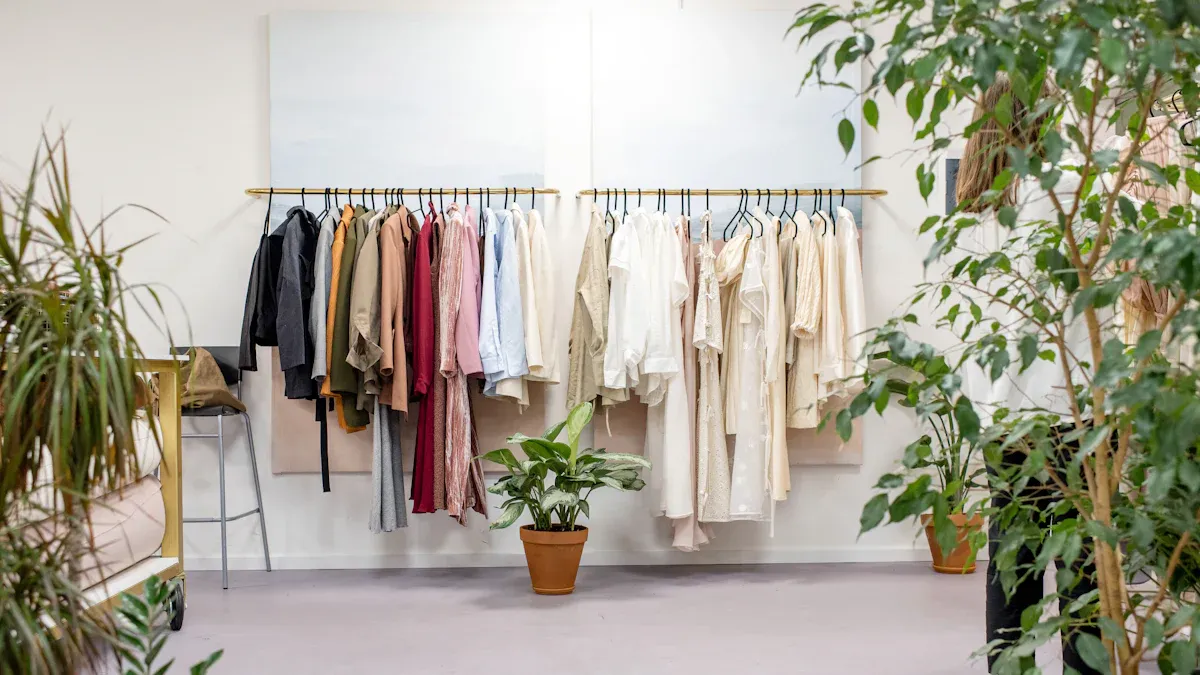
Circular Fashion: Recycling and Upcycling
Circular fashion is transforming the way we think about clothing. Instead of discarding old garments, this trend focuses on recycling and upcycling to extend the life of materials. By embracing circular practices, you can help reduce waste and minimize the environmental impact of the fashion industry.
Did you know that upcycling can repurpose up to 80% of certain fabric leftovers? This means less textile waste and more creative designs. Many brands are now using innovative recycling methods to turn discarded materials into new, stylish pieces. For example, some companies are creating jackets from recycled plastic bottles or handbags from old seatbelts. These sustainable fashion examples show how eco-conscious choices can lead to unique and functional designs.
Here’s why circular fashion matters:
-
Consumer Awareness: More people are choosing upcycled clothing as they become aware of its benefits.
-
Technological Advancements: New recycling technologies make it easier to reuse materials.
-
Economic Benefits: Upcycled products often cost less to produce, making them a win-win for brands and the planet.
Textile waste accounts for 25% to 40% of fabric used in garment manufacturing. By adopting upcycling, you can play a part in reducing this waste and supporting a more sustainable future.
Slow Fashion: Quality Over Quantity
Slow fashion is all about choosing quality over quantity. Instead of buying cheap, fast fashion items that wear out quickly, this trend encourages you to invest in durable, timeless pieces. It’s a shift from chasing fleeting trends to building a wardrobe that lasts.
Why is slow fashion important? The industry’s focus on fast production has led to 1.2 billion tons of carbon emissions annually. By choosing slow fashion, you’re supporting sustainable practices that prioritize the environment and ethical labor conditions. For instance, handwoven accessories made from high-quality materials not only last longer but also reduce waste.
Here’s a quick look at the impact of slow fashion:
|
Statistic |
Value |
|
Global sustainable fashion market value in 2023 |
USD 7.8 billion |
|
Expected market value by 2030 |
USD 33.05 billion |
|
Gen Z shoppers preferring sustainable brands |
62% |
Slow fashion isn’t just about clothes—it’s a mindset. By investing in fewer, better-made items, you’re contributing to a more sustainable and ethical fashion industry.
Plant-Based and Vegan Materials
Plant-based and vegan materials are taking the fashion world by storm. These eco-friendly alternatives to traditional fabrics are not only sustainable but also cruelty-free. From organic cotton to innovative materials like mushroom leather, these options are perfect for eco-conscious shoppers.
Plant-based fabrics are biodegradable and have a smaller carbon footprint compared to synthetic materials. For example, organic cotton uses less water and avoids harmful pesticides, making it a popular choice for sustainable fashion. Hemp and bamboo are also gaining traction for their durability and minimal environmental impact.
Here’s what the numbers say:
|
Statistic |
Value |
|
Percentage of British shoppers wanting more vegan items |
48% |
|
Percentage willing to pay more for plant-based leathers |
74% |
The market for plant-based materials is growing rapidly. In 2021, it was valued at $1.65 billion, and it’s expected to reach $3.59 billion by 2029. By choosing these materials, you’re not just making a fashion statement—you’re supporting a movement toward a more sustainable and ethical future.
Transparent and Ethical Supply Chains
Have you ever wondered where your clothes come from? Transparent and ethical supply chains are all about answering that question. This trend focuses on making the journey of your clothes—from raw materials to finished products—clear and fair. When brands share this information, you can make informed choices and support companies that align with your values.
Transparency isn’t just a buzzword. It’s a powerful tool for change. According to the Business of Fashion’s 2023 Transparency Report, brands that adopt transparency measures often see a boost in customer loyalty and brand value. Why? Because you trust companies that are honest about their practices. Reliable supply chain data also helps brands identify and fix problems before they grow. This creates a win-win situation for both the industry and the environment.
Here’s a quick look at why transparency matters:
|
Key Benefits of Transparent Supply Chains |
Details |
|
Better ESG Risk Management |
Accurate data helps brands address environmental, social, and governance risks effectively. |
|
Operational Visibility |
Transparency improves how brands handle supply chain challenges. |
|
Customer Loyalty |
Honest practices build trust and long-term relationships with consumers. |
By choosing brands that prioritize transparency, you’re not just buying clothes—you’re supporting a movement toward ethical and sustainable fashion.
Secondhand and Vintage Clothing
Secondhand and vintage clothing isn’t just trendy—it’s a sustainable fashion powerhouse. When you shop secondhand, you’re giving clothes a second life and reducing waste. Plus, vintage pieces often have a unique charm that you won’t find in fast fashion.
The numbers speak for themselves. Over 58% of shoppers plan to buy more secondhand apparel in the next year. Why? Many believe secondhand clothing offers better quality than new items. It’s also a great way to embrace eco-conscious living while staying stylish. Sales of thrifted apparel and accessories have skyrocketed, growing over 400% globally from March 2023 to March 2024. And here’s a fun fact: the average resold luxury item gets worn 76% more than a fast fashion piece.
Here’s why secondhand shopping is worth it:
-
It’s eco-friendly and reduces textile waste.
-
You can find high-quality, durable items.
-
It’s budget-friendly and often supports local businesses.
Next time you’re looking for a wardrobe refresh, consider exploring thrift stores or online resale platforms. You’ll discover unique pieces while making a sustainable choice.
Local and Artisanal Production
Local and artisanal production is another exciting trend in sustainable fashion. By supporting local artisans and small-scale producers, you’re helping to reduce the carbon footprint of your clothes. Did you know the fashion industry contributes about 10% of global carbon emissions? That’s more than international flights and shipping combined! Choosing locally made items can make a big difference.
Artisanal production also promotes fair working conditions and the use of eco-friendly materials. When you buy from local designers, you’re not just getting a beautiful product—you’re supporting ethical practices and preserving traditional craftsmanship. This approach aligns perfectly with the values of sustainable fashion.
Here are some benefits of local and artisanal production:
-
It reduces transportation emissions, making it more sustainable.
-
It supports small businesses and local economies.
-
It encourages the use of environmentally friendly materials.
By choosing locally made clothing, you’re embracing a more thoughtful and sustainable way of shopping. It’s a simple yet impactful way to support the environment and your community.
Tech-Driven Sustainability in Fashion
Technology is revolutionizing the way the fashion industry approaches sustainability. From innovative materials to smarter production methods, tech-driven solutions are helping brands reduce waste and create eco-friendly designs. You might be surprised by how much technology is shaping the future of sustainable fashion.
Let’s start with materials. Brands are now using cutting-edge fabrics like Econyl, a regenerated nylon made from ocean plastic and fishing nets. Mylo, a leather-like material derived from mushroom roots, is another game-changer. Tencel, made from sustainably sourced wood pulp, uses a closed-loop process that minimizes waste. These materials not only reduce environmental impact but also offer high-quality alternatives to traditional fabrics.
Production methods are also getting a sustainable upgrade. Some companies only make clothes after you place an order, which helps prevent overproduction. Startups like Unspun use body scanning technology to create custom-fit jeans, eliminating excess inventory. Techniques like 3D printing and digital weaving are reducing fabric waste during manufacturing. These innovations show how technology can make fashion more efficient and less wasteful.
But it doesn’t stop there. Blockchain technology is enhancing transparency in supply chains. Every step, from sourcing raw materials to delivering the final product, is recorded and verifiable. This empowers you to make informed choices about the brands you support. Virtual try-ons and AR-powered customization are also gaining popularity. These tools let you experiment with styles without creating physical waste, making shopping more sustainable and fun.
Here’s a quick look at some tech-driven advancements:
-
Innovative Materials: Econyl, Mylo, Tencel, and Orange Fiber.
-
Smarter Production: 3D printing, digital weaving, and on-demand manufacturing.
-
Supply Chain Transparency: Blockchain and RFID tags for responsible sourcing.
-
Customer Engagement: Virtual try-ons and AR customization to reduce waste.
By embracing these technologies, the fashion industry is taking significant steps toward a more sustainable future. And as a consumer, you can support these efforts by choosing brands that prioritize innovation and eco-friendly practices.
Gender-Neutral and Inclusive Designs
Fashion is no longer confined by traditional gender norms. Gender-neutral and inclusive designs are reshaping the industry, offering clothing that celebrates individuality and self-expression. This trend is driven by younger generations, especially Millennials and Gen Z, who are challenging outdated ideas about gender roles.
You’ve probably noticed how more brands are creating collections that cater to everyone, regardless of gender. This shift reflects a growing cultural acceptance of non-binary identities and a desire for inclusivity. Social media and celebrity endorsements have played a big role in popularizing this movement. When you see your favorite influencers rocking gender-neutral outfits, it’s hard not to feel inspired.
Why is this trend so important? For one, it aligns with the values of authenticity and social awareness that many young consumers hold dear. Gender-neutral fashion allows you to express yourself without being boxed into categories. It’s about wearing what makes you feel good, not what society expects.
Here’s what’s driving the demand for inclusive designs:
-
Cultural Shifts: A move toward inclusivity and acceptance of identity fluidity.
-
Consumer Values: Millennials and Gen Z favor brands that promote sustainability and inclusivity.
-
Self-Expression: Fashion as a tool for breaking free from traditional gender norms.
This trend isn’t just about style—it’s about creating a more accepting and diverse world. By supporting brands that embrace inclusivity, you’re helping to push the industry toward a future where everyone feels seen and celebrated.
How to Embrace Sustainable Fashion in Your Life

Building a Sustainable Wardrobe
Creating a sustainable wardrobe starts with choosing quality over quantity. Instead of buying trendy pieces that wear out quickly, invest in durable, timeless clothing. A minimalist approach can help you focus on versatile items that work for multiple occasions. For example, a well-made blazer or a classic pair of jeans can last for years and never go out of style.
Learning to repair and upcycle your clothes is another great way to embrace sustainable clothing. A small tear or missing button doesn’t mean the end of a garment’s life. You can also repurpose old clothes into something new and exciting. This reduces waste and gives your wardrobe a personal touch.
Digital tools like a Digital Product Passport (DPP) can help you make informed decisions. These “birth certificates” for garments provide details about their lifecycle. You can access them through QR codes or NFC tags, making it easier to choose eco-friendly clothing that aligns with your values.
Shopping Mindfully for Ethical Brands
Mindful shopping means looking beyond the price tag. Ethical fashion brands prioritize transparency, fair labor practices, and eco-friendly materials. As an eco-conscious consumer, you can support these brands by researching their sustainability efforts. Look for certifications like Fair Trade or GOTS (Global Organic Textile Standard) to ensure you’re buying ethical clothing.
Many brands now offer innovative options like clothing rental programs. These programs let you enjoy high-quality fashion without contributing to overproduction. They’re perfect for special occasions or when you want to try something new without committing to a purchase.
Consumers are increasingly demanding proof of sustainability. Avoid brands that make vague claims or engage in greenwashing. Instead, choose companies that provide clear evidence of their practices. By doing so, you’re supporting fashion that is ethically made and helping to drive change in the industry.
Exploring Secondhand and Thrift Stores
Thrift stores and secondhand shops are treasure troves for sustainable fashion. When you buy pre-loved items, you’re giving them a second life and reducing the demand for new production. This helps cut down on waste and conserves resources like water and energy.
Did you know Americans discard over 13 million tons of clothing each year? Shopping secondhand can help reduce this staggering amount of waste. Plus, it’s a budget-friendly way to find unique, high-quality pieces. A vintage jacket or a retro dress can add character to your wardrobe while supporting eco-friendly practices.
The production of one pair of jeans requires about 1,800 gallons of water. By choosing secondhand, you’re saving resources and making a positive impact on the environment. Whether you’re browsing local thrift stores or online resale platforms, you’ll find plenty of options to build a sustainable wardrobe.
Caring for Clothes to Extend Their Lifespan
Taking care of your clothes is one of the easiest ways to embrace sustainable clothing. When you treat your garments well, they last longer, reducing the need to buy new ones. This simple habit can make a big difference for the planet and your wallet.
Start by following the care labels on your clothes. These labels aren’t just there for decoration—they provide clear instructions to help you wash, dry, and store your garments properly. For example, washing in cold water not only saves energy but also prevents fabric from wearing out too quickly. Air drying instead of using a dryer can also extend the life of your clothes.
Here’s why proper care matters:
-
It can double the lifespan of a jumper from seven years to nearly 15 years.
-
Extending the life of clothing by just nine months reduces carbon, waste, and water footprints by 20% to 30%.
You can also learn to repair minor damages. A small tear or a missing button doesn’t mean you need to toss the item. Sewing kits and online tutorials make it easy to fix your clothes at home. If you’re feeling creative, try upcycling old garments into something new. It’s a fun way to refresh your wardrobe while reducing waste.
Supporting Local Designers and Artisans
Supporting local designers and artisans is a powerful way to achieve sustainable fashion. When you buy locally made items, you’re not just getting unique, high-quality products—you’re also making a positive impact on your community and the environment.
Local artisans often use traditional techniques that celebrate cultural heritage. By purchasing their work, you help preserve these skills and ensure they’re passed down to future generations. Many artisans also prioritize ethical production practices, offering fair wages and safe working conditions. This means your purchase supports livelihoods and promotes economic opportunities in your area.
Here’s why choosing local matters:
-
It reduces the carbon footprint by cutting down on transportation emissions.
-
It fosters community pride by incorporating traditional craftsmanship into modern designs.
-
It enhances transparency in the supply chain, so you know exactly where your clothes come from.
Educating artisans about sustainable fashion helps them adapt to market demands and innovate their products. This collaboration benefits everyone—you get beautiful, eco-friendly clothing, and they gain recognition and fair compensation for their work.
Sustainable fashion isn’t just a trend—it’s a way to create a better future. By embracing these practices, you’re helping reduce the fashion industry’s impact on the environment and supporting fair and sustainable practice. Did you know the industry produces 1.2 million metric tons of CO2 annually and accounts for 10% of global greenhouse gas emissions? That’s a lot! But small changes, like choosing secondhand clothing or supporting ethical brands, can make a big difference.
Here’s a quick look at the environmental and social impacts of sustainable fashion:
|
Statistic |
Description |
|
10% |
Fashion accounts for 10% of human-caused greenhouse gas emissions. |
|
20% |
It contributes to 20% of global wastewater. |
|
93 billion metric tons |
Global fashion consumes 93 billion metric tons of clean water annually. |
|
53 million metric tons |
53 million metric tons of discarded clothing are incinerated or sent to landfills each year. |
Every choice you make—whether it’s repairing clothes, shopping locally, or opting for plant-based materials—adds up. You don’t have to overhaul your wardrobe overnight. Start small, and watch how your actions inspire others to join the movement. Together, we can make fashion a force for good.
FAQ
What is the difference between fast fashion and sustainable fashion?
Fast fashion focuses on producing cheap, trendy clothes quickly. Sustainable fashion prioritizes eco-friendly materials and ethical practices. It aims to reduce waste and promote fair treatment for workers.
How can you tell if a brand is truly sustainable?
Look for certifications like Fair Trade or GOTS. Check if the brand shares details about its supply chain and materials. Avoid vague claims and greenwashing.
Is sustainable fashion more expensive?
Not always. While some items cost more upfront, they last longer. You save money over time by buying fewer, high-quality pieces. Secondhand shopping is also a budget-friendly option.
Why is the fashion industry moving toward sustainability?
The fashion industry impacts the environment and society significantly. Consumers demand eco-friendly options, and brands are responding. Sustainable practices help reduce waste and carbon emissions.
Can technology make fashion more sustainable?
Yes! Innovations like recycled fabrics, 3D printing, and blockchain improve efficiency and transparency. These tools help brands create eco-friendly designs and reduce waste.
Related content