
The Role of TradeTech in Bridging Cross-Border Trade Gaps
Author:XTransfer2025.09.04Bridging Cross-Border Trade
Cross-border trade faces numerous challenges, but TradeTech offers innovative solutions to overcome them. You can see its impact in many ways: identifying local solutions to trade financing issues, reducing gaps in knowledge, and sharing tools and best practices. These advancements help businesses like yours navigate international markets effectively. Bridging Cross-Border Trade gaps unlocks economic potential and fosters global collaboration. Platforms like XTransfer simplify international payments, enabling small and medium enterprises to access financial services previously reserved for large corporations.
Key Cross-Border Trade Gaps
The Global Trade Finance Gap and Its Impact
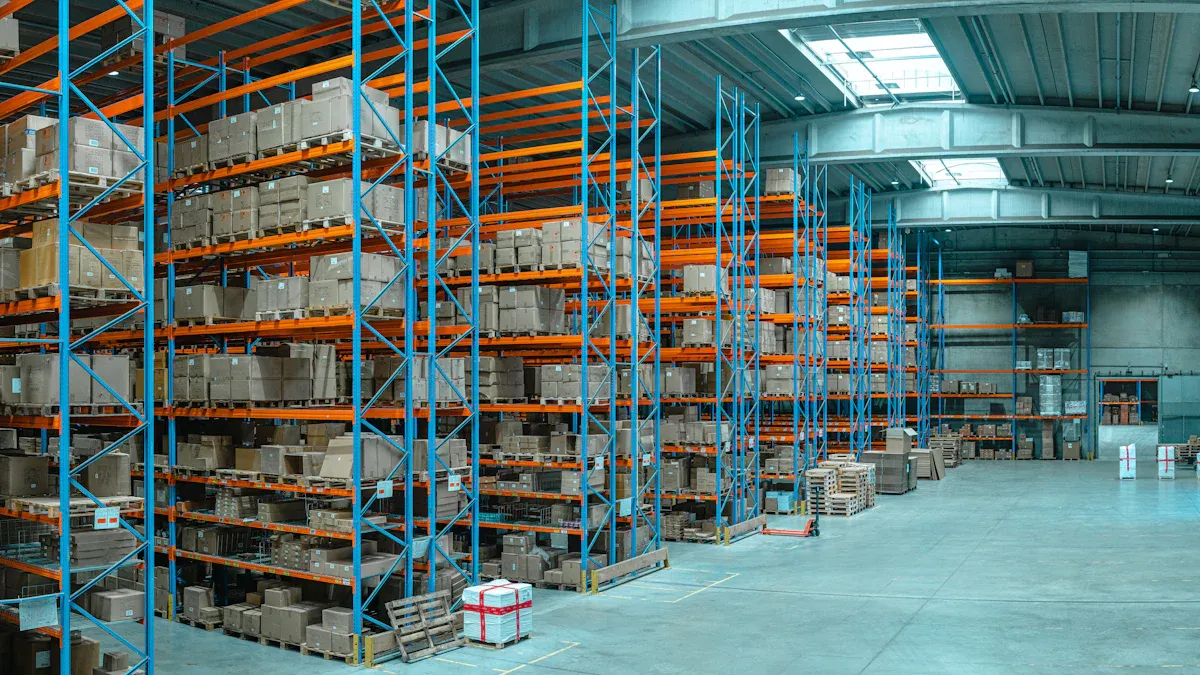
The global trade finance gap, estimated at $1.7 trillion, represents a significant challenge for businesses worldwide. This gap highlights the unmet demand for trade financing, especially for small and medium-sized enterprises (SMEs). Many SMEs struggle to secure the financial support they need to participate in international trade. Structural issues, such as high transaction costs, economic uncertainties, and bank capital constraints, further widen this gap.
You may notice that this gap not only limits the growth of SMEs but also impacts global trade flows. When businesses cannot access financing, they face difficulties in fulfilling orders, expanding operations, or entering new markets. This creates a ripple effect, slowing down economic growth and reducing opportunities for global collaboration. Addressing this gap is essential to unlocking the full potential of cross-border trade and ensuring that businesses of all sizes can thrive.
Challenges in Cross-Border Logistics
Logistics play a critical role in international trade, yet they often present significant obstacles. Uneven access to markets, high transportation costs, and inadequate infrastructure are common issues that hinder the smooth movement of goods across borders. Complex regulatory environments add another layer of difficulty, making it harder for businesses to comply with varying rules and standards.
For example, you might encounter delays due to poor infrastructure or face increased costs from inefficient supply chain processes. These challenges can disrupt trade operations, leading to missed opportunities and reduced competitiveness. By addressing these logistical barriers, businesses can streamline their operations and improve their ability to compete in the global marketplace.
Limited Market Access for SMEs and Emerging Economies
Limited market access remains a major hurdle for SMEs and businesses in emerging economies. Many smaller enterprises lack the resources or networks to enter international markets. They often face challenges such as restrictive trade policies, lack of information about foreign markets, and difficulties in establishing trust with international partners.
This lack of access prevents SMEs from reaching their full potential. It also limits the diversity of goods and services available in global markets. However, cross-border data flows and innovative technologies can help bridge this gap. By leveraging these tools, you can gain insights into new markets, build connections with international partners, and overcome traditional barriers to trade.
TradeTech as a Solution
Core Components of TradeTech
TradeTech relies on several key technologies to address challenges in international trade. Automation, IoT, AI, blockchain, and digital twin technology form the backbone of these solutions. Each of these components plays a unique role in enhancing efficiency and streamlining operations. For instance, automation in container terminals speeds up goods handling, reducing delays. IoT devices provide real-time tracking of shipments, ensuring better visibility across supply chains. AI-driven traffic systems optimize logistics, helping you save time and resources.
Blockchain technology stands out as a game-changer. It secures trade documentation and enables smart contracts, which automate agreements between parties. This reduces the risk of errors and fraud. Digital twin technology, on the other hand, creates virtual replicas of physical assets, allowing you to simulate and optimize trade processes before implementation. Together, these components transform the way businesses like yours engage in international trade.
Digital Platforms for Bridging Cross-Border Trade
Digital platforms have revolutionized the way businesses connect and transact globally. These platforms democratize access to markets, enabling SMEs to reach international buyers and suppliers without the need for expensive trade shows. They also simplify cross-border transactions by integrating secure payment solutions, reducing risks like currency exchange issues and fraud.
Many platforms use AI-driven matchmaking tools to connect you with the right partners. This increases your trade opportunities and helps you find reliable suppliers or buyers. Fintech innovations, such as blockchain-based smart contracts and real-time payment gateways, further enhance the efficiency of international trade. By leveraging these platforms, you can overcome traditional barriers and tap into new investment opportunities.
Blockchain and AI in Enhancing Transparency and Efficiency
Blockchain and AI are reshaping global trade by improving transparency and efficiency. Blockchain creates a shared ledger that records transactions in a tamper-evident way. This ensures all parties have access to a single source of truth, fostering trust even in complex systems. For example, companies in resource-intensive industries use blockchain to trace product components and control emissions, enhancing sustainability.
AI complements blockchain by analyzing vast amounts of data to identify patterns and risks. It helps you detect supply chain disruptions before they escalate, allowing proactive measures. Together, these technologies strengthen international trade by providing visibility, reducing risks, and ensuring seamless value exchange.
Blockchain and AI not only enhance operational efficiency but also build trust in global trade systems. By adopting these technologies, you can stay ahead in an increasingly competitive market.
Bridging Trade Gaps with TradeTech
Addressing the Global Trade Finance Gap with Fintech
Fintech solutions play a vital role in bridging the trade finance gap, which reached $2.5 trillion in 2022, up from $1.7 trillion in 2020. This gap affects businesses worldwide, especially small and medium enterprises (SMEs) that rely heavily on financing to participate in international trade. Fintech innovations simplify trade finance transactions, making them more accessible and efficient for businesses like yours.
You can see how fintech platforms streamline processes by automating documentation, reducing approval times, and lowering transaction costs. These platforms also enable alternative financing options, such as peer-to-peer lending and invoice factoring, which help SMEs secure funding without traditional banking constraints.
|
Evidence Type |
Description |
|
Trade Finance Gap |
The global trade finance gap reached $2.5 trillion in 2022, up from $1.7 trillion in 2020. |
|
Reliance on Financing |
80% of international trade relies on some form of financing. |
|
Growth Rates |
Global goods exports grew by 26.6% in 2021 and 11.5% in 2022 despite financing challenges. |
By adopting fintech solutions, you can overcome barriers in the trade finance ecosystem and unlock new opportunities for growth. These tools not only address the trade finance gap but also foster inclusivity, allowing businesses of all sizes to thrive in the global marketplace.
Streamlining Logistics Through Technology
Logistics remain one of the most significant challenges in cross-border transactions. Technology offers innovative ways to streamline these processes, ensuring goods move efficiently across borders. Advanced logistics tools, such as IoT-enabled tracking systems, provide real-time visibility into shipments. This helps you monitor the movement of goods and anticipate potential delays.
Automation also plays a key role in logistics. Automated warehouses and robotic systems speed up order fulfillment, reducing the time it takes to get products to customers. AI-driven analytics optimize supply chain routes, cutting transportation costs and improving delivery times.
For example, blockchain technology enhances logistics by creating a transparent record of every transaction and shipment. This reduces errors and builds trust among trade partners. When you integrate these technologies into your operations, you can overcome logistical barriers and improve your competitiveness in international markets.
Enhancing Trust and Transparency in Trade
Trust is the cornerstone of successful international trade. Without it, businesses struggle to establish reliable partnerships and navigate complex cross-border transactions. Technology, particularly blockchain and AI, enhances trust by improving transparency in trade processes.
Blockchain creates a shared ledger that records every transaction in a tamper-proof manner. This ensures all parties have access to accurate information, reducing disputes and fostering collaboration. For instance, you can use blockchain to trace the origin of goods, verify compliance with regulations, and ensure ethical sourcing practices.
AI complements blockchain by analyzing data to identify risks and opportunities. It helps you detect fraud, predict supply chain disruptions, and optimize trade operations. Together, these technologies build trust and streamline cross-border transactions, enabling you to focus on growing your business.
By leveraging these tools, you can enhance transparency and strengthen relationships with trade partners. This not only improves operational efficiency but also positions your business as a trusted player in the global trade ecosystem.
Xtransfer’s Role in Bridging Cross-Border Trade Gaps
Xtransfer plays a pivotal role in bridging cross-border trade gaps by simplifying financial processes for small and medium-sized businesses. Its innovative platform empowers SMEs to access international markets with ease, offering tools that were once exclusive to large corporations. By leveraging technology, Xtransfer addresses key challenges in trade finance applications, payment processing, and risk management.
1. Simplifying Cross-Border Payments
Xtransfer eliminates the complexities of cross-border payments. You can use its platform to send and receive payments seamlessly, avoiding high transaction fees and lengthy processing times. The system connects trusted financial institutions worldwide, ensuring secure and efficient transactions. This allows SMEs to focus on growing their business rather than worrying about payment hurdles.
2. Enhancing Trade Finance Accessibility
Trade finance applications often pose challenges for SMEs due to stringent requirements and limited access. Xtransfer bridges this gap by offering tailored solutions that simplify financing processes. You can use its platform to access alternative financing options, such as invoice factoring and peer-to-peer lending. These tools reduce dependency on traditional banking systems and open new opportunities for growth.
|
Feature |
Benefit |
|
Invoice Factoring |
Immediate access to cash by selling unpaid invoices. |
|
Peer-to-Peer Lending |
Direct financing from investors without intermediaries. |
|
Automated Documentation |
Faster approval times and reduced paperwork. |
3. Building Trust in International Trade
Trust is essential for successful international trade. Xtransfer fosters trust by integrating advanced technologies like blockchain into its platform. You can rely on its tamper-proof ledger to verify transactions and ensure transparency. This builds confidence among trade partners and reduces disputes, making cross-border collaborations smoother.
4. Supporting SMEs in Emerging Economies
Emerging economies often face barriers in accessing global markets. Xtransfer provides these businesses with the tools they need to compete internationally. Its cost-effective solutions enable SMEs to overcome financial and logistical challenges, paving the way for inclusive trade growth. By using Xtransfer, you can expand your reach and tap into new markets without the burden of high costs.
5. Driving Efficiency Through Technology
Xtransfer integrates cutting-edge technologies to streamline operations. Its platform uses AI to analyze payment patterns and detect risks, ensuring secure transactions. Blockchain technology enhances transparency, while automation speeds up processes like payment reconciliation. These features save time and resources, allowing you to focus on scaling your business.
By adopting Xtransfer’s solutions, you can overcome traditional barriers in cross-border trade. The platform not only simplifies financial processes but also builds trust and drives efficiency, making it an indispensable tool for SMEs navigating international markets.
Broader Implications of TradeTech
Promoting Sustainability in Global Trade
TradeTech plays a vital role in promoting sustainable practices in global trade. By leveraging advanced technologies, you can reduce waste, optimize resource use, and minimize environmental impact. For instance, blockchain enables you to trace the origin of goods, ensuring compliance with sustainability standards. Similarly, AI helps identify inefficiencies in supply chains, allowing you to adopt greener practices.
Several global initiatives highlight how TradeTech fosters sustainability:
|
Region |
Initiative |
Impact |
|
European Union |
Digital Single Market initiative |
Improved cross-border e-commerce and reduced regulatory fragmentation. |
|
United States |
SMART GRID projects for energy management |
Enhanced energy efficiency and interoperability in power systems. |
|
Asia-Pacific |
Green Trade Zone developments |
Increased investment in sustainable infrastructure and boosted international trade partnerships. |
These examples demonstrate how TradeTech not only supports sustainable development but also creates new trade opportunities by aligning with global environmental goals.
Driving Inclusivity for SMEs and Emerging Markets
TradeTech empowers SMEs and businesses in emerging markets by providing equal access to international markets. Digital platforms eliminate traditional barriers, enabling you to connect with global buyers and suppliers. These tools simplify processes like payment handling and documentation, making it easier for smaller enterprises to compete.
For example, fintech solutions offer alternative financing options, such as peer-to-peer lending, which reduces reliance on traditional banks. This inclusivity allows you to access resources and networks that were once out of reach. By adopting TradeTech, you can unlock trade opportunities and expand your business footprint in international markets.
Accelerating Global Trade Growth
TradeTech accelerates global trade growth by enhancing efficiency and reducing costs. Automation speeds up processes like customs clearance, while IoT devices provide real-time shipment tracking. These advancements improve your ability to meet customer demands and reduce delays.
Moreover, technologies like blockchain and AI foster trust and transparency, encouraging more businesses to engage in international trade. As a result, you gain access to a broader range of trade opportunities, driving economic growth on a global scale. By embracing TradeTech, you position your business to thrive in an increasingly interconnected world.
TradeTech holds immense potential to transform global trade. It bridges gaps in financing, logistics, and market access, empowering businesses like yours to thrive in international markets. By adopting these technologies, you can streamline operations, enhance transparency, and unlock new opportunities for growth.
Looking ahead, TradeTech will continue reshaping international trade. Innovations like blockchain and AI will drive efficiency and inclusivity, creating a more connected and sustainable global economy. You can stay ahead by embracing these advancements.
Take action today. Invest in TradeTech solutions like Xtransfer to simplify cross-border transactions and position your business for success in the evolving trade landscape.
FAQ
What is TradeTech, and how does it impact b2b trade?
TradeTech refers to technologies that simplify and enhance global trade processes. It improves efficiency, transparency, and accessibility in b2b transactions. By automating tasks and reducing barriers, TradeTech helps businesses like yours navigate international markets more effectively.
How does blockchain technology improve trust in b2b trade?
Blockchain creates a secure, tamper-proof ledger for transactions. This ensures transparency and builds trust between trade partners. You can use it to verify product origins, track shipments, and reduce disputes in b2b trade.
Why is TradeTech essential for small businesses in international markets?
TradeTech levels the playing field for small businesses. It provides tools to access financing, streamline logistics, and connect with global partners. These innovations make it easier for you to compete in international b2b trade.
How does Xtransfer simplify cross-border b2b payments?
Xtransfer connects businesses with trusted financial institutions. Its platform eliminates high fees and delays in cross-border payments. You can use it to send and receive payments seamlessly, ensuring smoother b2b transactions.
What role does AI play in optimizing b2b trade operations?
AI analyzes data to identify risks and opportunities in b2b trade. It helps you predict supply chain disruptions, optimize routes, and detect fraud. These insights improve decision-making and operational efficiency.
Related content