
The Rise of Transfast and the Future of Remittances
Author:XTransfer2025.08.28Rise of Transfast
Have you noticed how sending money across borders has become faster and easier? That’s where the rise of Transfast comes into play. As a leader in digital money transfers, it has reshaped how people send and receive funds globally. This shift reflects the broader digital transformation of remittances, which has fueled economic growth in many regions. For example, remittances to Latin America and the Caribbean surged by 159% over the last decade, reaching $161 billion in 2024. These transfers now contribute significantly to GDP in several countries, proving how vital digital innovation is to the global economy.
The Evolution of Digital Money Transfers
From Traditional Methods to Digital Platforms
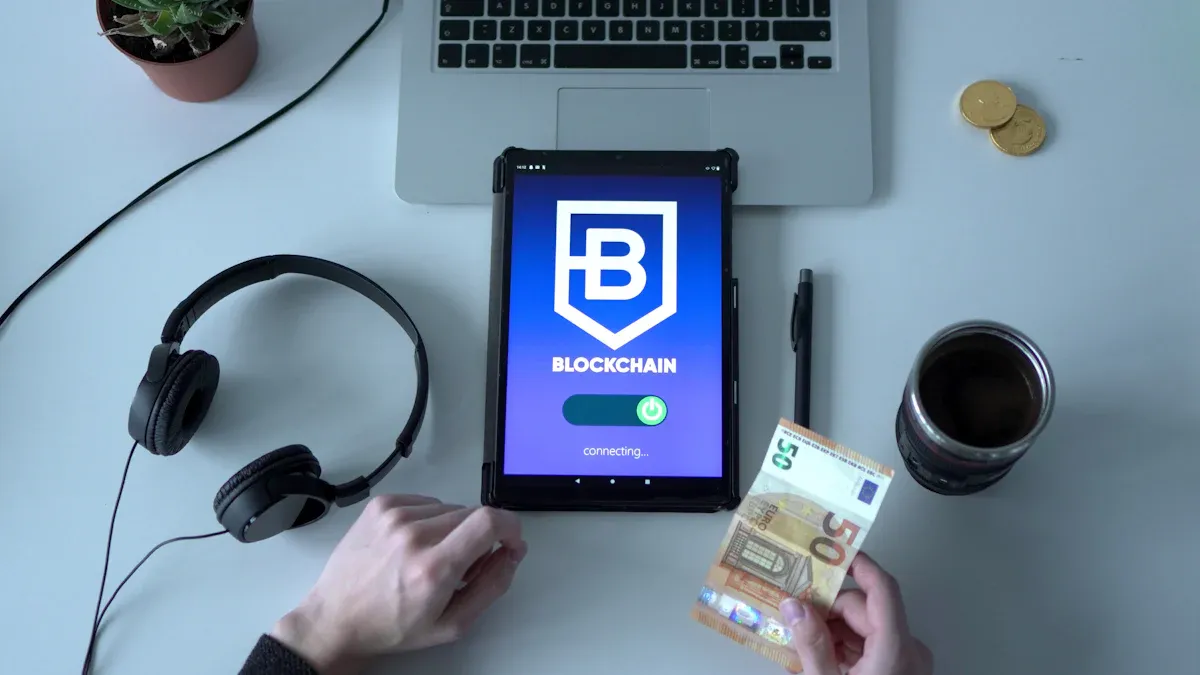
Have you ever wondered how money transfers evolved from slow, traditional methods to the fast, digital platforms you use today? It all started in the late 1990s and early 2000s when online money transfer services began to emerge. Back then, the internet was becoming more accessible, and people were looking for quicker, cheaper alternatives to bank wire transfers. Companies like PayPal led the way by letting you link your bank account to an online platform. This innovation made sending money instant and secure. It also opened the door for migrant workers and small businesses to access financial services that were once out of reach.
This shift didn’t just make transfers faster. It also reduced fees and brought convenience to millions of users worldwide. Today, the digitalization of remittances has become a cornerstone of the global economy, connecting families and businesses across borders like never before.
Key Trends in the Money Transfer Market
The money transfer market is growing rapidly, and you’re part of this transformation. Here are some key trends shaping the industry:
-
The market is expected to grow at a compound annual growth rate (CAGR) of 16.2% from 2023 to 2032, reaching $65.87 billion.
-
Digital platforms and mobile apps are making transfers more user-friendly.
-
Blockchain and cryptocurrency are driving innovation in cross-border payments.
-
Mobile payments are expanding access in developing countries.
-
Increased competition from fintech disruptors is lowering fees and offering more options.
These trends show how digital remittances are becoming more accessible, efficient, and secure for everyone.
The Role of Fintech in the Digital Transformation of Remittances
Fintech is at the heart of this digital revolution. Did you know that 46% of international payments now happen through banking apps? In countries like Mexico and the U.S., adoption rates are even higher. Fintech companies are making remittances faster, cheaper, and more secure. As Magda Bianco, co-chair of the G20's Global Partnership for Financial Inclusion, puts it:
"Going digital lowers transfer costs, speeds up transactions, and makes payments more secure and traceable."
This shift has had a massive impact. For example, remittances to Latin America and the Caribbean have grown by 159% over the past decade, reaching $160.9 billion in 2024. Fintech is not just transforming how you send money—it’s reshaping the entire money transfer market.
The Rise of Transfast in the Money Transfer Market
Unique Offerings in Digital Money Transfer Services
When you think about sending money abroad, you probably want it to be fast, secure, and affordable. That’s exactly what Transfast delivers. Its digital money transfer services stand out because they’re designed with you in mind. Whether you’re sending funds to family or managing business payments, Transfast offers a seamless experience.
One of its unique features is the ability to send money to over 125 countries. You can choose from multiple payout options, including bank deposits, cash pickups, and even mobile wallets. This flexibility ensures that your transfers reach their destination in the way that works best for the recipient. Plus, Transfast’s competitive exchange rates and low fees make it a favorite among users. It’s no wonder the company has become a trusted name in the digital remittance market.
Competitive Advantages and Global Expansion
Transfast’s rise in the money transfer market didn’t happen by chance. The company has built a reputation for reliability and innovation. By focusing on customer needs, it has carved out a significant share of the market. For example:
-
Transfast achieved over $6 billion in annual transaction volumes by 2016, placing it among the top 20 money transfer providers globally.
-
The Philippines is one of its largest transfer destinations, accounting for approximately 7% of its market share.
These numbers highlight how Transfast has become a key player in the industry. But it’s not just about numbers. The company’s global expansion strategy has played a big role in its success. By entering emerging markets and forming partnerships with local financial institutions, Transfast has made its services accessible to millions of people. This approach has helped it build a strong presence in regions like Asia, Africa, and Latin America.
Impact of Mastercard Acquisition on Transfast's Growth
Did you know that Mastercard acquired Transfast in 2019? This move was a game-changer. It allowed Transfast to leverage Mastercard’s global network and technology to enhance its services. For you, this means faster and more secure transfers. The acquisition also enabled Transfast to expand its reach, connecting more people and businesses across borders.
With Mastercard’s support, Transfast has introduced innovative solutions like real-time payments. Imagine sending money to someone and having it arrive instantly—that’s the kind of convenience Transfast now offers. This partnership has not only boosted Transfast’s growth but also set new standards in the digital money transfer market.
Benefits of Digital Money Transfers
Speed and Efficiency in Cross-Border Transactions
Have you ever sent money and wished it could arrive instantly? With digital money transfers, that’s now a reality. These platforms are designed to process cross-border payments in seconds, making them incredibly efficient. For instance, the average transaction processing time for leading digital solutions is now below two seconds. That’s faster than brewing a cup of coffee!
This speed doesn’t just save time—it also builds trust. Systems with over 99.9% uptime ensure your transfers are reliable and secure. Whether you’re sending remittances to family or managing consumer money transfers for your business, you can count on these platforms to deliver. The rapid growth in transaction volumes—up to 25% per quarter—proves how much people value this efficiency.
Cost-Effectiveness for Users and Businesses
Digital money transfers don’t just save time; they save money too. Traditional methods often come with high fees, but digital platforms are changing the game. Mobile money systems, for example, significantly lower transaction costs. This makes cross-border payments more affordable for everyone, from individuals to businesses.
Take Niger as an example. Switching to mobile money reduced cash transfer program costs by 20% compared to manual methods. It also halved the travel time for recipients. These savings mean more money stays in your pocket, whether you’re sending remittances or managing business transactions.
Here’s a quick look at how digital solutions improve cost and service:
|
Benefit |
Description |
|
Cost Reduction |
Mobile money systems lower transaction costs, reducing poverty and boosting resilience. |
|
Service Improvement |
Digitized payments enhance transparency and efficiency, improving service delivery. |
Accessibility for Underserved Populations
Digital money transfers are breaking barriers for underserved populations. They provide access to financial services for people who were previously excluded. Platforms like M-PESA have lifted 194,000 households out of poverty by improving financial inclusion.
During the Covid-19 pandemic, mobile money proved invaluable. In Ghana, it enabled effective cash transfers, improving household financial well-being and food security. These solutions are especially impactful in regions where traditional banking services are limited.
By offering efficient cross-border payments and promoting digital financial inclusion, these platforms are transforming lives. They’re not just about sending money—they’re about creating opportunities and fostering inclusion for everyone.
Challenges and Opportunities in the Digital Money Transfer Market
Addressing Barriers for Unbanked Populations
Have you ever wondered why some people still don’t use digital money transfer services? For many unbanked populations, the barriers are real and significant. Some don’t have enough money to meet minimum balance requirements, while others simply don’t trust banks. Infrastructure challenges, like the lack of reliable internet in remote areas, also make it hard for people to access digital solutions.
Digital literacy is another hurdle. Not everyone knows how to use apps or online platforms for financial transactions. And let’s not forget trust and security concerns. Many people worry about fraud or data breaches, which keeps them from embracing digital financial inclusion.
To overcome these challenges, companies are focusing on education and outreach. By teaching people how to use digital tools and ensuring transaction security, they’re building trust and expanding access. These efforts are crucial for bringing more people into the financial system and meeting the growing demand for money transfer solutions.
Navigating Regulatory and Compliance Challenges
Regulatory compliance is one of the biggest hurdles in the money transfer market. Different countries have different rules, making it tough for companies to operate smoothly across borders. But some strategies are proving effective.
|
Strategy |
Description |
|
Comprehensive API Suite |
Offers APIs for payment initiation and personal finance management. |
|
Focus on Security |
Implements high-level security protocols to protect user data. |
|
Developer Support |
Provides extensive documentation to simplify API integration. |
|
Results Achieved |
Broad adoption by banks and fintech startups, enabling innovation and compliance. |
These strategies show that innovation and security go hand in hand. By focusing on compliance and supporting developers, companies can navigate regulatory challenges while fostering trust.
Opportunities for Growth in Emerging Markets
Emerging markets are a goldmine for digital remittance services. With more people using smartphones and gaining internet access, the potential for growth is enormous. Many developing countries have large populations without traditional banking services. Digital solutions can fill this gap, offering financial inclusion to millions.
Younger, tech-savvy users in these regions are driving demand for cross-border remittance processing. They prefer digital channels for their speed and convenience. This shift is creating opportunities for companies to expand their reach and tap into new customer bases. By focusing on these markets, the digital money transfer industry can unlock significant growth potential.
The Future of Remittances and Digital Money Transfers

Emerging Technologies Shaping the Industry
Have you noticed how technology is transforming the way you send money across borders? The remittance industry is undergoing a digital revolution, and emerging technologies are at the heart of it. These innovations are making cross-border transfers faster, more secure, and incredibly convenient.
For instance, the share of digital remittances has skyrocketed, growing from 25.5% in 2016 to an impressive 56.7% by 2022. This shift is fueled by the widespread adoption of smartphones and broadband internet. Today, 68% of the global population owns a smartphone, and 66% has access to broadband. These advancements mean you can send money with just a few taps on your phone, no matter where you are.
Blockchain technology is another game-changer. It’s not just a buzzword anymore—it’s reshaping the digital remittance market. Blockchain ensures transparency and security, reducing the risk of fraud. Plus, it enables real-time transactions, so your money reaches its destination almost instantly.
Artificial intelligence (AI) is also stepping into the spotlight. AI-powered systems can detect fraudulent activities, predict market trends, and even personalize your user experience. These technologies are setting the stage for the future trends in remittance technology solutions, making the process smoother and more reliable for you.
Strategic Partnerships and Collaborations
You’ve probably heard the saying, “Two heads are better than one.” That’s exactly what’s happening in the remittance industry. Strategic partnerships and collaborations are driving innovation and improving services.
When companies team up, they combine their strengths. For example, partnerships with technical experts help solve operational challenges, making cross-border transfers more efficient. These collaborations also reduce costs and complexity, allowing businesses to scale quickly and offer better services to you.
Another benefit of partnerships is the exchange of technological knowledge. By working together, companies can overcome barriers to innovation and develop cutting-edge solutions. This is especially important in a fast-evolving market like digital remittances.
Collaborations also enhance customer experiences. When businesses focus on their core strengths, they can deliver services that truly meet your needs. Whether it’s faster transactions, lower fees, or improved security, these partnerships ensure you get the best possible experience.
Market Projections and Growth Potential
The future of remittances looks bright, and the numbers back it up. In 2023, remittance flows to low- and middle-income countries reached $656 billion. While the growth rate was modest at 0.7%, projections show a recovery is on the horizon. By 2024, the growth rate is expected to climb to 2.3%.
Why does this matter? Because remittances have become a lifeline for many developing nations. They’ve even surpassed foreign direct investment and official development assistance as key financial resources. This highlights their growing importance in the global economy.
The digitalization of remittances is also driving this growth. More people are turning to digital platforms for their speed, convenience, and cost-effectiveness. With 53% of consumers now using digital apps for sending and receiving funds, the digital remittance market is poised for significant expansion.
Emerging markets hold immense potential. As smartphone adoption and internet access continue to rise, more people in these regions will gain access to digital remittance services. This creates opportunities for companies to tap into new customer bases and drive further growth.
The future of remittances is not just about numbers—it’s about creating a seamless, inclusive, and efficient system that benefits everyone. And with fintech innovations leading the charge, the possibilities are endless.
XTransfer's Role in the Digital Transformation of Remittances
Seamless Cross-Border Payment Solutions
When it comes to cross-border payments, you want speed, security, and simplicity. That’s exactly what XTransfer delivers. Its innovative solutions are designed to make global transactions seamless for businesses of all sizes. Whether you’re managing exports or paying international suppliers, XTransfer ensures your payments are processed quickly and efficiently.
One of the standout features is the reduction in transaction confirmation times. This improvement enhances your experience by making payments faster than ever. Automation also plays a big role. By automating risk control processes, XTransfer minimizes manual reviews, cutting down on errors. Plus, its effective risk management reduces fraud and ensures compliance with regulations. These advancements make XTransfer a trusted partner for businesses navigating the complexities of cross-border payments.
Even during challenging times, XTransfer has shown resilience. For example, the Leading Indicator for SMEs' exports revealed a steady upward trend in payment collections from January to July 2023. This trend reflects the reliability of XTransfer’s solutions, even in fluctuating markets.
Cost-Effective Services for Global Enterprises
Running a global business comes with its challenges, but XTransfer helps you save money where it matters most. Traditional cross-border payment methods often come with high fees, but XTransfer’s digital solutions are designed to be cost-effective. This means you can focus on growing your business without worrying about excessive transaction costs.
By connecting businesses with trusted financial institutions worldwide, XTransfer ensures you get competitive rates and transparent pricing. This approach levels the playing field, allowing small and medium-sized enterprises (SMEs) to access the same high-quality financial services as multinational corporations. With XTransfer, you’re not just saving money—you’re gaining a competitive edge in the global market.
Enhancing Accessibility for Small and Medium-Sized Businesses
If you’re running an SME, you know how hard it can be to access reliable financial services. XTransfer changes that. Its digital platform bridges the gap, making cross-border payments accessible to businesses that were previously underserved. This inclusivity empowers SMEs to compete on a global scale.
XTransfer’s user-friendly interface simplifies the payment process, so you don’t need to be a financial expert to use it. Whether you’re a small exporter or a growing enterprise, XTransfer’s solutions are tailored to meet your needs. By enhancing accessibility, XTransfer is not just transforming payments—it’s opening doors for businesses like yours to thrive in the global economy.
The rise of Transfast has revolutionized remittances, making consumer money transfers faster, safer, and more accessible. You’ve seen how digital platforms simplify cross-border payments, saving time and money for both individuals and businesses. With innovations like blockchain and mobile wallets, the future looks even brighter.
-
The digital money transfer market, valued at $17 billion in 2023, is projected to hit $37 billion by 2032, growing at 9% annually.
-
Advancements in AI and supportive regulations are driving this growth.
As leaders like Transfast and XTransfer continue to innovate, you can expect even greater convenience and efficiency in consumer money transfers.
FAQ
What are remittances, and why are they important?
Remittances are money transfers sent by individuals to family or friends in another country. They’re vital because they support households, boost local economies, and contribute to global financial stability.
How do digital platforms improve remittance services?
Digital platforms make remittances faster, cheaper, and more accessible. You can send money instantly, track transactions, and avoid high fees. They’re transforming how people connect financially across borders.
Are digital remittance services secure?
Yes, they use advanced encryption and fraud detection systems to protect your money and data. Companies prioritize security to ensure your transactions are safe and reliable.
Can unbanked populations access digital remittance services?
Absolutely! Many platforms offer mobile wallets and cash pickup options, making remittances accessible even without a bank account. These solutions promote financial inclusion for underserved communities.
What’s the future of remittances?
The future looks promising with emerging technologies like blockchain and AI. These innovations will make remittances faster, more secure, and widely accessible, benefiting individuals and businesses alike.
Related content