
The Importance of Third-Party Logistics in Modern Supply Chains
Author:XTransfer2025.05.13Third-Party Logistics
Third-part logistics (3PL) refers to outsourcing logistics operations to specialized providers. These providers handle tasks such as transportation, warehousing, and inventory management, allowing you to focus on your core business. In today’s fast-paced world, third-part logistics plays a critical role in supply chain management. It simplifies complex logistics processes, reduces costs, and improves efficiency. For instance, 57% of shippers highlight cost reduction as the top benefit of third-part logistics services, while 82% of companies have increased their reliance on third-part logistics to address global disruptions. By leveraging third-part logistics, you gain access to advanced technologies and scalable solutions, ensuring your supply chain remains agile and competitive.
What is Third-Party Logistics (3PL)?
Third-party logistics (3PL) plays a vital role in modern supply chains by enabling businesses to outsource their logistics operations to specialized providers. These providers handle tasks such as transportation, warehousing, and order fulfillment, allowing you to focus on your core business activities. By leveraging 3PL services, you can streamline your supply chain, reduce costs, and improve efficiency.
Definition and Core Functions
Third-party logistics refers to outsourcing logistics services to external providers who specialize in managing supply chain operations. These providers offer a range of services, including transportation, warehousing, and inventory management. They also handle order fulfillment, returns processing, and value-added services like packaging and labeling.
By partnering with a third-party logistics provider, you gain access to their expertise, technology, and infrastructure. This partnership ensures that your logistics operations run smoothly and efficiently, even during periods of high demand or unexpected disruptions.
Some of the key functions of 3PL providers include:
-
Managing logistics operations.
-
Warehousing and inventory management.
-
Transportation and freight forwarding.
-
Order fulfillment and returns handling.
-
Offering value-added services like kitting and assembly.
-
Providing data insights to optimize supply chain performance.
Differences Between 3PL and 4PL
While third-party logistics focuses on operational tasks, fourth-party logistics (4PL) takes a more strategic approach. A 4PL provider acts as a supply chain integrator, overseeing and coordinating all aspects of the supply chain, often by managing multiple 3PL providers.
|
Aspect |
Third-Party Logistics (3PL) |
Fourth-Party Logistics (4PL) |
|---|---|---|
|
Operational Role |
Centralizes and up-scales operational tasks or subcontracts to second-tier suppliers. |
Undertakes research and advice on reconfiguring supply chains for improved performance. |
|
Service Functions |
Provides one-stop shopping and ensures operational effectiveness without strategic control. |
Designs, develops, tests, implements, and monitors new supply-chain solutions. |
|
Learning Type |
First-order learning through operational effectiveness. |
Second-order learning through information sharing and joint problem solving. |
If your business needs operational support, a 3PL provider is the right choice. However, if you require strategic oversight and supply chain redesign, a 4PL provider may be more suitable.
Examples of 3PL Services
Third-party logistics providers offer a wide range of services tailored to meet the needs of businesses across various industries. Here are some examples:
-
Transportation Management: 3PL providers handle freight forwarding, route optimization, and carrier selection to ensure timely delivery.
-
Warehousing and Distribution: They manage storage facilities, inventory tracking, and order picking to streamline operations.
-
Order Fulfillment: This includes processing customer orders, packing, and shipping them accurately and on time.
-
Returns Management: Providers handle reverse logistics, including product returns, repairs, and recycling.
-
Value-Added Services: These include custom packaging, labeling, and kitting to enhance the customer experience.
The global market for third-party logistics reflects its growing importance. In 2023, the market size was estimated at USD 1,095.85 billion, with a projected growth rate of 8.1% annually from 2024 to 2030. The roadways segment dominated the market, accounting for over 58.2% of the share. These figures highlight the increasing reliance on 3PL services to meet the demands of modern supply chains.
By choosing the right 3PL provider, you can unlock significant benefits, including cost savings, improved efficiency, and enhanced customer satisfaction.
Role of 3PL in Supply Chain Management

Integration into Supply Chains
Third-party logistics providers play a crucial role in integrating logistics operations into your supply chain. They act as a bridge between different stages of the supply chain, ensuring smooth coordination and communication. By outsourcing logistics tasks to a 3PL provider, you can focus on your core business while they handle transportation, warehousing, and order fulfillment.
To understand how 3PL services integrate into supply chains, researchers use various statistical methods. These methods help analyze the relationship between supply chain integration and business performance.
|
Analysis Method |
Description |
|---|---|
|
Factor Analysis |
Identifies relationships between supply chain integration and performance. |
|
Structural Equation Modeling |
Tests how integration impacts operational and financial outcomes. |
|
Partial Least Squares |
Verifies connections between variables in supply chain studies. |
This integration improves supply chain visibility, allowing you to monitor operations in real time. It also ensures that your logistics processes align with your business goals, leading to better decision-making and improved efficiency.
Impact on Efficiency and Scalability
The role of 3PL in supply chain management becomes evident when you consider its impact on efficiency and scalability. By leveraging 3PL services, you can streamline operations, reduce costs, and scale your logistics processes to meet growing demand. For example, a third-party logistics provider can optimize transportation routes, manage inventory more effectively, and ensure timely order fulfillment.
Several case studies highlight the benefits of 3PL services in improving efficiency and scalability:
|
Company |
Key Focus Area |
Outcomes and Benefits |
|---|---|---|
|
Company A |
Streamlining Supply Chain |
Enhanced visibility, better inventory management, and cost savings through advanced technology. |
|
Company B |
Optimizing Inventory Management |
Improved accuracy, customer satisfaction, and cost reduction through automated processes. |
|
Company C |
Enhancing Last-Mile Delivery |
Faster deliveries, better communication, and scalability through innovative delivery networks. |
These examples show how 3PL services can transform your logistics operations, making them more efficient and adaptable to changing market conditions. Whether you need to handle seasonal demand spikes or expand into new markets, a 3PL provider can help you scale without significant investments in infrastructure.
Support for Global Operations
In today’s interconnected world, global operations are essential for many businesses. Third-party logistics providers enable you to navigate the complexities of international trade by offering expertise in customs regulations, transportation, and order fulfillment. They also provide the flexibility needed to adapt to different market demands.
The contribution of 3PL services to global operations is evident in several key developments:
-
The growth of logistics infrastructure in Asia and the Middle East supports international trade.
-
Partnerships like XPO Logistics and Nestlé’s distribution center in the UK enhance global supply chains.
-
CEVA Logistics AG’s contract with Ri-Happy Group in Brazil demonstrates the demand for omnichannel logistics services.
-
GEODIS’s new facility in Germany highlights investments in logistics capabilities for global trade.
-
The Asia-Pacific region leads the 3PL market, reflecting its importance in international logistics.
Additionally, the retail and e-commerce sector accounted for 33.7% of the U.S. 3PL market in 2023, showcasing the growing reliance on 3PL services for global operations. By partnering with a third-party logistics provider, you can expand your reach, improve international shipping capabilities, and focus on your core business activities.
Benefits of Third-Party Logistics
Cost Savings and Resource Optimization
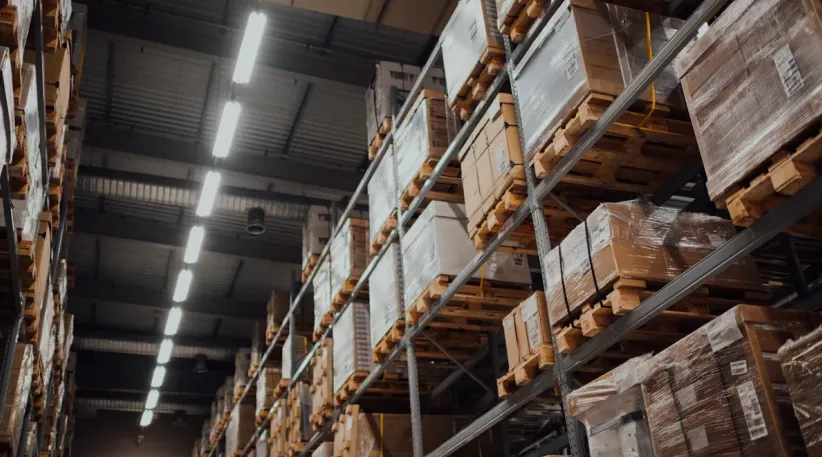
Third-party logistics providers help you save costs and optimize resources by leveraging their expertise and industry connections. They negotiate better shipping rates, reducing transportation expenses. Their efficient warehousing and inventory management systems lower storage costs and improve delivery speed. By outsourcing logistics, you avoid the high capital expenditures of maintaining in-house logistics systems. Instead, you transition to a variable cost model, enhancing your financial efficiency and profitability.
-
3PL services utilize economies of scale to offer competitive rates.
-
They streamline shipping operations, ensuring timely deliveries.
-
Outsourcing logistics services reduces overhead costs, allowing you to allocate resources to core business activities.
These benefits make third-party logistics an essential part of modern supply chains, helping businesses remain competitive in a cost-sensitive market.
Access to Expertise and Technology
A third-party logistics provider gives you access to advanced technology and specialized expertise. They use systems like Warehouse Management Systems (WMS) and Transportation Management Systems (TMS) to track shipments in real time and analyze data for better decision-making. Their years of experience and industry connections simplify complex logistics processes, improving operational efficiency.
|
Benefit |
Description |
|---|---|
|
Reduced costs |
Eliminates the need for warehouses, transport, and specialized personnel. |
|
Operational efficiency |
Optimizes inventory and reduces costs through sector knowledge and experience. |
|
Technology |
Provides access to advanced systems like WMS and TMS for real-time tracking and analysis. |
|
Expertise |
Offers industry insights and connections to streamline logistics operations. |
By partnering with a third-party logistics provider, you gain tools and knowledge that would otherwise require significant investments.
Flexibility and Scalability
3PL services provide the flexibility and scalability needed to adapt to changing market demands. Whether you face seasonal demand spikes or plan to expand into new markets, a third-party logistics provider can adjust operations to meet your needs. They handle order fulfillment efficiently, ensuring customer satisfaction even during peak periods.
-
90% of Fortune 500 companies use 3PL services to manage their supply chains.
-
Outsourcing logistics allows businesses to scale without investing in additional infrastructure.
-
Access to global markets enhances your ability to grow and compete internationally.
By leveraging third-party logistics, you can focus on your core business while ensuring your supply chain remains agile and responsive.
Enhanced focus on core business activities
Outsourcing logistics to a third-party logistics (3PL) provider lets you dedicate more time and energy to your core business activities. Managing logistics in-house often requires significant resources, including staff, infrastructure, and technology. By partnering with a 3PL provider, you can shift these responsibilities to experts, freeing up your team to focus on strategic goals.
Here’s how 3PL services help you concentrate on what matters most:
-
Reduced Operational Burden: You no longer need to oversee transportation, warehousing, or inventory management. This allows you to allocate resources to areas like marketing, sales, and customer service.
-
Improved Decision-Making: With logistics handled externally, you can focus on analyzing market trends and making informed decisions to grow your business.
-
Enhanced Productivity: Your team can work on projects that directly impact your bottom line instead of managing day-to-day logistics challenges.
For example, many e-commerce companies use 3PL providers to handle order fulfillment and returns. This enables them to focus on improving their online platforms and customer experience. Similarly, manufacturers often outsource logistics to streamline production processes and reduce downtime.
By outsourcing logistics, you gain more than just operational efficiency. You create opportunities to innovate and expand your business. This shift in focus can lead to higher profitability and long-term success.
Challenges of Using 3PL Services
Cost Implications
Using third-party logistics services can introduce financial challenges that impact your business operations. Freight expenses require accurate recording for effective financial planning. Without proper tracking, you risk mismanaging budgets and overlooking critical costs. Logistics costs also influence financial reporting and business metrics. Timely and precise postings improve your ability to analyze and plan effectively.
Optimizing freight movement reduces operating costs and frees up working capital for growth investments. However, external factors like tariffs and over-regulation can escalate costs. While outsourcing logistics saves time and money, relying on external partners introduces financial risks. For example, unexpected price hikes in transportation services or warehousing fees can strain your budget.
|
Evidence Description |
Financial Implication |
|---|---|
|
Accurate recording of freight expenses is essential for financial planning. |
Establishes a foundation for detailed data-based inquiry and decision-making. |
|
Logistics costs impact financial reporting and business metrics. |
Accuracy and timeliness of postings influence planning and analysis. |
|
Optimizations in freight movement reduce operating costs. |
Frees up working capital for growth investments, benefiting the balance sheet. |
|
Granularity of financial postings supports logistics optimization. |
Enhances overall enterprise efficiency and cost management. |
Investing in automated billing technologies can help you optimize cash flow management and reduce errors. Efficient billing systems enhance financial performance by capturing overlooked charges and minimizing risks.
Oversight and Control Issues
When you outsource logistics services to a third-party logistics provider, maintaining oversight and control becomes challenging. Facilities and warehouse management often face liability risks, especially when handling high-value goods. Negligent management can lead to security breaches or damaged inventory.
Disputes over contract interpretation are another common issue. These disagreements can result in liability claims and disrupt operations. Confidentiality concerns also arise when sensitive information is disclosed, even unintentionally. For example, a third-party logistics provider may face legal consequences for sharing proprietary data without proper authorization.
-
Facilities and Warehouse Management: Liability risks increase with negligent handling of goods.
-
Management of Contract Services: Disputes over contracts can lead to operational disruptions.
-
Confidentiality Claims: Unauthorized disclosure of sensitive information poses legal risks.
-
Negligent Hiring/Oversight Claims: Providers may be held accountable for the competence of subcontractors.
-
Delay Claims: Shipment delays can harm customer relationships and lead to financial losses.
To mitigate these risks, you must establish clear contracts and monitor your provider’s performance regularly.
Data Security Concerns
Data security remains a significant challenge when using 3PL services. Cyberattacks targeting third-party logistics providers can compromise sensitive customer and business information. For instance, AT&T experienced data breaches in 2024 that affected over 100 million accounts, resulting in a $370,000 ransom payment. Similarly, UnitedHealth Group faced a ransomware attack that disrupted healthcare billing systems and led to $22 million in financial losses.
Risk management challenges
Outsourcing logistics introduces risks that require careful management. You may face challenges such as delays, compliance issues, or disruptions in supply chains. These risks can impact your operations and customer satisfaction. Addressing them effectively ensures your logistics outsourcing remains beneficial.
One way to manage risks is through compliance audits. These audits check if your logistics provider meets regulatory and contractual obligations. Regular audits help identify risks early and align processes with industry standards.
|
Metric |
Description |
Purpose |
|---|---|---|
|
Compliance Audits |
Regular checks to ensure vendors meet regulatory and contractual obligations |
Identify risks and enhance governance to align processes with standards. |
Open communication plays a key role in risk management. When you maintain transparency with your logistics provider, it becomes easier to address issues. Clear goals also help both parties understand their responsibilities, reducing misunderstandings and improving collaboration.
To mitigate uncertainties, you can use strategies like maintaining safety stock or pooling inventory. These approaches reduce the impact of supply chain disruptions. Contract and hedging strategies also help manage risks related to fluctuating lead times, prices, and demand. For example, hedging agreements can protect your business from unexpected price hikes in transportation or warehousing services.
Risk management requires proactive measures. You should monitor your provider’s performance regularly and establish contingency plans for potential disruptions. By doing so, you can minimize risks and ensure your supply chain remains resilient.
Choosing the Right 3PL Provider
Identifying Business Needs
Selecting the right third-party logistics provider begins with understanding your business requirements. A step-by-step evaluation ensures you identify the best fit for your operations. Start by gathering information about potential providers. Next, compile a shortlist of candidates that align with your goals. Define clear evaluation criteria, such as quality, cost, capacity, and delivery capability. Finally, conduct interviews to assess compatibility and expertise.
Tip: Prioritize providers that demonstrate a strong understanding of your industry and offer tailored solutions.
By following this structured approach, you can ensure the provider meets your specific logistics needs, whether it’s transportation services, warehousing, or order fulfillment.
Evaluating Technology Capabilities
Technology plays a critical role in modern logistics. A third-party logistics provider should offer advanced systems that integrate seamlessly with your existing infrastructure. Look for features like real-time tracking, inventory management software, and data analytics tools. These capabilities enhance visibility and streamline operations.
|
Critical Dimension |
Description |
|---|---|
|
Technology Integration |
Ensure the provider’s systems, such as inventory management software, work seamlessly with yours. |
|
Operational Efficiency |
Advanced tools should optimize processes and reduce errors. |
|
Scalability |
The technology should support your business growth and adapt to changing demands. |
A provider with robust technology ensures your supply chain remains efficient and competitive.
Reviewing Provider Performance
Evaluating a provider’s past performance helps you gauge their reliability. Key metrics include inventory accuracy, on-time delivery, and order fulfillment cycle time. These benchmarks reveal how well the provider manages logistics operations and maintains efficiency.
-
Inventory accuracy and shrinkage
-
On-time delivery rates
-
Order accuracy and fulfillment cycle time
-
Dock-to-stock and return processing times
-
Cost per unit shipped
These metrics provide valuable insights into the provider’s capabilities. A proven track record of success indicates their ability to handle your logistics needs effectively.
Ensuring cultural alignment
Cultural alignment plays a vital role when selecting a logistics partner. A 3pl provider that shares your values and business philosophy can enhance collaboration and ensure long-term success. Misaligned cultures, on the other hand, may lead to communication breakdowns and operational inefficiencies.
When evaluating potential partners, consider their environmental, social, and corporate governance (ESG) practices. These practices reflect their commitment to sustainability and ethical operations. A case study highlights the importance of cultural fit in logistics partnerships. It shows that organizations achieve better results when they align with providers who prioritize ESG values. The study also reveals that the provider with the highest ESG score secured the contract, demonstrating the significance of shared values.
-
Selecting providers based on ESG practices fosters value alignment.
-
Effective collaboration becomes easier when cultural alignment exists.
-
Sustainability goals are more achievable with like-minded partners.
Cultural alignment also impacts how well a provider integrates into your operations. A partner who understands your company’s goals and work culture can adapt more effectively. This leads to smoother communication, faster problem-solving, and stronger relationships. For example, a provider that values transparency will likely share updates proactively, keeping you informed at every stage.
To ensure cultural alignment, assess the provider’s mission, values, and work ethic during the selection process. Look for signs of compatibility, such as shared priorities or similar approaches to customer service. By choosing a partner who aligns with your culture, you create a foundation for a successful and sustainable partnership.
Third-party logistics has become a cornerstone of modern supply chains, offering businesses the ability to streamline operations, reduce costs, and scale efficiently. Studies, such as those by Cheng & Tongzon (2020) and See-Kwong et al. (2017), highlight how outsourcing logistics drives profitability and operational efficiency. However, challenges like data security and oversight require careful management.
To maximize the benefits, you should evaluate potential 3PL providers based on their technology, performance metrics, and cultural alignment. By doing so, you can ensure your logistics operations remain agile, cost-effective, and aligned with your business goals.
FAQ
What is the main difference between 3PL and 4PL providers?
3PL providers handle logistics operations like transportation and warehousing. 4PL providers oversee the entire supply chain, often managing multiple 3PLs. If you need operational support, choose 3PL. For strategic oversight, 4PL is better.
How do 3PL services improve cost efficiency?
3PL providers negotiate better shipping rates and optimize logistics processes. They reduce overhead costs by managing warehousing and transportation, allowing you to focus on core business activities without heavy investments.
Can small businesses benefit from 3PL services?
Yes, small businesses can scale operations and access advanced logistics technologies through 3PL providers. This helps them compete with larger companies without needing significant infrastructure investments.
How do 3PL providers ensure data security?
Reputable 3PL providers use advanced cybersecurity measures like encryption and regular audits. They also comply with data protection regulations to safeguard sensitive business and customer information.
What should you consider when choosing a 3PL provider?
Evaluate their technology capabilities, industry expertise, and performance metrics. Ensure they align with your business goals and values. Reviewing their track record and customer reviews can also help you make an informed decision.
Related content