
The Evolution of Air Express: From Mail to Modern Logistics
Author:XTransfer2025.08.29Air Express Bill
Air express services have transformed how you experience global logistics. What began as simple mail delivery has grown into a powerful system for the movement of goods across the world. This evolution has been driven by the increasing demand for speed and efficiency in air transport. By 2025, the volume of goods transported through air is expected to reach 241.68 billion ton-kilometers (TKM), with transportation intensity projected at 0.43 TKM per GDP. The introduction of the Air Express Bill marked a turning point, enabling faster and more reliable shipping. Today, air express connects businesses and consumers, shaping global trade and commerce.
The Origins of Air Express
Early Air Mail Services and Their Role in Aviation
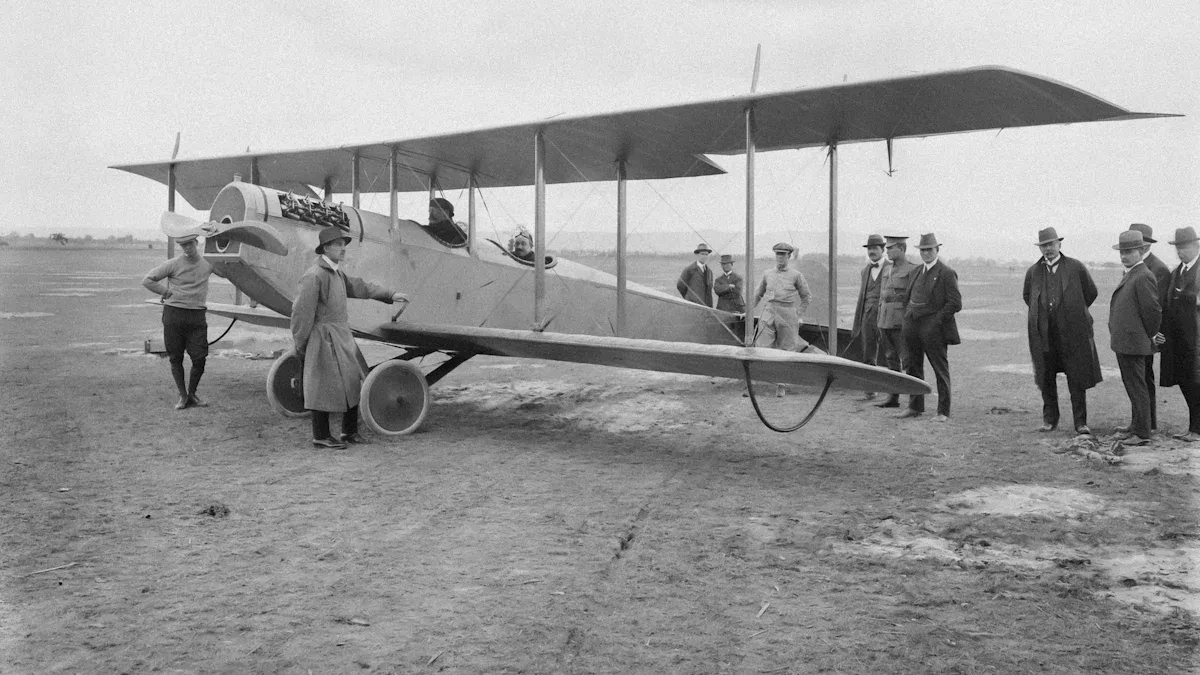
You might be surprised to learn that the roots of air express services lie in the early air mail system. In the United States, the U.S. Postal Office pioneered air mail routes, initially relying on military pilots to deliver mail across the country. This initiative not only revolutionized communication but also laid the foundation for commercial aviation. The Contract Air Mail Act of 1925 played a crucial role in this transformation. By allowing private airlines to handle mail delivery, the act fostered innovation and growth in the aviation industry. The Air Commerce Act of 1926 further strengthened this progress by creating a legal framework for airlines to operate efficiently. These developments marked the beginning of a new era in logistics, where air transportation became a reliable and fast option for moving goods.
The First Air Express Bill and Scheduled Services
The introduction of the air express bill was a game-changer in the history of logistics. This document standardized the process of shipping goods via air, ensuring faster and more reliable delivery. Scheduled services soon followed, allowing businesses to plan shipments with greater precision. You can imagine how this innovation transformed industries that relied on timely deliveries, such as manufacturing and retail. The air express bill not only improved efficiency but also boosted confidence in air transportation as a viable option for cargo.
Transitioning from Mail to Cargo Transportation
The shift from air mail to cargo transportation marked a significant milestone in the evolution of the air express industry. Several factors contributed to this transition:
-
Around 80% of international e-commerce transactions now depend on air transportation, highlighting the growing importance of air freight.
-
Innovations like Delta Cargo's DeliverDirect service demonstrate how air freight adapts to meet the demands of e-commerce.
-
Technological advancements have streamlined booking and shipment processes, making air freight more efficient than ever.
-
Cross-border trade activities continue to rise. For example, Shenzhen Bao'an International Airport handled 93,000 tons of international e-commerce cargo in just seven months of 2023, a 101% increase compared to the previous year.
These developments show how air express services evolved from a simple air mail system into a sophisticated logistics solution. Today, air freight plays a vital role in connecting businesses and consumers across the globe.
Key Milestones in the Evolution of the Air Express Industry
The First Air Freight Shipment and Its Significance
The history of air freight transportation began with a groundbreaking event in 1910. Philip Parmelee piloted a cargo-only plane carrying 200 pounds of silk from Dayton to Columbus, covering a distance of 65 miles in less than an hour. This flight set a world speed record at the time and demonstrated the unmatched efficiency of air freight shipping compared to traditional methods.
This milestone marked the commercialization of air freight, proving its potential for transporting goods quickly and reliably. The shipment highlighted the advantages of air cargo over other freight services, laying the foundation for modern air freight transportation. By showcasing the speed and practicality of air freight shipping, this event paved the way for the development of commercial aviation as a viable logistics solution.
The Impact of World War II on Air Express Growth
World War II played a pivotal role in accelerating air cargo growth. Military cargo aircraft became essential for transporting supplies, equipment, and personnel across continents. The war effort demanded innovations in air freight transportation, leading to the development of larger planes with greater capacity.
During this period, air mail services expanded significantly, as governments relied on air freight shipping to maintain communication and supply chains. The introduction of jet engines in the 1950s further enhanced the efficiency of air cargo, enabling faster and more reliable deliveries. These advancements transformed air freight into a critical component of global logistics, setting the stage for its post-war commercialization.
The Emergence of Major Players: FedEx, UPS, and DHL
The 1990s marked a turning point in the history of air freight transportation with the rise of express package services. Companies like FedEx, UPS, and DHL revolutionized the industry by offering reliable and efficient freight services for global trade.
FedEx pioneered the hub-and-spoke model, optimizing air cargo operations and ensuring faster deliveries. UPS focused on integrating technology into its logistics network, enhancing tracking and shipment management. DHL expanded its reach by establishing a strong presence in international markets, connecting businesses across borders.
Here’s a snapshot of their market performance in recent years:
|
Company |
2024 Packages (in billions) |
Year-over-Year Change |
Revenue (in billions) |
Year-over-Year Revenue Change |
|
USPS |
7.2 |
N/A |
32.5 |
N/A |
|
Amazon Logistics |
6.1 |
+258% |
34.7 |
N/A |
|
UPS |
4.8 |
Flat |
59.8 |
+4.1% |
|
FedEx |
3.4 |
-2.9% |
48.2 |
N/A |
|
Other Carriers |
2.3 |
+44% |
13 |
+48% |
These companies continue to shape the air freight industry, driving innovation and efficiency in air freight shipping. Their contributions underscore the importance of air cargo in connecting businesses and consumers worldwide.
Technological and Regulatory Advancements
The Introduction of Wide-Bodied Jets and Increased Capacity
Wide-bodied jets revolutionized air freight by increasing cargo capacity and efficiency. These aircraft, with their larger fuselages, allowed airlines to transport more goods in a single flight. Approximately 45% of air freight travels in the belly of passenger planes, showcasing the importance of these jets in the system. However, the COVID-19 pandemic disrupted this balance. Passenger traffic plummeted, removing about 75% of air freight capacity from the market. Recovery has been uneven, especially for international routes, as wide-bodied jets returned slower than domestic flights.
The history of wide-bodied jets highlights their critical role in air freight services. Their introduction not only boosted capacity but also improved the reliability of the system. As passenger traffic continues to recover, these jets will remain vital for supporting global trade and logistics.
Containerization and Standardized Cargo Handling
Containerization transformed air freight by introducing standardized methods for cargo handling. This innovation simplified the system, reducing loading times and improving efficiency. You can see its impact in the seamless movement of goods across borders. Containers protect cargo during transit and ensure compatibility with various transportation modes, such as trucks and ships.
Standardized cargo handling also supports the growing demands of industries like e-commerce and healthcare. DHL’s recent investment of USD 220 million in healthcare logistics demonstrates how companies adapt to evolving needs. Governments, like Canada’s, are also investing in digital infrastructure to enhance supply chains. These advancements show how containerization and standardization continue to shape the air freight system.
The Hub-and-Spoke Model and Its Efficiency
The hub-and-spoke model optimizes air freight operations by centralizing cargo at major hubs before distributing it to smaller destinations. This system reduces costs and improves delivery times. FedEx pioneered this model, making it a cornerstone of modern logistics.
Efficiency reports validate the effectiveness of this approach. Integrated modeling frameworks evaluate transportation networks, while knowledge-based simulations test control rules for operations. Preliminary results from these evaluations highlight the model’s ability to streamline air freight services. By concentrating resources at hubs, airlines can handle larger volumes and ensure faster deliveries.
The hub-and-spoke system remains a key driver of efficiency in air freight. Its ability to adapt to changing demands makes it an essential part of the logistics industry.
Regulatory Changes and Global Trade Agreements
Regulatory changes have shaped the air express industry, making it more efficient and accessible. You might notice how governments and international organizations have worked together to create rules that simplify air cargo operations. These regulations ensure safety, standardize procedures, and promote fair competition among carriers.
One major milestone in the history of air freight was the establishment of the International Air Transport Association (IATA) in 1945. IATA introduced guidelines for air cargo handling, which improved coordination between airlines and freight companies. These rules helped streamline operations, making air mail and cargo transportation faster and more reliable.
Global trade agreements also play a crucial role in air express services. Agreements like the General Agreement on Tariffs and Trade (GATT) and its successor, the World Trade Organization (WTO), have reduced barriers to international trade. By lowering tariffs and simplifying customs procedures, these agreements have made it easier for businesses to ship goods across borders. You can see their impact in the growing volume of air freight shipments worldwide.
The Open Skies Agreement is another example of how regulatory changes have benefited air express. This agreement allows airlines to operate freely between participating countries, increasing competition and lowering costs. For you, this means faster deliveries and more affordable shipping options.
These advancements highlight the importance of collaboration in the air express industry. By working together, governments and organizations have created a system that connects businesses and consumers globally. As trade continues to expand, regulatory changes and agreements will remain essential for supporting the growth of air freight services.
The Modern Era of Air Express
E-Commerce and the Surge in Air Express Demand
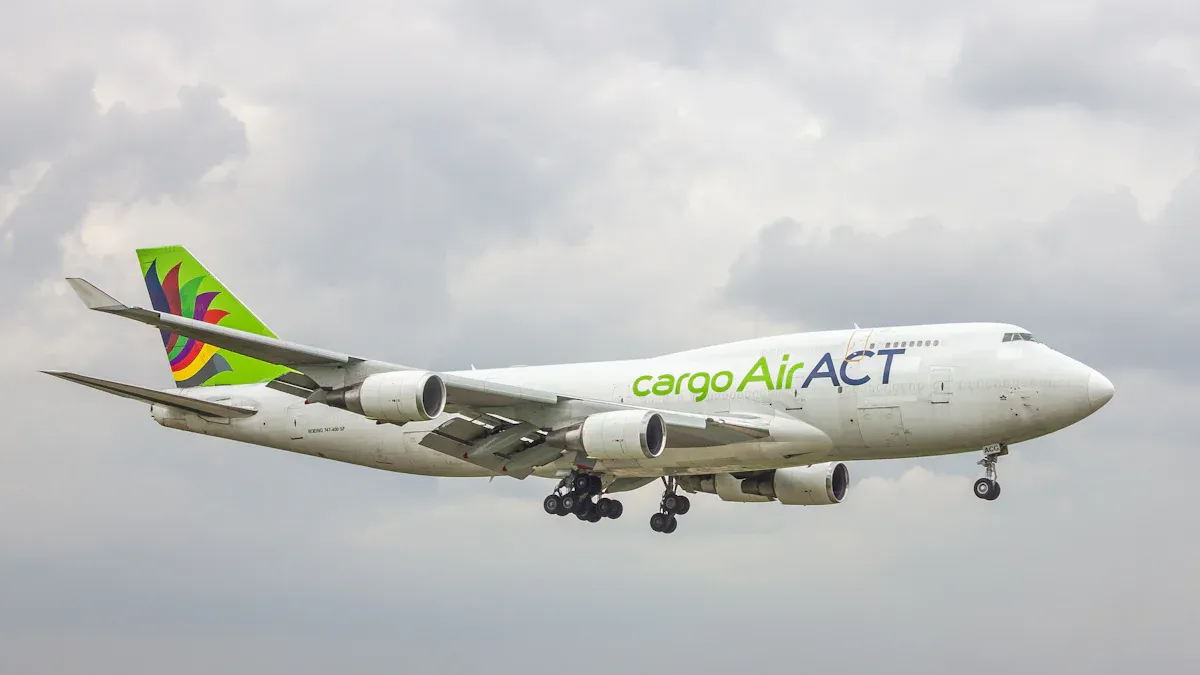
E-commerce has reshaped the air express industry, driving demand for faster and more reliable delivery solutions. You can see this impact in the numbers. In February 2023, year-on-year demand for air express packages grew by 4%, with a dynamic load factor of 59%. The average spot freight rate stood at $2.53 per kilogram, although rates from Shanghai to the U.S. dropped by 29%.
The surge in global e-commerce has fueled this growth, especially in domestic markets. The Express Delivery Market is projected to expand at a compound annual growth rate (CAGR) of over 6% through 2030. This growth highlights how e-commerce continues to shape the history of air express, making rapid delivery solutions essential for businesses and consumers alike.
Digitalization and Real-Time Tracking Technologies
Digitalization has revolutionized air mail and cargo operations, offering tools that improve efficiency and transparency. Real-time tracking technologies enhance visibility, allowing you to monitor shipments as they move through the supply chain. This capability ensures proactive problem-solving, minimizing delays and improving reliability.
|
Indicator |
Description |
|
Increased Visibility |
Enhances the ability to track shipments in real-time, improving operational transparency. |
|
Proactive Problem-Solving |
Enables quick responses to disruptions, minimizing delays and enhancing service reliability. |
|
Optimized Route Planning |
Uses data analytics to determine the most efficient routes, reducing costs and delivery times. |
|
Improved Resource Allocation |
Ensures better utilization of assets, leading to cost savings and increased efficiency. |
|
Enhanced Customer Satisfaction |
Provides customers with real-time updates, improving their overall experience and loyalty. |
These advancements optimize route planning and resource allocation, reducing costs and delivery times. For you, this means faster deliveries and better service. Digitalization has become a cornerstone of modern air express, ensuring that businesses can meet the growing demands of global e-commerce.
Sustainability Trends and Green Logistics
Sustainability has become a key focus in air express, as companies work to reduce their environmental impact. Green logistics initiatives aim to minimize carbon emissions and promote eco-friendly practices. Airlines are adopting fuel-efficient aircraft and exploring alternative energy sources, such as biofuels.
You might notice how companies like DHL are investing in electric vehicles and carbon-neutral facilities to support sustainable operations. These efforts align with broader industry goals to achieve net-zero emissions by 2050. Green logistics not only benefits the environment but also enhances the reputation of air express providers, making them more appealing to eco-conscious consumers.
Sustainability trends are shaping the future of air express, ensuring that the industry can grow responsibly while meeting the needs of businesses and consumers worldwide.
The Future of Air Express: Automation and AI
Automation and artificial intelligence (AI) are transforming the air express industry, making logistics faster, smarter, and more efficient. You can already see how these technologies are reshaping operations, from automated sorting systems to AI-driven route optimization. These advancements reduce human error, improve delivery times, and lower costs, creating a more reliable logistics network.
AI plays a crucial role in predicting demand and managing resources. Machine learning algorithms analyze historical data to forecast shipment volumes, helping airlines allocate cargo space effectively. For example, AI can identify patterns in air mail and cargo movements, ensuring that planes operate at maximum capacity. This predictive capability enhances efficiency and minimizes waste, benefiting both businesses and consumers.
Automation also streamlines physical logistics. Robots handle tasks like loading and unloading cargo, speeding up processes and reducing labor costs. You might notice how companies like Amazon and Alibaba invest heavily in automation to stay competitive. Digital startups such as uShip and Delive introduce innovative platforms that connect shippers and carriers, further enhancing logistics efficiency.
The interplay of technological innovations, regulatory changes, and e-commerce growth drives modern logistics forward. Here’s a comparative analysis:
|
Aspect |
Description |
|
Impact of Logistics |
Modern logistics expands economic radiation, boosting regional development. |
|
Efficiency Factors |
Faster physical logistics improve operational efficiency and reach. |
|
Economic Interaction |
Logistics fosters inter-regional demand and supply growth. |
These advancements highlight the importance of adapting to a rapidly evolving market. Logistics providers must improve their value propositions to remain competitive.
As automation and AI continue to evolve, the air express industry will become even more dynamic. You can expect smarter systems that optimize every aspect of logistics, from tracking shipments to managing global supply chains. This transformation ensures that air express remains a vital part of modern commerce, connecting businesses and consumers worldwide.
The history of air express reveals its remarkable transformation from air mail services to a cornerstone of global logistics. You can see how technological innovations, such as wide-bodied jets and digital tracking, have revolutionized the industry. Regulatory changes and the rise of e-commerce have further fueled its growth, making air express indispensable for modern trade. As global commerce expands, air express will continue to connect businesses and consumers, ensuring faster and more reliable deliveries worldwide.
FAQ
What is the history of air express services?
Air express services began with air mail in the early 20th century. Over time, they evolved into a global logistics system, connecting businesses and consumers worldwide. This transformation highlights the industry's role in modern trade.
How does air mail differ from air freight?
Air mail focuses on delivering letters and small packages, while air freight handles larger cargo shipments. Both play vital roles in logistics, but air freight supports industries requiring bulk transportation.
Why is air express important for e-commerce?
Air express ensures fast delivery, which is crucial for e-commerce businesses. It allows you to receive products quickly, meeting the growing demand for convenience in online shopping.
How has technology improved air express services?
Technology introduced real-time tracking, automation, and AI-driven systems. These advancements optimize delivery routes, reduce delays, and enhance your overall shipping experience.
What are the environmental challenges of air express?
Air express relies on fuel-intensive aircraft, contributing to carbon emissions. Companies now invest in green logistics, such as fuel-efficient planes and alternative energy, to reduce their environmental impact.
Related content