
The Essential Role of SWIFT Code PNCCUS33 in Banking Today
Author:XTransfer2025.06.12PNCCUS33
The SWIFT Code PNCCUS33 serves as the unique identifier for PNC Bank in global financial transactions. You can think of it as a digital address that ensures your international payments reach the correct destination. This code plays a vital role in making cross-border transfers secure, accurate, and efficient. It connects PNC Bank to the global SWIFT network, which allows banks worldwide to communicate seamlessly. Whether you're sending or receiving funds internationally, this code ensures every transaction is processed smoothly and without errors.
What Is a SWIFT Code?
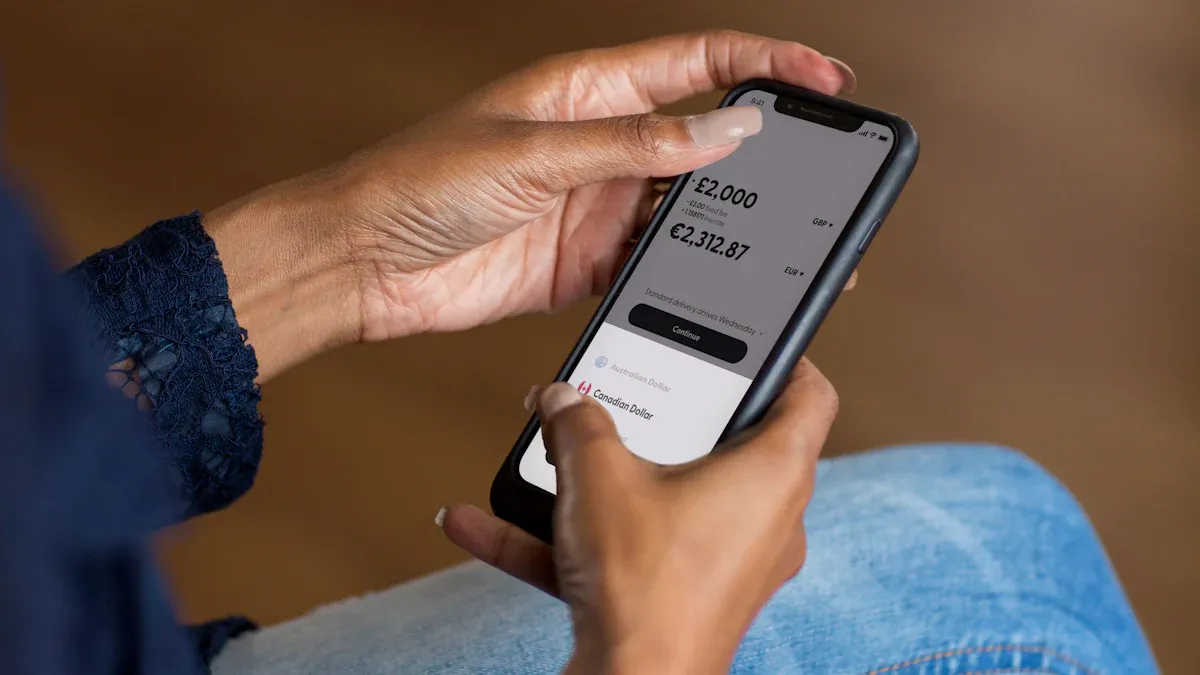
Definition and Purpose of SWIFT Codes
A SWIFT code, also known as a Bank Identifier Code (BIC), is a unique identifier used by banks and financial institutions worldwide. It acts like a digital address, ensuring that your international payments reach the correct destination. Introduced in the 1970s by the Society for Worldwide Interbank Financial Telecommunication (SWIFT), these codes were designed to create a secure and standardized messaging system for global financial transactions.
Each SWIFT code consists of 8 to 11 characters that provide specific details about the bank. For example, the first four characters represent the bank, the next two indicate the country, and the following two specify the location. If included, the last three characters identify a particular branch. This structure ensures that every transaction is routed accurately and efficiently.
How SWIFT Codes Enable International Transactions
SWIFT codes play a critical role in facilitating international transactions. They standardize communication between financial institutions, reducing errors and delays. When you initiate a cross-border payment, the SWIFT code ensures that the message containing your transaction details is securely transmitted to the recipient's bank.
The SWIFT network connects over 11,000 financial institutions across more than 200 countries. It processes an average of 42 million messages daily, highlighting its importance in global banking. By using SWIFT codes, banks can enhance compliance efforts, streamline digital transactions, and improve the efficiency of business-to-business payments. This system also provides a secure platform, minimizing the risks of fraud and cyber threats.
Structure of a SWIFT Code (Example Breakdown)
Understanding the structure of a SWIFT code can help you use it effectively. Each code is divided into four components:
-
Bank Code: The first four characters represent the bank's name. For example, "HSBC" identifies HSBC Bank.
-
Country Code: The next two characters indicate the country. For instance, "US" stands for the United States.
-
Location Code: The following two characters specify the bank's head office location. For example, "33" might represent New York.
-
Branch Code: The last three characters (optional) denote a specific branch, such as "XXX" for the main branch.
Here’s a breakdown in table format for clarity:
|
Component |
Description |
Example |
|
Bank Code |
4 characters representing the bank's name |
HSBC |
|
Country Code |
2 characters indicating the country |
US |
|
Location Code |
2 characters specifying the bank's head office |
33 |
|
Branch Code |
3 characters (optional) for a specific branch |
XXX (optional) |
This structure ensures that SWIFT transfers are accurate and efficient, making them a cornerstone of international banking.
Understanding SWIFT Code PNCCUS33
What PNCCUS33 Represents
The SWIFT code PNCCUS33 is more than just a series of letters and numbers. It serves as the unique identifier for PNC Bank in the global financial system. Each part of this code carries specific information. "PNCC" represents PNC Bank, "US" indicates the United States, and "33" points to the bank's primary location. This structure ensures that every transaction involving PNC Bank is routed accurately.
When you use PNCCUS33, you are essentially providing a digital address for PNC Bank. This ensures that your international payments reach the correct destination without delays or errors. Whether you are sending funds to a business partner or receiving money transfers from abroad, this code plays a critical role in making the process seamless.
Connection to PNC Bank
PNCCUS33 directly links to PNC Bank, one of the largest financial institutions in the United States. This connection allows PNC Bank to participate in the SWIFT network, which facilitates secure communication between banks worldwide. By using this code, you enable PNC Bank to identify itself in the global banking system and process your transactions efficiently.
PNC Bank relies on PNCCUS33 to handle international transactions with precision. This code ensures that the bank can send and receive messages related to payments, account details, and other financial activities. Without this unique identifier, PNC Bank would face challenges in maintaining its role in the global financial ecosystem.
Role in International Transactions
PNCCUS33 plays a vital role in international transactions. It ensures that your money reaches its intended recipient without complications. When you transfer money internationally, the SWIFT code PNCCUS33 acts as a guide, directing your funds to PNC Bank and ensuring they are processed correctly.
This code also enhances the security of international payments. The SWIFT network uses advanced encryption methods to protect your transaction details. By using PNCCUS33, you can trust that your funds are handled securely and efficiently. Additionally, this code minimizes errors, reducing the risk of delays or misrouted payments.
In the world of swift transfers, PNCCUS33 stands out as a reliable tool. It simplifies the process of sending and receiving funds across borders, making it easier for individuals and businesses to manage their financial needs. Whether you are paying for goods, supporting family members abroad, or conducting business transactions, this code ensures a smooth experience.
Why SWIFT Code PNCCUS33 Is Essential
Ensuring Secure and Accurate Transfers
When you transfer money internationally, security and accuracy are critical. The SWIFT code PNCCUS33 ensures that your funds reach the correct destination without errors. It acts as a unique identifier for PNC Bank, guiding your transaction through the global SWIFT network. This network uses advanced encryption to protect your financial information. As a result, you can trust that your international payments are safe from fraud or cyber threats.
The SWIFT system also minimizes mistakes. Each SWIFT code contains specific details about the bank and its location. This precision ensures that your money transfers are routed correctly. By using PNCCUS33, you reduce the risk of delays or misdirected payments. This makes the process both secure and reliable.
Avoiding Errors in Cross-Border Payments
Errors in cross-border payments can cause significant delays. They may even result in lost funds. The SWIFT code PNCCUS33 helps you avoid these issues. It provides clear instructions to financial institutions involved in the transaction. This clarity ensures that your payment reaches the intended recipient without complications.
For example, if you send money to a business partner overseas, the SWIFT code ensures that the payment is processed accurately. Without it, banks might struggle to identify the correct destination. This could lead to unnecessary delays or additional fees. Using PNCCUS33 eliminates these risks, making your international payments smoother.
Facilitating Smooth International Transactions
The SWIFT code PNCCUS33 plays a vital role in simplifying international transactions. It connects PNC Bank to the global SWIFT network, which links over 11,000 financial institutions worldwide. This connection allows you to transfer money internationally with ease.
When you use PNCCUS33, the SWIFT system handles the communication between banks. It ensures that your transaction details are transmitted securely and efficiently. This reduces the time it takes to complete your payment. Whether you are sending money to family abroad or paying for goods from another country, PNCCUS33 ensures a seamless experience.
By relying on this SWIFT code, you can focus on your financial goals without worrying about errors or delays. It provides a reliable way to manage your international payments, making global banking more accessible.
How to Use SWIFT Code PNCCUS33
Where to Input the Code During Transactions
When making international payments, you must input the SWIFT code PNCCUS33 in the designated field provided by your bank or payment platform. This field is typically labeled as "SWIFT/BIC Code" or "Bank Identifier Code." You will encounter it during the process of filling out the recipient's banking details. Ensure you enter the code accurately, as even a small mistake can delay your transaction or send funds to the wrong destination.
For wire transfers, the SWIFT code PNCCUS33 is essential. It directs your payment to PNC Bank, ensuring the funds reach the correct account. If you are using online banking, the system will guide you step-by-step. However, if you are completing the transaction in person at a bank branch, you can provide the code to the bank representative, who will handle the rest.
Tips for Finding SWIFT Code PNCCUS33
Locating the SWIFT code PNCCUS33 is straightforward. You can find it on PNC Bank's official website or in the bank's documentation, such as account statements or wire transfer instructions. Many financial institutions also provide this information through their customer service channels. If you are unsure, contacting PNC Bank directly is a reliable way to confirm the code.
Another option is to check with the sender or recipient of the funds. They may already have the SWIFT code on hand, especially if they have completed similar transactions in the past. Keeping a record of the code for future use can also simplify the process.
Using XTransfer to Locate SWIFT Codes
If you need to find SWIFT codes for PNC Bank or any other financial institution, XTransfer offers a convenient solution. This platform provides a comprehensive database of SWIFT codes from banks worldwide. By entering the bank's name and location, you can quickly retrieve the correct code for your transaction.
XTransfer simplifies how to make international money transfer by ensuring you have accurate information at your fingertips. It eliminates the guesswork and reduces the risk of errors in your money transfers. Whether you are sending funds to a business partner or paying for goods overseas, XTransfer ensures you have the right SWIFT code to complete your transaction efficiently.
Security and Reliability of SWIFT Code PNCCUS33

How SWIFT Ensures Transaction Security
SWIFT employs robust security measures to protect international payments and ensure the reliability of its network. These measures include encryption, secure communication protocols, and compliance with global standards. By using SWIFT, you benefit from a system designed to safeguard your financial information during money transfers.
Here’s a breakdown of SWIFT’s security protocols:
|
Security Protocols |
Description |
|
End-to-End Encryption |
Strong encryption standards (such as AES-256) to secure communication between SWIFT endpoints. |
|
Transport Layer Security (TLS) |
Use of the latest version of TLS for secure communication channels. |
|
Digital Certificates |
Management of digital certificates to authenticate network devices and secure connections. |
|
Continuous Monitoring |
Automated tools for real-time alerts on suspicious activities. |
|
Scheduled Security Audits |
Regular internal and external audits to evaluate compliance with security standards. |
|
Incident Response Plan |
Protocols for responding to and recovering from security breaches. |
|
Regular Drills and Simulations |
Periodic exercises to evaluate the effectiveness of the incident response. |
|
Backup and Recovery |
Automated backup systems and disaster recovery plans for rapid restoration. |
|
Compliance with ISO/IEC 27001 |
Adherence to international standards for information security management systems. |
|
Compliance with PCI DSS |
Protection of cardholder data during and after financial transactions. |
|
Compliance with GDPR |
Mandates data protection and privacy for individuals in the EU. |
|
Local Financial Regulatory Guidelines |
Specific security and compliance requirements dictated by regional and national guidelines. |
These protocols ensure that SWIFT transactions remain secure, even in the face of evolving cyber threats.
Measures Taken by PNC Bank for Safe Transfers
PNC Bank complements SWIFT’s security measures with its own protocols to protect your international payments. The bank uses advanced encryption technologies to secure transaction data and prevent unauthorized access. It also conducts regular audits to ensure compliance with industry standards.
PNC Bank’s fraud detection systems monitor transactions for unusual activity. If suspicious behavior is detected, the bank takes immediate action to protect your funds. Additionally, PNC Bank provides customer support to help you resolve any issues related to money transfers. These measures ensure that your transactions with PNC Bank are both safe and reliable.
Importance of Trusted Platforms Like XTransfer
Platforms like XTransfer play a crucial role in simplifying the process of finding SWIFT codes. By providing accurate and up-to-date information, XTransfer helps you avoid errors in your transactions. This reliability ensures that your international payments are processed efficiently.
XTransfer’s database covers SWIFT codes for banks worldwide, including PNC Bank’s PNCCUS33. When you use XTransfer, you gain access to a trusted resource that enhances the security and accuracy of your money transfers. This makes it easier for you to manage your financial needs across borders.
The SWIFT Code PNCCUS33 is essential for international banking. It ensures your transactions are secure, accurate, and efficient. By using this code, you can trust that your payments will reach the correct destination without errors. Its role in connecting PNC Bank to the global financial network makes it a reliable tool for cross-border transfers.
You can confidently use PNCCUS33 for your international payments. If you need help finding SWIFT codes, platforms like XTransfer provide accurate and up-to-date information, simplifying your banking experience.
FAQ
What is the purpose of a SWIFT code in banking?
A SWIFT code ensures your international payments reach the correct bank. It acts as a unique identifier, guiding your transaction through the global SWIFT network. Without it, banks cannot process cross-border payments accurately.
Can I use PNCCUS33 for all PNC Bank branches?
Yes, PNCCUS33 represents PNC Bank's main office. For most international transactions, this code works. However, some branches may have specific SWIFT codes. Always confirm with your bank before proceeding.
Where can I find the SWIFT code for my bank?
You can find your bank's SWIFT code on its official website, account statements, or by contacting customer service. Alternatively, platforms like XTransfer provide a reliable database of SWIFT codes worldwide.
Is it safe to use SWIFT codes for international payments?
Yes, SWIFT codes are secure. The SWIFT network uses encryption and strict protocols to protect your transaction details. When you use a SWIFT code like PNCCUS33, your payment is routed safely to its destination.
What happens if I enter the wrong SWIFT code?
Entering the wrong SWIFT code may delay your payment or send it to the wrong bank. Double-check the code before confirming your transaction to avoid errors. If a mistake occurs, contact your bank immediately for assistance.
Related content