
Streamlining Cross-Border E-Commerce Payments in 2025
Author:XTransfer2025.09.05Cross-Border E-Commerce
Cross-border e-commerce continues to expand rapidly, driving global trade and transforming how businesses operate. The global cross-border payment flow is projected to reach $222.1 billion by 2025, emphasizing the growing need for efficient solutions. Businesses face payment bottlenecks, including high transaction costs and complex currency conversions, which hinder smooth operations. Effective payment processing and secure payment gateways are essential for global payments to succeed. Leveraging advanced payment infrastructure, such as XTransfer, helps you overcome these challenges and ensures you get paid efficiently in international e-commerce markets.
Understanding Cross-Border E-Commerce Payments
What Are Cross-Border Payments
Cross-border payments refer to financial transactions where the payer and the recipient are located in different countries. These transactions are essential for global trade and e-commerce, enabling businesses to sell products and services internationally. Whether you are purchasing goods from an overseas supplier or selling to international customers, cross-border payments ensure that money flows seamlessly across borders. They often involve currency conversions, payment gateways, and compliance with local regulations.
Importance in Cross-Border E-Commerce
Cross-border ecommerce thrives on the ability to process payments efficiently. Offering localized payment options builds trust with international customers and improves conversion rates. For instance, shoppers are more likely to complete a purchase if they can pay in their local currency or use familiar payment methods. Supporting these preferences can significantly reduce cart abandonment rates. In fact, up to 13% of shoppers abandon their carts when local payment options are unavailable. Additionally, intelligent routing of transactions can increase approval rates by as much as 17%, ensuring smoother operations for your business.
The importance of cross-border payments extends beyond customer satisfaction. As global trade grows, businesses must adopt efficient payment solutions to remain competitive. Swift payment systems, for example, process an average of 45 million transactions daily, highlighting the scale of cross-border commerce. By addressing challenges like slow speeds and high costs, businesses can unlock new opportunities in international markets.
Current Limitations in Payment Systems
Despite their importance, traditional payment systems face several limitations. High transaction fees and currency conversion costs can eat into your profits. Slow processing times and a lack of transparency often frustrate both businesses and customers. Additionally, navigating the complex regulatory landscape of cross-border payments can be daunting. These inefficiencies make it harder for businesses to scale globally. Adopting modern solutions, such as real-time payment systems and advanced payment gateways, can help overcome these challenges and streamline your operations.
Challenges in Cross-Border Payments
High Costs and Currency Conversion Issues
High costs remain one of the most significant hurdles in cross-border payments. When you process international transactions, fees from intermediaries and currency conversion charges can quickly add up. These expenses reduce profitability and create barriers for smaller businesses trying to compete globally. For example, research shows that elevated costs, such as a $1,000 increase in net expenses, can significantly impact decision-making and operational persistence. While this study focuses on education, the principle applies to businesses as well—higher costs can deter growth and lead to inefficiencies.
Currency conversion adds another layer of complexity. Exchange rates fluctuate constantly, making it difficult to predict costs and manage cash flow effectively. If you rely on traditional banking systems, you may face hidden fees and unfavorable rates, further complicating your financial planning. To overcome these challenges, adopting solutions like intelligent routing and fintech platforms can help optimize costs and streamline your payment processes.
Fraud and Security Concerns
Fraud and security risks are heightened in cross-border payments due to the involvement of multiple players, jurisdictions, and systems. Cybercriminals often exploit these complexities, targeting vulnerabilities in payment gateways and transaction processes. Statistics reveal that 80% of organizations seek assistance from banking partners to mitigate payment fraud. This underscores the importance of robust security measures.
The evolving nature of cross-border ecommerce increases cybersecurity risks. Fraudsters leverage the lack of transparency and traceability in traditional systems to carry out unauthorized transactions. As a business, you must prioritize fraud prevention by investing in advanced technologies like AI and machine learning. These tools can analyze transaction patterns, detect anomalies, and prevent fraudulent activities before they occur. Strengthening your security infrastructure not only protects your business but also builds trust with your global customers.
Regulatory Compliance Across Borders
Navigating regulatory compliance across multiple jurisdictions is a complex challenge for cross-border e-commerce businesses. Each country has its own legal framework, requiring you to conduct thorough due diligence and adhere to varying standards. Misinterpretation of legal documents due to cultural and language differences can lead to compliance failures, exposing your business to legal risks and financial penalties.
To address these challenges, fostering a compliance culture within your organization is essential. Regular training and communication ensure that your team understands the importance of adhering to regulations. Implementing automated compliance monitoring systems can help you stay ahead of requirements by generating real-time alerts and tracking trading activities. Leveraging technology, such as AI and analytics, further enhances your ability to detect anomalies and maintain compliance.
Additionally, you must manage data protection regulations, which vary significantly across countries. For example, understanding Standard Contractual Clauses (SCCs) and Binding Corporate Rules (BCRs) is critical when transferring data internationally. By investing in robust internal controls and staying informed about global regulatory changes, you can minimize risks and ensure smooth operations in cross-border payments.
Inefficiencies in Traditional Banking
Traditional banking systems often struggle to meet the demands of modern cross-border e-commerce. Their legacy infrastructure creates bottlenecks that slow down transactions and increase costs. These inefficiencies can hinder your ability to scale globally and compete effectively in international markets.
Slow Processing Times
Traditional banks rely on outdated systems that delay transaction processing. When you send payments across borders, these systems often require manual intervention, leading to longer wait times. For example, a wire transfer can take several days to complete, frustrating both you and your customers. Modern payment solutions, by contrast, offer faster transaction speeds, allowing you to process payments in real-time.
High Fees and Overhead Costs
Banks charge higher fees for cross-border transactions due to their reliance on physical infrastructure and intermediaries. These fees include currency conversion charges, transaction costs, and administrative expenses. If you’re a small business, these costs can significantly impact your profitability. Modern payment platforms reduce overhead costs by leveraging technology, offering you more cost-effective solutions.
Limited Adaptability
Traditional banks often struggle to adapt to the rapidly changing landscape of global commerce. Regulatory constraints and rigid processes make it difficult for them to innovate. As a result, they fail to provide the flexibility you need to navigate diverse markets. Modern payment solutions, on the other hand, use technology-driven services to offer greater adaptability and innovation.
Here’s a comparison to illustrate the inefficiencies of traditional banks versus modern payment solutions:
|
Aspect |
Traditional Banks |
Modern Payment Solutions |
|
Speed |
Slower processing times due to legacy systems |
Faster transaction times and instant payments |
|
Cost-effectiveness |
Higher fees due to physical infrastructure |
Lower fees due to reduced overhead costs |
|
Adaptability |
Slower to innovate due to regulatory constraints |
More agile and innovative with technology-driven services |
Lack of Transparency
Traditional banking systems often lack transparency in their processes. Hidden fees and unclear exchange rates can make it difficult for you to predict costs and manage cash flow effectively. Modern payment platforms prioritize transparency, providing you with clear pricing structures and real-time updates on transactions.
By understanding these inefficiencies, you can make informed decisions about adopting modern payment solutions. Platforms like XTransfer help you overcome these challenges, ensuring smoother and more cost-effective cross-border transactions.
Innovations Transforming Cross-Border Payments
Blockchain and Digital Currencies
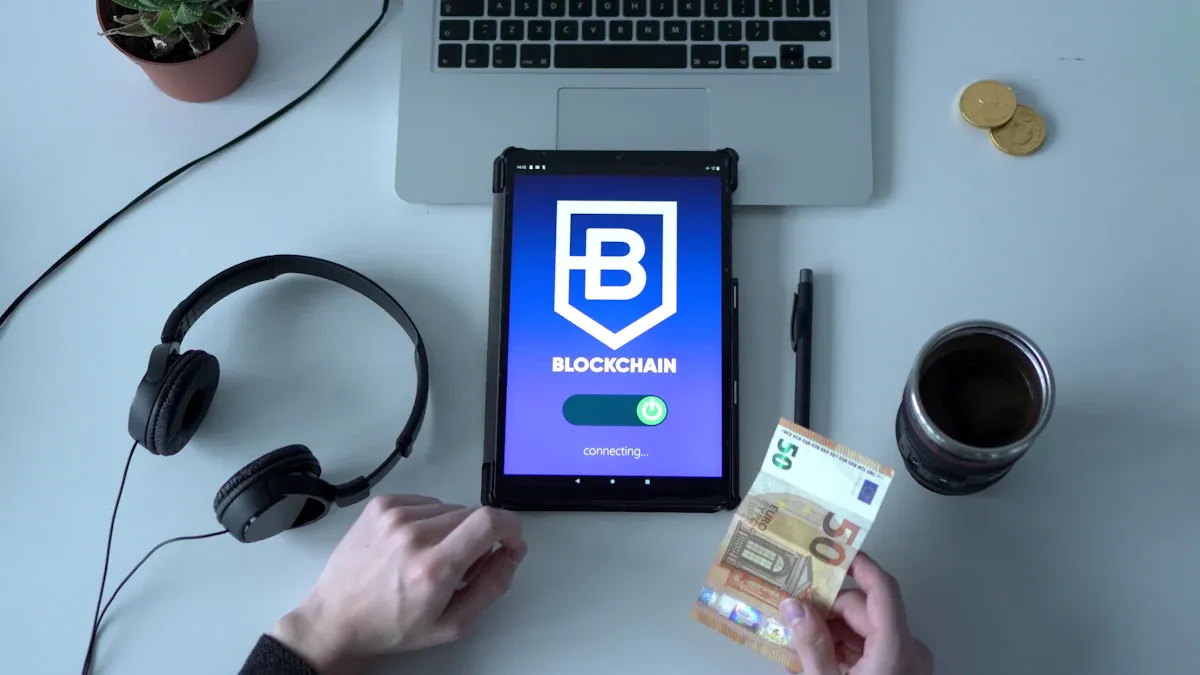
Blockchain technology is revolutionizing cross-border payments by offering faster, more secure, and cost-effective solutions. Unlike traditional banking systems, blockchain eliminates intermediaries, reducing transaction times from days to mere hours. This innovation ensures that your payments reach their destination quickly, improving cash flow and customer satisfaction.
Digital currencies, such as stablecoins, further enhance the efficiency of cross-border e-commerce. These currencies maintain a stable value, minimizing the risks associated with fluctuating exchange rates. By using blockchain and digital currencies, you can reduce transaction costs and improve transparency in your payment processes.
Here’s a table showcasing real-world examples of blockchain's impact:
|
Implementation |
Outcome |
Evidence |
|
Walmart |
Reduced counterfeit goods |
Implemented blockchain for product tracking |
|
Civic and uPort |
Reduced fraud in online transactions |
Blockchain-based digital identity solutions |
|
CBA |
Reduced transaction times from days to hours |
Global trade transaction using blockchain |
|
Banks |
Significant reductions in transaction costs and processing times |
Research by Lee and Shin |
Blockchain also enhances security by creating an immutable ledger of transactions. This feature makes it nearly impossible for fraudsters to alter payment records. As a result, you can build trust with your global customers while ensuring the integrity of your payment gateway.
AI and Machine Learning for Fraud Prevention
Artificial intelligence (AI) and machine learning (ML) are transforming how you detect and prevent fraud in cross-border payments. These technologies analyze vast amounts of transaction data in real time, identifying patterns and anomalies that may indicate fraudulent activity. For example, AI can flag unusual payment behaviors, such as multiple transactions from the same IP address, helping you take immediate action.
Machine learning models continuously improve by learning from new data. This adaptability ensures that your fraud prevention measures stay effective against evolving threats. By integrating AI and ML into your payment systems, you can reduce the risk of chargebacks and unauthorized transactions, saving both time and money.
AI also enhances customer experience by streamlining the checkout process. Intelligent algorithms can verify transactions quickly, reducing delays and ensuring a seamless payment experience. This efficiency is crucial for cross-border e-commerce, where trust and speed play a significant role in customer retention.
APIs and Cloud-Based Payment Solutions
Application Programming Interfaces (APIs) and cloud-based payment solutions are reshaping the landscape of cross-border payments. APIs allow you to integrate advanced payment features into your e-commerce platform effortlessly. For instance, you can offer localized payment methods, enabling customers to pay in their preferred currency or through familiar payment gateways.
Cloud-based solutions provide scalability and flexibility, making them ideal for businesses of all sizes. These platforms handle high transaction volumes without compromising speed or security. By adopting cloud-based payment systems, you can expand your global reach while maintaining operational efficiency.
APIs also support intelligent routing, which optimizes transaction paths to reduce costs and improve approval rates. This feature ensures that your payments are processed through the most efficient channels, saving you money and enhancing customer satisfaction. Additionally, cloud-based solutions offer real-time analytics, giving you valuable insights into your payment performance and helping you make informed decisions.
By leveraging these innovations, you can overcome the limitations of traditional banking systems and position your business for success in the competitive world of cross-border e-commerce.
XTransfer’s Role in Payment Innovation
XTransfer has emerged as a game-changer in the world of cross-border payments. By leveraging cutting-edge technology, it provides businesses with a seamless, secure, and cost-effective way to manage international transactions. Whether you run a small business or a large enterprise, XTransfer equips you with tools that simplify global payments and reduce operational hurdles.
1. Simplifying Cross-Border Transactions
XTransfer connects you with trusted financial institutions worldwide. This connection eliminates the need for multiple intermediaries, which often slow down transactions and increase costs. With XTransfer, you can process payments faster and more efficiently.
2. Cost-Effective Solutions
Traditional banking systems often charge high fees for cross-border payments. XTransfer addresses this issue by offering competitive rates and transparent pricing. You no longer need to worry about hidden fees or unfavorable exchange rates.
Here’s how XTransfer helps you save money:
-
Lower Transaction Fees: Enjoy reduced costs compared to traditional banks.
-
Optimized Currency Conversion: Get access to real-time exchange rates without hidden charges.
-
Intelligent Routing: Payments are processed through the most cost-effective channels.
3. Advanced Security Features
Security is a top priority for XTransfer. The platform uses advanced encryption and fraud detection technologies to protect your transactions. These measures ensure that your payments are secure and your data remains confidential.
4. Streamlined Compliance Management
Navigating regulatory requirements across different countries can be overwhelming. XTransfer simplifies this process by automating compliance checks and ensuring that your transactions meet global standards. This feature saves you time and reduces the risk of legal complications.
|
Feature |
Benefit |
Outcome |
|
Automated Compliance |
Reduces manual effort |
Faster and error-free transactions |
|
Real-Time Monitoring |
Tracks regulatory changes globally |
Keeps your business compliant |
|
Data Protection Measures |
Ensures privacy and security |
Builds customer trust |
5. Scalable Solutions for All Businesses
XTransfer caters to businesses of all sizes. Whether you’re a startup or a multinational corporation, the platform adapts to your needs. Its cloud-based infrastructure ensures that you can handle high transaction volumes without compromising speed or efficiency.
6. Enhancing Global Reach
By offering localized payment options, XTransfer helps you connect with customers worldwide. You can accept payments in multiple currencies and provide familiar payment methods, improving customer satisfaction and boosting sales.
Best Practices for Cross-Border E-Commerce Payments
Localized Payment Methods
Offering localized payment methods is essential for cross-border e-commerce success. Customers prefer payment options that feel familiar and convenient. For example, shoppers in China often use Alipay or WeChat Pay, while European customers may favor SEPA transfers or PayPal. By integrating these options into your payment gateway, you create a seamless checkout experience that builds trust and encourages repeat purchases.
Localized payments also reduce friction during transactions. When customers can pay in their local currency, they avoid conversion fees and unexpected costs. This transparency improves satisfaction and reduces cart abandonment rates. Studies show that businesses offering localized payment methods see higher conversion rates and stronger customer loyalty. Adopting this strategy ensures your e-commerce platform appeals to a global audience.
Intelligent Routing for Cost Optimization
Intelligent routing is a powerful tool for optimizing cross-border payments. This technology selects the most efficient paths for processing transactions, minimizing fees and improving success rates. By prioritizing low-cost routes without compromising performance, intelligent routing prevents overpayment for services and unlocks additional revenue streams.
Companies using AI-driven routing systems report significant savings. On average, businesses save 26% on costs, with some achieving reductions of over 50%. Additionally, payment authorization rates increase by 0.22%, ensuring smoother transactions and fewer declines. These benefits accumulate over time, creating substantial financial advantages for your e-commerce operations.
To implement intelligent routing, partner with platforms that offer advanced payment infrastructure. These systems analyze transaction data in real time, ensuring payments are processed through the most cost-effective channels. This optimization not only reduces expenses but also enhances the reliability of your payment gateway.
Partnering with Fintech Providers Like XTransfer
Collaborating with fintech providers like XTransfer simplifies cross-border payments and enhances efficiency. XTransfer connects your business with trusted financial institutions worldwide, eliminating intermediaries that slow transactions and inflate costs. By leveraging their technology-driven solutions, you gain access to faster, more secure payment processing.
XTransfer also offers competitive rates and transparent pricing, helping you manage costs effectively. Their intelligent routing system ensures payments are processed through optimal channels, reducing fees and improving transaction success rates. Additionally, XTransfer’s advanced security features protect your payments from fraud, safeguarding your business and building customer trust.
Scalability is another advantage of partnering with XTransfer. Whether you’re a small business or a multinational corporation, their platform adapts to your needs. With cloud-based infrastructure, you can handle high transaction volumes without compromising speed or reliability. This flexibility positions your e-commerce business for growth in global markets.
Ensuring Global Regulatory Compliance
Navigating global regulatory compliance is essential for successful cross-border e-commerce. Each country enforces unique rules for financial transactions, data protection, and taxation. Understanding these requirements ensures your business avoids penalties and maintains smooth operations.
Key Areas of Compliance
-
Financial Regulations
Governments monitor international payments to prevent money laundering and fraud. You must comply with anti-money laundering (AML) and know-your-customer (KYC) requirements. These rules demand accurate documentation and verification of customer identities. -
Data Protection Laws
Countries enforce strict data privacy laws, such as GDPR in Europe and CCPA in California. These regulations govern how you collect, store, and transfer customer data. Violating these laws can lead to fines and loss of customer trust. -
Taxation Policies
Cross-border transactions often involve complex tax rules. You must understand import duties, VAT, and other taxes specific to each country. Proper tax management prevents legal issues and ensures compliance.
Tools to Simplify Compliance
-
Compliance Monitoring Systems: Use software to track regulatory changes and generate alerts.
-
AI-Powered Analytics: Detect anomalies in transactions and ensure adherence to legal standards.
-
Localized Expertise: Partner with fintech providers like XTransfer for guidance on regional regulations.
Benefits of Staying Compliant
|
Benefit |
Outcome |
|
Avoid Legal Penalties |
Prevent fines and operational disruptions |
|
Build Customer Trust |
Enhance reputation and loyalty |
|
Expand Global Reach |
Access new markets confidently |
By prioritizing compliance, you protect your business and create opportunities for growth in international markets.
Future Trends in Cross-Border Payments

Decentralized Finance (DeFi) and Its Impact
Decentralized Finance (DeFi) is reshaping how you approach cross-border payments. By eliminating intermediaries, DeFi platforms allow you to process transactions directly between parties. This reduces costs and speeds up payment processing. For example, blockchain-based DeFi systems can settle payments in minutes, compared to the days traditional banking systems often require.
DeFi also enhances transparency. Every transaction is recorded on a public ledger, making it easier to track and verify payments. This feature builds trust and reduces the risk of fraud. As the cross-border payments market grows—projected to handle over $250 trillion annually by 2027—DeFi solutions will play a critical role in meeting demand.
Additionally, DeFi opens new opportunities for businesses in underserved regions. By bypassing traditional banking infrastructure, you can access global markets more easily. This innovation levels the playing field, enabling small businesses to compete with larger enterprises in cross-border e-commerce.
Growth of Digital Wallets and Mobile Payments
Digital wallets and mobile payments are becoming the preferred methods for cross-border transactions. Over 40% of consumers now use digital wallets for international money transfers, with 55% of U.S. consumers ready to adopt them for cross-border payments. This trend highlights the growing demand for convenient and secure payment options.
Digital wallets simplify the checkout process by allowing customers to pay with just a few taps. This ease of use improves customer satisfaction and reduces cart abandonment rates. In 2024, cross-border digital payments are expected to reach $150 billion, reflecting their increasing popularity.
Mobile payments also offer flexibility. Customers can complete transactions anytime, anywhere, using their smartphones. This convenience is especially valuable in e-commerce, where a seamless payment experience can boost sales. By integrating digital wallets into your payment gateway, you can cater to this growing demand and enhance your global reach.
Advancements in Payment Infrastructure
Advancements in payment infrastructure are transforming how you manage cross-border transactions. Technologies like ISO 20022 enable you to analyze payment data more effectively, providing insights that improve decision-making. Real-time payment analytics help you track growth and optimize your payment processes.
Cloud-based solutions, such as Payment-as-a-Service (PaaS), offer scalability and agility. These platforms allow you to handle high transaction volumes without compromising speed or security. For example, PaaS solutions enable banks to meet the demand for faster real-time payments, ensuring smoother operations for your business.
The importance of payment data cannot be overstated. By identifying trends and patterns, you can make informed decisions that enhance your e-commerce strategy. As the global cross-border payments market grows—projected to reach $303.34 billion by 2030—investing in advanced payment infrastructure will position your business for long-term success.
|
Evidence Type |
Description |
|
ISO 20022 Adoption |
Enables organizations to analyze payment data across messages, enhancing analytical capabilities. |
|
Real-time Payment Analytics |
Essential for measuring growth and making informed decisions throughout the payment chain. |
|
PaaS Cloud Solutions |
Provide agility and scalability, allowing banks to meet the demand for faster real-time payments. |
|
Importance of Payment Data |
Identifies trends and patterns, leading to actionable insights that can improve business decisions. |
Staying Agile in a Competitive Market
The cross-border e-commerce market evolves rapidly. Staying agile ensures your business remains competitive and adapts to changing trends. Agility involves embracing innovation, responding to customer needs, and optimizing your operations.
1. Embrace Emerging Technologies
Adopting new technologies keeps you ahead of competitors. For example, integrating AI-powered tools can improve fraud detection and streamline payment processes. Blockchain technology enhances transparency and reduces transaction times. By leveraging these innovations, you can offer faster, more secure payment options to your customers.
2. Monitor Market Trends
Understanding market trends helps you anticipate changes and adjust your strategies. For instance, the growing popularity of digital wallets and mobile payments highlights the need to offer these options. Stay informed about customer preferences and industry developments to maintain relevance.
3. Prioritize Customer Experience
Customer satisfaction drives loyalty and repeat business. Offer localized payment methods and ensure a seamless checkout process. Simplify currency conversions and provide transparent pricing to build trust. A positive payment experience encourages customers to choose your platform over competitors.
4. Collaborate with Fintech Providers
Partnering with fintech providers like XTransfer enhances your agility. These platforms offer scalable solutions, advanced security features, and cost-effective payment processing. Their expertise helps you navigate regulatory challenges and optimize your operations.
|
Strategy |
Benefit |
|
Adopting New Technologies |
Faster, secure, and efficient payments |
|
Monitoring Trends |
Stay relevant and competitive |
|
Partnering with Fintech |
Access to innovative solutions |
By staying agile, you position your business for long-term success in the dynamic world of cross-border e-commerce.
Streamlining cross-border payments is essential for the growth of cross-border e-commerce. Efficient payment systems reduce costs, improve customer satisfaction, and help you expand into global markets. Emerging technologies like blockchain and AI, combined with best practices such as localized payment methods, simplify international transactions. Platforms like XTransfer provide the tools you need to optimize payments, enhance security, and ensure compliance. By adopting these solutions, you position your business for success in the competitive e-commerce landscape of 2025.
FAQ
1. What is the best way to reduce cross-border payment costs?
Use intelligent routing to optimize transaction paths. Partner with fintech providers like XTransfer for competitive rates and transparent pricing. Avoid traditional banking systems that charge high fees.
2. How can you ensure payment security in cross-border transactions?
Invest in AI-powered fraud detection tools. Use platforms like XTransfer that offer advanced encryption and real-time monitoring. Avoid outdated systems vulnerable to cyberattacks.
3. Why are localized payment methods important for e-commerce?
Localized payment methods improve customer satisfaction. They allow customers to pay in their preferred currency or through familiar gateways. This reduces cart abandonment and boosts conversion rates.
|
Benefit |
Outcome |
|
Familiar Payment Options |
Higher customer trust |
|
Local Currency Support |
Reduced transaction friction |
4. How does XTransfer simplify regulatory compliance?
XTransfer automates compliance checks and tracks global regulatory changes. It ensures your transactions meet legal standards, saving you time and reducing risks.
5. What are the advantages of using digital wallets for cross-border payments?
Digital wallets offer convenience and speed. Customers can complete transactions with a few taps, improving satisfaction. They also reduce cart abandonment and support mobile payments.
Related content