
Steps You Never Knew for Master Bill of Lading
Author:XTransfer2025.05.29Master Bill of Lading (MBL)
Issuing a master bill of lading (MBL) involves several key steps that require careful attention. First, gather all shipment details, including cargo specifics and consignee information. Next, verify the shipping instructions to ensure they align with the agreed terms. Confirm the carrier and freight terms before proceeding to documentation. Accuracy plays a vital role in this process. Even minor errors can lead to delays or compliance issues. Always double-check the information you provide to meet regulatory standards and avoid complications during shipping.
Preparation for Master Bill of Lading
Gather Shipment Details
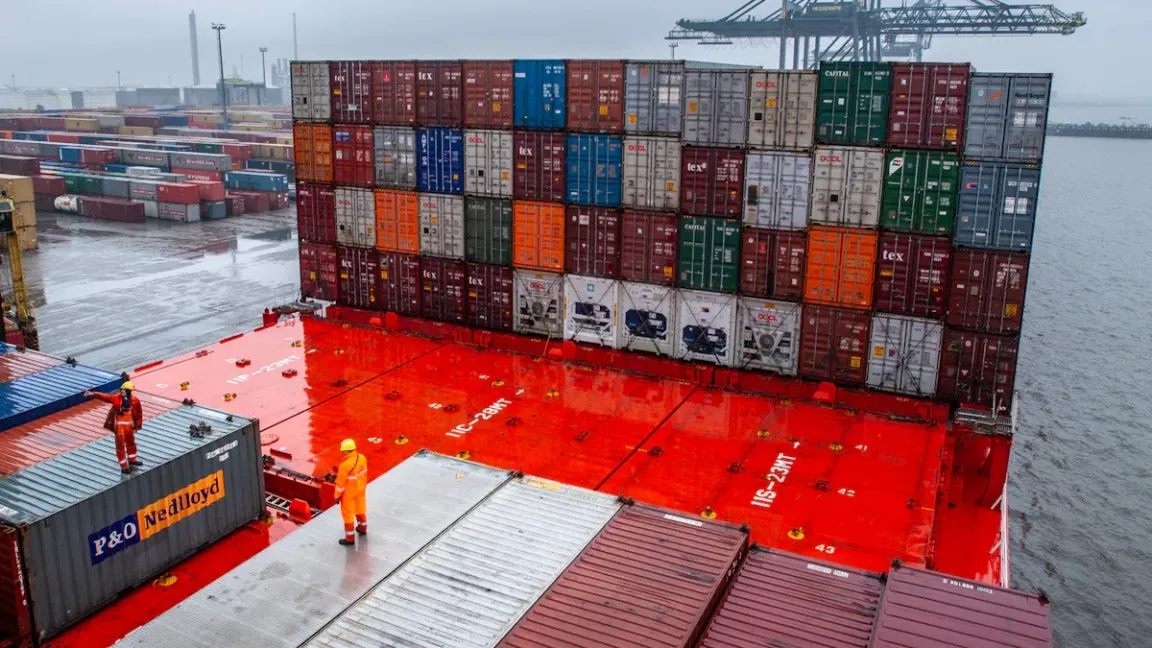
Accurate shipment details form the foundation of a master bill of lading. Start by collecting essential information about the shipper, consignee, and notifying party. Include their names, addresses, and contact details. Document the cargo specifics, such as its description, weight, dimensions, and quantity. Ensure you also note the container number, size, and any special handling instructions.
You should also record shipping information, including the port of loading, port of discharge, and final destination. Don’t forget to include vessel details like the name and voyage number. Keeping this information organized ensures a smoother shipping process and reduces the risk of errors.
Verify Shipping Instructions
Before issuing the master bill of lading, verify the shipping instructions thoroughly. Double-check that the cargo details match the provided documentation. Confirm the shipment’s weight, dimensions, and contents to avoid discrepancies. Review the instructions with the shipper and consignee to ensure everyone agrees on the terms.
Technology can simplify this step. For example, tools like computer vision can automatically compare freight against documentation. This real-time verification helps identify errors early and keeps the shipping process on track. Always communicate any changes to the freight forwarder or carrier promptly.
Confirm Carrier and Freight Terms
Selecting the right carrier and agreeing on freight terms are critical steps. Choose a carrier that aligns with your shipping needs and has a reliable track record. Discuss and confirm the freight terms, including payment responsibilities and delivery timelines. Clear communication with the freight forwarder ensures everyone understands their roles and responsibilities.
Collaborating with trusted partners can optimize the shipping process. Experienced freight forwarders can help you consolidate shipments efficiently and navigate complex logistics. Monitoring and tracking shipments regularly also ensures you stay informed about their status.
Documentation for Master Bill of Lading
Required Documents
When preparing a master bill of lading, you must gather several critical shipping documents. These documents ensure smooth processing and compliance with regulations. Here's a checklist of the required paperwork:
-
Names and addresses of the shipper and consignee.
-
Names and addresses of the freight forwarder and carrier.
-
Date the shipment leaves the shipper’s facility.
-
Shipper’s and consignee’s purchase order or reference numbers.
-
Detailed description of the shipped goods, including type, quantity, and packaging.
-
Applicable HS codes for the goods.
-
Incoterms and payment terms for the shipment.
-
Special handling instructions or requirements.
-
Signatures and dates from the shipper, carrier, and freight forwarder.
-
Declared value of the goods being shipped.
Shipping Instructions and Cargo Details
Accurate shipping instructions and cargo details are essential for completing the master bill of lading. You must include the following information:
-
Shipper and consignee details, including names, addresses, and contact information.
-
Notify party details, if applicable.
-
Freight forwarder information, including FMC number.
-
Booking number provided by the carrier.
-
Vessel name and voyage reference number.
-
Port of load and port of discharge.
-
Container number and seal number.
-
Piece count, package type, and commodity description.
-
Weight and volume for each container.
-
Total piece count, weight, and volume for all containers.
Additional Information to Include
Certain additional elements enhance the accuracy and completeness of the master bill of lading. These include:
Including these elements ensures your master bill of lading serves as a critical document for customs clearance and cargo tracking.
Issuance Process for Master Bill of Lading
Filling Out the MBL
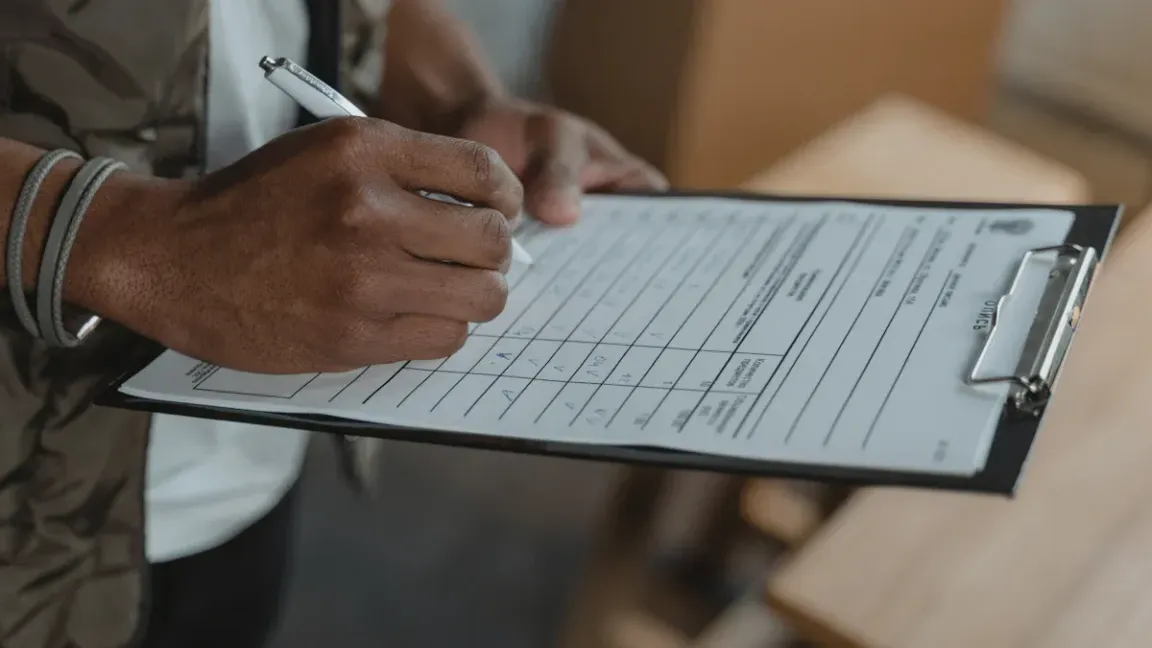
Filling out the master bill of lading (MBL) requires precision and attention to detail. This document serves as a contract between the shipper, the freight forwarder, and the carrier. To ensure accuracy, follow these essential steps:
-
Fill out the "Ship to" and "Ship from" fields. Provide the full names, addresses, and contact details of the consignee and shipper.
-
Include a detailed cargo description and carrier information. Specify the shipment's weight, dimensions, and freight class.
-
Specify the shipping class and NMFC number. These details depend on the cargo's characteristics and are crucial for compliance.
-
Indicate any additional services required. For example, note if the shipment needs special handling or expedited delivery.
-
Double-check all information and sign the document. Ensure every field is accurate before submitting the MBL.
Completing these steps ensures the master bill of lading aligns with the shipping process and avoids unnecessary delays.
Key Fields to Complete
Certain fields in the master bill of lading require extra care. These fields often involve numerical data or documented checks. Accuracy in these areas ensures smooth cargo handling and compliance with regulations.
Additionally, you must declare the shipment's value. This limits the carrier's liability based on the value you specify. Always verify these fields to avoid errors that could disrupt the shipping process.
Common Mistakes to Avoid
Mistakes in the master bill of lading can cause significant delays or financial penalties. Avoid these common errors to ensure a smooth shipping process:
-
Inaccurate Cargo Details: Incorrect weight, dimensions, or descriptions can lead to compliance issues or additional charges.
-
Missing Signatures: Forgetting to sign the MBL can render it invalid. Always ensure the shipper, carrier, and freight forwarder sign the document.
-
Omitting Special Instructions: Failing to include handling requirements or additional services can result in damaged goods or delays.
-
Incorrect Shipping Class: Misclassifying the cargo can lead to fines or shipment rejections. Verify the NMFC number and shipping class before submission.
By avoiding these mistakes, you can streamline the issuance of the master bill of lading and maintain compliance with shipping regulations.
Verification and Distribution of Master Bill of Lading
Final Checks for Accuracy
Before distributing the master bill of lading, you must perform thorough checks to ensure accuracy. Start by validating all data against the original shipping documents. Confirm that the cargo details, such as weight, dimensions, and descriptions, match the information provided by the shipper. Use document analysis systems to verify the accuracy of extracted data. Securely store this data using encryption and access controls to prevent unauthorized access.
Integrating the data with supply chain management systems can improve coordination and reduce errors. Regular audits help identify outdated or incorrect information, ensuring the document remains accurate. Additionally, analyze the data to spot trends and enhance logistics operations.
Ensuring Compliance with Regulations
Adhering to shipping regulations is critical when handling a master bill of lading. Ensure all details match the sales contract, letter of credit, and other related documents. Discrepancies can lead to delays, additional costs, or even the seizure of goods. Stay informed about the regulations of the countries involved in the shipment. This knowledge helps you avoid legal issues.
Negotiate terms with carriers to clarify liability and shipment routing. Use tracking systems to monitor goods and address issues promptly. Keep the document secure to prevent loss or theft. Consider alternatives like telex release or express release if they suit your needs. Collaborate with a reliable freight forwarder to ensure compliance and streamline the process.
-
Accuracy is Key: Match all details with related documents to avoid delays.
-
Stay Informed About Regulations: Understand the rules of each country involved.
-
Negotiate Terms with Carriers: Clarify liability and routing details.
-
Track and Monitor Shipments: Use tracking systems for real-time updates.
-
Secure Your Documents: Prevent loss or theft of the MBL.
Distributing the MBL to Relevant Parties
Once verified, distribute the master bill of lading to all relevant parties. Send copies to the shipper, consignee, and freight forwarder. Ensure each party receives the document promptly to avoid delays in the shipping process. Use secure communication channels to prevent unauthorized access or tampering.
If the shipment involves multiple stakeholders, coordinate with them to confirm receipt of the document. Keep a record of all distributed copies for future reference. This step ensures everyone involved has the necessary information to proceed with the shipment.
Issuing a master bill of lading involves several critical steps. You start by gathering shipment details, verifying instructions, and confirming freight terms. Next, you prepare accurate documentation, complete the bill, and perform final checks before distribution. Accuracy and compliance are essential throughout this process to avoid delays or penalties.
The master bill of lading serves multiple purposes, as shown below:
Review every detail carefully to ensure accuracy. This diligence helps you avoid errors, maintain compliance, and ensure smooth shipping operations.
FAQ
What is the purpose of a master bill of lading?
A master bill of lading serves as a critical document in the shipping process. It acts as a contract between the shipper, freight forwarder, and carrier. It also provides proof of cargo receipt and ownership, ensuring smooth coordination among all parties involved.
Who issues the master bill of lading?
The carrier or freight forwarder issues the master bill of lading. They prepare it based on the shipping documents provided by the shipper. This ensures that all details align with the shipment's requirements and regulatory standards.
Can you make changes to a master bill of lading after issuance?
Yes, you can request changes to a master bill of lading, but only before the shipment reaches its destination. Contact your freight forwarder or carrier immediately to make corrections. Ensure the updated document reflects accurate shipping details to avoid delays.
Why is accuracy important in the master bill of lading?
Accuracy ensures the shipping process runs smoothly. Errors in the master bill of lading can lead to delays, fines, or compliance issues. Double-check all shipping documents and cargo details before issuing the bill to prevent complications.
How does a master bill of lading differ from a house bill of lading?
A master bill of lading is issued by the carrier, while a house bill of lading is issued by the freight forwarder. The master bill covers the entire shipment, whereas the house bill details individual consignments within the shipment.
Related content