
Step-by-Step Guide to Preparing Documents for International Trade
Author:XTransfer2025.05.16DOC (document) in Global Trade
Accurate documentation, or DOC, plays a critical role in global trade operations. A well-prepared DOC ensures your international trade activities proceed smoothly and remain compliant with regulations. Errors or missing details in a DOC in global trade can disrupt shipments, delay transactions, and even result in costly penalties.
When preparing a DOC in global trade, prioritize accuracy and completeness. These attributes safeguard your business and streamline international trade processes.
Types of Documents in Global Trade
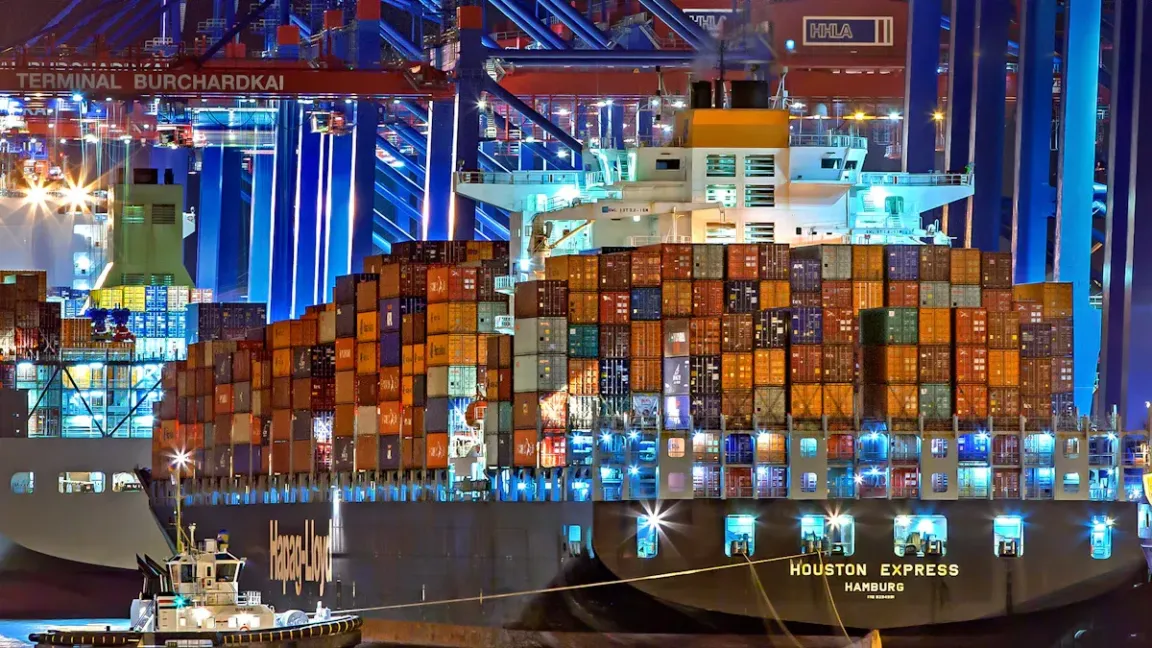
When you engage in international trade, you must prepare several types of documents to ensure smooth transactions. These documents serve different purposes, from facilitating customs clearance to ensuring compliance with regulations. Below, you will find an overview of the key documents required for global trade, categorized into three main types.
Commercial Documents
Commercial documents are essential for recording the details of a trade transaction. These documents provide information about the goods being traded, their value, and the terms of the sale. One of the most important commercial documents is the commercial invoice. This document acts as a bill for the goods sold and includes details such as the buyer and seller's information, a description of the goods, the quantity, and the price. Without a commercial invoice, customs authorities cannot determine the value of the goods for duty and tax purposes.
Another critical document is the packing list. This document outlines the contents of the shipment, including the weight, dimensions, and packaging details. It helps both the importer and customs officials verify the shipment's contents. You may also need other commercial documents, such as a certificate of origin, which certifies where the goods were manufactured, and a proforma invoice, which serves as a preliminary bill before the final sale.
Transport Documents
Transport documents are vital for moving goods across borders. These documents ensure that the shipment reaches its destination safely and on time. One of the most common transport documents is the bill of lading. This document serves as a contract between the shipper and the carrier, detailing the terms of the shipment. It also acts as a receipt for the goods and a document of title, allowing the importer to claim ownership of the shipment.
For air shipments, you will need an air waybill, which functions similarly to a bill of lading but is specific to air transport. If you are shipping goods by road, a CMR note may be required. These documents ensure that the carrier and the importer/exporter understand their responsibilities during transit. Properly prepared transport documents reduce the risk of delays and disputes during the shipping process.
Compliance and Regulatory Documents
Compliance and regulatory documents ensure that your trade activities meet the legal and regulatory requirements of both the exporting and importing countries. These documents are crucial for avoiding penalties and ensuring that your goods clear customs without issues. For example, you may need an import/export license, which grants you permission to trade specific goods. Some countries also require a customs declaration, which provides detailed information about the shipment for customs clearance.
Other compliance documents include inspection certificates, which verify that the goods meet quality and safety standards, and phytosanitary certificates, which confirm that agricultural products are free from pests and diseases. Understanding the documentation requirements for your specific trade route is essential for avoiding complications. Always verify the regulations of the countries involved in your trade to ensure compliance.
Step-by-Step Guide to Preparing Import and Export Documentation
Gathering Required Information
Before you start preparing import/export documentation, gather all the necessary details about your shipment. Accurate information ensures compliance with global trade regulations and prevents delays. Begin by identifying the type of goods you are importing or exporting. This helps you determine the specific documents required for your transaction. For example, an export license may be necessary if your goods fall under restricted categories.
Next, collect details about the shipment's origin and destination. This includes the country of manufacture and the final delivery location. A certificate of origin might be required to verify where the goods were produced. Additionally, ask your foreign buyer about any specific documents needed for customs clearance in their country. This proactive approach helps you avoid surprises during the shipping process.
You should also gather information about the transaction itself. This includes the terms of sale, payment methods, and the value of the goods. A commercial invoice will require these details to ensure accuracy. Finally, understand the importing country's requirements, such as additional documentation or specific declarations. Proper preparation at this stage lays the foundation for smooth trade operations.
Preparing Commercial Documents
Commercial documents are the backbone of import/export documentation. These documents provide essential details about the transaction and the goods being traded. Start with the commercial invoice, which acts as a bill for the goods sold. Include the buyer and seller's information, a detailed description of the goods, their quantity, and the agreed price. Accurate invoices minimize delays at customs and prevent disputes over terms of sale.
Another key document is the packing list. This document outlines the shipment's contents, including weight, dimensions, and packaging details. Customs officials and importers use the packing list to verify the shipment's accuracy. You may also need a certificate of origin to confirm where the goods were manufactured. This document is critical for determining applicable tariffs and ensuring compliance with trade agreements.
Well-prepared commercial documents streamline global trade transactions. For instance, standardized formats like UN/EDIFACT account for over 90% of electronic data interchange (EDI) messages. This highlights the importance of using clear and accurate documentation. Additionally, statistics show that 20% of invoices contain inaccuracies, emphasizing the need for precision. By preparing these documents carefully, you can avoid common pitfalls and ensure a smooth trade process.
Preparing Transport Documents
Transport documents ensure that your shipment reaches its destination safely and on time. The bill of lading is one of the most important transport documents. It serves as a contract between the shipper and the carrier, a receipt for the goods, and a document of title. This document is essential for claiming ownership of the shipment upon delivery.
For air shipments, you will need an air waybill, which functions similarly to a bill of lading but is specific to air transport. If you are shipping goods by road, a CMR note may be required. These documents outline the responsibilities of the carrier and the importer/exporter during transit. Properly prepared transport documents reduce the risk of delays and disputes.
Proof of delivery (POD) is another critical document. It provides undeniable evidence that the shipment has reached its intended destination. Transitioning from paper to electronic systems can enhance efficiency by minimizing errors associated with manual documentation. Electronic systems also allow for instant transmission of delivery confirmations, reducing the likelihood of delays. Accurate transport documents play a vital role in maintaining smooth logistics operations and ensuring timely deliveries.
-
Official documents with vital information are essential for timely deliveries.
-
Proof of delivery provides evidence that a shipment has reached its destination.
-
Transitioning to electronic systems enhances efficiency and reduces errors.
Preparing Compliance Documents
Compliance documents are essential for ensuring your trade activities meet the legal and regulatory requirements of both exporting and importing countries. These documents protect your business from penalties, delays, and reputational damage. Preparing them meticulously is a critical step in import/export documentation.
Start by identifying the specific compliance requirements for your shipment. These requirements vary depending on the type of goods, their origin, and their destination. For example, agricultural products often require a phytosanitary certificate to confirm they are free from pests and diseases. Similarly, certain goods may need an import/export license to authorize their trade.
Customs declarations are another key component of compliance documentation. These declarations provide detailed information about your shipment, including its value, origin, and classification under the Harmonized System (HS) code. Accurate customs declarations ensure smooth customs clearance and help avoid discrepancies in import duties and taxes.
Meticulous record-keeping is vital for compliance. Maintain organized records of all commercial invoices, packing lists, and bills of lading. These documents not only facilitate customs clearance but also support audits and inspections. Non-compliance can lead to severe consequences, including shipment delays, financial penalties, and reputational damage. For instance:
-
Non-compliance often results in holds and inspections, causing significant delays in the supply chain.
-
Violations can lead to civil penalties, sometimes reaching millions of dollars. One company faced a $15 million penalty for recordkeeping issues.
-
Trade violations can harm your reputation, leading to negative publicity and loss of trust among partners and consumers.
Properly prepared compliance documents also improve logistics and supply chain management. They enable better coordination among shipping agents and customs officials, ensuring efficient movement of goods. Accurate documentation supports financial management and trade financing opportunities by demonstrating the legitimacy of your transactions.
Verifying Accuracy and Compliance
Verifying the accuracy of your import/export documentation is a crucial step in ensuring compliance with global trade regulations. Errors in documentation can lead to costly delays, penalties, and even legal issues. By implementing thorough verification processes, you can safeguard your business and streamline your trade operations.
Start by reviewing all documents for accuracy. Check that the information on your commercial invoice matches the details on other documents, such as the packing list and bill of lading. Ensure that the descriptions, quantities, and values of the goods are consistent across all paperwork. Discrepancies can cause customs officials to flag your shipment for further inspection.
Use independent verification methods to confirm the accuracy of your documentation. For example, you can engage third parties to review your records or conduct inquiries and interviews with personnel to clarify policies and assess internal controls. Analytical procedures, such as comparing financial information across documents, can also help identify inconsistencies.
Regular audits play a vital role in maintaining compliance. These audits should include:
-
Verification of current data to ensure all applications, user accounts, and permissions are up to date.
-
Updating business context to provide accurate descriptions of permissions, helping reviewers make informed decisions.
-
Correct mapping of accounts to users to verify that user accounts are correctly assigned to individuals.
-
Preparation of audit evidence to support the review process.
Transparent audit logs and data immutability further enhance the reliability of your documentation. Record every action performed during the verification process and prevent data modification after capture. Cross-reference tool-generated data with source systems to ensure consistency.
By verifying the accuracy of your import/export documentation, you can avoid common pitfalls and ensure compliance with global trade requirements. This proactive approach not only minimizes risks but also enhances the efficiency of your trade operations.
Avoiding Common Mistakes in Documentation
Mistakes in import/export documentation can disrupt your trade operations, leading to delays, penalties, or even shipment rejections. Understanding and addressing these common errors will help you avoid unnecessary complications.
Missing or Incomplete Information
Missing or incomplete information is one of the most frequent issues in import/export documentation. For example, an incomplete invoice can delay customs clearance, as officials rely on accurate data to assess import duties. Missing details, such as product descriptions or shipment values, can also lead to disputes with buyers or carriers.
Poor data quality significantly impacts global trade. Businesses lose $3 trillion annually due to inaccurate or incomplete information. Sales representatives spend 27.3% of their time correcting errors, reducing efficiency. Only 35% of businesses trust their data for decision-making, which increases the risk of flawed trade operations. To avoid these pitfalls, double-check all documents for completeness and accuracy before submission.
Errors in Formatting or Details
Errors in formatting or details can create confusion and delay customs clearance. For instance, incorrect HS codes on a customs declaration may result in miscalculated import duties. Similarly, inconsistent information across documents, such as mismatched values on the invoice and packing list, can trigger customs inspections.
To prevent these errors, use standardized templates for your documents. Ensure that all details, including product descriptions, quantities, and values, are consistent across your paperwork. Regularly review your processes to identify and correct recurring mistakes.
Misunderstanding Documentation Requirements
Misunderstanding documentation requirements is another common issue in international trade. For example, failing to comply with export regulations can lead to fines or shipment holds. Inadequate financial planning or ignoring the importance of networking can also hinder your trade success.
To address these challenges, research the specific requirements for your trade route. Consult with customs officials or trade experts to ensure compliance. Staying informed about changing regulations will help you avoid costly mistakes.
Failing to Stay Updated on Global Trade Regulations
Staying informed about global trade regulations is essential for smooth import and export operations. Trade laws and policies often change due to new agreements, political shifts, or economic conditions. If you fail to keep up with these updates, your business may face serious challenges.
One major risk is non-compliance. When you don’t follow the latest rules, customs authorities may delay or reject your shipments. For example, a new tariff or restriction could apply to your goods without your knowledge. This can lead to unexpected costs or even legal penalties. Ignorance of updated regulations is one of the common mistakes in import/export documentation.
Another issue is missed opportunities. Trade agreements between countries often create new benefits, such as reduced tariffs or faster customs clearance. If you don’t stay updated, you might miss out on these advantages. This could make your business less competitive in the global market.
To avoid these problems, you should regularly review trade regulations for your target markets. Check official government websites or consult with trade experts. Joining industry groups or subscribing to trade newsletters can also help you stay informed. These steps ensure that your documentation and processes align with current requirements.
Failing to stay updated on global trade regulations can harm your business. It increases the risk of delays, penalties, and missed opportunities. By staying informed, you can protect your operations and maintain a competitive edge in international trade.
Regional and Country-Specific Documentation Requirements

Understanding Regional Trade Regulations
Regional trade regulations significantly influence how you prepare your documentation. These regulations often include tariff and non-tariff barriers that vary across regions. For example, countries like India and Brazil impose higher tariffs on certain goods compared to the U.S., which has lower average MFN tariff rates. This disparity means you must adapt your documentation practices to meet the specific compliance standards of each region. Detailed records become essential for navigating these complexities effectively.
Trade agreements also play a role in shaping documentation requirements. Agreements like NAFTA (now USMCA) or the European Union’s trade policies simplify customs clearance for member countries. However, they also introduce specific rules, such as origin verification, that you must follow. Understanding these regional regulations helps you avoid delays and ensures your goods move smoothly across borders.
Key Documentation Differences in Major Trade Regions
Documentation practices differ widely among major trade regions. In North America, you may need to provide a certificate of origin to benefit from reduced import duties under USMCA. In contrast, European Union countries often require compliance with strict product standards and CE marking for certain goods. Asian countries, such as China, emphasize detailed customs declarations and may require additional permits for restricted items.
These differences highlight the importance of tailoring your documentation to the region. For instance, while a packing list might suffice in one region, another may demand an inspection certificate or a phytosanitary certificate. Familiarizing yourself with these variations ensures you meet the documentation requirements for each region and avoid unnecessary complications.
Researching Country-Specific Requirements
Meeting country-specific documentation requirements can be challenging due to the complexity of regulations. Many agencies struggle to track the resources needed for data collection and management, making it harder to compile accurate information. Additionally, the misalignment of budgetary structures complicates the process of understanding the financial implications of compliance.
To overcome these challenges, you should consult official government websites and trade organizations for up-to-date information. Engaging with local customs brokers or trade experts can also provide valuable insights. By staying informed, you can ensure your documentation aligns with the specific needs of each country, reducing the risk of delays or penalties.
Trade Management Software
Trade management software simplifies the documentation process and ensures compliance with global trade regulations. These tools automate repetitive tasks, reducing the need for manual data entry. You can rely on them to minimize errors in documentation and tariff calculations. They also provide a secure platform for storing and managing trade data.
Using trade management software offers several benefits:
-
Minimizes labor-intensive processes by automating data entry.
-
Mitigates risks by maintaining an uneditable audit trail.
-
Demonstrates due diligence through careful documentation methods.
-
Promotes cross-department collaboration by unifying access to data.
These tools also perform automated compliance checks to ensure adherence to laws. They streamline audit trail management, making it easier to track trade activities. By adopting trade management software, you can enhance efficiency and reduce risks in your import/export operations.
Online Templates and Checklists
Online templates and checklists are valuable resources for simplifying the documentation process. Templates provide a standard format for documents, helping you save time and maintain consistency. They also ensure that your team becomes familiar with mandatory fields and required details.
Checklists, on the other hand, help you verify the accuracy and completeness of your documentation. By listing all the required information for shipments, they reduce the chances of missing critical details. For repeat shipments, standardized templates streamline the process by offering a consistent framework for gathering necessary details.
-
Templates save time and ensure uniformity in documentation.
-
Checklists improve accuracy by listing all required shipment details.
-
Standardized formats simplify the process for repeat shipments.
Using these resources ensures that your documentation is complete and error-free, reducing delays and improving compliance.
Professional Services for Documentation
Professional services for documentation provide expert assistance in preparing and verifying your import/export paperwork. These services are especially useful if you are new to international trade or dealing with complex regulations. Professionals can guide you through the requirements for specific countries and ensure that your documents meet all legal standards.
Hiring experts also saves you time and reduces the risk of errors. They stay updated on changing trade regulations, so you don’t have to worry about missing critical updates. Additionally, professional services can handle tasks like customs declarations and compliance checks, allowing you to focus on other aspects of your business.
By leveraging professional services, you gain peace of mind knowing that your documentation is accurate and compliant. This investment can prevent costly mistakes and streamline your trade operations.
Government and Trade Organization Resources
Government and trade organizations offer valuable resources to help you navigate the complexities of international trade documentation. These resources provide reliable information, tools, and guidance to ensure your trade operations comply with regulations and run smoothly.
One of the most trusted sources is government trade agencies. For example, the U.S. International Trade Administration (ITA) provides detailed guides on export documentation, licensing, and compliance. Their resources include step-by-step instructions, templates, and access to trade specialists who can answer your questions. These tools simplify the documentation process and reduce the risk of errors.
Trade organizations also play a key role in supporting your documentation needs. Groups like the World Trade Organization (WTO) and regional trade bodies offer insights into global trade policies and agreements. They provide access to databases, such as tariff schedules and trade statistics, which help you prepare accurate and compliant documents. By using these resources, you can stay informed about changes in trade regulations and adapt your practices accordingly.
Did you know?
The U.S. International Trade Statistical Program enhances the reliability of trade documentation by offering a structured framework. This framework includes data collection authority, comprehensive trade statistics, and verified sources of information. Such resources ensure you have access to accurate and useful documentation tools.
Many governments also provide online portals for trade documentation. These platforms allow you to submit customs declarations, apply for licenses, and track shipments in real time. For instance, the European Union’s TRACES system streamlines the certification process for agricultural products. Using these digital tools saves time and ensures compliance with regional requirements.
By leveraging government and trade organization resources, you gain access to accurate information and expert guidance. These tools not only simplify the documentation process but also help you avoid costly mistakes, ensuring your trade operations remain efficient and compliant.
Proper documentation in global trade ensures smooth transactions and compliance with regulations. You must prioritize accuracy and completeness when preparing import/export documentation. Start by gathering all required details, then create commercial, transport, and compliance documents. Always verify their accuracy to avoid delays or penalties.
Leverage tools like trade management software and online templates to simplify the process. These resources save time and reduce errors. Staying informed about regulations also helps you avoid common mistakes in import/export documentation. By following these steps, you can streamline your operations and succeed in global trade.
FAQ
What is the most important document for international trade?
The commercial invoice is the most critical document. It provides essential details about the transaction, including buyer and seller information, product descriptions, quantities, and prices. Customs officials rely on it to calculate duties and taxes.
How can you ensure your documentation is accurate?
Double-check all details on your documents. Verify that product descriptions, values, and quantities match across invoices, packing lists, and customs declarations. Use templates or software to maintain consistency and reduce errors.
Do all countries require the same trade documents?
No, documentation requirements vary by country. Some nations demand specific certificates, permits, or declarations based on the type of goods and trade agreements. Research the importing country’s regulations to ensure compliance.
What happens if your documents contain errors?
Errors can lead to shipment delays, customs holds, or penalties. Incorrect HS codes, missing details, or mismatched information may trigger inspections or fines. Accurate documentation prevents these issues and ensures smooth trade operations.
Can trade management software help with compliance?
Yes, trade management software automates documentation processes and performs compliance checks. It reduces manual errors, ensures adherence to regulations, and provides audit trails for verification. Using software simplifies your import/export operations.
Related content