
Starting a Reselling Business Tips for Success in 2025
Author:XTransfer2025.09.02reseller
Reselling is one of the most exciting business opportunities you can explore in 2025. It’s all about purchasing products and selling them for a profit. Whether you want to start small or dream big, this business gives you the flexibility to work on your terms. Did you know that in 2024, third-party sellers made up over 60% of Amazon's sales? Plus, their sales grew by 12% in just one year! These numbers prove that becoming a reseller can be a profitable venture. If you’re ready to start selling, this might just be the perfect time to dive in.
How to Become a Reseller in 2025
Registering your business and obtaining necessary permits
Starting your reseller business begins with making it official. Registering your business not only gives it a professional identity but also opens doors to several benefits. For instance, as a registered business, you can make tax-exempt purchases on items you plan to resell. This helps you keep your pricing competitive while maximizing your profit margins. Additionally, having a resale certification allows you to access wholesale pricing, which means you can buy products at lower costs and sell them at retail prices for a higher profit.
Another advantage of registering your business is the credibility it brings. Suppliers are more likely to partner with you when they see you’re a legitimate reseller. Customers also tend to trust businesses that operate professionally, which can lead to better sales and long-term profitability. So, if you’re wondering how to become a reseller, this is one of the first and most important steps to take.
Understanding legal requirements, including resale permits
Legal requirements might sound intimidating, but they’re easier to handle than you think. To become a reseller, you’ll need a resale permit, sometimes called a seller’s permit. This document allows you to buy products without paying sales tax, as long as you’re reselling them. It’s a simple process that varies by state or country, so check with your local government to understand the specific steps.
Having the right permits not only keeps your business compliant but also protects you from potential fines or legal issues. Plus, it shows suppliers and customers that you’re serious about your reseller business. If you’re planning to sell online, make sure you’re aware of any additional regulations for e-commerce platforms. Staying informed about these requirements will save you a lot of headaches down the road.
Setting up your business structure and goals
Every successful reseller business starts with a solid plan. Begin by deciding on your business structure. Will you operate as a sole proprietor, or do you plan to form a partnership or LLC? Each option has its pros and cons, so choose the one that fits your vision and goals.
Once your structure is in place, it’s time to map out your goals. Think about what you want to achieve in your first year. Are you aiming for a specific profit margin? Do you want to focus on a niche market? Setting clear objectives helps you stay on track and measure your progress. Tools like ROI (Return on Investment) and break-even analysis can guide you in making smart financial decisions. For example, calculating your break-even point will show you how many sales you need to cover your costs, giving you a clear target to aim for.
Remember, a well-thought-out plan isn’t just a roadmap—it’s the foundation of your reselling business model. It keeps you focused and ensures you’re making decisions that align with your long-term vision.
Sourcing Products for Your Reselling Business

Finding reliable suppliers and wholesalers
Finding the right supplier is one of the most critical steps in building a successful reselling business. A reliable supplier ensures you get quality products on time, which keeps your customers happy and your business running smoothly. But how do you find suppliers you can trust? Start by researching wholesalers in your niche. Look for reviews, testimonials, and ratings to gauge their reliability. Many resellers also attend trade shows or use online directories like Alibaba or SaleHoo to connect with reputable suppliers.
Keep in mind that supplier reliability can make or break your business. Did you know that 84% of e-commerce retailers say supplier selection is one of the biggest challenges in dropshipping? This highlights the importance of doing your homework before committing to a supplier. Always request samples to check product quality and ensure the supplier can meet your standards. Building strong relationships with your suppliers can also lead to better deals and priority service.
Exploring dropshipping and thrift store options
If you’re looking for a low-risk way to start your reselling business, consider dropshipping. In a dropshipping business, you don’t need to hold inventory. Instead, your supplier ships products directly to your customers. This model has become increasingly popular, with the dropshipping market projected to reach $459.6 billion in 2025. It’s a great option if you want to test different products without a significant upfront investment.
Another exciting way to source products is by exploring thrift stores. These stores are treasure troves for unique and vintage items that can fetch high resale prices. Many resellers have found success by flipping thrift store finds on platforms like eBay or Poshmark. The key is to look for items with high demand and good resale value. Whether you choose dropshipping or thrift stores, both options offer unique opportunities to grow your reselling business.
Evaluating product quality and pricing
When it comes to reselling, product quality and pricing are everything. Customers expect value for their money, so you need to ensure the products you sell meet their expectations. Start by evaluating the quality of the products you source. Check for durability, functionality, and overall appeal. If you’re sourcing from wholesalers, request samples before placing bulk orders. For thrift store finds, inspect items carefully for any damage or wear.
Pricing is just as important as quality. You want to set prices that reflect the value of your products while staying competitive. Value-based pricing can help you optimize your profit margins. For example, beauty products often have an average profit margin of 55%, with some reaching as high as 80%. Understanding your customers’ purchase intent and value perception can also guide your pricing strategy. Remember, the right balance between quality and pricing can set your reselling business apart from the competition.
Start an Online Reselling Business
Choosing e-commerce platforms and social media channels
When you start an online reselling business, picking the right platform is crucial. With so many options available, it’s important to choose one that aligns with your goals. Popular platforms like Shopify, Amazon, and eBay are great for beginners. They offer user-friendly interfaces and tools to help you manage your reselling business efficiently. If you’re considering a dropshipping business, platforms like WooCommerce or BigCommerce can integrate seamlessly with suppliers.
Social media channels are equally important. Platforms like Instagram, Facebook, and TikTok are perfect for showcasing your products and engaging with potential customers. Did you know that 30% of people discover brands through social media? That’s a huge opportunity to grow your audience. Focus on the channels where your target customers spend the most time. For example, if you’re selling fashion items, Instagram might be your best bet.
Here’s a quick look at some key e-commerce trends:
|
Statistic |
Value |
Year |
|
Online shoppers |
2.54 billion |
2024 |
|
Mobile purchases |
51.4% |
2024 |
|
Brand discovery via social media |
30% |
2024 |
|
Cart abandonment rate |
70% |
2024 |
Building an online store and optimizing for SEO
Your online store is the heart of your reselling business. Make sure it’s easy to navigate and visually appealing. Platforms like Shopify and Wix make it simple to create a professional-looking store. Once your store is live, optimizing it for SEO is the next step. SEO helps your store rank higher in search engine results, making it easier for customers to find you.
Here are some SEO tips to boost your online reselling success:
-
Optimize product pages for user experience. Conversion rates can increase by up to 200% when pages are user-friendly.
-
Use high-quality images and detailed descriptions. Products with over 50 reviews convert 4.6 times better than those without.
-
Speed matters! Every 100ms decrease in page load time can boost conversion rates by 1.6%.
Mobile optimization is also key. With 67% of e-commerce sales happening on mobile devices, ensuring your store looks great on smartphones can double your conversions.
Marketing strategies to attract customers
Once your store is ready, it’s time to start marketing. Email marketing is one of the most effective ways to reach your audience. For every $1 spent, email marketing generates an average ROI of $36. Personalize your emails to make your customers feel valued. Automation tools can help you send targeted messages based on customer behavior.
Social media marketing is another powerful tool. Share engaging content, run promotions, and collaborate with influencers to expand your reach. Paid ads on platforms like Facebook and Google can also drive traffic to your store. Don’t forget about search engine marketing—it offers an average ROI of 250%.
Here’s a chart showing the effectiveness of digital marketing strategies:
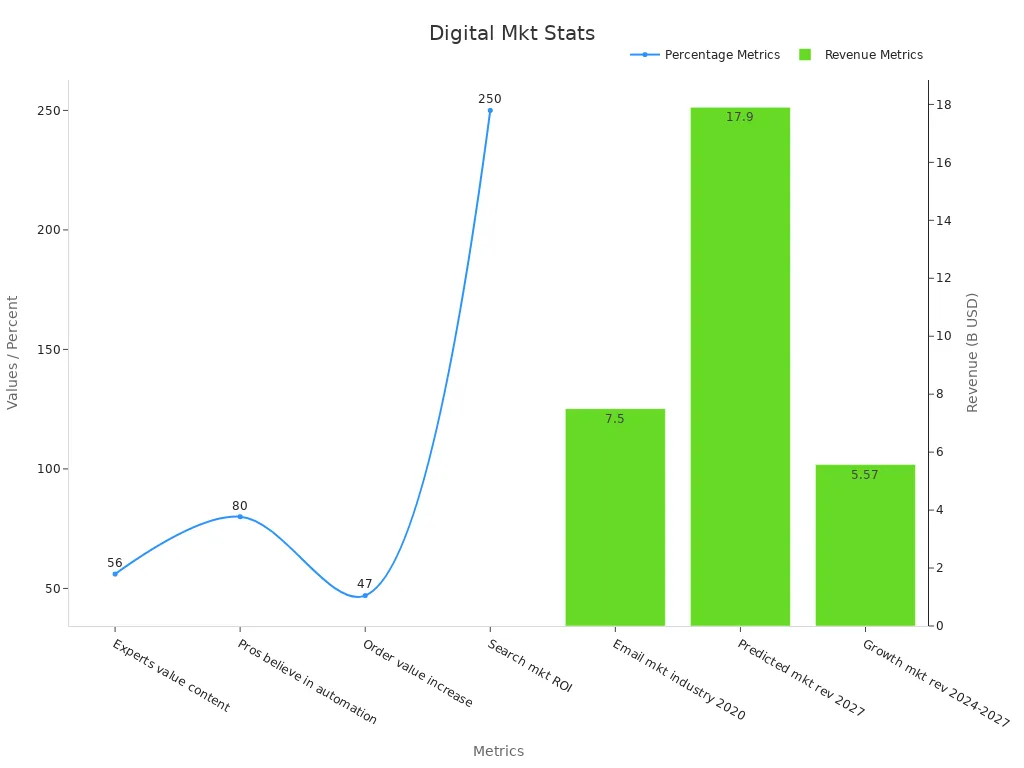
By combining these strategies, you can attract more customers and grow your reselling business faster.
Practical Tips to Start a Reselling Business
Managing inventory and avoiding overstock
Managing inventory is one of the most important aspects of running a successful reselling business. You want to strike the right balance—too much stock can lead to wasted resources, while too little can result in missed sales opportunities. The key is to monitor your inventory closely and make data-driven decisions. For example, using tools that analyze sales trends can help you predict demand and avoid overstocking. This approach not only saves money but also ensures you always have the right products available for your customers.
Effective inventory management can significantly boost your profits. By maintaining just the right amount of stock, you minimize waste and prevent stockouts, which can hurt your reputation. Plus, it improves your financial health by positively impacting key business ratios. When you manage your inventory well, you’re setting your reselling business up for long-term success.
Setting competitive pricing and maintaining profit margins
Pricing your products competitively is essential in the reselling world. Customers are always looking for the best deals, so your prices need to reflect both value and affordability. Start by researching your competitors to see what they’re charging for similar items. Then, calculate your costs, including sourcing, shipping, and platform fees, to determine a price that ensures a healthy profit margin.
A good rule of thumb is to aim for a balance between affordability and profitability. For instance, if you’re selling electronics, you might notice that customers are willing to pay a premium for quality and reliability. Use this insight to set prices that attract buyers while keeping your margins intact. Remember, your pricing strategy can make or break your reselling business, so take the time to get it right.
Providing excellent customer service
Customer service is the backbone of any successful reselling business. Happy customers are more likely to return and recommend your store to others. Did you know that repeat customers make up only 8% of an ecommerce store’s customer base but account for 40% of its revenue? That’s a huge incentive to prioritize their experience. Even a 5% increase in customer retention can boost your profits by up to 95%.
To provide excellent service, focus on clear communication and fast responses. Whether it’s answering questions about a product or resolving an issue, your goal should be to make every interaction positive. Offering perks like easy returns or personalized thank-you notes can also leave a lasting impression. When you go the extra mile, you’re not just selling products—you’re building trust and loyalty.
Popular Reselling Business Ideas

Clothing and fashion accessories
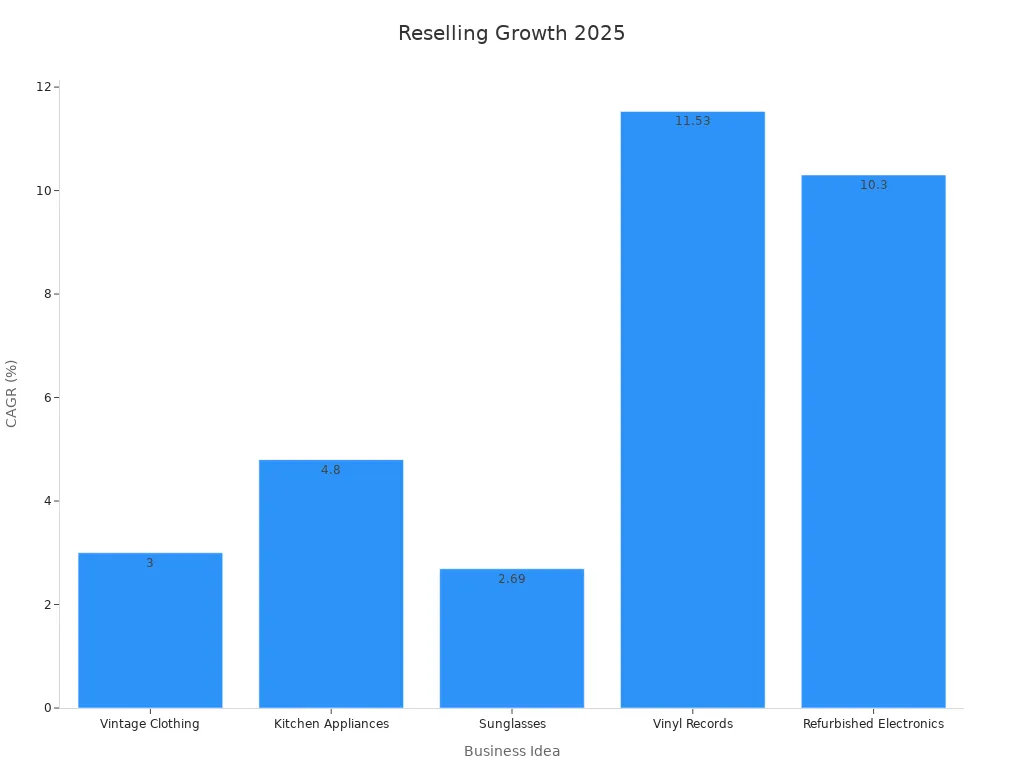
Clothing and fashion accessories are some of the easiest products to resell. The secondhand apparel market is booming, growing 15 times faster than the overall retail sector. This trend is driven by shoppers looking for affordable options, with 63% of resale buyers motivated by saving money. If you’re targeting international markets, secondhand fashion is especially popular in countries like France, where 66% of consumers have made purchases in this category.
You can focus on high-demand products like branded handbags, shoes, or even vintage clothing. These items often have a loyal customer base willing to pay a premium for quality and style. Platforms like Poshmark and Depop are great for reselling fashion, as they cater to buyers who love unique and trendy pieces. By sourcing quality items and pricing them competitively, you can build a profitable reselling business in this niche.
Electronics and gadgets
Electronics and gadgets are another lucrative category for resellers. Items like motherboards, gaming consoles, and vintage gadgets are in high demand. For example, used PlayStation 5 consoles have been a goldmine for resellers, while vintage items like iPods and Gameboys often sell for more than their original price. Refurbished electronics are also a growing market, with a projected valuation of $123.71 billion by 2033.
To succeed in this niche, stay updated on tech trends and source products from reputable distributors. Optimize your product listings with detailed descriptions and high-quality images to attract buyers. Providing excellent customer support can also set you apart from competitors. Electronics may require a bit more effort to manage, but the high profit margins make it worth your time.
Vintage and collectible items
If you love nostalgia, vintage and collectible items could be your perfect reselling niche. The vintage segment accounted for 40.60% of the collectibles market revenue in 2023, and it’s only growing. Vinyl records, for instance, saw a 30% sales increase, with 41 million units sold in 2023. Rare collectibles, like a 1952 Mickey Mantle baseball card that sold for $12.6 million, highlight the potential for significant profits.
The collectibles market is projected to grow at a CAGR of 7.4% from 2025, making it a promising area for resellers. Focus on sourcing unique, high-demand products that appeal to collectors. Whether it’s vintage toys, classic vinyl records, or antique furniture, these items often appreciate in value over time. By tapping into this market, you can turn your passion for history into a thriving reselling business.
Eco-friendly and handmade products.
Eco-friendly and handmade products are becoming a hot trend in the reselling world. More people are looking for ways to reduce their environmental impact, and they’re willing to pay extra for sustainable options. This shift in consumer behavior creates a fantastic opportunity for you to tap into a growing market.
Why are these products so popular?
-
Many shoppers want to support businesses that care about the planet.
-
Handmade items often feel more personal and unique compared to mass-produced goods.
-
Sustainable products align with the values of eco-conscious buyers.
If you’re thinking about reselling eco-friendly items, there are plenty of options to explore. Reusable products like bamboo utensils, stainless steel straws, and cloth shopping bags are in high demand. Handmade goods, such as candles, soaps, and knitted accessories, also attract buyers who appreciate craftsmanship. These items not only sell well but also help you build a brand that stands out.
When sourcing eco-friendly products, focus on quality and authenticity. Look for suppliers who prioritize sustainable practices. If you’re creating handmade items, use materials that are biodegradable or recycled. This adds value to your products and builds trust with your customers.
By offering eco-friendly and handmade goods, you’re not just running a business—you’re making a positive impact. This niche allows you to connect with like-minded customers while contributing to a greener future. So, why not start exploring this rewarding market today?
Starting your journey as a reseller can feel overwhelming, but it’s simpler than you think. You’ve learned how to register your business, source quality products, and build an online presence. Now, it’s time to take that first step. Begin small—maybe with a single product or a niche you’re passionate about.
Remember, success in reselling doesn’t happen overnight. Stay consistent, adapt to trends, and keep learning. Every small win adds up. With dedication, your reselling business can grow into something truly rewarding. So, why wait? Start today and see where it takes you!
FAQ
What is the best platform to start a reselling business?
It depends on your niche. Platforms like Shopify and Amazon are great for general products. For fashion, try Poshmark or Depop. If you’re into vintage items, eBay works well. Choose one that fits your product and audience.
Do I need a lot of money to start reselling?
Not at all! You can start small with thrift store finds or dropshipping, which requires minimal upfront investment. Focus on building gradually. Many successful resellers began with just a few hundred dollars.
How do I find trending products to resell?
Research is key. Use tools like Google Trends, TikTok, or Amazon’s Best Sellers list. Social media can also give you insights into what’s popular. Keep an eye on seasonal trends and customer demand.
Can I resell products without holding inventory?
Yes! Dropshipping lets you sell without storing inventory. Your supplier ships products directly to your customers. It’s a low-risk way to start, especially if you’re testing different products.
How do I handle customer complaints?
Stay calm and listen. Respond quickly and offer solutions like refunds or replacements if needed. Great customer service builds trust and loyalty. Remember, a happy customer is more likely to return and recommend your business.
Related content