
SHEIN's Environmental Consequences: Fast Fashion's Dirty Secrets
Author:XTransfer2025.09.11Environmental Impact
Fast fashion offers affordability and convenience, but it comes with a high cost to the Environmental Impact. SHEIN, a leader in this industry, produces clothing at breakneck speeds, fueling a system that harms the planet. In 2023, SHEIN emitted 16.7 million metric tons of carbon dioxide—comparable to the yearly emissions of four coal power plants. Its reliance on polyester, which makes up 76% of its fabrics, worsens microplastic pollution and contributes significantly to the Environmental Impact. These choices not only damage the environment but also burden consumers with the hidden costs of waste and pollution. Understanding these Environmental Impacts empowers you to make better decisions.
The Environmental Impact of SHEIN's Fast Fashion
Carbon Emissions and Climate Change
SHEIN's ultra-fast fashion model leaves a significant carbon footprint on the environment. The company emitted 16.7 million metric tons of carbon dioxide in 2023, a figure that surpasses the emissions of major fashion industry players like Inditex and Nike. This number has tripled in just three years, highlighting the growing environmental toll of disposable fashion. The production and distribution processes, which prioritize speed and volume, rely heavily on fossil fuels. This contributes to climate change and accelerates environmental degradation.
The carbon footprint of ultra-fast fashion doesn't stop at production. Shipping millions of items globally adds to the problem. Air and sea freight release large amounts of greenhouse gases, further worsening the environmental impact. By choosing to support brands like SHEIN, you indirectly contribute to this cycle of pollution and climate harm.
Textile Waste and Landfill Overflow
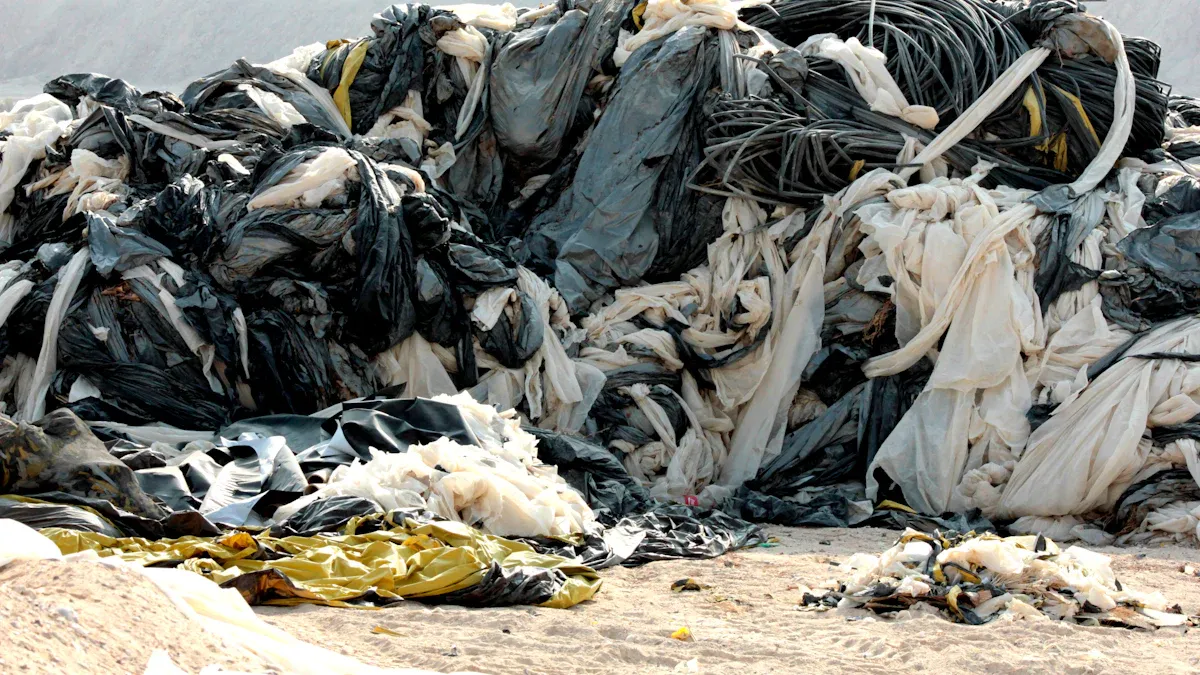
The waste caused by fast fashion is staggering, and SHEIN plays a major role in this crisis. The company produces an overwhelming number of garments, many of which are discarded after just a few uses. This disposable fashion culture leads to massive amounts of textile waste ending up in landfills. Once there, these materials take decades—or even centuries—to decompose, releasing harmful chemicals into the soil and water.
Landfill waste isn't just an eyesore; it poses a serious threat to the environment. Synthetic fabrics like polyester, which make up 76% of SHEIN's products, are particularly problematic. Only 6% of these materials are recycled, leaving the rest to pile up in landfills. As these fabrics break down, they release microplastics that pollute ecosystems and harm wildlife.
You can help reduce landfill overflow by making more conscious fashion choices. Opt for sustainable brands that prioritize quality over quantity. By doing so, you can minimize your contribution to the growing problem of textile waste.
Synthetic Materials and Long-Term Pollution
SHEIN's reliance on synthetic materials like polyester and polyamide has long-term consequences for the environment. These fabrics are cheap to produce but come with hidden costs. They release microplastics into the air and water during washing and wear, contributing to widespread pollution. These tiny plastic particles are nearly impossible to remove from ecosystems, causing lasting damage to marine life and food chains.
The environmental impact of synthetic materials doesn't end there. These fabrics are difficult to recycle, meaning most of them end up as waste. The fast fashion model exacerbates this issue by encouraging overproduction and overconsumption. As a result, the environment bears the brunt of this unsustainable cycle.
The Hidden Costs of SHEIN's Labor Practices
Unsafe and Exploitative Working Conditions
SHEIN's rapid production model relies on a workforce subjected to unsafe and exploitative conditions. Workers often endure grueling hours, with some reports revealing shifts lasting up to 18 hours a day. Many employees work without weekends or proper breaks, leaving them physically and mentally drained. These conditions violate basic labor rights and highlight the hidden costs of fast fashion.
A BBC investigation uncovered alarming details about SHEIN's supply chain. Workers reported earning as little as two cents per item produced, forcing them to complete hundreds of garments daily to make ends meet. The lack of proper safety measures in factories further endangers their well-being. Concerns about child labor have also surfaced, raising ethical questions about the brand's practices.
|
Evidence Type |
Description |
|
Working Hours |
Employees work up to 18 hours a day with no weekends and only one day off per month. |
|
Wages |
Workers earn a base salary of 4,000 yuan per month, equivalent to about $556, but their first month's pay is withheld. |
|
Child Labor |
Investigations raise concerns about child labor in factories supplying SHEIN. |
|
Commission |
Workers earn just 0.14 yuan (two cents) per item produced, leading to exploitative conditions. |
These findings reveal the harsh realities behind SHEIN's low prices. By prioritizing speed and volume, the company sacrifices the safety and dignity of its workers.
Low Wages and Worker Rights Violations
Worker exploitation is a cornerstone of SHEIN's business model. Employees often receive wages far below what is considered a living wage. For instance, some workers earn only $327 per month, which is insufficient to cover basic living expenses. Many are forced to work overtime just to survive, further exacerbating their struggles.
"If there are 31 days in a month, I will work 31 days," one worker told the BBC. "We earn so little. The cost of living is now so high." This statement underscores the financial hardships faced by SHEIN's workforce. Despite their long hours, many workers cannot afford to support their families or improve their living conditions.
The lack of ethical labor practices extends beyond wages. SHEIN's supply chain operates in secrecy, making it difficult to hold the company accountable. Without transparency, violations such as forced labor and unsafe working environments remain hidden from public scrutiny. This lack of oversight allows unethical practices to persist unchecked.
Lack of Transparency in the Supply Chain
Transparency is a critical factor in evaluating a company's ethical standards. Unfortunately, SHEIN falls short in this area. The Fashion Transparency Index rated SHEIN at just 2.2% out of 100, highlighting significant gaps in its supply chain disclosures. While the company claims to audit 95% of its suppliers, independent investigations reveal ongoing issues such as child labor and wage violations.
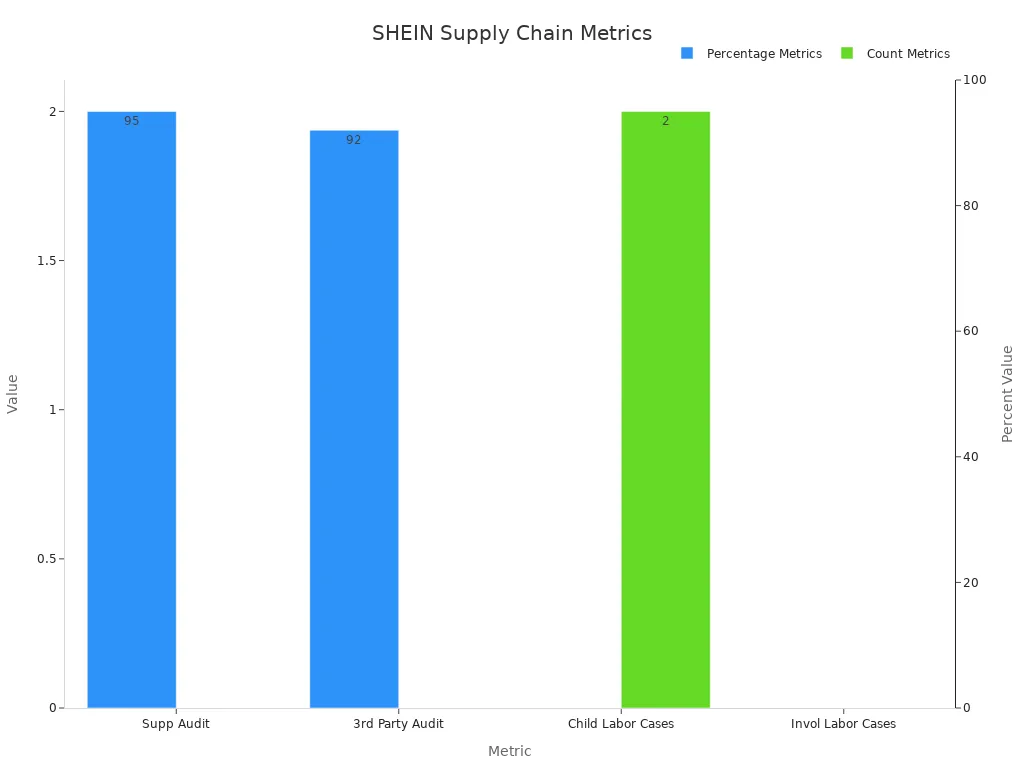
The scale and complexity of SHEIN's operations make it challenging to ensure ethical practices across its supply chain. Allegations of child labor and forced labor have surfaced, with SHEIN admitting to two cases of child labor in 2023. These revelations raise questions about the company's commitment to ethical standards.
To address these issues, you can demand greater transparency from brands like SHEIN. Support companies that prioritize ethical practices and disclose detailed information about their supply chains. By making informed choices, you can help drive change in the fashion industry.
Greenwashing and the Myth of Sustainability
Questioning SHEIN's Sustainability Claims
SHEIN often markets itself as a brand committed to sustainability. However, its actions tell a different story. Between 2022 and 2023, SHEIN's greenhouse gas emissions rose by 81%, far outpacing its revenue growth of 43%. This discrepancy raises doubts about the company's commitment to eco-friendly practices. Critics, including Greenpeace, have pointed out contradictions in SHEIN's approach. For instance, while the company pledges donations to textile waste initiatives, it continues to flood the market with disposable clothing.
Regulators are also taking notice. Italy's Competition Authority is investigating SHEIN for potentially misleading environmental claims. The investigation focuses on vague messaging that may mislead consumers into believing the brand is more sustainable than it truly is. These findings highlight the importance of questioning the sustainability claims made by fast fashion brands.
The Reality Behind 'EvoluSHEIN'
SHEIN launched the 'EvoluSHEIN' campaign to promote its sustainability efforts. On the surface, this initiative seems promising. However, critics argue that it fails to address the root problem: the company's business model. SHEIN's rapid production and marketing strategies, such as flash sales and discounts, encourage overconsumption. This undermines any sustainability efforts the campaign claims to support.
The focus on how products are marketed is just as important as how they are made. By promoting excessive purchasing, SHEIN contradicts its own sustainability goals. The 'EvoluSHEIN' campaign appears more like a marketing tactic than a genuine effort to protect the environment.
Why Fast Fashion Cannot Be Truly Sustainable
The fast fashion model, including SHEIN's, promotes overproduction and overconsumption. This leads to significant waste, as most products are discarded after minimal use. The fashion industry consumes vast amounts of water, with 20% of global industrial water pollution linked to textile dyeing. SHEIN's production processes alone release CO2 equivalent to 180 coal-fired power plants annually.
The environmental damage doesn't stop there. The industry contributes to 10% of global carbon emissions, surpassing all international flights and maritime shipping combined. Additionally, 85% of textiles end up in landfills each year, and washing synthetic clothes releases 500,000 tons of microfibers into the ocean annually. These facts make it clear: fast fashion cannot align with true sustainability.
Consumer Responsibility in Addressing Fast Fashion
The Power of Ethical Consumer Choices
Your choices as a consumer hold immense power in shaping the future of the fashion industry. By prioritizing sustainable fashion, you can reduce the environmental impact caused by fast fashion brands like SHEIN. Studies show that 72% of consumers now value brands with strong environmental practices, and 73% of millennials are willing to pay more for eco-friendly clothing. This shift in mindset reflects the growing influence of a sustainability-conscious generation.
Small changes in your shopping habits can make a big difference. For example, choosing higher-quality clothing that lasts longer reduces waste. In fact, 65% of consumers now prefer durable garments over disposable ones. By supporting brands that embrace sustainable practices, you contribute to a cleaner, greener planet.
Supporting Sustainable Fashion Alternatives
The rise of sustainable fashion offers you plenty of alternatives to fast fashion. The market for eco-friendly clothing is growing rapidly, with an expected worth of $15 billion by 2030. This growth highlights the increasing demand for ethical and environmentally friendly options.
|
Statistic |
Value |
|
Current market worth |
$6.5 Billion |
|
Expected market worth by 2025 |
$10.1 Billion |
|
Expected market worth by 2030 |
$15 Billion |
|
Average annual growth rate |
8.3% |
|
Growth in eco-friendly clothing sales by 2025 |
$1,574.2 million |
Secondhand fashion is another excellent option. Platforms like ThredUp and Poshmark make it easy to buy and sell pre-loved clothing. Gen Z leads the way, with 75% of them purchasing secondhand items. By embracing these alternatives, you reduce waste and promote sustainability.
Reducing Overconsumption and Embracing Minimalism
Overconsumption is one of the biggest challenges to sustainability in the fashion industry. The world consumes 80 billion new pieces of clothing annually—400% more than two decades ago. This excessive demand leads to massive textile waste, with the average American discarding 82 pounds of clothing each year.
Minimalism offers a solution. By focusing on quality over quantity, you can build a wardrobe that aligns with sustainable practices. Choose versatile pieces that can be styled in multiple ways. This approach not only reduces waste but also saves money in the long run.
By adopting a minimalist mindset, you take a stand against the harmful effects of fast fashion. Every small step counts toward creating a more sustainable future.
SHEIN's practices leave a trail of environmental and ethical harm. The brand contributes to 20% of annual freshwater pollution and 35% of global microplastics. Its marketing tactics exploit young women, encouraging overconsumption and worsening environmental degradation. Fast fashion, if left unchecked, could drive a 50% rise in carbon emissions by 2050.
You have the power to change this narrative. By supporting sustainable brands and reducing overconsumption, you can help combat these issues. Demand transparency from companies and make choices that align with your values. Together, consumers can push the fashion industry toward a more ethical and sustainable future.
FAQ
What makes SHEIN's fast fashion harmful to the environment?
SHEIN's fast fashion model relies on overproduction, synthetic materials, and global shipping. These practices generate high carbon emissions, textile waste, and microplastic pollution. The company prioritizes speed and affordability over sustainability, making its environmental impact significant.
How does SHEIN affect workers in its supply chain?
SHEIN's workers often face unsafe conditions, long hours, and low wages. Investigations reveal violations like withheld pay and child labor. The lack of transparency in its supply chain allows these unethical practices to persist.
Can fast fashion ever be sustainable?
Fast fashion cannot truly align with sustainability. Its business model encourages overproduction and overconsumption, leading to waste and pollution. Even "green" initiatives by fast fashion brands often fail to address these core issues.
What are some alternatives to fast fashion?
You can explore sustainable brands, secondhand shopping, or clothing rental services. These options reduce waste and promote ethical practices. Minimalism also helps by encouraging you to buy fewer, higher-quality items.
-
Examples of alternatives:
-
ThredUp (secondhand)
-
Patagonia (sustainable brand)
-
Rent the Runway (rental service)
-
How can you reduce your fashion footprint?
You can reduce your fashion footprint by buying less, choosing durable clothing, and avoiding synthetic materials. Repairing and repurposing old clothes also helps. Supporting sustainable brands and secondhand stores makes a big difference.
Related content