
Secondhand Shopping is Transforming Sustainable Fashion Trends
Author:XTransfer2025.09.04Sustainable Fashion
Have you noticed how secondhand shopping is becoming the go-to choice for so many people? It’s not just about saving money anymore. You’re part of a movement that’s reshaping fashion and making it more sustainable. In fact, 86% of people worldwide bought or sold pre-owned goods last year, and the resale market is set to hit $108.64 billion in 2024. Younger generations, especially Gen Z, are leading this shift towards sustainable fashion. They’re turning to secondhand clothing to reduce waste, embrace individuality, and support a sustainable future. By choosing pre-loved items, you’re not only expressing your unique style but also contributing to sustainability in a big way.
The secondhand market is expected to grow to $350 billion globally by 2028, proving its potential to challenge traditional fashion models and further promote sustainable fashion practices.
The Evolution of Secondhand Clothing
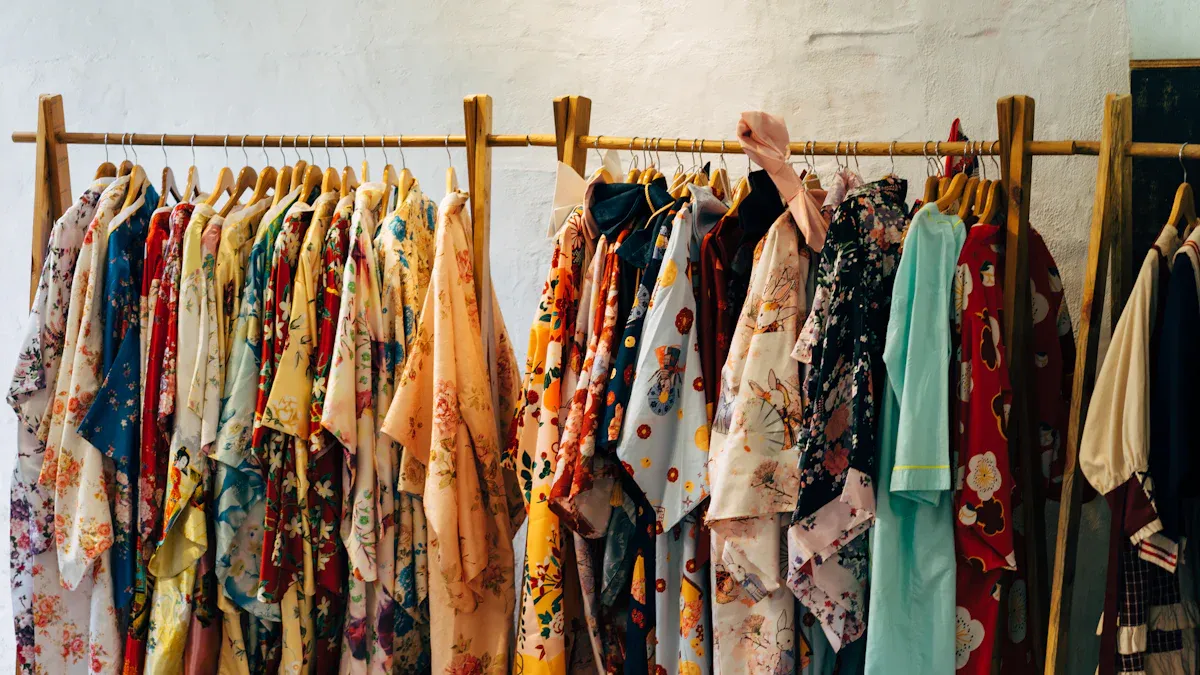
From necessity to a sustainable choice
Secondhand clothing has come a long way. What started as a necessity for many has now become a conscious choice for sustainability. In earlier times, people reused clothing because it was durable and expensive to replace. For example, during the pre-industrial era, families passed down clothes through generations, especially in working-class communities. Later, the Industrial Revolution made new clothing more accessible, but secondhand markets still thrived.
Fast forward to the 20th century, and secondhand clothing took on new meanings. The Great Depression and World War II encouraged thrift and mending, making secondhand practical. By the 1960s and 1970s, counterculture movements embraced thrifted clothing as a way to stand out. This shift turned secondhand into a statement of individuality. Today, it’s not just about affordability—it’s about reducing overconsumption and supporting sustainability.
|
Time Period |
Key Evolution of Secondhand Clothing |
|
Pre-Industrial Era |
Clothing was durable and often passed down. |
|
19th Century |
Industrial Revolution increased access to new clothes, but secondhand persisted. |
|
1930s-1940s |
Thrift and mending became essential during the Great Depression and WWII. |
|
1960s-1970s |
Counterculture embraced thrift as a fashion statement. |
|
1980s-1990s |
Pop culture made thrift shopping mainstream. |
|
Early 2010s |
Sustainability concerns drove young consumers to secondhand clothing. |
The rise of thrift stores and vintage shops
Thrift stores and vintage shops have exploded in popularity over the years. In North America, platforms like ThredUp and Depop have made secondhand shopping more accessible. In Europe, vintage fashion has become a staple for eco-conscious consumers. Asia-Pacific is also catching up, with growing interest in secondhand clothing and online resale platforms.
This growth isn’t just about convenience. It’s about the charm of finding unique pieces and the joy of giving pre-loved items a second life. Whether you’re browsing a local thrift store or scrolling through an online marketplace, you’re part of a global movement that values sustainability and individuality.
|
Region |
Growth Factors |
|
North America |
Platforms like ThredUp and Depop; demand for eco-friendly fashion. |
|
U.K. and Europe |
High environmental awareness; vintage fashion popularity. |
|
Asia-Pacific |
Growing interest in secondhand clothing; online resale platforms. |
|
Latin America |
Economic factors driving demand for secondhand products. |
|
Middle East & Africa |
Affordable branded products; economic challenges encouraging secondhand. |
How secondhand clothing became a global trend
The global second-hand fashion market is booming. In 2023, it reached a value of $177 billion and is projected to grow to $351 billion by 2027. This growth is fueled by younger generations who value affordability and sustainability. For example, 77% of Gen Z shoppers say affordability is a key reason they choose secondhand clothing.
The environmental benefits are also undeniable. Every secondhand purchase saves about 8 kg of CO2 emissions. With resale markets growing 21 times faster than traditional retail, it’s clear that secondhand is here to stay. Platforms like eBay have played a huge role in this shift, making it easier than ever to buy and sell pre-loved items.
-
Key stats about the global secondhand clothing trend:
-
The resale market is growing 21 times faster than traditional retail.
-
The global market value is expected to hit $351 billion by 2027.
-
65% of British consumers are making sustainable choices.
-
77% of Gen Z shoppers prioritize affordability in secondhand purchases.
-
By embracing secondhand clothing, you’re not just following a trend—you’re shaping the future of fashion.
Current Trends in Second-Hand Shopping
The impact of online resale platforms
Online resale platforms are revolutionizing how you shop for secondhand clothing. These platforms make it easier than ever to find pre-loved items that match your style and budget. Whether you're scrolling through eBay or browsing apps like Depop and ThredUp, you're part of a growing community that values sustainability and individuality.
The numbers speak for themselves. In 2024, U.S. fashion resale platforms are expected to generate $16.8 billion in revenue, with the market growing at an impressive 17% per year. On average, shoppers spent $655 on secondhand items in 2023, and this figure is projected to rise to $788 by 2025. The resale market has grown 550% since 2018, proving that second-hand shopping platforms are reshaping the fashion industry.
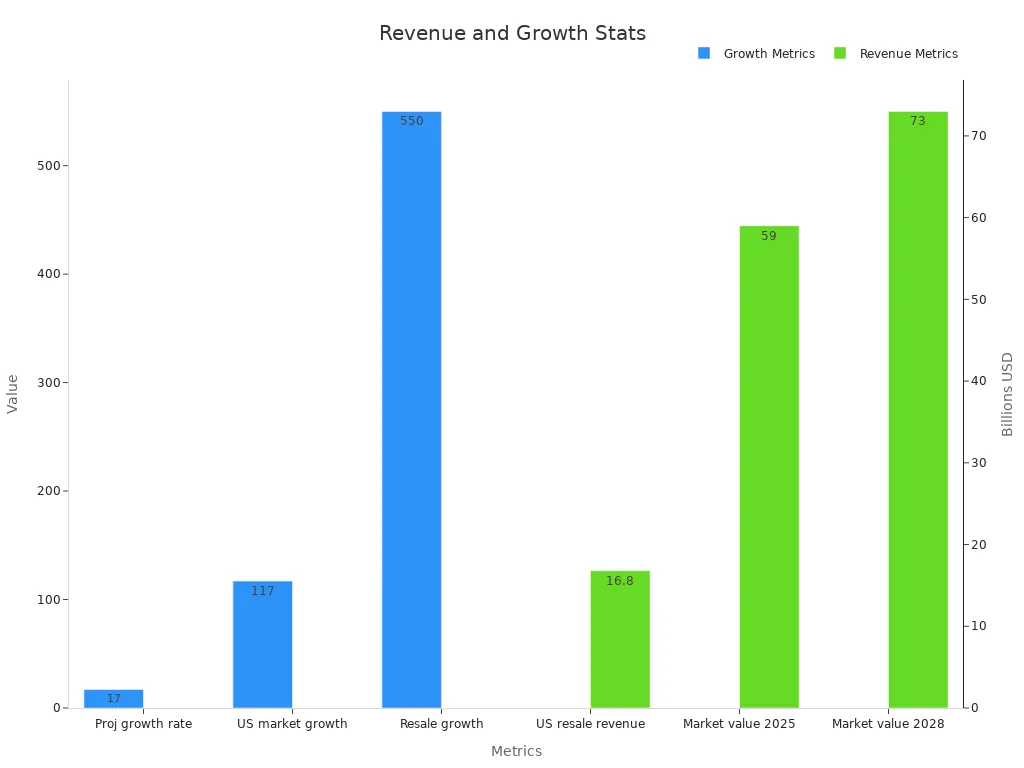
These platforms aren't just about convenience. They're driving a cultural shift toward sustainable fashion. By choosing secondhand, you're reducing waste and supporting a circular economy. Plus, you get access to unique vintage pieces and luxury brands at a fraction of the price. It's a win-win for your wallet and the planet.
Why consumers are choosing secondhand: Affordability, sustainability, and individuality
Why is second-hand shopping becoming so popular? The answer lies in three key factors: affordability, sustainability, and individuality.
-
Affordability: Secondhand clothing lets you save money without sacrificing style. Over two-thirds of Gen Z consumers prefer buying secondhand because it’s budget-friendly. In fact, 76% of people who bought used clothing in 2020 plan to increase their spending on secondhand items in the next five years.
-
Sustainability: Every secondhand purchase helps reduce waste and carbon emissions. The resale market has grown by 53.3% over the past five years, reflecting a broader shift toward sustainable consumption. By choosing pre-loved items, you're making a positive impact on the environment.
-
Individuality: Secondhand shopping lets you express your unique style. Whether you're hunting for vintage treasures or rare designer pieces, you can create a wardrobe that stands out. In the U.K., 30% of shoppers even find "pre-loved" items more fashionable than new ones.
The second-hand market is projected to reach $77 billion within five years, showing just how much people value these benefits. When you shop secondhand, you're not just buying clothes—you're making a statement about who you are and what you stand for.
Circular fashion and its growing importance
Circular fashion is changing the way you think about clothing. Instead of buying new items and discarding them, circular fashion promotes reusing, recycling, and repurposing materials. This approach reduces waste and keeps clothing in circulation for longer.
The numbers highlight its growing importance. The circular fashion market is expected to reach $13.8 billion by 2033, with a compound annual growth rate (CAGR) of 7.8%. Rental transactions for clothing have increased by over 25% between 2020 and 2021, showing that more people are embracing sustainable alternatives. Organic fabrics now make up nearly half of the apparel market, reflecting a shift toward eco-friendly choices.
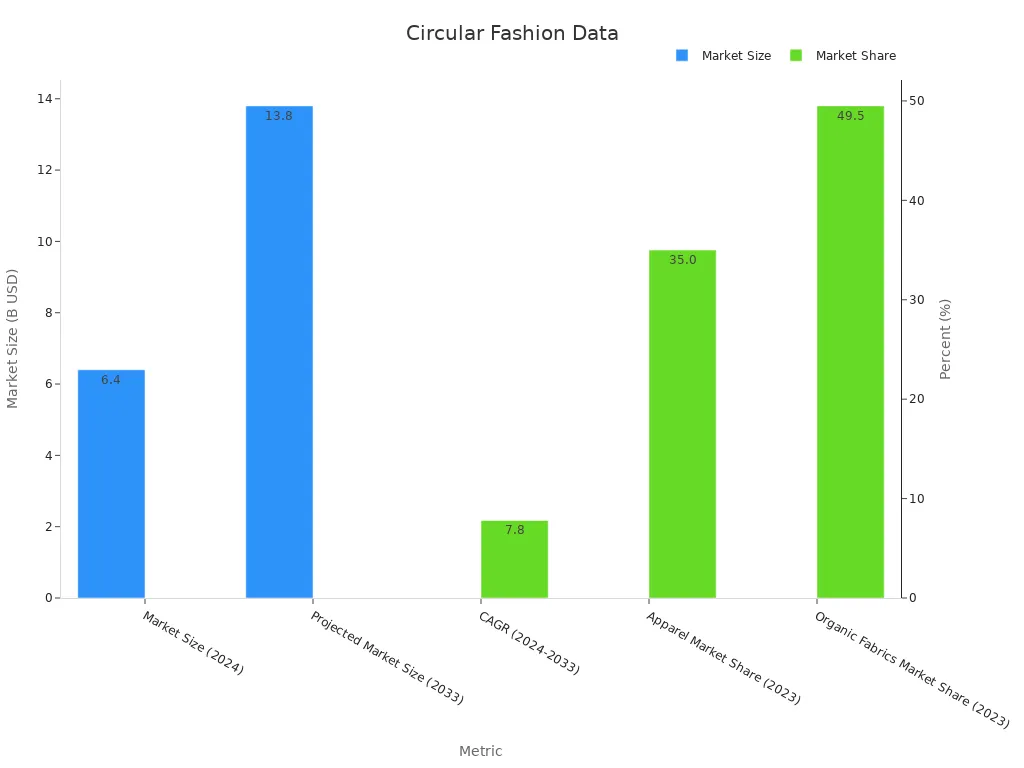
Platforms like eBay play a big role in promoting circular fashion. By enabling you to buy and sell pre-loved items, they help reduce waste and support sustainability. When you choose circular fashion, you're not just following a trend—you're helping build a more sustainable future.
eBay’s Role in Promoting Sustainable Fashion
eBay as a leader in the secondhand market
When it comes to secondhand shopping, eBay stands out as a global leader. It’s one of the largest platforms where you can buy and sell pre-loved items, making sustainable fashion more accessible than ever. The numbers speak for themselves:
-
Nearly 60% of shoppers prefer pre-loved goods, with Millennials and Gen Z leading the trend.
-
86% of consumers globally reported buying or selling pre-loved goods in the last year.
-
40% of eBay's gross merchandise volume comes from pre-loved and refurbished items.
-
68% of eBay users cite environmental benefits as a primary motivator for purchasing secondhand goods.
-
59% of global consumers bought pre-loved goods in the past year, with 71% of shoppers aged 25–34 leading the trend.
eBay’s platform isn’t just about convenience. It’s about creating a community where you can find unique, quality-controlled pre-owned fashion while contributing to sustainability. By choosing eBay, you’re joining millions of others who are reshaping the resale market and reducing fashion waste.
eBay’s initiatives to reduce fashion waste
eBay has taken bold steps to promote sustainability and reduce fashion waste. These initiatives make it easier for you to shop responsibly while supporting a circular economy. Here’s a closer look at what eBay is doing:
|
Initiative |
Description |
|
Zero-waste packaging solutions |
Innovations to reduce packaging waste. |
|
Circular economy initiatives |
Goal for 100% of products to be reusable or recyclable by 2030. |
|
Sustainable consumption tools |
Tools provided to consumers for eco-friendly shopping choices. |
|
Marketplace for Pre-owned Goods |
Platform for exchanging used items, reducing overall consumption and waste. |
|
Certified Refurbished Program |
Offers professionally restored products, reducing e-waste and encouraging reuse. |
|
Sell for Charity |
Allows sellers to donate a portion of sales to nonprofits, supporting sustainable development goals. |
|
Net-Zero Carbon Emissions by 2050 |
Ambitious goal to achieve net-zero carbon emissions, including Scope 1, 2, and 3 emissions. |
|
Renewable Energy |
Targeting 100% renewable energy for global operations by 2025. |
|
Sustainable Packaging |
Promoting recyclable, biodegradable, or compostable packaging materials among sellers. |
These efforts show how eBay is committed to reducing waste and encouraging sustainable practices. Whether you’re buying a refurbished gadget or selling pre-loved clothes, you’re helping to support these impactful initiatives.
Success stories and statistics from eBay’s impact
eBay’s impact on sustainable fashion goes beyond numbers—it’s about creating real change. Through its Circular Fashion Fund, eBay encourages rental models and repair solutions that extend the lifespan of clothing. This reduces waste and the need for new production, making a significant difference in the fight against fast fashion.
Here are some highlights of eBay’s success:
-
eBay’s advertising campaign led to a 10% increase in aided brand awareness.
-
There was a 60% increase in unaided brand awareness, surpassing competitors in the online fashion marketplace.
-
The campaign used digital transit and billboard formats to position eBay as a fashion destination.
These efforts have paid off. eBay’s message of sustainability resonates with shoppers, driving more people to choose secondhand options. By shopping on eBay, you’re not just saving money—you’re making a statement about the kind of future you want to see.
eBay’s impact report highlights how the platform is transforming the fashion industry. It’s not just about selling clothes; it’s about creating a sustainable ecosystem where every purchase makes a difference.
Environmental and Social Benefits of Secondhand Shopping

Reducing textile waste and carbon emissions
When you shop for pre-loved clothing, you’re doing more than just finding great deals—you’re helping the planet. The fashion industry is one of the biggest contributors to waste and carbon emissions. Every year, the average U.S. consumer throws away about 81.5 pounds of clothing. That adds up to over 11 million tons of textile waste sent to landfills annually. By choosing pre-owned clothes, you’re reducing this waste and giving these items a second life.
The environmental impact doesn’t stop there. Studies show that extending the life of your clothes by just three months can cut their carbon, water, and waste footprints by up to 10%. Plus, reusing and recycling textiles saves an estimated 425 million pounds of CO2 every year. This shift toward a circular economy model is essential for combating overconsumption and protecting the environment.
Every time you choose pre-loved clothing, you’re making a conscious purchasing decision that supports sustainability and reduces waste.
Making fashion accessible and affordable
Secondhand shopping isn’t just sustainable—it’s also budget-friendly. For many, it’s the perfect way to enjoy sustainable and affordable fashion. In fact, 41% of consumers now look for secondhand items first when shopping for apparel. Whether you’re hunting for pre-loved designer items or everyday basics, secondhand options make it easier to stick to a low-consumption lifestyle without breaking the bank.
The numbers back this up. In Germany, 84% of shoppers have replaced new clothing purchases with secondhand alternatives, and 83% say they do so because it’s cheaper. In the U.S., 74% of consumers are open to shopping for used apparel. This growing trend proves that secondhand shopping is making sustainable products more accessible to everyone.
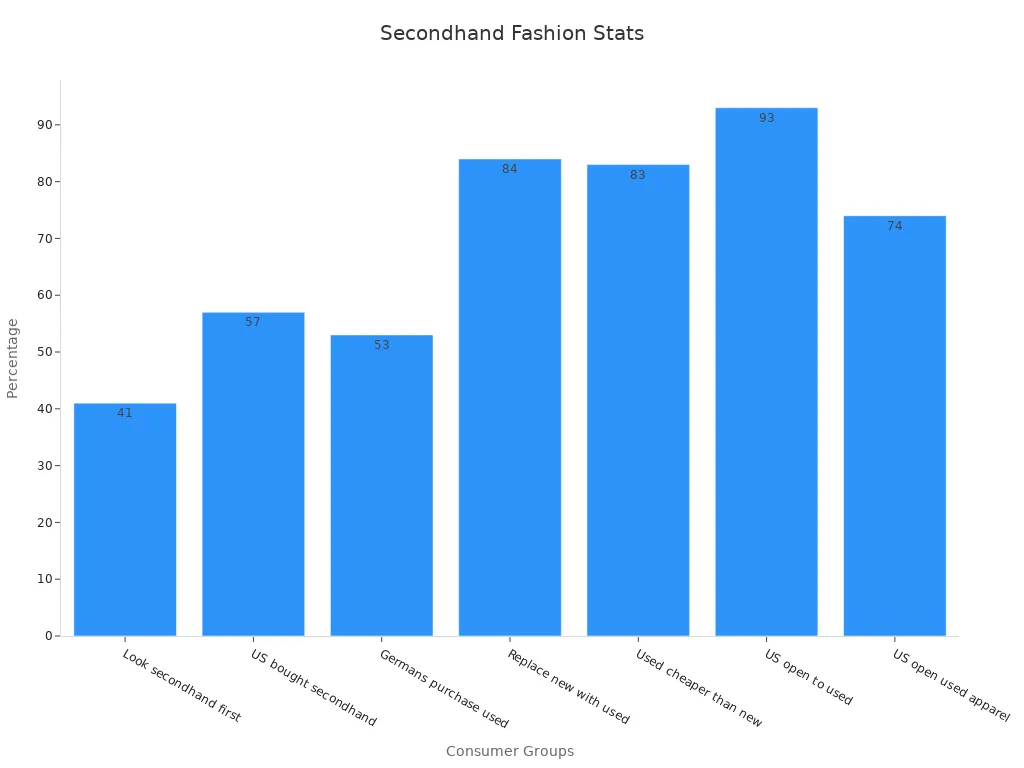
Encouraging unique and creative fashion choices
Shopping secondhand isn’t just about saving money or helping the planet—it’s also a chance to express your creativity. Pre-loved clothing offers a treasure trove of unique pieces that you won’t find in fast fashion stores. A 2023 study found that motivations like treasure hunting and fashion interest drive many people to explore secondhand options. These shoppers love the thrill of finding one-of-a-kind items that reflect their personal style.
By embracing slow fashion, you’re stepping away from cookie-cutter trends and creating a wardrobe that’s truly your own. Whether it’s vintage jackets, eco-friendly fabrics, or pre-loved designer items, secondhand shopping lets you stand out while supporting a low-consumption lifestyle. It’s a win for your style and the planet.
Secondhand shopping is reshaping the fashion world. It’s growing 15 times faster than retail, with 60% of consumers finding value in pre-loved items. Over half are even willing to spend more on secondhand clothing. This shift isn’t just a trend—it’s a movement toward sustainability.
|
Statistic |
Value |
|
Growth Rate of Secondhand Market |
15 times faster than retail |
|
Consumers Finding Value in Secondhand |
60% |
|
Willingness to Spend More on Secondhand |
55% |
Platforms like eBay are leading the charge. They’ve made sustainable fashion accessible to millions. Pre-loved and refurbished items now make up 40% of eBay’s gross merchandise volume. In June 2024 alone, users searched for "vintage" over 1,000 times per minute. Plus, eBay’s initiatives encourage recycling and eco-friendly packaging, helping you shop responsibly.
-
57% of consumers have changed their lifestyles to reduce environmental impact.
-
Over 60% actively recycle and seek sustainable packaging.
-
The resale market is growing 11 times faster than traditional retail clothing.
By choosing secondhand shopping, you’re not just saving money—you’re making a difference. You’re reducing waste, supporting a circular economy, and expressing your unique style. So, why not start today? Platforms like eBay make it easy to shop sustainably and stylishly. Together, we can transform the future of fashion.
FAQ
What is secondhand shopping?
Secondhand shopping means buying pre-owned items instead of new ones. You can find clothes, accessories, and even furniture at thrift stores, vintage shops, or online platforms like eBay. It’s a great way to save money and reduce waste.
How does secondhand shopping help the environment?
When you buy secondhand, you reduce textile waste and carbon emissions. Every pre-loved item you choose keeps clothing out of landfills and cuts down on the resources needed to produce new items. It’s a simple way to make a big impact.
Are secondhand clothes good quality?
Absolutely! Many secondhand items are gently used or even brand-new. Platforms like eBay offer quality checks, and thrift stores often curate their collections. You can find durable, stylish pieces that last for years.
Why is secondhand shopping so popular now?
People love secondhand shopping because it’s affordable, sustainable, and unique. You can express your style with one-of-a-kind finds while supporting a circular economy. Plus, online platforms make it easier than ever to shop pre-loved.
Can I sell my old clothes online?
Yes, you can! Platforms like eBay, Depop, and ThredUp let you list your items for sale. It’s a great way to declutter your closet, earn money, and contribute to sustainable fashion.
Related content