
Proof of Residence Requirements Simplified
Author:XTransfer2025.04.28Proof of Residence
Proof of residence is a document that confirms where you live. It helps verify your address for legal and official purposes. In 2025, new requirements for proof of residence will ensure better accuracy and security in verifying your location. These updates are important because they affect how you provide proof of identity in many situations, such as opening a bank account or applying for government services. Understanding how to get proof of address and meeting these requirements will save you time and avoid potential issues.
Understanding Proof of Residence
What Is Proof of Residence?
Proof of residence is a document that confirms where you live. It is often required by banks, government agencies, and other institutions to verify your address. These documents must be current, include your full name, and come from a credible source. Common examples include utility bills, bank statements, government-issued letters, and leases. In some cases, additional documentation, such as a visa or residency permit, may also be necessary.
Here are some examples of acceptable proof of address documents:
-
Utility bills
-
Driver’s licenses
-
Insurance documents
-
Employment records
-
Tax documents
-
Student IDs
Each document serves as evidence of your residence and helps establish your identity for legal and official purposes.
Why Is Proof of Residence Required?
Proof of residence is essential for many reasons. It ensures that institutions can verify your address and confirm your identity. For example, when opening a bank account or applying for government services, you must provide proof of where you live. This requirement helps prevent fraud and ensures that only eligible individuals access certain services.
Proof of residence also plays a critical role in voting. Some states require proof of address to register voters and maintain accurate voter rolls. For instance, Kansas implemented a proof of citizenship requirement that blocked over 30,000 potential registrants in two years. While this aimed to prevent fraud, it also affected many eligible voters.
Legal Relevance in 2025
In 2025, proof of residence laws will continue to evolve. These updates aim to improve accuracy and security in verifying addresses. Some states may introduce stricter requirements, while others might adopt digital solutions to simplify the process. For example, Arizona uses a database verification model to confirm citizenship, which impacts nearly 250,000 residents in federal elections.
Staying informed about these changes is crucial. Understanding the legal requirements for proof of residence will help you avoid issues and ensure compliance with updated regulations.
Accepted Documents for Proof of Residence in 2025
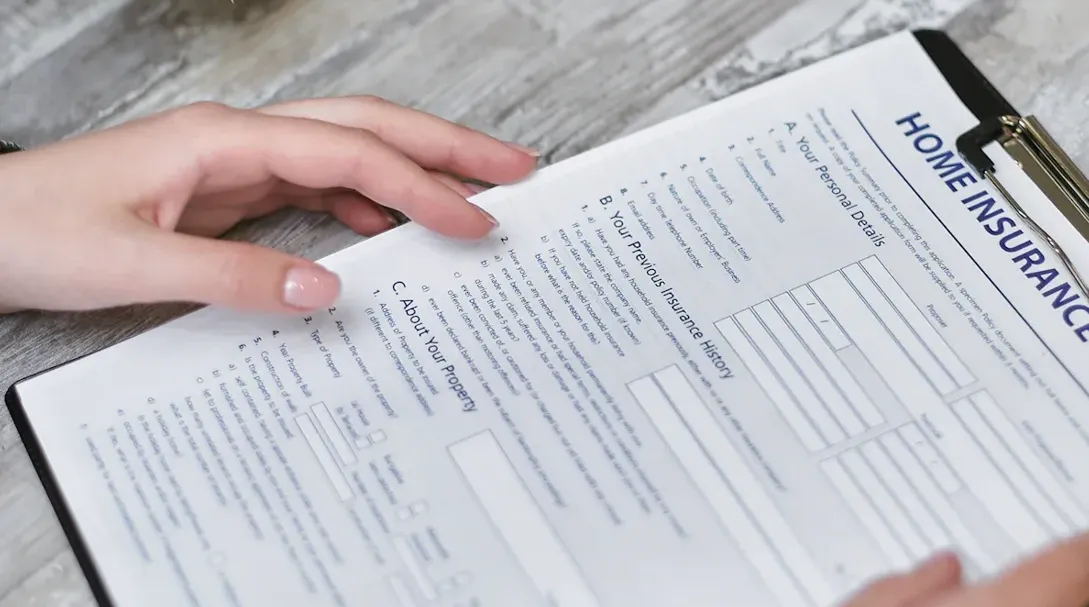
Commonly Accepted Documents
When meeting proof of address requirements in 2025, you will need to provide valid proof of address documents. These documents must confirm your residence and meet the updated standards. Institutions often accept commonly used identification documents that are easy to obtain. Here are some examples:
|
Document Type |
Validity Period |
|
Recent utility bills (water, electricity, gas, internet) |
Past 3 months |
|
Bank statement |
Past 3 months |
|
Bank reference letter |
Past 3 months |
|
Mortgage statement or contract |
Current year |
|
Letter from a public authority |
Varies by letter type |
|
Official government letters (tax statements, Social Security, etc.) |
Varies by letter type |
|
Municipality bill |
Past 3 months |
|
Council tax bill |
Current year |
These documents are widely recognized as acceptable forms of ID for proof of address. For example, a recent utility bill or a bank statement can serve as valid proof of address if it includes your full name and current address. A lease agreement or mortgage statement is also a reliable option, especially for long-term residents. Always ensure that the document you provide is current and issued by a credible source.
Digital Proof of Address
In 2025, digital proof of address is becoming more common. Many institutions now accept electronic versions of proof of address documents. This shift makes it easier for you to meet proof of address requirements without relying on paper copies. For instance, you can download a digital bank statement or utility bill directly from your provider’s website. These documents must still include your name, address, and the date of issue.
Some government agencies and private organizations also offer online portals where you can upload digital identification documents. These systems verify your proof of residence in real time. For example, if you need to renew your license, you might be able to submit a scanned copy of your lease agreement or a digital tax statement. Always check the specific requirements of the institution to ensure your digital proof of address is acceptable.
Special Cases for Proof of Residency
Certain situations may require unique solutions for proving your residence. If you do not have traditional proof of address documents, you can explore alternative options. For example, a letter from a public authority or a signed affidavit from your landlord can serve as valid proof of address. These documents are especially helpful if you live in shared housing or do not have utility bills in your name.
For international residents, a valid U.S. passport or visa may be required alongside other proof of address documents. Some states also accept student IDs or employment records as acceptable forms of ID. If you are unsure about what documents to provide, contact the institution directly for guidance. They can help you determine which proof of address documents meet their requirements.
Obtaining Proof of Residence Without Traditional Documents
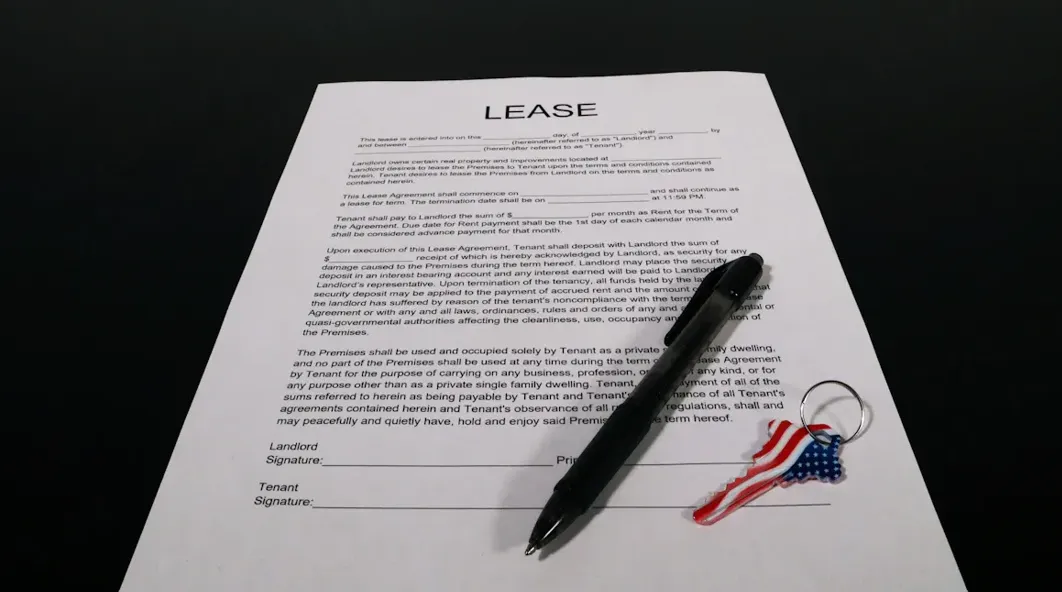
Alternative Documentation Options
If you lack traditional documents like utility bills or bank statements, you can still provide proof of address through alternative documentation. These options are especially helpful for individuals in unique living situations or those without access to standard records. Here are some alternatives you can consider:
-
Church or School Records: These documents can serve as secondary evidence when primary documents are unavailable. For example, a letter from your school confirming your address can act as proof of residency.
-
Employment Records: Pay stubs or official letters from your employer that include your address can also work as proof of address.
-
Medical Records: If you have visited a healthcare provider, their records may include your current address and can be used as evidence.
-
Affidavits: When both primary and secondary documents are unavailable, affidavits become a reliable option. You will need at least two affidavits from individuals who can confirm your residence based on personal knowledge.
These alternatives ensure that you can still meet identity verification requirements even if you do not have traditional proof of address documents.
Using Affidavits or Letters
Affidavits and letters are powerful tools for proving your residence when other documents are unavailable. An affidavit is a sworn statement that confirms specific facts, such as your address. It must be notarized to be legally valid. For example, a notarized Affidavit of Residency can establish your address or confirm the residence of someone living with you. This document is widely accepted in various legal contexts.
You can also use letters from credible sources to prove your address. These might include:
-
A letter from your landlord confirming your tenancy.
-
A letter from a government agency or public authority.
-
A letter from a shelter or housing organization if you are experiencing homelessness.
These documents provide flexibility and ensure that you can meet proof of residency requirements, even in challenging circumstances.
Solutions for Unique Situations
Certain situations require creative solutions for proving your residence. If you live in shared housing or do not have bills in your name, you can explore these options:
-
Roommate or Landlord Statements: A signed letter from your roommate or landlord can confirm your address. Ensure the letter includes their contact information and is dated.
-
Temporary Housing: If you are staying in temporary housing, a letter from the organization managing the facility can serve as proof of address.
-
Student Housing: For students, a letter from your school or university confirming your residence in campus housing can act as valid proof.
-
Digital Records: In some cases, digital records like online bank statements or e-bills can be used. These must include your name, address, and the date of issue.
By understanding these solutions, you can navigate unique situations and still meet identity verification requirements. Always check with the institution requesting proof of address to confirm which documents they accept.
Legal Updates for Proof of Residence in 2025
Changes in Document Requirements
In 2025, updates to document requirements for proof of residence aim to enhance security and accuracy. You will notice changes in forms like the revised Form I-9, which now includes a new list of acceptable documents for work authorization. For example, the U.S. Department of Homeland Security has added a link to examples of employment authorization documents under List C of Form I-9. These updates ensure that foreign nationals maintain specific documents to prove their legal immigration status.
If you are an Illinois resident, you should pay close attention to these changes. Illinois has introduced stricter guidelines for proof of residence to align with federal standards. These updates impact how you provide identification when applying for services or verifying your address. Staying informed about these changes will help you avoid delays or rejections.
Real ID Requirements and Proof of Residency
The Real ID requirements play a significant role in proof of residence in 2025. To obtain a Real ID-compliant identification, you must provide documents that verify your address, identity, and legal status. For example, Illinois real ID guidelines require you to submit two documents proving your address, such as a utility bill or a bank statement. These documents must be current and include your full name and address.
Real ID-compliant identification is essential for accessing federal facilities, boarding domestic flights, and other official purposes. If you live in Illinois, you must ensure your documents meet the state’s Real ID requirements. This step will save you time and ensure you remain compliant with federal regulations.
State-Specific Proof of Address Rules
Each state has unique rules for proof of residence. In Illinois, you must provide specific documents to meet the state’s requirements. For instance, Illinois real ID guidelines emphasize the need for accurate and up-to-date identification. You may need to submit additional documents if your address has changed recently.
Other states may have different rules, so it is important to check the specific requirements where you live. Some states accept digital proof of address, while others still rely on paper documents. Understanding your state’s rules will help you prepare the correct documents and avoid unnecessary complications.
Practical Tips for Meeting Proof of Residence Requirements
Ensuring Document Validity
To meet proof of residence requirements, you must ensure your documents are valid and acceptable. Institutions often reject outdated or incomplete records. Always check the issue date on your documents. For example, utility bills or bank statements should typically be no older than three months.
Verify that your full name and address match the information on your identification. If there are discrepancies, update your records immediately. Double-check that the document comes from a credible source, such as a government agency or a recognized service provider.
Keeping Proof of Residency Updated
Keeping your proof of residency updated is essential. Changes in your address or personal details can make your current documents invalid. Update your address with your bank, utility providers, and government agencies as soon as you move.
Digital records can simplify this process. Many institutions allow you to update your address online. For example, you can log in to your utility provider’s website to update your billing address. Always save a copy of the updated document for future use.
Handling Rejections or Issues
Rejections can happen if your documents fail to meet the required standards. If this occurs, contact the institution immediately to understand the issue. They can guide you on how to resolve it.
Prepare alternative documents if your initial proof of residence is rejected. For example, if a utility bill is not accepted, try submitting a bank statement or a letter from a public authority. In Illinois, you may need to provide additional documents to meet the state’s identification rules.
Understanding proof of residence requirements in 2025 ensures you stay compliant with updated laws. You now know which documents to use, how to handle unique situations, and the importance of keeping your records current.
Staying informed protects you from delays and rejections. Regularly check for changes in your state’s rules and update your documents as needed.
Take proactive steps today. Gather acceptable documents, verify their validity, and prepare backups. These actions will save you time and ensure you meet legal standards with ease.
FAQ
What happens if my proof of residence document is outdated?
Institutions may reject outdated documents. Always check the issue date before submission. Most organizations require documents issued within the last three months. If your document is outdated, update it with the issuing authority or provide an alternative document.
Can I use digital proof of address for all institutions?
Not all institutions accept digital proof of address. Some still require paper copies. Always confirm the requirements of the organization beforehand. If digital proof is accepted, ensure the document includes your name, address, and issue date.
What should I do if my proof of residence is rejected?
If your document is rejected, contact the institution to understand why. Provide alternative documents like a bank statement or a letter from a public authority. Always keep multiple forms of proof ready to avoid complications.
Are affidavits accepted as proof of residence everywhere?
Affidavits are not universally accepted. Some institutions require notarized affidavits, while others may not accept them at all. Check with the organization to confirm if an affidavit meets their requirements.
How can I prove my address if I live in shared housing?
If you live in shared housing, ask your landlord or roommate for a signed letter confirming your address. Include their contact information and the date. Some institutions may also accept a lease agreement or a utility bill in the landlord’s name.
Related content