
Pioneering Digital Payments Empowering Small Businesses
Author:XTransfer2025.08.29Pioneering Digital Payments
Pioneering digital payments are redefining how small businesses operate. By replacing traditional cash transactions with e-payments, businesses can improve efficiency, reduce costs, and cater to modern customer preferences. Recent studies reveal that 73% of small businesses view digital payment innovations as essential for growth. These systems not only streamline operations but also open doors to global markets. For example, instant cross-border payment platforms now empower small enterprises to transact internationally with ease, leveling the playing field with larger corporations. This shift is more than a trend—it’s a revolution in financial accessibility and business scalability.
The Importance of Digital Payments for Small Businesses
Why small businesses need digital payment solutions
Digital payment solutions have become essential for small businesses aiming to thrive in today’s competitive landscape. These systems offer several advantages that streamline operations and enhance customer satisfaction:
-
Time Savings: Automating payment collection reduces the time spent managing receipts and tracking transactions.
-
Improved Cash Flow: Payments are processed instantly, ensuring funds reach your account quickly.
-
Enhanced Customer Experience: Customers enjoy the convenience of fast, secure payments and instant invoice notifications.
-
Security Features: Advanced encryption protects sensitive data, reducing fraud risks.
-
Cost-Effectiveness: Digital payment methods often come with lower fees and transparent pricing.
-
Support for Business Growth: Accepting payments from anywhere expands your customer base and revenue potential.
The digital payments market is projected to reach $160 billion by 2028, with small and medium businesses processing 45% of transactions. This growth highlights the increasing reliance on pioneering digital payments to meet modern business needs.
The impact of cashless economies on small business operations
The shift toward a cashless digital economy has transformed how businesses operate. By adopting digital payment methods, you can reduce the time spent on cash management and improve operational efficiency. Faster transaction processing also shortens queue times, especially during peak hours, leading to higher customer satisfaction.
A recent study found that 84% of consumers prioritize speed and convenience when choosing a payment method. This preference drives the adoption of cashless payments, ensuring your business stays competitive. Additionally, digital payments eliminate the risks associated with handling cash, such as theft or human error.
The chart below illustrates the growing significance of digital payments in small business operations:
By embracing cashless retail payments, you position your business to thrive in an increasingly digital world.
Pioneering Digital Payment Technologies
Mobile payment solutions for small businesses
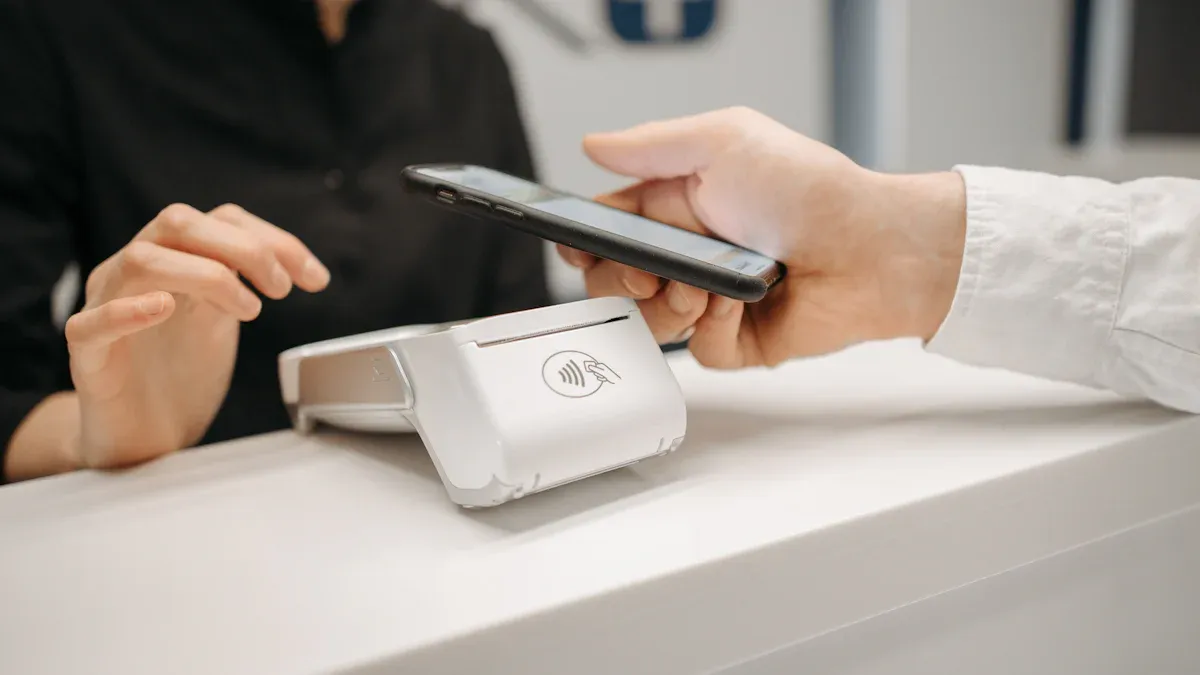
Mobile payment solutions have transformed how small businesses operate. By adopting these systems, you can offer faster checkouts, diverse payment options, and improved customer satisfaction. Mobile money platforms, such as digital wallets, simplify purchasing processes by enabling quick funds transfers and storing loyalty cards. Tap-to-Pay technology allows customers to make transactions directly through smartphones, enhancing convenience for both parties.
A local boutique expanded its customer base by implementing an online payment system, while a small-town bakery increased sales by introducing mobile payment solutions. These examples highlight how embracing mobile money can help you reach broader markets and boost revenue. With mobile payment solutions, you can streamline operations, reduce manual errors, and improve cash flow.
Blockchain for secure and transparent transactions
Blockchain technology offers a revolutionary approach to secure transactions. By using a decentralized ledger system, you can ensure that your financial data remains accurate and tamper-proof. This digital payment technology reduces fraud risks and enhances transparency, making it ideal for small businesses. Blockchain also automates agreements through smart contracts, simplifying processes like invoicing and supply chain management.
For example, blockchain’s immutable nature ensures that every transaction is traceable, providing you with a clear audit trail. This transparency builds trust with customers and partners, while the enhanced security protects your business from cyber threats. By integrating blockchain into your digital payment structure, you can create a safer and more efficient payment system.
AI-powered systems for smarter payment management
AI-powered systems are reshaping digital payment technologies by offering smarter management tools. These systems automate payroll, employee payments, and invoicing, reducing operational costs and ensuring timely transactions. Predictive analytics analyze historical payment data to forecast trends, helping you manage cash flow effectively.
AI also enhances security by monitoring transaction history and detecting anomalies. For instance, it can implement additional verification steps when suspicious activity occurs, ensuring secure transactions. Additionally, AI identifies customer preferences and trends, uncovering hidden revenue streams and improving customer experience. By leveraging AI, you can stay competitive in a digital-first environment and build trust with your customers.
Instant cross-border payments with platforms like XTransfer
Expanding your business globally requires efficient payment systems. Instant cross-border payments allow you to send and receive funds across countries without delays. This capability is crucial for small businesses aiming to compete in international markets. Platforms like XTransfer make this process seamless and cost-effective, empowering you to focus on growth rather than financial complexities.
XTransfer connects small businesses with trusted financial institutions worldwide. By leveraging advanced technology, it reduces global trade costs by up to 10%. Over 10,000 clients from diverse industries already use XTransfer to simplify their cross-border transactions. The platform’s high customer retention rate of 90% reflects its reliability and effectiveness. For small businesses, this means fewer barriers to entering global markets and more opportunities to scale operations.
Using XTransfer also enhances your financial management. The platform ensures secure transactions, protecting your business from risks like fraud. Its streamlined processes save time and reduce manual errors, allowing you to allocate resources more efficiently. With a 25% profit margin, XTransfer demonstrates how small businesses can achieve significant cost savings while improving operational efficiency.
Adopting instant cross-border payments through platforms like XTransfer positions your business for success in the global economy. You gain access to international customers, faster payment processing, and reduced transaction costs. These advantages help you stay competitive and unlock new revenue streams.
Benefits of Digital Payment Innovations
Enhanced operational efficiency and cost savings
Digital payment innovations significantly improve how you manage your business operations. Integrated payment systems automate tasks like invoicing, payment processing, and financial reconciliations. This automation reduces manual work, saving time and minimizing errors. For example, JP Morgan's straight-through processing system allows 95% of wholesale payments to be completed without manual intervention, drastically lowering transaction costs.
You can also achieve substantial cost savings by adopting these systems. Transitioning to cloud-based payment infrastructure reduces operational expenses by 15-20%. API-based integrations cut payment initiation costs by up to 50%. Additionally, automated reconciliation processes save banks 60-80% in payment processing costs. These savings allow you to allocate resources more effectively, focusing on growth and customer satisfaction.
Digital payment systems also enhance cash flow. Instant settlements ensure that funds reach your account quickly, reducing reliance on credit. By simplifying record-keeping and providing real-time financial data, these systems empower you to make informed decisions. This streamlined payment experience boosts productivity and positions your business for sustainable growth.
Improved customer experience and loyalty
Offering seamless digital transactions enhances the experience for your customers. Contactless payment methods, for instance, speed up service rates by up to 40%, reducing wait times and improving satisfaction. A shorter checkout process ensures that customers leave with a positive impression of your business.
Customers value convenience and security. Digital payment systems provide both by offering encrypted transactions and instant notifications. This builds trust and encourages repeat business. Studies show that reducing customer effort increases loyalty intention by 94%. By adopting digital payment solutions, you create a hassle-free experience that keeps customers coming back.
Efficient payment processes also prevent lost sales. Research reveals that 16% of consumers abandon purchases due to long checkout lines. By implementing faster payment methods, you can capture these sales and improve your bottom line. A focus on customer convenience not only drives loyalty but also enhances your reputation in the market.
Access to global markets and new revenue opportunities
Pioneering digital payments open doors to international markets. Platforms that support cross-border transactions allow you to sell products and services to customers worldwide. This capability is essential for small businesses aiming to expand their reach. In fact, 50% of small businesses plan to increase cross-border sales, and 68% of consumers feel comfortable buying from businesses in other countries.
Digital payment innovations also address concerns like fraud protection, which is a key factor for 57% of consumers hesitant about international purchases. By offering secure payment options, you can build trust with global customers and encourage them to choose your business.
An online presence further amplifies your opportunities. During the pandemic, 90% of small businesses with digital sales channels attributed their survival to increased online efforts. By leveraging digital payment systems, you can tap into new revenue streams and ensure your business remains competitive in a globalized economy.
Addressing Challenges in Digital Payment Adoption
Overcoming security concerns and building trust
Security remains one of the most significant barriers when adopting digital payment systems. As a small business owner, you may worry about fraud, data breaches, or unauthorized transactions. These concerns are valid, but modern digital payment initiatives have introduced robust security measures to address them. Encryption, tokenization, and multi-factor authentication protect sensitive information, ensuring your transactions remain secure.
Building trust with your customers is equally important. When customers feel confident that their payment details are safe, they are more likely to complete transactions. Displaying security certifications, such as PCI DSS compliance, on your website or payment portals can reassure them. Additionally, offering secure payment options like digital wallets or QR code payments demonstrates your commitment to safeguarding their data.
Small businesses often face significant hurdles in adopting digital payment systems, including limited financial resources, a lack of specialized financial teams, and inadequate technological infrastructure. Furthermore, many small businesses find themselves navigating a mixed payment landscape, where they must integrate traditional systems with newer technologies, complicating the transition.
By addressing these challenges head-on, you can create a secure and trustworthy payment environment that benefits both your business and your customers.
Simplifying system integration for small businesses
Integrating digital payment systems into your existing operations may seem daunting, especially if you lack technical expertise. However, many modern solutions are designed with simplicity in mind, making it easier for small businesses to adopt them.
For instance, QR code payments and tap-on-phone systems require minimal setup and can seamlessly integrate into your current processes. These solutions not only enhance customer convenience but also reduce the need for expensive hardware. Digital wallets and automated payment systems further simplify operations by streamlining invoicing, payment processing, and reconciliation.
The table below highlights how different payment methods can benefit your business while ensuring easy integration:
|
Payment Method |
Benefits |
Integration Ease |
|
QR Code Payments |
Touchless, secure, versatile for various business models |
Seamlessly integrates into existing systems |
|
Tap-on-Phone Systems |
Convenient for in-person transactions, enhances customer experience |
Easy integration with mobile devices |
|
Digital Wallets |
Streamlined payment process, supports multiple currencies |
Compatible with various platforms |
|
Automation in Payments |
Reduces errors, enhances efficiency in invoicing and payment processing |
Integrates with accounting software |
By choosing solutions that align with your business needs, you can overcome integration challenges and unlock the full potential of digital payments.
Educating small businesses on digital payment benefits
Many small businesses remain hesitant to adopt digital payment systems due to a lack of understanding about their advantages. Educating yourself and your team about these benefits can help you make informed decisions and stay competitive.
Digital payment initiatives offer more than just convenience. They improve cash flow, reduce operational costs, and enhance customer satisfaction. For example, instant payments eliminate delays, ensuring you receive funds quickly. Automated systems reduce errors and save time, allowing you to focus on growing your business.
Workshops, webinars, and online resources can provide valuable insights into how digital payments work and how they can transform your operations. Partnering with trusted platforms like XTransfer can also help you navigate the complexities of cross-border payments and leverage their expertise to grow your business.
By staying informed and proactive, you can overcome the barriers of digital payments lagging behind traditional methods and position your business for long-term success.
How XTransfer supports small businesses in overcoming barriers
Adopting digital payment systems can feel overwhelming, especially when you face challenges like limited resources, security concerns, or complex integration processes. XTransfer simplifies this journey by offering tailored solutions that address these barriers. Here’s how XTransfer empowers your business to thrive in the digital payment landscape:
1. Streamlined Cross-Border Payments
XTransfer eliminates the complexities of international transactions. Its platform connects you with trusted financial institutions worldwide, ensuring seamless and cost-effective cross-border payments. You no longer need to worry about high fees or delayed transactions.
2. Enhanced Security Measures
Security is a top priority for any business. XTransfer uses advanced encryption and fraud detection technologies to protect your transactions. These measures ensure that your financial data remains safe and secure.
-
Multi-layered Protection: XTransfer employs tokenization and multi-factor authentication to safeguard sensitive information.
-
Fraud Monitoring: The platform continuously monitors transactions for suspicious activity, giving you peace of mind.
By prioritizing security, XTransfer helps you build trust with your customers and partners.
3. User-Friendly Integration
Integrating new payment systems can be daunting, but XTransfer makes it simple. The platform is designed to work seamlessly with your existing processes, minimizing disruptions.
-
Easy Setup: You can quickly onboard your business without needing extensive technical expertise.
-
Scalable Solutions: Whether you’re a small startup or an expanding enterprise, XTransfer adapts to your needs.
This flexibility ensures that you can focus on running your business while XTransfer handles the technical details.
4. Cost-Effective Solutions for Small Businesses
XTransfer understands the financial constraints of small businesses. Its transparent pricing model ensures that you only pay for what you use.
|
Feature |
Benefit |
|
Low Transaction Fees |
Save money on every cross-border payment. |
|
No Hidden Charges |
Enjoy full transparency in pricing. |
|
Scalable Pricing Plans |
Choose a plan that fits your business size and transaction volume. |
These cost-effective solutions allow you to allocate resources more efficiently.
5. Dedicated Support and Education
XTransfer goes beyond providing a platform. It offers dedicated support to help you navigate the complexities of digital payments.
-
Customer Support: Access a team of experts who can assist you with any questions or issues.
-
Educational Resources: Learn about best practices and strategies for managing cross-border payments.
6. Global Market Access
XTransfer opens the door to international opportunities. Its platform enables you to accept payments from customers worldwide, expanding your reach and revenue potential.
-
Multi-Currency Support: Accept payments in various currencies without hassle.
-
Faster Settlements: Receive funds quickly, improving your cash flow.
This global access positions your business for long-term success in an increasingly interconnected world.
By addressing these key barriers, XTransfer ensures that you can adopt digital payment systems with confidence. Its innovative solutions empower you to overcome challenges, streamline operations, and focus on what matters most—growing your business.
Future Trends in Digital Payments

Contactless and biometric payment methods
Contactless payment methods are reshaping how you interact with customers. These systems allow transactions through technologies like NFC (Near Field Communication) or QR codes, eliminating the need for physical cash or cards. As customer interest in faster and more secure payments grows, businesses like yours must adapt. In fact, 92% of U.S. consumers have used digital payments in the past year, showcasing a significant shift in behavior.
Biometric payment methods, such as fingerprint or facial recognition, are also gaining traction. These systems enhance security by linking payments to unique biological traits. However, high implementation costs and the need for advanced infrastructure can pose challenges for small businesses. Despite these barriers, the market for contactless biometric technology is expected to grow, signaling its potential to transform the future of finance.
Integration with IoT and smart devices
The Internet of Things (IoT) is revolutionizing digital payments by connecting everyday devices to payment systems. Smart devices like wearable tech, smart speakers, and connected appliances now enable seamless transactions. For example, a smartwatch can process payments with a simple tap, offering unparalleled convenience.
Integrating IoT into your business can streamline operations and improve customer experience. Imagine a smart vending machine that automatically processes payments or a retail store where customers pay through voice commands. These innovations not only enhance efficiency but also position your business as forward-thinking. As IoT adoption grows, you can expect more opportunities to leverage this technology for inclusive financial services.
Expanding financial inclusion through digital platforms
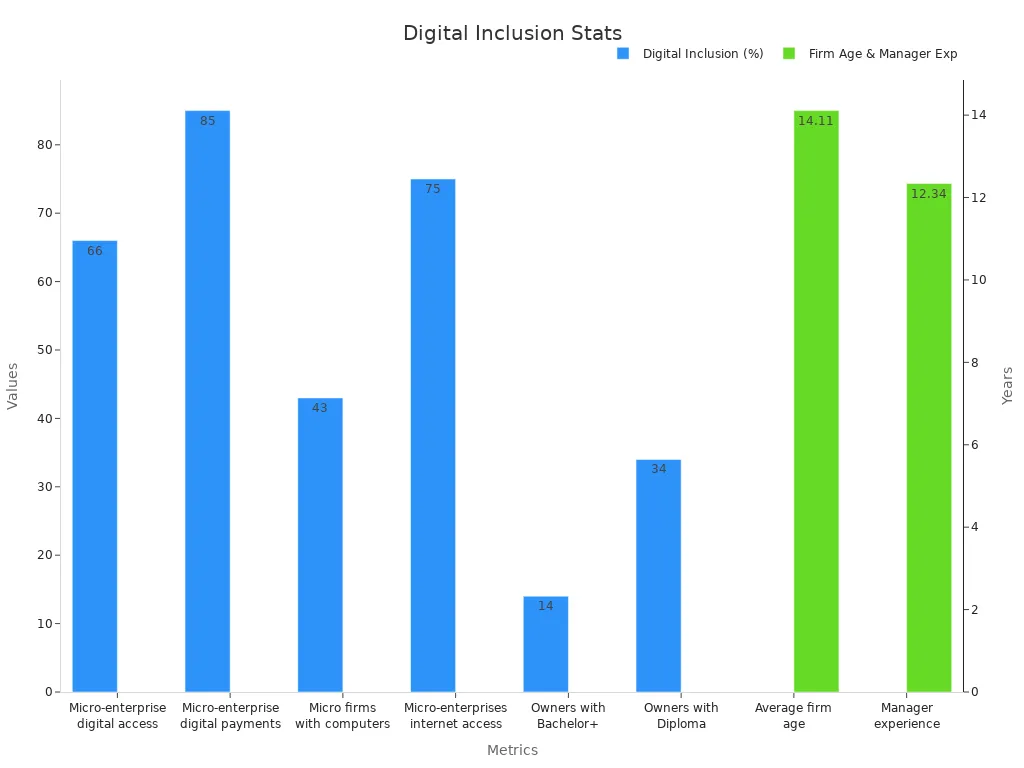
Digital platforms play a crucial role in expanding financial inclusion for small businesses. They provide access to tools and services that were once limited to larger enterprises. For instance, 66% of micro-enterprises now use digital financial systems, and 85% rely on these platforms for payments. This shift enables you to reach underserved markets and grow your business.
Factors like internet access, education level, and firm age positively impact digital financial inclusion. Businesses with internet access are 10.1% more likely to use digital financial services. Owners with higher education levels and experienced managers also tend to adopt these systems more readily. By embracing digital platforms, you can offer inclusive financial services and unlock new opportunities.
Digital platforms not only simplify payments but also empower you to connect with global markets. This transformation ensures that small businesses like yours remain competitive in an increasingly digital economy.
Preparing small businesses for the future of payments
Preparing for the future of payments requires you to embrace emerging trends and adapt to evolving consumer expectations. Digital payment systems are no longer optional—they are essential for staying competitive in a rapidly changing market. By taking proactive steps, you can position your business for long-term success.
Many small businesses still rely on outdated manual systems, which create inefficiencies and limit growth. Over half of these businesses depend heavily on manual data entry. This approach is no longer sustainable as the demand for faster, automated payment solutions grows. Transitioning to digital systems will help you streamline operations and reduce errors.
"Fraud is now what we’re seeing that’s pushing more and more people to take this seriously and move it back up the priority list."
To prepare for the future, consider adopting technologies that align with consumer preferences. For example:
-
82% of merchants plan to expand their use of digital wallets. This shift reflects the growing popularity of contactless payments.
-
14% of midmarket firms aim to adopt virtual cards, a 322% increase from current levels. Virtual cards offer enhanced security and fraud protection.
Automation also plays a critical role in future-proofing your payment processes. Automated systems reduce manual work, improve accuracy, and provide real-time insights into your financial data. These tools allow you to focus on growth rather than administrative tasks.
Staying informed about payment trends is equally important. Attend workshops, explore webinars, and partner with trusted platforms to gain insights into the latest innovations. By doing so, you can make informed decisions and ensure your business remains competitive in the evolving digital economy.
Pioneering digital payments drive small business growth by simplifying transactions, improving accessibility, and reducing costs. These innovations offer seamless payment experiences, enhanced security, and inclusive financial services. For example, they bridge the gap between technology and financial inclusion, empowering businesses to reach more customers.
Adopting these solutions positions your business for success. Platforms like XTransfer enable instant cross-border payments, helping you expand globally while saving time and money. By embracing digital payment technologies, you can unlock new opportunities and stay competitive in a rapidly evolving market.
FAQ
1. What are the main benefits of adopting digital payment systems for small businesses?
Digital payment systems improve cash flow, reduce operational costs, and enhance customer satisfaction. They also provide secure transactions, faster payment processing, and access to global markets. These benefits help you streamline operations and grow your business efficiently.
2. How can I ensure the security of digital payments for my business?
Use platforms with encryption, tokenization, and multi-factor authentication. Display security certifications like PCI DSS compliance to build customer trust. Regularly update your systems and educate your team about fraud prevention to maintain a secure payment environment.
3. Are digital payment systems expensive to implement?
Many digital payment solutions are cost-effective and scalable. Options like QR code payments or digital wallets require minimal setup. Platforms like XTransfer offer transparent pricing and tailored plans, ensuring affordability for small businesses.
4. How do digital payments help small businesses expand globally?
Digital payment platforms enable you to accept multiple currencies and process cross-border transactions seamlessly. This access to international markets allows you to reach more customers, reduce trade costs, and unlock new revenue opportunities.
5. What should I consider when choosing a digital payment platform?
Look for features like security, ease of integration, and scalability. Ensure the platform supports your business needs, such as cross-border payments or mobile solutions. Reliable customer support and transparent pricing are also essential factors to consider.
Related content