
How to Choose the Best Transformers for Global Trade Success
Author:XTransfer2025.08.19Transformer
Choosing the right transformer helps your business grow worldwide. More people want transformers now. The global transformer market may reach $3.90 billion by 2030. Asia-Pacific is growing the fastest. This is because more people live in cities and use renewable energy.
|
Aspect |
Data / Trend |
|
Current Market Size |
USD 2.80 billion (2025) |
|
Forecast (2030) |
USD 3.90 billion |
|
Fastest-Growing Region |
Asia-Pacific |
|
Key Drivers |
Smart grids, urban expansion, renewable energy, regulations |
There is a lot of competition in global trade. Using data-driven strategies helps my business find new chances. It also helps me connect with buyers in every trading hub.
Highlights
-
Pick transformers that fit each project’s needs. Think about how you will use them, the voltage, and the size. This helps keep things safe and working well.
-
Work with companies that use world rules and have important certificates. This makes sure the products are good and trade goes smoothly.
-
Add smart features and special designs to transformers. This helps match what buyers want and makes your product different in each market.
-
Follow all trade rules from around the world and your country. Make sure your export papers are correct. Keep learning about new rules to stop problems and extra costs.
-
Use tools that help you look at data. Make strong connections with good buyers and sellers. This will help your business grow in many countries.
Transformer Selection Criteria
Application Needs
When I pick a transformer for global trade, I first look at what the project needs. Each project is different. Some need transformers for big factories. Others need them for renewable energy or smart grids. I follow rules from NEMA, ANSI, and IEEE. These rules help me choose the right product for each job. For example, NEMA rules help me pick the best transformer cooling fan for distribution and dry-type transformers. ANSI’s C57 series gives me clear steps for design, testing, and care. These steps make sure my products are safe and work well.
Here are some ways project needs guide my choices:
-
Modern power grids need real-time data monitoring.
-
Fire resistance is important in hospitals or tunnels, so I use cast resin transformers.
-
I look for software that helps with predictive maintenance.
-
Good monitoring helps me stop problems and make my products last longer.
-
Top companies like GE, ABB, Siemens, Schneider Electric, and Eaton keep making new things to meet these needs.
I have seen that picking the right transformer helps me do better than others. A study using three public datasets showed that using transformer models with reinforcement learning made things more accurate and flexible. This helped me make better choices and stay ahead of others.
Voltage and Capacity
Voltage and capacity are very important when picking a transformer. I never guess these numbers. I use international rules like IEC 60076 and EN 50588-1 to help me. These rules tell me the right voltage, insulation, and safety limits. I always figure out the biggest load and pick the right transformer cooling fan to handle the heat.
Here’s a table that helps me compare different transformer types:
|
Transformer Type |
Rated Voltage (kV) |
Rated Capacity (MVA or kVA) |
|
Skid Mounted Transformer |
Up to 44 kV |
Up to 20 MVA |
|
Single Phase Pole Mounted |
N/A |
5 to 333 kVA |
|
Oil Immersed Power Transformer |
Up to 400 kV |
10 to 300 MVA |
When I pick a transformer, I look at the grid voltage and the load. For example, if the biggest load is 3500 kW and the power factor is 0.8, I choose two transformers rated about 3150 kVA each. This keeps my products safe and working well.
I also check the transformer cooling fan. If the transformer works hard, the cooling fan must be strong enough to stop it from getting too hot. This keeps my investment safe and makes my customers happy.
Customization Options
Customization makes my products special. I listen to what my customers want and add features that fit their needs. Some buyers want color-changing or special designs for LED transformers. Others want smart features like remote control or dimming. I always work with companies that can give these options.
-
Customization makes my products more useful and liked.
-
Smart features like remote control and dimming make things easier for users.
-
A transformer cooling fan with adjustable speed or smart sensors is a good extra.
-
Personal touches bring in more buyers and help me reach new markets.
I have seen that customization helps my products work better and sell more. New transformer models with smart features give users more control and choices. This makes my products stand out from others.
Here’s a chart that shows how different transformer designs change performance and training time:
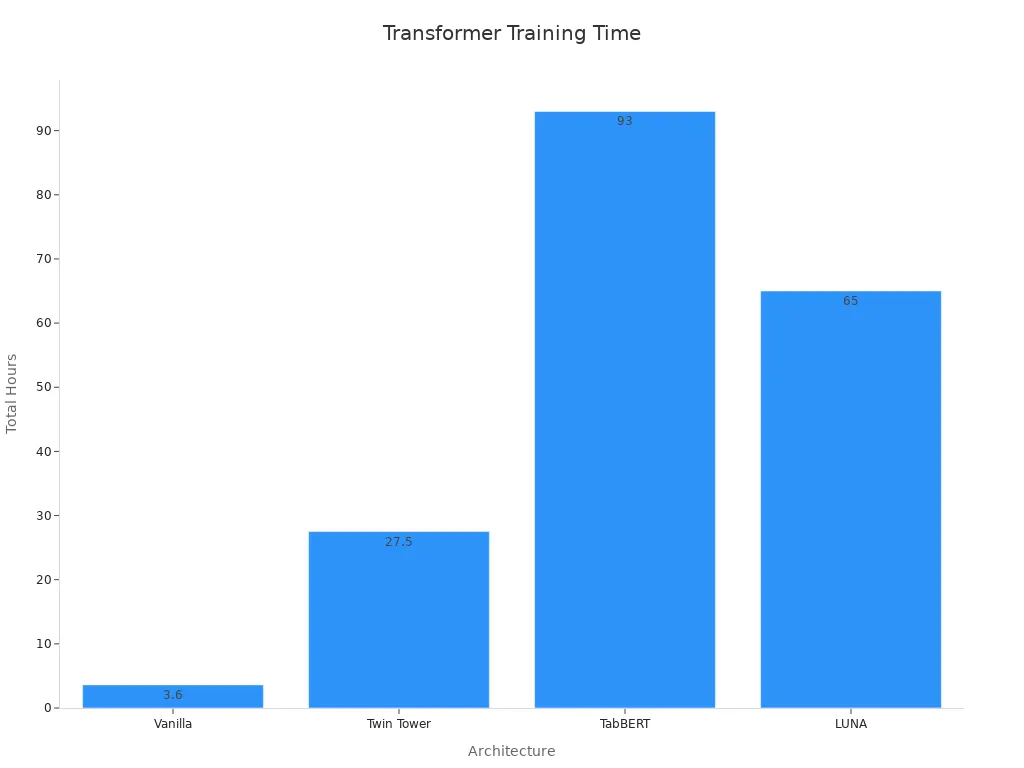
The chart shows that the right design, including customization, can make things work better and faster. I always pick companies that know how important a good transformer cooling fan and custom features are.
Call to Action: If you want to do well in global trade, focus on what the project needs, voltage and capacity, and customization. Work with companies that care about quality and new ideas.
Product Quality and Certifications
International Standards
I always check if a transformer meets top world standards before exporting. These standards help my products work well and last longer. I look for rules like IEC 60076, IEEE, and ANSI. These rules tell me how to design and test transformers safely. I trust these rules because they help me avoid trouble in other countries. For example, I use IEC rules to pick the best transformer cooling fan for each job. This keeps my transformer safe, even in hard places.
Key Certifications
Certifications show that my transformers are good quality. They tell buyers my products are safe and work well. I always look for these main certifications:
|
Certification/Standard |
Description |
Relevance to Transformer Quality |
|
IATF 16949 |
Automotive industry quality management system |
Ensures reliability and consistency critical for automotive electrical systems including transformers |
|
IECQ QC 080000 |
Hazardous Substance Process Management for electronics |
Demonstrates environmental responsibility and safe, sustainable materials in transformers |
|
ISO 9001 |
General quality management system |
Guarantees systematic, efficient, and customer-focused manufacturing processes for transformers |
|
RoHS |
Restriction of Hazardous Substances Directive |
Ensures transformers are free from hazardous substances, meeting environmental standards |
|
REACH |
Chemical safety regulation |
Confirms transformers are free from harmful chemicals, prioritizing health and safety |
|
UL |
Safety certification by Underwriters Laboratories |
Validates rigorous safety testing and compliance for transformers |
|
3A |
Manufacturing quality certification |
Marks high quality and reliability in transformer production |
I learned that about 73% of electrical equipment fails because safety rules are missing. Using certified transformers lowers my risks and helps buyers trust me. Certifications like IEC, UL, and CE also help me sell in new places faster.
Testing Protocols
Testing is needed for every transformer I export. I use UL-certified test benches to check my products. These test benches follow IEEE, IEC, and ANSI rules. They give me good results and keep my transformer cooling fan working right. I test for safety, performance, and reliability. This helps me stop mistakes and delays.
-
UL-certified test benches give me exact numbers.
-
Automated steps help me make fewer mistakes and save time.
-
Safety parts keep my team safe during high-voltage tests.
-
Products tested this way earn more trust from buyers.
I always follow strict testing steps. This helps my transformers pass export checks and keeps my business strong in global trade.
Trade Compliance Essentials
Global Regulations
I always think about global rules first when exporting. Groups like IEC, ANSI, and IEEE make safety and performance rules. I follow IEC 60076 and IEEE 1547 to meet these rules. This helps me avoid trade problems and gain trust from buyers. I use IndexBox to watch top import markets and new rule changes. This keeps my business strong in global trade.
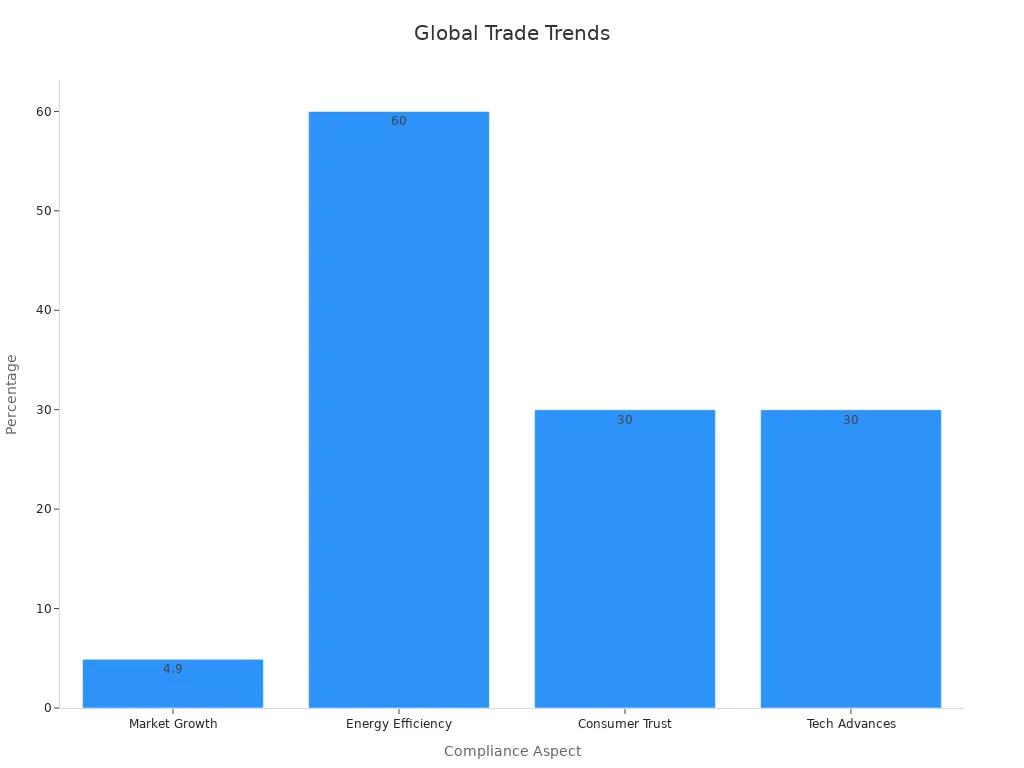
Here is a table that shows why following rules matters for global trade:
|
Aspect |
Evidence / Trend |
Impact on Transformers and Global Trade |
|
Market Growth |
Power supply market may reach USD 50.9 billion by 2026, CAGR about 4.9% (MarketsandMarkets) |
Growth comes from following certification rules, showing why rules are important |
|
Certification Standards |
IEC and UL certifications needed more; IEC 62368-1 is replacing old rules; CE mark (Europe), FCC (US) |
Following rules is needed to sell, avoid delays, and look good to buyers |
|
Energy Efficiency & Sustainability |
EU Eco Design rule, Energy Star label used a lot; over 60% of buyers want energy-saving products |
Meeting energy and green rules is key for selling and trust |
|
Consumer Trust & Premiums |
IEC says certified products can cost 30% more; NIST found ENERGY STAR goods get 10-15% higher prices |
Following rules helps sell more and makes the brand stronger |
|
Technological Advances |
AI and IoT make testing and rule checks about 30% faster (Frost & Sullivan); automated tests make things more reliable |
New tech helps follow rules faster and gives an edge over others |
|
Regional Variations |
Different places need different certifications (CE, UL, FCC); working with labs and certifiers early is smart |
Knowing local rules helps avoid problems when selling in new places |
|
Case Studies |
Companies with IEC and CE certifications sold more in Europe and other places |
Shows that following rules helps business, not just a chore |
|
Future Trends |
Rules are getting tougher, more focus on green and tech in rule checks |
Knowing world trade rules is needed to stay ahead and grow |
Export Documentation
I never forget about export paperwork. I get commercial invoices, packing lists, certificates of origin, and customs forms ready for each shipment. These papers must match the product and its code. If I miss something, my shipment could be late or sent back. Groups like IEC, IEEE, and ANSI want strict paperwork for global trade. The EU, China, and India all have their own paperwork rules. I keep up with changes by using trade websites and talking to customs experts.
-
I always check my papers follow the newest world and country rules.
-
I keep my paperwork right to avoid fines and clear customs faster.
-
I use online tools to track and handle my export papers.
Country-Specific Rules
Each country has its own transformer rules. The U.S. uses the National Electrical Code. The EU uses the Low Voltage Directive and EMC Directive. China and India use their own GB rules. I change my products and papers for each place. Over 20% of trade problems come from not following local rules. I stop these issues by learning each country’s rules before shipping. I also use websites to watch for new trade deals and tariffs. This helps me stay ahead and grow my business worldwide.
Attracting International Buyers
Online Presence
Having a strong online presence helps me reach buyers worldwide. When I make my website better, more people can find my products. I use sites like Volza.com and Trademo to show my transformers to buyers in other countries. These sites help me meet buyers from Asia-Pacific, Europe, and more. Each place wants something different. Asia-Pacific buyers want solutions that can grow with them. European buyers care about saving energy and being green. I change my ads to fit what each group wants. More buyers trust companies that are easy to find online. I also go to big trade shows like the Canton Fair. This event had over 200,000 buyers from many countries. Going to these events and being online helps me find more buyers. Reviews and ratings on these sites help new buyers trust me.
Sales Channels
I use many ways to sell my products to people around the world. I put my transformers on big shopping sites and B2B platforms. I also send emails and use social media ads to find buyers. When I use data to see who wants to buy, I find good buyers faster. For example, SuperAGI sold 25% more and made sales 30% faster by using these tools. I watch which ways bring the most buyers and focus on those. I also try new ways to find even more buyers. This helps me meet people who are ready to buy and keeps my sales strong.
-
I use LinkedIn to talk to business buyers.
-
I send samples to buyers in other countries to build trust.
-
I check how many people buy and change my plan to do better.
Market Profile
I learn about each market before I sell there. I find out what buyers in each place want. Some want transformers that save energy. Others want smart features. I use data from websites and social media to make a clear plan. This helps me find the right buyers and give them what they need. Companies like Hero Packaging sold more by learning about their markets and using the best ways to reach buyers. I do the same by watching who visits my site, how they act, and what my rivals do. Using data helps me find new buyers and grow in other countries.
|
Market Region |
Buyer Focus |
My Strategy |
|
Asia-Pacific |
Scalability, growth |
Offer flexible solutions |
|
Europe |
Sustainability |
Highlight green features |
|
Middle East |
Reliability |
Emphasize product testing |
Business Reputation and Support
Manufacturer Reliability
I always check if a manufacturer is reliable. Good manufacturers help me avoid big mistakes. I look for companies with lots of experience and good reviews. I ask for proof that they finished projects before. I check if they deliver on time. Sometimes, I visit their factories to see how they work. I trust manufacturers who show test reports and certifications. I stay away from those who hide things or change their promises. Good manufacturers answer my questions fast and fix problems quickly. Working with trusted manufacturers keeps my business and name safe.
After-Sales Service
After-sales service is very important in global trade. I pick manufacturers who give clear support after delivery. Good companies give manuals, training, and spare parts. If something breaks, I want fast help. I check if they have a service team in my country. I also look for warranties and easy returns. When manufacturers care about after-sales service, I feel sure selling their transformers. My customers trust me more because I can fix their problems fast.
-
I keep a list of manufacturers with top after-sales ratings.
-
I ask how they handle repairs and replacements.
-
I pick companies who offer online help and troubleshooting.
Global Support
Global support makes some manufacturers better than others. I work with companies that have offices or partners in many countries. This means I get help wherever I sell. Manufacturers with global support know local rules and help with customs or technical problems. I like companies that offer 24/7 help and speak my language. When a manufacturer has a strong global network, I know I can count on them for urgent needs. This helps me win more contracts and build good relationships.
|
Support Feature |
Why I Value It |
|
Local Service Centers |
Fast help and spare parts |
|
Multilingual Support |
Easier communication |
|
24/7 Hotline |
Quick solutions anytime |
Trends in Transformer Trade
Supply Chain Shifts
There are big changes in how transformers are made and sold. US tariffs on electrical steel and transformer parts have changed the market a lot. Many companies now build transformers in Southeast Asia, India, or Latin America. This helps them save money and find new buyers. Tariffs make it harder for renewable energy projects to get transformers. Wait times for transformers went from 50 weeks in 2021 to 120 weeks in 2024. The price of Grain Oriented Electrical Steel has doubled since 2020. This makes transformers cost up to 80% more. These changes mean I must plan early and find new partners.
-
Companies use more suppliers to lower their risks.
-
Delays can slow down about 25% of global renewable energy projects.
-
Only about 20% of US transformer needs are met by local products.
Renewable Energy Demand
Renewable energy is changing the transformer trade. More countries want energy-saving and green products. Governments make new rules and give rewards for using clean energy. This makes more people want smart transformers and better grids. When I sell products that help renewable energy, I get more buyers and grow my business. If there are not enough transformers, projects can be delayed. I work with partners who deliver on time. I care about sustainability because buyers think it is important.
Technology Innovations
New technology is very important in the transformer market. I buy the newest technology to stay ahead. Better core materials help save energy. Smart transformers with IoT sensors and AI check their health all the time. This makes grids work better and more safely. Companies like Siemens and Schneider Electric spend a lot on new ideas. Their products are better and help the planet. Smart transformers can save up to 20% of energy. New cooling ways, like air-cooled and oil-cooled, fit different jobs. I pick products with the best technology to win more sales and help the world.
Evaluating Buyers and Suppliers
Data-Driven Targeting
I always use data to find the best buyers and suppliers for my trade business. I check reports from platforms like Volza.com and Trademo. These tools show me which foreign buyers are active in the market. I look at their purchase history, order size, and payment habits. This helps me avoid risky deals. I also use market trends to spot new trade opportunities. When I see a spike in demand, I reach out to buyers who need transformers fast. Data helps me focus on buyers who pay on time and order often.
Negotiation Tips
I always prepare before I talk to buyers or suppliers. I research their background and know the market price for each product. I use this knowledge to set my limits. I start with a fair offer and stay firm on quality. I ask buyers about their needs and show how my transformers solve their problems. I use facts and numbers to prove my value. If a buyer wants a lower price, I offer better payment terms or faster delivery instead. I never rush. I listen and build trust during every trade talk.
-
I bring proof of past deals to show my reliability.
-
I use clear language and avoid hidden fees.
-
I always confirm every detail in writing.
Long-Term Partnerships
I believe strong partnerships help my trade business last. I choose buyers and suppliers who share my values. I look for partners who care about quality and support. I visit their offices or invite them to see my work. I keep in touch after each deal. I send updates about new products and market trends. This keeps my trade relationships strong. When I treat buyers well, they return for more business. Long-term partners help me handle tough times and find new trade chances.
|
Partnership Benefit |
How It Helps My Trade |
|
Trust |
Faster deals, fewer problems |
|
Shared Goals |
Better product quality |
|
Repeat Business |
Stable income in any market |
Picking the right transformer helps my business do well worldwide. I always care about quality and following the rules. I also think about what buyers in other countries want. I only work with top manufacturers who follow world standards. I use data and new websites to find the best partners. My business gets bigger when I choose good manufacturers and follow global rules. I tell every business to work with trusted manufacturers, use trade data, and try new ideas. This is how I do well in the world market.
Want your business to grow around the world? Start by working with top manufacturers and using smart data tools now!
FAQ
What is the most important factor when choosing a transformer for export?
Product quality matters most. If my transformer follows world standards, people trust me. Good quality means fewer problems. It also helps me get buyers who come back. This makes my business grow faster.
How do I make sure my transformer meets global trade rules?
I check all rules from IEC, ANSI, and local groups. I use labs with certificates to test my products. I keep my papers up to date. This helps me avoid fines and delays. I always learn about new rules to stay ready.
Why should I customize transformers for different markets?
Customization makes my products special. Buyers want things that fit their needs. When I add special features or designs, more people want to buy. Customization helps me beat my rivals and sell more.
How can I find reliable international buyers?
I use safe websites like Volza.com and Trademo. I look at buyer reviews and what they bought before. I talk to buyers who pay on time and order a lot. This helps me make strong, long-lasting business friends.
What support should I expect from a good manufacturer?
A good manufacturer gives quick help after sales. They give clear guides and spare parts. I look for 24/7 help and local service places. This support keeps my customers happy and my business working well.
Related content