
How Flexible Solutions Transform Global Shipping Operations
Author:XTransfer2025.08.28Flexible Solutions
Global shipping is evolving faster than ever, and you’re witnessing a true revolution. Flexible solutions are at the heart of this transformation, helping businesses like yours overcome challenges and meet shifting demands. Ports worldwide are breaking records. In 2023, Shanghai Port handled 49.16 million TEUs, while Singapore Port reached 39.01 million TEUs. With global trade volume expected to grow by 2.7% in 2024, flexible shipping operations are more important than ever. These solutions empower you to streamline logistics, adapt quickly, and stay ahead in this fast-paced industry.
Understanding Flexible Solutions in Shipping Logistics
What Makes Shipping Operations Flexible?
Flexibility in shipping operations means having the ability to adapt quickly to changes in demand, costs, or regulations. It’s about creating systems that can handle unexpected challenges without disrupting your business. Flexible solutions allow you to adjust shipping options based on your needs, whether it’s scaling up during peak seasons or finding cost-effective routes to manage expenses.
Here’s how flexible shipping solutions optimize logistics:
-
They help you respond to changing demands with agility.
-
They allow you to tailor shipping options to control costs.
-
They improve customer satisfaction by ensuring faster and more reliable deliveries.
-
They streamline inventory management with real-time visibility.
-
They scale with your business as it grows.
-
They enhance risk management by preparing for uncertainties.
For example, companies that use real-time data to predict demand surges can replenish stock on time, reducing delays. This approach not only improves on-time delivery rates but also cuts labor costs by streamlining processes. Flexible shipping solutions are the backbone of efficient and resilient shipping logistics.
The Importance of Adaptability in Global Trade
Global trade is unpredictable. Market trends shift, regulations change, and costs fluctuate. To thrive in this environment, you need adaptability. Flexible solutions give you the tools to navigate these challenges while staying competitive.
For instance, businesses that expand their storage capacity during peak seasons or bundle frequently purchased items into kits can handle demand spikes more effectively. These strategies improve efficiency and boost customer satisfaction. A flexible supply chain also enhances cash flow management, allowing you to scale operations during market changes.
A recent industry report highlights two key benefits of flexibility in shipping:
|
Benefit |
Description |
|
Increased Efficient Operations |
Flexibility helps meet consumer demand, manage costs, and enhance production processes. |
|
Boosting Company Value |
A flexible supply chain allows for better cash flow management and scalability during market changes. |
By embracing flexible shipping solutions, you can optimize your logistics, reduce costs, and build resilience in a volatile market. Adaptability isn’t just an advantage—it’s a necessity in today’s global trade landscape.
Challenges in Global Shipping and How Flexible Solutions Help
Tackling Supply Chain Disruptions
Supply chain disruptions can throw your operations into chaos. Events like the COVID-19 pandemic and the Suez Canal blockage have shown how fragile global shipping networks can be. Factory closures, halted transportation, and trade restrictions during the pandemic left businesses scrambling to adapt. Only 2% of companies felt fully prepared, while 57% faced serious disruptions. These challenges highlight the importance of agility in logistics.
Flexible shipping solutions help you stay ahead of disruptions. By leveraging real-time data and automated systems, you can reroute freight, adjust delivery schedules, and maintain service continuity. For instance, Swisslog’s robotic and data-driven solutions have proven effective in enhancing flexibility and efficiency. These tools allow you to respond quickly to unexpected events, minimizing delays and costs.
Managing Seasonal Peaks and Fluctuating Demand
Seasonal peaks and fluctuating demand can overwhelm your shipping operations. Holidays, sales events, and unpredictable market trends often lead to surges in orders. Without the right strategies, you risk delayed deliveries, unhappy customers, and strained resources.
Flexible solutions make it easier to handle these spikes. Scalable logistics services let you expand capacity during busy periods and scale down when demand slows. For example, bundling frequently purchased items into kits can streamline packing and shipping processes. This approach not only saves time but also reduces freight costs.
Here’s how flexibility helps during seasonal peaks:
-
Dynamic capacity adjustments: Scale your operations to match demand.
-
Efficient inventory management: Use predictive analytics to stock up on high-demand items.
-
Improved customer satisfaction: Deliver orders faster and more reliably.
By adopting flexible shipping strategies, you can turn seasonal challenges into opportunities for growth.
Navigating Rising Costs and Regulatory Changes
Rising costs and shifting regulations are constant hurdles in global shipping. Fuel price hikes, labor shortages, and new trade policies can eat into your profits and disrupt your logistics. In fact, 72% of companies reported negative effects on their supply chains due to recent disruptions, with 17% experiencing significant setbacks.
Flexible solutions help you navigate these challenges with ease. Multimodal transportation options, for instance, allow you to choose cost-effective routes and modes of transport. Tailored shipping plans let you optimize freight expenses while complying with regulations. Additionally, financial services like XTransfer simplify cross-border payments, reducing transaction costs and improving cash flow.
By embracing flexibility, you can adapt to rising costs and regulatory shifts without compromising your operations. This ensures your business remains competitive in a volatile market.
Innovative Examples of Flexible Shipping Solutions

Scalable Services for Expanding Businesses
As your business grows, so do your shipping needs. Scalable logistics services ensure that your operations can keep up with increasing demand without missing a beat. These services allow you to adjust capacity based on your requirements, whether you're handling a sudden surge in orders or expanding into new markets.
For example, freight forwarding services offer scalability by providing access to a global network of carriers. This means you can easily scale up during peak seasons or scale down during slower periods. Additionally, transportation management systems (TMS) play a crucial role in managing scalability. They help you optimize routes, track shipments, and allocate resources efficiently, ensuring that your logistics remain cost-effective and reliable.
Scalability isn't just about handling more shipments; it's about doing so without compromising quality. By leveraging scalable solutions, you can maintain timely deliveries, enhance customer satisfaction, and support your business's growth trajectory.
Multimodal Transportation for Seamless Logistics
Multimodal transportation combines different modes of transport—such as air, sea, and road—to create a seamless logistics experience. This approach leverages the strengths of each mode, ensuring cost-effective and efficient shipping for your business.
Here’s how multimodal transportation delivers value:
-
Amazon's Logistics Network: By integrating air, sea, and road transport, Amazon ensures timely deliveries and enhances customer satisfaction with real-time updates.
-
Maersk and Indian Railways Partnership: This collaboration demonstrates how combining rail and sea transport can reduce costs and improve efficiency.
Multimodal transportation also offers flexibility in choosing the best routes and modes for your shipments. This reduces unnecessary detours and ensures that time-sensitive shipments reach their destinations on schedule. With seamless integration across channels, you can provide personalized service to your customers, building trust and loyalty.
Tailored Shipping Plans for Unique Needs
Every business has unique shipping requirements, and one-size-fits-all solutions often fall short. Tailored shipping plans address this challenge by offering customizable solutions that align with your specific operational needs.
For instance, companies often develop logistics management solutions like custom-built transportation management systems (TMS) or fleet management systems (FMS). These systems optimize loading, route planning, and fuel efficiency, making your operations more cost-effective. Similarly, warehouse management systems (WMS) can be tailored to improve inventory control and streamline order fulfillment.
Tailor-made solutions also extend to supply chain control towers (SCCT), which provide a centralized view of your logistics. These systems enhance decision-making and ensure that your operations run smoothly, even during disruptions. By adopting customized solutions, you can address complex challenges while maintaining efficiency and scalability.
Financial Flexibility with XTransfer for Cross-Border Payments
When it comes to cross-border payments, flexibility can make or break your shipping operations. Managing international transactions often feels like navigating a maze of fees, delays, and compliance hurdles. That’s where XTransfer steps in to simplify the process and give you the financial freedom to focus on growing your business.
XTransfer connects you with trusted financial institutions worldwide, making cross-border payments faster and more cost-effective. You no longer have to worry about lengthy transaction times or manual reviews slowing you down. With automated risk control processes, XTransfer ensures your payments are processed efficiently, saving you time and reducing operational headaches.
Here’s how XTransfer enhances your financial flexibility:
-
Faster transaction confirmations mean your freight payments reach suppliers on time.
-
Automation reduces manual reviews, letting you focus on scaling your operations.
-
Advanced data architecture improves risk management, protecting your business from fraud and regulatory issues.
Imagine being able to pay international suppliers without worrying about hidden fees or delays. XTransfer’s streamlined system gives you real-time visibility into your transactions, so you can plan your logistics with confidence. Whether you’re shipping goods across continents or managing freight costs, XTransfer helps you stay ahead in a competitive market.
By leveraging XTransfer’s financial solutions, you can eliminate payment bottlenecks and focus on delivering exceptional service to your customers. Financial flexibility isn’t just a perk—it’s a necessity for thriving in global trade.
Benefits of Flexible Solutions in Shipping Logistics
Boosting Operational Efficiency
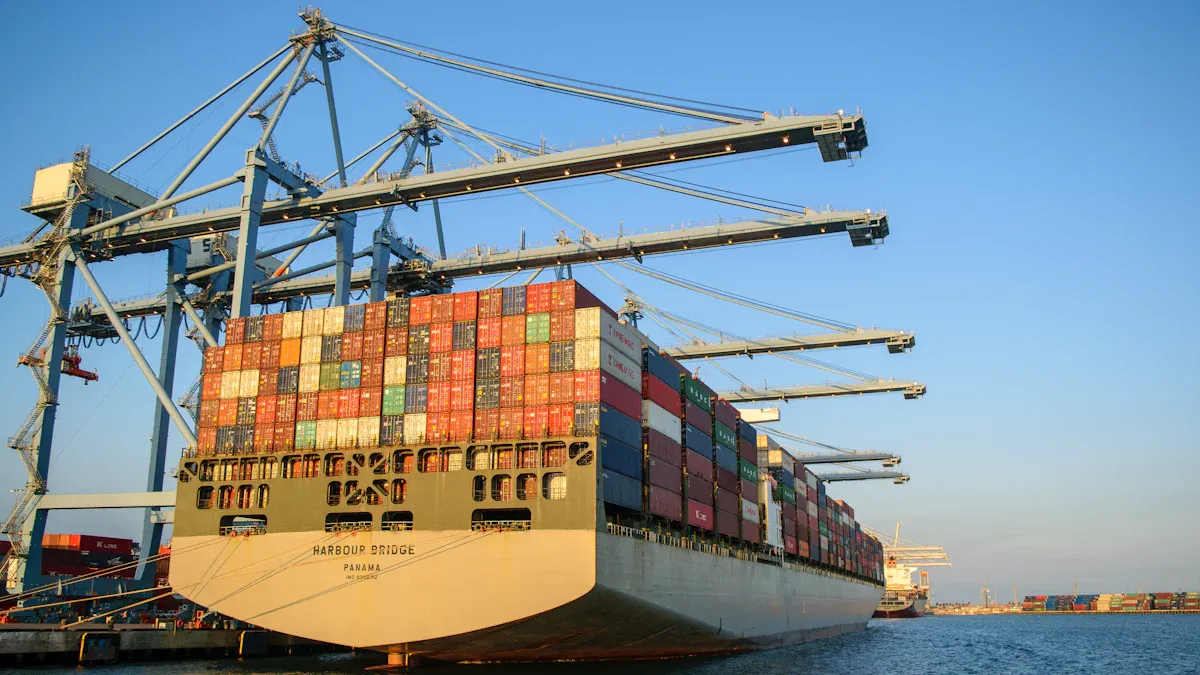
Flexible solutions make your shipping operations smoother and more efficient. They allow you to adapt quickly to changes, whether it’s adding new shipping lanes or adjusting distribution centers to meet growing demand. By strategically allocating resources, you can handle seasonal peaks without breaking a sweat. Customizable service agreements also let you tweak operations as your business evolves.
Key performance indicators (KPIs) highlight how flexibility improves operational efficiency:
|
KPI |
Description |
|
Routing Compliance (RC) |
Ensures shipments stick to planned routes, reducing delays and extra costs. |
|
Freight Cost Per Unit Shipped |
Tracks cost-effectiveness, helping you negotiate better rates. |
|
Perfect Order Rate (POR) |
Measures error-free deliveries, boosting customer trust. |
When you focus on these metrics, you’ll see how flexibility transforms your logistics into a well-oiled machine. It’s not just about moving goods—it’s about doing it smarter.
Achieving Cost Savings and Budget Control
Freight costs can eat into your profits, but flexible solutions help you stay in control. By using scalable technology and multimodal transportation, you can choose the most cost-effective routes and shipping methods. This approach reduces unnecessary expenses and keeps your budget on track.
Here’s how flexibility saves you money:
-
Scalable technology: Grows with your business, ensuring efficiency at every stage.
-
Savings vs. List Rates (SvLR): Compares actual costs with published rates, showing where you’re saving.
-
Freight Bill Accuracy (FBA): Avoids overcharges by ensuring invoices are correct.
When you optimize freight expenses, you free up resources to invest in other areas of your business. Flexible solutions aren’t just a cost-cutting tool—they’re a way to maximize your financial potential.
Enhancing Customer Satisfaction and Loyalty
Your customers expect fast, reliable deliveries, and flexible shipping solutions help you deliver just that. Offering options like expedited shipping or real-time tracking makes their experience seamless and stress-free. When customers feel valued, they’re more likely to stick with your brand.
Here’s what makes a difference:
-
Flexible shipping options: Tailor services to meet customer preferences, like 2-day or international shipping.
-
Delivery reliability: Partner with trusted carriers to ensure on-time deliveries.
-
Real-time tracking: Give customers visibility into their orders, building trust and loyalty.
A smooth shipping process doesn’t just satisfy your customers—it turns them into repeat buyers. By listening to their feedback and refining your logistics, you create a personalized experience that keeps them coming back.
Building Resilience in a Volatile Market
Volatility in the global market can feel like navigating a stormy sea. Sudden disruptions, shifting consumer demands, and economic uncertainties can test your shipping operations. Flexible solutions act as your anchor, helping you stay steady and thrive despite the challenges.
When you embrace flexibility, you build resilience in several ways:
-
Improved Customer Satisfaction: Quick responses to customer needs keep them happy and loyal.
-
Increased Operational Efficiency: Optimized resource use minimizes waste and boosts productivity.
-
Enhanced Risk Mitigation: Rapid adjustments to disruptions ensure your operations continue smoothly.
-
Competitive Advantage: Agility allows you to seize new opportunities faster than competitors.
Imagine a scenario where a natural disaster disrupts a key shipping route. Without flexibility, delays pile up, and customers grow frustrated. With flexible logistics, you can reroute shipments, adjust schedules, and maintain service continuity. This adaptability not only prevents losses but also strengthens your reputation as a reliable partner.
Resilience also means preparing for the unexpected. Predictive analytics and real-time data give you insights to anticipate challenges before they escalate. For example, tracking weather patterns or monitoring geopolitical events can help you plan alternative routes or adjust inventory levels. These proactive measures keep your operations running smoothly, even in uncertain times.
In today’s fast-paced world, resilience isn’t optional—it’s essential. Flexible solutions empower you to adapt, innovate, and stay ahead. By investing in these strategies, you’re not just surviving market volatility; you’re thriving in it.
Flexible solutions are reshaping the shipping industry, helping you tackle challenges and thrive in today’s fast-paced markets. By adopting tools like scalable services, multimodal transportation, and XTransfer’s financial solutions, you can streamline operations and deliver exceptional customer experiences. Trends like automation, data integration, and customer-focused strategies highlight how businesses are evolving to meet modern demands. Whether it’s enhancing supply chain performance or rethinking labor strategies, flexibility is the key to staying competitive. Embrace these innovations to build resilience and unlock new opportunities in the ever-changing global trade landscape.
FAQ
What are flexible shipping solutions?
Flexible shipping solutions let you adapt your logistics to changing demands, costs, or regulations. They include scalable services, multimodal transportation, tailored shipping plans, and financial tools like XTransfer. These strategies help you optimize operations and stay competitive in global trade.
How do flexible solutions improve customer satisfaction?
They offer faster deliveries, real-time tracking, and customizable shipping options. These features make your customers feel valued and build trust. When you meet their expectations consistently, you create loyal customers who keep coming back.
Can flexible solutions reduce shipping costs?
Absolutely! Flexible strategies like multimodal transportation and tailored shipping plans help you choose cost-effective routes and methods. Financial tools like XTransfer also lower transaction fees, giving you better control over your budget.
Why is scalability important in shipping logistics?
Scalability lets you adjust your operations to match demand. During peak seasons, you can expand capacity without delays. When demand slows, you scale down to save costs. This flexibility ensures your logistics stay efficient and profitable.
How does XTransfer simplify cross-border payments?
XTransfer connects you with trusted financial institutions worldwide. It automates risk control, speeds up transactions, and reduces fees. You get real-time visibility into payments, making it easier to manage cash flow and focus on growing your business.
Related content