
How Digital Receipts Are Enhancing Customer Engagement
Author:XTransfer2025.04.25Digital Receipts
Digital receipts are revolutionizing how you interact with businesses. These receipts provide personalized experiences, reduce paper waste, and deliver valuable insights. The global digital receipts market is expanding rapidly, projected to reach USD 5.1 billion by 2033 from USD 2.1 billion in 2023, growing at an 11.5% CAGR. In North America alone, digital receipt adoption accounted for 36% of the market share in 2023, generating over USD 0.7 billion in revenue. This growth reflects a shift in consumer behavior, as 72% of shoppers have embraced online retail in recent years. By adopting digital receipts, businesses not only meet your expectations but also enhance convenience and trust.
Emerging Consumer Trends in Digital Receipts

AI-Powered Personalization in Digital Receipts
Digital receipts are no longer just records of your purchases. They now serve as tools for personalized communication. Businesses use artificial intelligence (AI) to analyze your shopping habits and preferences. This allows them to tailor recommendations, promotions, and offers directly to you. For example, if you frequently buy fitness gear, your receipt might include a discount on running shoes or a new workout gadget.
AI also helps businesses predict what you might need next. By studying your purchase history, it can suggest complementary products or services. This level of personalization not only enhances your shopping experience but also strengthens your connection with the brand. According to market research, the use of AI and machine learning in digital receipts is a growing trend, driven by the demand for personalized marketing and customer engagement.
Integration of Digital Receipts with Loyalty Programs
Digital receipts are transforming how you interact with loyalty programs. Instead of juggling physical cards or remembering account numbers, your receipt can automatically link to your loyalty account. This makes it easier for you to track points, redeem rewards, and stay updated on exclusive offers.
This integration also enhances post-purchase engagement. Your receipt can remind you of past purchases, helping you rediscover favorite items. It can also include personalized promotions based on your loyalty data, encouraging you to shop again. Studies show that this approach increases customer satisfaction and boosts the size of your shopping basket. By simplifying the process, businesses make it more convenient for you to engage with their brand.
Eco-Friendly Innovations in Digital Receipts
Switching to digital receipts is a step toward a more sustainable future. Traditional paper receipts contribute significantly to environmental waste. Each year, producing receipt paper consumes millions of trees and billions of gallons of water. It also generates hundreds of millions of pounds of waste, equivalent to the daily waste of millions of people.
By adopting paperless solutions, businesses reduce their environmental impact. Digital receipts eliminate the need for paper, ink, and printing equipment. This not only saves resources but also aligns with your growing preference for eco-friendly practices. As a consumer, choosing businesses that prioritize sustainability allows you to contribute to a greener planet.
The digital receipts market is expected to grow significantly, reaching $293 billion by 2030. This growth reflects the increasing demand for convenient, sustainable, and personalized solutions. As more businesses embrace these innovations, you can expect a seamless and environmentally conscious shopping experience.
How Digital Receipts Improve Customer Engagement
Personalization and Targeted Marketing Through Receipts
Digital receipts have become a powerful tool for creating personalized experiences. They allow businesses to deliver targeted marketing directly to you. By analyzing your purchase history, businesses can include personalized recommendations in your receipt. For instance, if you recently bought a coffee maker, your receipt might suggest coffee beans or cleaning supplies that complement your purchase. This approach enhances your shopping experience by offering relevant suggestions.
Digital receipts also enable businesses to send personalized promotions. These promotions are tailored to your preferences, increasing the likelihood that you’ll find them useful. This level of personalization fosters brand loyalty and keeps you engaged with the brand. Additionally, businesses can use first-party data from digital receipts to gain customer insights. These insights help them refine their marketing strategies and improve communication with you.
Enhancing Customer Convenience with Digital Receipts
Digital receipts simplify your life by making it easier to track purchases and expenses. Instead of managing stacks of paper receipts, you can access your purchase history directly from your email or a mobile app. This paperless solution not only saves time but also reduces clutter. It’s especially helpful when you need to return an item or verify a warranty.
E-receipts also integrate seamlessly with loyalty programs, enhancing your overall experience. They automatically update your loyalty points and make it simple to redeem rewards. You no longer need to carry physical cards or remember account numbers. This streamlined process improves efficiency and encourages you to stay engaged with the brand.
Here are some ways digital receipts enhance convenience:
-
They provide an easy way to track your spending.
-
They reduce the hassle of managing paper receipts.
-
They simplify earning and redeeming rewards through loyalty programs.
This convenience strengthens your connection with the brand and makes your shopping experience more enjoyable.
Building Trust and Transparency with Receipts
Digital receipts play a crucial role in building trust between you and businesses. They provide clear and detailed records of your transactions, ensuring transparency. You can review itemized lists of your purchases, taxes, and discounts, which helps you feel confident about your spending. This transparency fosters trust and encourages direct customer engagement.
Additionally, digital receipts improve communication by offering real-time payment tracking. You receive instant confirmation of your purchase, which reduces uncertainty and enhances your confidence in the transaction. Businesses that prioritize transparency through digital receipts demonstrate their commitment to customer satisfaction.
By adopting digital payment receipts, businesses also show their dedication to sustainability. The paperless nature of these receipts aligns with your values and contributes to a greener planet. This shared commitment to sustainability strengthens your relationship with the brand and encourages long-term engagement.
Challenges Businesses Face with Digital Receipts
Addressing Data Privacy and Security Concerns
When businesses adopt digital receipts, protecting your data becomes a top priority. Sharing personal information, such as email addresses or phone numbers, raises concerns about privacy. You want to feel confident that your data is safe and won’t be misused. Businesses must comply with strict privacy laws, like GDPR or CCPA, to ensure your information stays secure.
Cybersecurity threats also pose challenges. Hackers may target systems storing digital receipts, putting sensitive data at risk. To address this, businesses invest in advanced encryption and secure storage solutions. These measures protect your information and build trust. By prioritizing security, businesses can provide you with peace of mind while enhancing your engagement.
Managing Costs of Digital Receipt Implementation
Switching to digital receipts requires businesses to invest in new technology. They need software to generate and store receipts, as well as systems to integrate them with existing operations. For small businesses, these costs can feel overwhelming. High transaction volumes can also make managing receipts more complex, increasing the need for robust solutions.
Manual processing of receipts often leads to errors and inefficiencies. Automating these processes saves time but comes with upfront expenses. Businesses must balance these costs with the long-term benefits of digital receipts, such as improved customer satisfaction and operational efficiency. By carefully planning their budgets, businesses can overcome these challenges and deliver better experiences for you.
Balancing Automation and Human Interaction in Receipts
Digital receipts streamline transactions and improve efficiency. They allow businesses to send receipts instantly, making it easier for you to store and retrieve them. Automated systems also reduce human error and integrate seamlessly with accounting tools. This saves time and lets employees focus on more meaningful tasks.
However, not everyone prefers automation. Some customers still value the personal touch of receiving a paper receipt or interacting with a cashier. To meet diverse preferences, businesses often adopt a hybrid approach. This combines the convenience of digital receipts with the option for paper receipts. By offering choices, businesses ensure they meet your needs while maintaining engagement.
Success Stories of Digital Receipts in Action
Businesses Leveraging Digital Receipts for Engagement
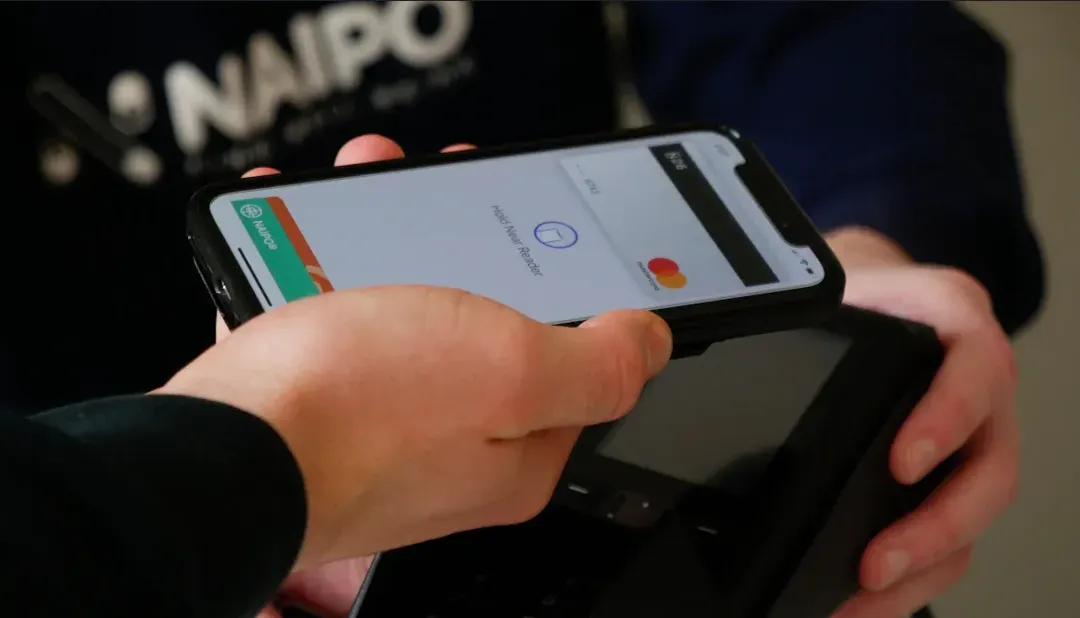
Many businesses have successfully used digital receipts to enhance your shopping experience. Retailers like Starbucks and Walmart have integrated these receipts into their loyalty programs. When you make a purchase, the receipt not only records the transaction but also updates your rewards points instantly. This seamless process keeps you engaged and encourages repeat visits.
E-commerce platforms like Amazon have also embraced digital receipts. These receipts often include personalized product recommendations based on your purchase history. For example, if you buy a book, the receipt might suggest similar titles you might enjoy. This approach makes your shopping journey more convenient and tailored to your preferences.
Small businesses are also leveraging digital receipts to connect with you. Local cafes and boutiques often use them to share exclusive discounts or event invitations. By doing so, they create a sense of community and keep you informed about their offerings. These examples show how businesses of all sizes use digital receipts to build stronger relationships with their customers.
Measuring the Impact of Digital Receipts on Customer Metrics
Digital receipts have a measurable impact on customer engagement and satisfaction. Businesses track metrics like repeat purchases, average order value, and customer retention rates to evaluate their effectiveness. For instance, studies show that personalized receipts can increase repeat purchases by up to 20%. This demonstrates how tailored communication keeps you coming back.
Another key metric is the open rate of digital receipts sent via email. High open rates indicate that you find these receipts useful and relevant. Businesses also analyze click-through rates on promotions included in the receipts. If you click on a discount link, it shows that the receipt successfully captured your interest.
Digital receipts also help businesses reduce costs. By eliminating paper receipts, they save money on printing supplies and reduce waste. This not only benefits the environment but also aligns with your preference for sustainable practices. The data collected from digital receipts allows businesses to refine their strategies and improve your overall shopping experience.
Digital receipts are transforming how you interact with businesses by offering personalization, convenience, and sustainability. Programs like General Mills’ Good Rewards allow you to upload receipts from any retailer, earning points and exclusive offers. This fosters loyalty and keeps you engaged. As consumers increasingly seek personalized experiences, digital receipts meet these expectations by integrating with loyalty programs and providing omnichannel engagement.
To maximize these benefits, businesses must address challenges like data security and implementation costs. By embracing paperless solutions, they not only reduce waste but also align with your values. These innovations will help businesses stay competitive and build stronger relationships with you in 2025 and beyond.
FAQ
What are digital receipts?
Digital receipts are electronic versions of traditional paper receipts. Businesses send them to your email or store them in apps. They provide a convenient way to track purchases, reduce clutter, and support eco-friendly practices by eliminating the need for paper.
How do digital receipts benefit the environment?
Switching to digital receipts reduces paper waste and saves natural resources like trees and water. By choosing paperless receipts, you help lower environmental impact and contribute to a more sustainable future.
Are digital receipts secure?
Yes, businesses use encryption and secure storage to protect your data. A reliable digital receipt system ensures your personal information stays safe and complies with privacy regulations like GDPR or CCPA.
Can I use digital receipts for returns?
Absolutely! Digital receipts make returns easier. You can quickly access your purchase history through email or apps. This eliminates the need to keep physical receipts and simplifies the return process.
Do all businesses offer digital receipts?
Not all businesses have adopted digital receipts yet. However, many are transitioning to a digital receipt system to enhance customer convenience and reduce costs. You can encourage businesses to adopt this eco-friendly solution.
Related content