
How Delivery Orders Streamline Government Procurement Processes
Author:XTransfer2025.05.28Delivery Order
Delivery orders play a pivotal role in optimizing government procurement operations. By employing these tools, agencies simplify procurement activities and reduce inefficiencies. For instance, the streamlined review process has accelerated procurement timelines, doubling the speed of activities compared to older methods. Post reviews now account for 85% of procurement tasks, saving an average of three months per activity. Moreover, delivery orders have proven effective in cutting costs, with the IRS projecting savings of $122,803 by leveraging pre-negotiated agreements. Such data underscores the transformative impact of delivery orders in modernizing procurement systems.
Understanding Delivery Orders in Government Contracting
Definition and Purpose of Delivery Orders
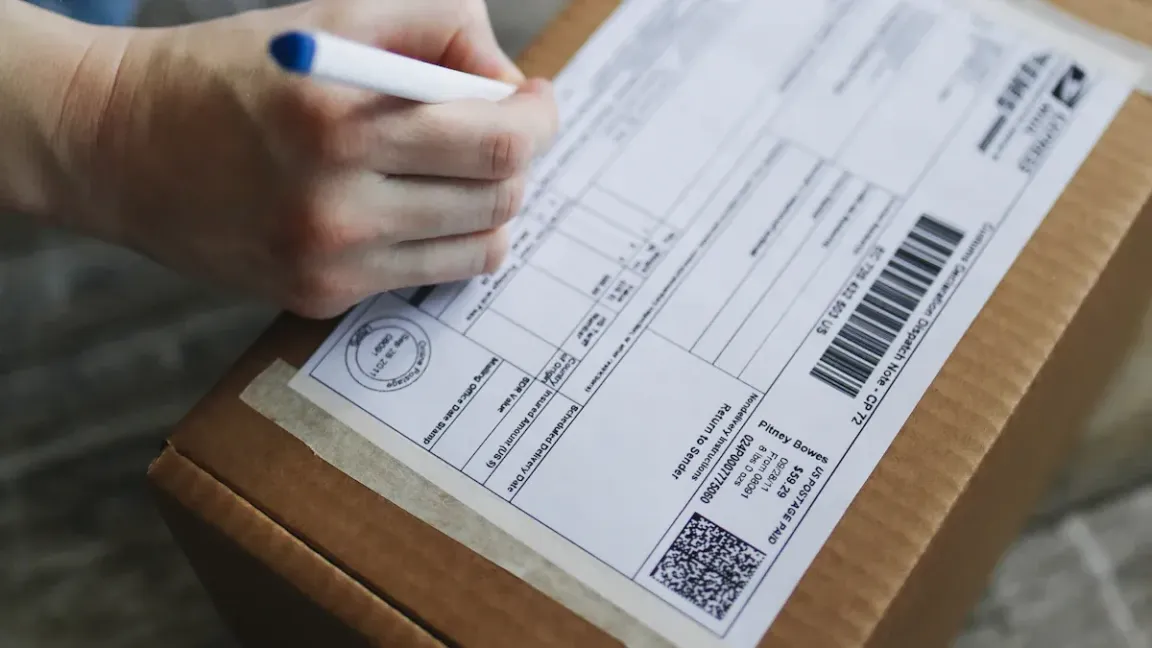
A delivery order is a procurement tool used by government agencies to streamline the acquisition of goods and services. It serves as an official request issued under an existing contract, specifying the details of the required deliverables. Delivery orders simplify procurement by organizing data through line items and subline items. Line items define deliverables, including pricing and delivery schedules, while subline items provide additional details, such as performance tracking and fund management. This structured approach enhances contract management and ensures efficient allocation of resources.
Role of Delivery Orders in Government Contracts
Delivery orders play a critical role in government contracts by reducing administrative burdens and expediting procurement processes. Agencies use these orders to bypass the lengthy procedures associated with traditional procurement methods. For example, the Department of Transportation (DOT) successfully implemented acquisition reforms, awarding the ITOP contract in just six months. Techniques like electronic dissemination of information, page limits on proposals, and automated evaluation tools simplified the process. These reforms demonstrate how delivery orders enable agencies to meet procurement needs quickly and effectively.
Types of Government Contracting Vehicles Utilizing Delivery Orders
Delivery orders are integral to various government contracting vehicles, including indefinite delivery contracts. These vehicles provide flexibility by allowing agencies to issue multiple orders under a single agreement. Common types include indefinite delivery/indefinite quantity (IDIQ) contracts, blanket purchase agreements (BPAs), and task order contracts. Each type offers unique advantages, such as pre-negotiated terms and streamlined ordering processes. By leveraging these vehicles, agencies can address diverse procurement requirements while maintaining efficiency and cost-effectiveness.
How Delivery Orders Streamline Procurement Processes
Simplifying the Ordering Process for Goods and Services
Delivery orders simplify the procurement of goods and services by providing a structured and efficient approach. They allow government agencies to issue specific requests under existing contracts, eliminating the need for repetitive negotiations. This process ensures that agencies can focus on their operational goals without being bogged down by administrative complexities.
Key benefits of delivery orders in simplifying the ordering process include:
-
Enhancing customer satisfaction by ensuring accurate and timely deliveries.
-
Reducing disputes related to incorrect or delayed shipments.
-
Streamlining operations by organizing delivery activities effectively.
Additionally, delivery orders provide transparency and accountability. They offer clear documentation of completed deliveries, which helps resolve claims for missing or damaged items. Logistics managers can also use these tools to identify shipping issues and mitigate errors, ensuring smooth operations. This structured approach not only benefits government agencies but also provides peace of mind to contractors and suppliers.
Reducing Administrative Burdens in Government Contracts
Delivery orders significantly reduce the administrative workload associated with government contracts. By leveraging pre-negotiated terms within contracting vehicles like IDIQ contracts, agencies can bypass lengthy procurement procedures. This efficiency allows procurement teams to allocate their time and resources more effectively.
Automation plays a crucial role in minimizing manual labor and overtime costs. Digital procurement platforms streamline workflows, leading to processing time reductions of up to 70%. Improved compliance and audit trails further enhance the efficiency of government contracting. For instance, Crownpeak, a private organization, achieved 30% annual savings by centralizing procurement and automating renewals. These results highlight the potential for government agencies to achieve similar efficiencies through delivery orders.
Moreover, delivery orders align with the strategic goals of procurement teams. With nearly 70% of government budgets allocated to suppliers, even a 1% reduction in procurement costs can lead to significant savings. This streamlined approach not only reduces administrative burdens but also contributes to the financial sustainability of government operations.
Expediting Procurement Timelines for Critical Needs
In time-sensitive situations, delivery orders enable government agencies to respond quickly and effectively. Traditional procurement methods often involve lengthy approval processes, which can delay the acquisition of essential goods and services. Delivery orders, however, allow agencies to issue requests under existing contracts, significantly reducing lead times.
This expedited process is particularly valuable during emergencies or disaster relief efforts. Agencies can quickly procure critical supplies, ensuring that resources reach affected areas without delay. Streamlined procurement workflows also enhance the ability to address urgent needs, minimizing disruptions to government operations.
Quantifying the impact of faster procurement timelines reveals substantial benefits. For example, a 1% reduction in procurement costs can lead to a 4% increase in overall efficiency. By leveraging delivery orders, government agencies can achieve these outcomes while maintaining transparency and accountability.
Key Benefits of Delivery Orders in Government Procurement
Enhancing Flexibility Through Indefinite Delivery Contracts
Indefinite delivery contracts (IDCs) provide government agencies with the flexibility to adapt to changing procurement needs. These contracts allow agencies to issue multiple delivery orders under a single agreement, eliminating the need for repetitive negotiations. This adaptability ensures that agencies can respond to fluctuating demands without compromising efficiency.
A closer look at the benefits of IDCs reveals their transformative impact:
By leveraging IDCs, government agencies can streamline procurement processes while fostering collaboration with contractors. This approach not only enhances operational efficiency but also strengthens the relationship between the public and private sectors.
Achieving Cost Savings With Pre-Negotiated Agreements
Pre-negotiated agreements, such as Multi-Agency Blanket Purchase Agreements (BPAs), play a crucial role in reducing procurement costs. These agreements enable government agencies to pool their purchasing power, achieving economies of scale. By standardizing practices and leveraging pre-negotiated pricing, agencies can secure more favorable terms with contractors.
For example, BPAs allow multiple agencies to collaborate on procurement strategies, reducing duplication of efforts. This collaboration leads to significant cost savings while improving procurement efficiency. Agencies can allocate resources more effectively, ensuring that taxpayer dollars are used responsibly.
The financial benefits of pre-negotiated agreements extend beyond cost savings. They also contribute to improved supplier performance, as contractors are incentivized to meet the terms of their agreements. This alignment of interests ensures that government agencies receive high-quality goods and services at competitive prices.
Promoting Transparency and Accountability in Procurement
Transparency and accountability are essential components of effective government procurement. Delivery orders enhance these principles by providing clear documentation of procurement activities. Each order includes detailed information about the goods or services requested, delivery timelines, and associated costs. This level of detail ensures that all stakeholders have a comprehensive understanding of the procurement process.
Key metrics further demonstrate the benefits of delivery orders in promoting transparency:
By tracking these metrics, government agencies can identify areas for improvement and ensure compliance with procurement regulations. This structured approach not only builds public trust but also fosters a culture of accountability within government contracting.
Supporting Rapid Response in Time-Sensitive Situations
Government agencies often face situations where immediate action is critical. Delivery orders provide a streamlined mechanism to address these urgent needs effectively. By leveraging existing contracts, agencies can bypass lengthy procurement procedures and secure essential goods or services without delay. This capability proves invaluable during emergencies, such as natural disasters or public health crises, where time is of the essence.
One of the key advantages of delivery orders lies in their ability to expedite procurement timelines. Agencies can issue specific requests under pre-negotiated agreements, ensuring that contractors deliver the required resources promptly. For example, during hurricane relief efforts, government entities have used delivery orders to procure emergency supplies like food, water, and medical equipment. These orders enable rapid deployment of resources, minimizing disruptions and safeguarding public welfare.
The flexibility of delivery orders also supports diverse types of government contracts. Indefinite delivery contracts, for instance, allow agencies to issue multiple orders under a single agreement. This adaptability ensures that procurement teams can respond to fluctuating demands without initiating new contracts. Contractors benefit from this arrangement as well, as it fosters long-term partnerships and provides clarity on expectations.
In addition to speed, delivery orders enhance coordination among stakeholders. Clear documentation of procurement activities ensures transparency, enabling agencies to track progress and address potential bottlenecks. This structured approach reduces errors and ensures accountability, even in high-pressure scenarios. For instance, during the COVID-19 pandemic, delivery orders played a pivotal role in distributing personal protective equipment (PPE) to healthcare facilities nationwide.
The ability to respond rapidly to time-sensitive situations underscores the importance of delivery orders in government procurement. By streamlining processes and fostering collaboration, these tools empower agencies to fulfill their missions efficiently. Whether addressing routine needs or managing crises, delivery orders remain a cornerstone of effective government operations.
Real-World Applications of Delivery Orders

Emergency Response and Disaster Relief Procurement
Delivery orders play a vital role in emergency response and disaster relief efforts. They enable government agencies to procure critical supplies quickly, ensuring timely delivery to affected areas. Framework agreements, often used in such scenarios, streamline the process by pre-negotiating terms and conditions. For instance, the Department for International Development (DFID) sources over 90% of its supplies through frameworks, allowing for rapid stockpile creation and replenishment. This approach ensures that essential items, such as medical supplies and food, are readily available during crises.
This structured procurement method minimizes delays and enhances the efficiency of disaster response operations, safeguarding public welfare during critical times.
Routine Supply Chain Management in Government Agencies
Delivery orders also optimize routine supply chain management for government agencies. By streamlining procurement processes, they reduce the number of supply chain tiers, leading to lower inventory holding costs and decreased risks of damage, theft, and stockouts. Several real-world examples highlight their effectiveness:
-
Streamlining supply chains reduces the number of tiers, lowering costs and risks.
-
A network optimization exercise in Mozambique saved $6.7 million annually while improving service levels and product availability.
-
In Zambia, direct information flow from health facilities to central distribution improved the availability of essential medicines.
These examples demonstrate how delivery orders enhance operational efficiency and ensure the consistent availability of critical resources.
Lessons From Successful Delivery Order Implementation
Successful implementation of delivery orders offers valuable lessons for government agencies. First, pre-negotiated agreements provide a foundation for rapid and efficient procurement. Agencies that invest in robust frameworks can respond to both routine and emergency needs with minimal delays. Second, leveraging technology, such as digital procurement platforms, enhances transparency and accountability. Clear documentation of delivery orders ensures compliance with regulations and fosters trust among stakeholders. Finally, fostering long-term partnerships with contractors strengthens supply chain resilience, enabling agencies to adapt to changing demands effectively.
By adopting these practices, government agencies can maximize the benefits of delivery orders, ensuring efficient and reliable procurement processes.
Delivery orders serve as a vital tool in government procurement, transforming how agencies manage contracts and resources. Their streamlined processes enhance operational efficiency, reduce costs, and promote transparency. By adopting delivery orders, agencies gain flexibility to address diverse procurement needs while maintaining accountability. Stakeholders should prioritize these tools to optimize procurement strategies and achieve better outcomes. Government agencies that leverage delivery orders effectively can ensure sustainable operations and improved public service delivery.
FAQ
What is the primary purpose of delivery orders in government procurement?
Delivery orders streamline the procurement process by enabling agencies to acquire goods and services under pre-existing contracts. This approach eliminates repetitive negotiations, reduces administrative tasks, and ensures timely delivery of resources.
How do delivery orders enhance transparency in procurement?
Delivery orders include detailed documentation, such as item descriptions, costs, and delivery timelines. This transparency allows stakeholders to track procurement activities, ensuring accountability and compliance with regulations.
Can delivery orders be used during emergencies?
Yes, delivery orders are highly effective in emergencies. Agencies can quickly issue requests under existing contracts, ensuring the rapid procurement of critical supplies like medical equipment or disaster relief materials.
What types of contracts commonly utilize delivery orders?
Delivery orders are often used in indefinite delivery/indefinite quantity (IDIQ) contracts, blanket purchase agreements (BPAs), and task order contracts. These contracts provide flexibility and efficiency for diverse procurement needs.
How do delivery orders contribute to cost savings?
Delivery orders leverage pre-negotiated agreements, enabling agencies to secure favorable pricing and reduce procurement costs. This approach minimizes duplication of efforts and maximizes the efficient use of taxpayer funds.
Related content