
Exploring E-commerce Trends and Shopee's Role in 2025
Author:XTransfer2025.09.11Future of E-commerce Trends
E-commerce has become a cornerstone of the global economy, reshaping how people shop and businesses operate. To put this into perspective:
-
In 2000, global e-commerce sales were just $27 billion.
-
By 2021, this number skyrocketed to nearly $5 trillion.
-
China alone accounted for $2 trillion in 2020, while U.S. e-commerce sales exceeded $800 billion that same year.
You’ve probably noticed how platforms like Shopee have made online shopping more accessible and enjoyable. In fact, 66% of users say Shopee is part of their daily routine. Its ability to combine convenience, competitive pricing, and personalized customer experiences has solidified its role as a leader in the digital economy. Understanding the future of e-commerce is crucial—you wouldn’t want to miss out on how it’s evolving, right? The future of e-commerce promises even more innovations and opportunities for both consumers and businesses alike.
Transformative Technologies in the Future of E-commerce

AI's impact on online shopping experiences
Artificial intelligence is revolutionizing how you shop online. It’s like having a personal shopping assistant that knows your preferences better than you do. AI tools analyze your browsing habits, purchase history, and even the time you spend looking at certain products. This data helps platforms like Shopee recommend items you’re more likely to love. Did you know that AI-powered recommendations not only enhance your satisfaction but also drive sales for businesses? It’s a win-win situation.
AI also plays a huge role in tackling fraud. In 2023, fraudulent transactions in the retail industry cost over $100 billion. AI systems can detect suspicious activities in real time, protecting both you and the retailer. And it doesn’t stop there. AI chatbots are becoming smarter, handling complex queries and offering instant solutions. This means no more waiting on hold for customer service.
Here’s a quick look at how AI is shaping the future of ecommerce:
|
Evidence Description |
Numerical Data |
|
Cost of fraudulent transactions in retail |
Over $100 billion in 2023 |
|
AI's impact on personalized recommendations |
Enhances satisfaction and drives sales |
|
AI's role in Walmart's supply chain |
Anticipates demand cycles during peaks |
Augmented reality (AR) for immersive e-commerce
Imagine trying on clothes, makeup, or even furniture without leaving your home. That’s the magic of augmented reality. AR lets you see how products will look or fit in real life, making your shopping experience more interactive and fun. Over 100 million consumers have already used AR for shopping, and it’s easy to see why. It boosts confidence in your purchases and reduces the chances of returns.
AR doesn’t just make shopping more engaging; it also drives results. Retailers using AR report up to a 200% increase in online sales. Conversion rates can jump by as much as 40%, and return rates drop by 25% to 40%. If you’ve ever hesitated to buy something because you weren’t sure how it would look, AR is here to change that.
Here are some impressive stats about AR in ecommerce:
|
Statistic |
Value |
|
Consumers using AR for shopping |
Over 100 million |
|
Online sales boost |
Up to 200% |
|
Reduction in returns |
25% to 40% |
|
Increase in conversion rates |
20% to 40% |
|
Preference for retailers with AR |
61% |
Mobile-first strategies for seamless shopping
You probably spend a lot of time on your phone, right? So do most shoppers. Mobile commerce is expected to dominate ecommerce sales in the coming years. That’s why businesses are focusing on mobile-first strategies to make your shopping experience as smooth as possible. A poor user experience is one of the main reasons people uninstall shopping apps. Brands that don’t optimize for mobile risk losing customers like you.
Did you know that 70% of shoppers spend up to five hours a week researching and shopping on their phones? This shows how important mobile shopping has become. Companies are now designing apps and websites that load quickly, are easy to navigate, and offer secure payment options. Shopee, for example, excels in mobile optimization, ensuring you can shop anytime, anywhere.
Here’s why mobile-first strategies are crucial:
-
70% of shoppers dedicate up to five hours weekly to mobile shopping.
-
Poor user experience leads to app uninstalls.
-
Brands without mobile-first strategies risk losing engagement with mobile-savvy shoppers.
Personalization in Online Shopping Trends
Data-driven personalization for better customer engagement
Personalization is changing how you shop online. It’s no longer about generic ads or one-size-fits-all offers. Instead, brands use data-driven marketing to understand your preferences and deliver tailored shopping experiences. Imagine receiving product suggestions that match your style or discounts on items you’ve been eyeing. That’s the power of personalization strategies.
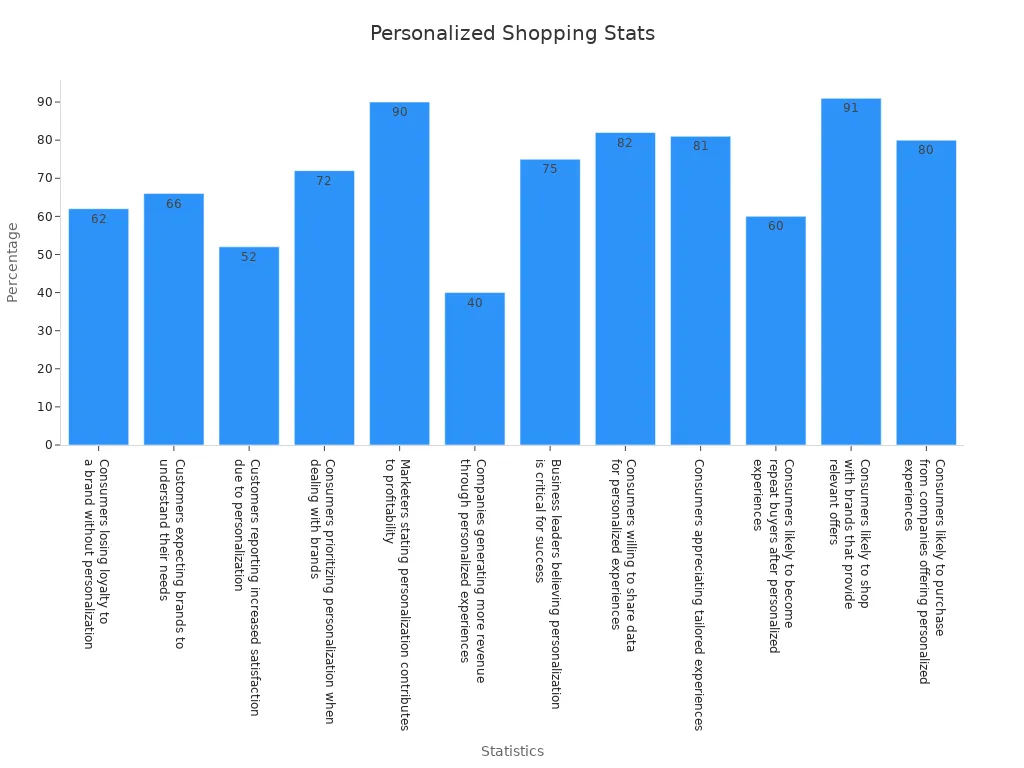
Data-driven personalization doesn’t just make shopping easier for you—it also boosts enhanced customer engagement. When brands align their messages with your needs, you’re more likely to interact with them. This approach increases conversion rates and builds loyalty. For example, companies that use personalized experiences generate 40% more revenue.
Here’s a quick look at how personalization impacts ecommerce:
|
Benefit |
Description |
|
Enhanced Customer Engagement |
Messages tailored to your needs increase interaction. |
|
Increased Conversion Rates |
Offers designed for you improve the chances of purchase. |
|
Higher Customer Loyalty & Retention |
Personalized experiences strengthen relationships and reduce churn. |
Shopee's AI-powered product recommendations
Shopee takes personalization to the next level with AI-powered product recommendations. Its intelligent system, known as i-SPC, analyzes your browsing habits, purchase history, and even the time you spend on specific items. This allows Shopee to suggest products you’re more likely to love.
Compared to traditional methods, Shopee’s AI-powered recommendations are far more accurate. They simplify the shopping process, saving you time and effort. Did you know that 95.1% of users find manual product comparisons time-consuming? Shopee’s AI eliminates that hassle, making your experience smoother and more enjoyable.
|
Methodology |
Accuracy |
User Feedback |
Complexity Reduction |
|
AI-powered (i-SPC) |
87.50% |
95.1% found manual comparison time-consuming |
Simplified product comparison process |
|
Traditional methods |
N/A |
N/A |
Complicated and time-consuming |
The role of personalized marketing in building loyalty
Personalized marketing isn’t just a trend; it’s a game-changer for building loyalty. When brands understand your needs, you feel valued. For instance, Netflix recommends shows based on your viewing history, making you feel like the platform “gets” you. Similarly, Shopee uses your shopping data to offer personalized discounts and promotions.
These tailored shopping experiences create emotional connections. Imagine receiving a birthday discount from your favorite restaurant—it’s not just a deal; it’s a gesture that makes you feel special. Studies show that 60% of consumers are more likely to become repeat buyers after personalized shopping experiences.
Here’s why personalized marketing matters:
-
It fosters a sense of belonging.
-
It turns casual shoppers into loyal customers.
-
It helps brands measure performance and tailor communications effectively.
Social Commerce and Its Role in the Future of E-commerce

The integration of social media with e-commerce platforms
Social media and e-commerce platforms are becoming inseparable. You’ve probably noticed how easy it is to shop directly from your favorite social media apps. Platforms like Instagram, TikTok, and Facebook now let you browse, click, and buy without ever leaving the app. This seamless integration is changing how you shop and interact with brands.
The numbers speak for themselves. In 2022, the global social commerce market was worth $727.63 billion. By 2030, it’s expected to grow to a staggering $8.5 trillion, with a compound annual growth rate (CAGR) of 31.6%. Social media already accounts for 19.4% of total online sales, and this number is only going up. What’s driving this growth? Mobile-first shopping, interactive content, and influencer marketing are leading the way.
|
Metric |
Value |
|
Global social commerce market size (2022) |
USD 727.63 billion |
|
Expected CAGR (2023-2030) |
31.6% |
|
Projected social commerce market size (2030) |
$8.5 trillion |
When you engage with a brand’s post, you’re not just liking a picture. You’re part of a new shopping experience. Products featured in high-engagement content sell 2.7 times more often than those in low-engagement posts. Social media also drives traffic to e-commerce platforms. Nearly half of consumers visit a brand’s website after interacting with them on social media.
Shopee's live shopping and influencer collaborations
Shopee is taking social commerce to the next level with live shopping and influencer partnerships. Have you ever watched a live stream where a host showcases products in real time? That’s live shopping, and it’s a game-changer. Shopee’s live shopping feature lets you see products in action, ask questions, and make purchases instantly. It’s like having a personal shopping assistant, but more fun and interactive.
Influencers play a big role in this. Shopee collaborates with popular creators to showcase products to their followers. These influencers bring authenticity and trust to the shopping experience. When you see someone you admire using a product, you’re more likely to trust it. This strategy not only boosts sales but also strengthens the connection between brands and consumers.
Live shopping and influencer collaborations are reshaping online shopping trends. They make the experience more engaging and personal. Shopee’s approach combines entertainment with convenience, giving you a reason to keep coming back.
How social commerce is transforming consumer behavior
Social commerce is changing how you shop. It’s no longer just about finding the best deals. It’s about convenience, personalization, and connection. One-click purchasing on social media platforms makes shopping faster and easier. You don’t have to switch between apps or websites. Everything you need is right there.
Personalized shopping experiences are another big shift. Social media algorithms analyze your behavior to show you products you’ll love. This makes the content more relevant and appealing. Brands can target specific audiences effectively, optimizing their ad spending and improving conversion rates.
Here’s how social commerce is reshaping consumer trends:
-
76% of consumers expect companies to understand their needs.
-
97% of Gen Z shoppers use social media for shopping inspiration.
-
Brands that track and respond to sentiment see a 21% higher purchase rate.
Social commerce isn’t just about buying products. It’s about creating a better customer experience. When you shop through social media, you’re part of a community. You’re engaging with brands in a way that feels personal and meaningful.
Innovative Payment Solutions in E-commerce
The rise of digital wallets and mobile payments
Digital wallets and mobile payments are transforming how you shop online. They make transactions faster, safer, and more convenient. Instead of fumbling for cash or cards, you can pay with just a tap on your smartphone. This shift toward cashless payments is reshaping the future of ecommerce.
The numbers tell the story. Digital payment transactions are projected to exceed $15 trillion globally by 2027. Mobile wallet users are expected to reach 4.8 billion by 2025. This growth is fueled by the rise of contactless payments, driven by NFC technology. It’s no surprise that 82% of Americans used digital payments in 2023. Retailers with integrated payment solutions also report a 67% higher customer lifetime value, showing how these innovations enhance the customer experience.
Here’s a quick breakdown of payment trends:
|
Payment Type |
Description |
|
Proximity Payment |
In-store payment solutions using smartphones |
|
Remote Payment |
Includes digital wallets and internet payments |
ShopeePay's contribution to seamless transactions
ShopeePay is leading the charge in making online payments effortless. It’s designed to provide a seamless online shopping experience by integrating directly into Shopee’s platform. You can pay for your purchases, earn rewards, and even access exclusive discounts—all in one place.
ShopeePay also prioritizes security. With features like two-factor authentication and encrypted transactions, you can shop with peace of mind. Plus, it’s not just about convenience. ShopeePay helps reduce cart abandonment rates by 35%, ensuring a smoother checkout process for you.
The potential of cryptocurrency in online shopping
Cryptocurrency is making waves in ecommerce. While still in its early stages, it offers exciting possibilities for the future of e-commerce. Cryptocurrencies like Bitcoin and Ethereum provide a decentralized payment option, which can lower transaction fees and speed up cross-border payments.
Cross-border payments are growing at a CAGR of 28%, highlighting the need for global payment solutions. Cryptocurrencies could play a key role here, especially as more e-commerce platforms explore their integration. Imagine shopping online and paying with crypto—it’s fast, secure, and eliminates the need for currency conversions.
Sustainability and the Future of E-commerce
The growing demand for eco-friendly practices
Sustainability is no longer just a buzzword—it’s a priority for many shoppers like you. More people are looking for ways to reduce their environmental impact, and e-commerce is adapting to meet this demand. Did you know that 78% of consumers believe sustainability is important? In fact, 62% actively seek eco-friendly products, and 55% are even willing to pay more for brands that prioritize the planet.
Sustainable products are growing faster than their non-sustainable counterparts—2.7 times faster, to be exact. Online platforms are also seeing a shift, with 75% of sustainable goods selling better online. This trend shows how much you and other shoppers value eco-friendly options when making purchasing decisions.
|
Statistic |
Value |
|
Market share of sustainable products |
17% |
|
Growth rate of sustainable vs. non-sustainable products |
2.7x faster |
|
Consumers seeking sustainable products |
62% |
|
Consumers willing to pay more for eco-friendly brands |
55% |
Shopee's initiatives for sustainable online shopping
Shopee is leading the way in making e-commerce more sustainable. By focusing on eco-friendly practices, Shopee has positioned itself as a leader in markets like Vietnam, where it commands 60% to 70% of the total gross merchandise value. Shopee’s efforts include reducing packaging waste, promoting green products, and collaborating with sellers to adopt sustainable practices.
In Q4 2023, Shopee’s revenue grew by 23%, reaching $2.6 billion. This growth reflects how its focus on sustainability resonates with you and other shoppers. Shopee’s partnership with platforms like YouTube to integrate shopping features also highlights its innovative approach to enhancing the customer experience while promoting sustainability.
How sustainability influences consumer decisions
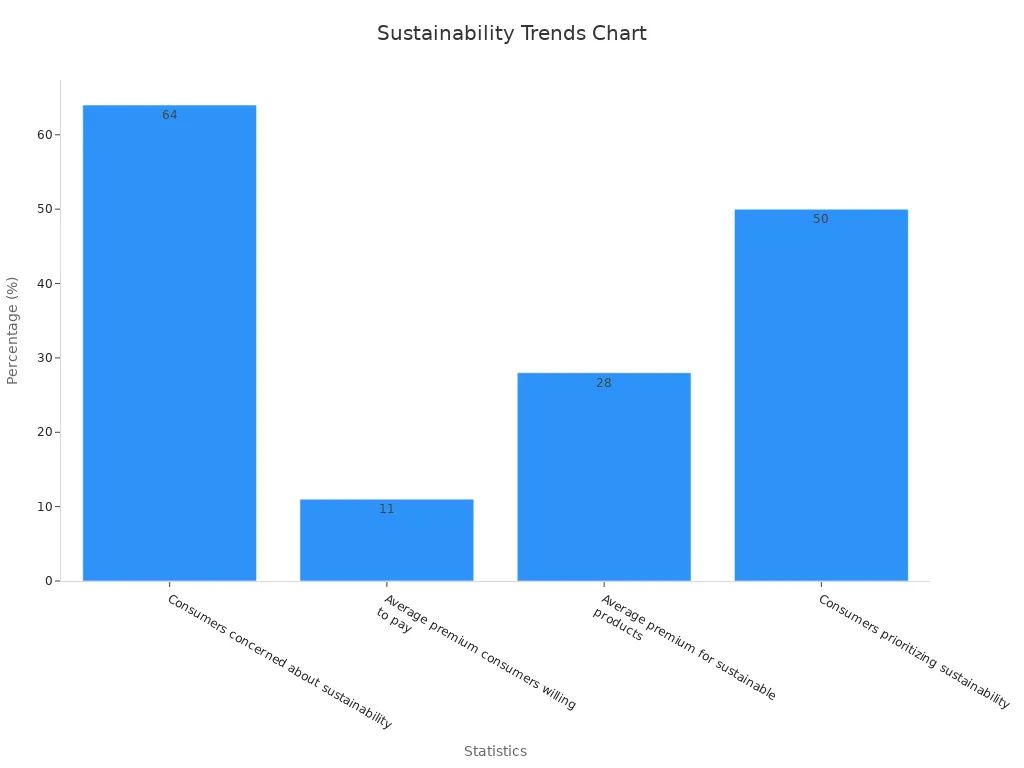
Sustainability is shaping how you shop. While convenience and price still matter, more people are factoring in environmental impact when choosing products. About 64% of consumers express concern about sustainability, and 50% prioritize it in their purchases. Products marketed as sustainable even command a 28% premium, showing how much value shoppers place on eco-friendly options.
When you choose sustainable products, you’re not just making a purchase—you’re making a statement. Your decisions encourage brands to adopt greener practices, creating a ripple effect across the industry. The future of ecommerce depends on this collective effort to prioritize sustainability.
Predictions for Online Shopping in 2025
The role of AI and automation in shaping e-commerce
Artificial intelligence and automation are transforming the future of ecommerce. By 2025, these technologies will play an even bigger role in shaping how you shop. AI-powered tools will make your online shopping experience faster, smarter, and more personalized. Imagine receiving product recommendations that feel like they were handpicked just for you. That’s the magic of artificial intelligence.
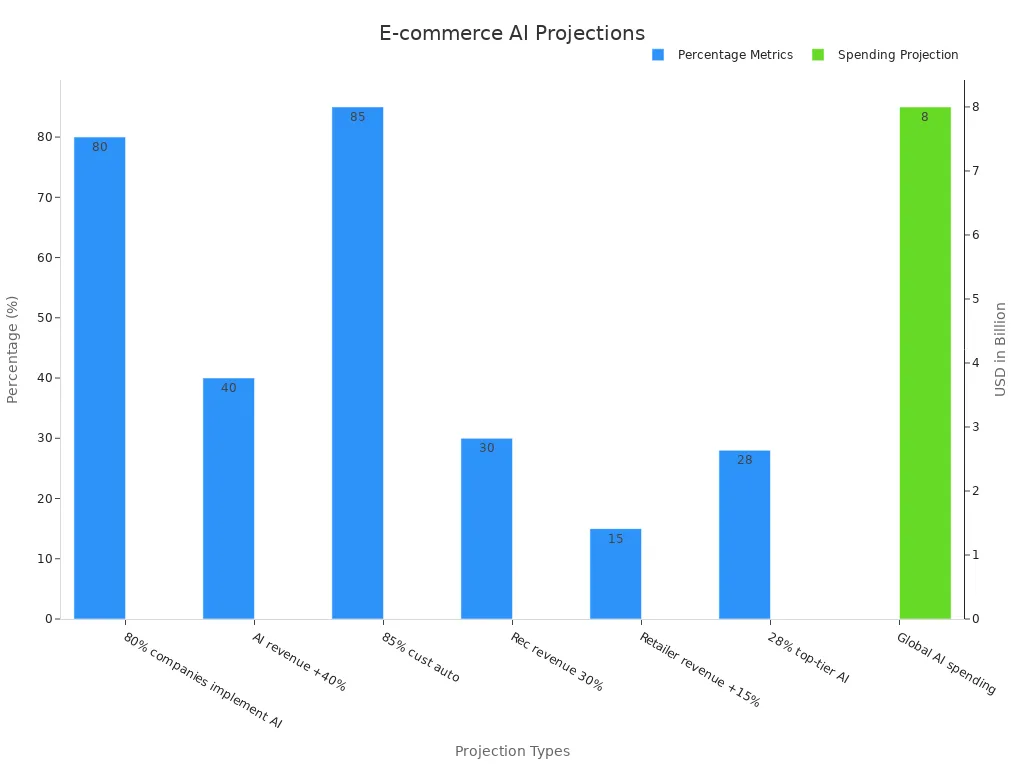
Businesses are already embracing AI at an impressive rate. Around 80% of companies have implemented or plan to implement AI in their ecommerce platforms. This isn’t just about convenience—it’s about results. Companies using AI report a 40% increase in revenue, and personalized recommendations now account for up to 30% of ecommerce revenues. Automation is also stepping up, with 85% of customer interactions expected to be automated. This means quicker responses and smoother shopping experiences for you.
Here’s a snapshot of AI’s impact on ecommerce:
|
Evidence Description |
Statistic/Projection |
|
Companies adopting AI in ecommerce |
80% |
|
Revenue increase for businesses using AI |
40% |
|
Global spending on AI in ecommerce by 2024 |
$8 billion |
|
Personalized recommendations’ contribution to ecommerce revenues |
30% |
|
Customer interactions automated by 2021 |
85% |
The growth of cross-border online shopping
Cross-border online shopping is booming, and it’s reshaping global trade. You’re no longer limited to products from your own country. With just a few clicks, you can explore and buy items from around the world. This trend is breaking down traditional trade barriers and creating new opportunities for businesses and consumers alike.
Studies show that cross-border ecommerce has significantly increased international trade. It’s especially beneficial for developing countries, giving them better access to global markets. By reducing trade costs, cross-border ecommerce makes it easier for businesses to expand internationally. For example, platforms like Aliexpress have shown how digital tools can lower tariffs and other barriers, making global shopping more accessible.
This shift isn’t just about convenience. It’s about creating a more connected world. As cross-border ecommerce grows, it’s expected to enhance trade dynamics and provide new revenue opportunities for businesses everywhere.
Shopee's influence on global e-commerce trends
Shopee is leading the charge in shaping the future of e-commerce. In 2022, it achieved a gross merchandise volume (GMV) of $47.9 billion, capturing nearly half of Southeast Asia’s total GMV. This dominance highlights Shopee’s ability to set trends and influence the ecommerce landscape.
Shopee’s success isn’t just about numbers. It’s about creating a seamless customer experience. From mobile-first strategies to personalized recommendations, Shopee ensures that your shopping journey is smooth and enjoyable. Its innovative features, like live shopping and ShopeePay, make it a favorite among users. In fact, Shopee was the second most visited ecommerce platform globally in 2021, with 1.2 billion visits.
As Southeast Asia continues to grow as a key ecommerce market, Shopee is well-positioned to lead the way. Its focus on innovation and customer satisfaction ensures that it will remain a major player in the global ecommerce scene.
The future of e-commerce is brimming with possibilities. From AI-powered personalization to sustainable practices, the trends discussed are reshaping how you shop and interact with brands. Shopee stands out as a leader, blending innovation with customer-centric strategies like live shopping and seamless payment solutions. These advancements aren’t just about convenience—they’re about creating meaningful experiences.
Businesses that embrace technologies like AI and automation can expect measurable growth. For instance, Walmart saw a 79% increase in e-commerce sales after adopting innovative tools. With 86% of buyers willing to pay more for better experiences, the opportunity is clear.
As a consumer, your choices drive change. By supporting sustainable and tech-forward brands, you’re shaping a more connected and eco-friendly future.
FAQ
What is e-commerce, and why is it important?
E-commerce refers to buying and selling goods or services through the internet. It’s important because it makes shopping more convenient, connects businesses with global customers, and drives economic growth.
How does Shopee personalize my shopping experience?
Shopee uses AI to analyze your preferences and browsing habits. It recommends products you’ll love, offers tailored discounts, and ensures a smoother shopping journey.
Can I shop internationally on Shopee?
Yes! Shopee supports cross-border shopping, letting you explore and buy products from other countries. It’s a great way to access unique items and global brands.
Are digital wallets safe for online shopping?
Absolutely. Digital wallets use encryption and authentication to protect your transactions. They’re fast, secure, and reduce the need to share sensitive card details.
How does sustainability impact e-commerce?
Sustainability encourages brands to adopt eco-friendly practices. Many shoppers now prefer sustainable products, influencing companies to reduce waste and promote greener options.
Related content