
Ex Works Explained in 2025 A Step-by-step Supply Chain Guide
Author:XTransfer2025.12.04Ex-Works
Ex-Works, often abbreviated as EXW, is one of the most straightforward trade terms in global commerce. It defines a transaction where the seller makes goods available at their premises, leaving you, the buyer, fully responsible for transporting them. This term has gained renewed importance in 2025 due to its ability to streamline supply chains in an increasingly interconnected world.
You benefit from Ex Works by gaining complete control over transportation and logistics. With this term, you decide how goods are shipped, ensuring cost efficiency and flexibility. For businesses navigating international trade, Ex-Works simplifies operations by clearly defining the responsibilities of the buyer and seller.
Understanding Ex-Works (EXW)
Definition of Ex-Works
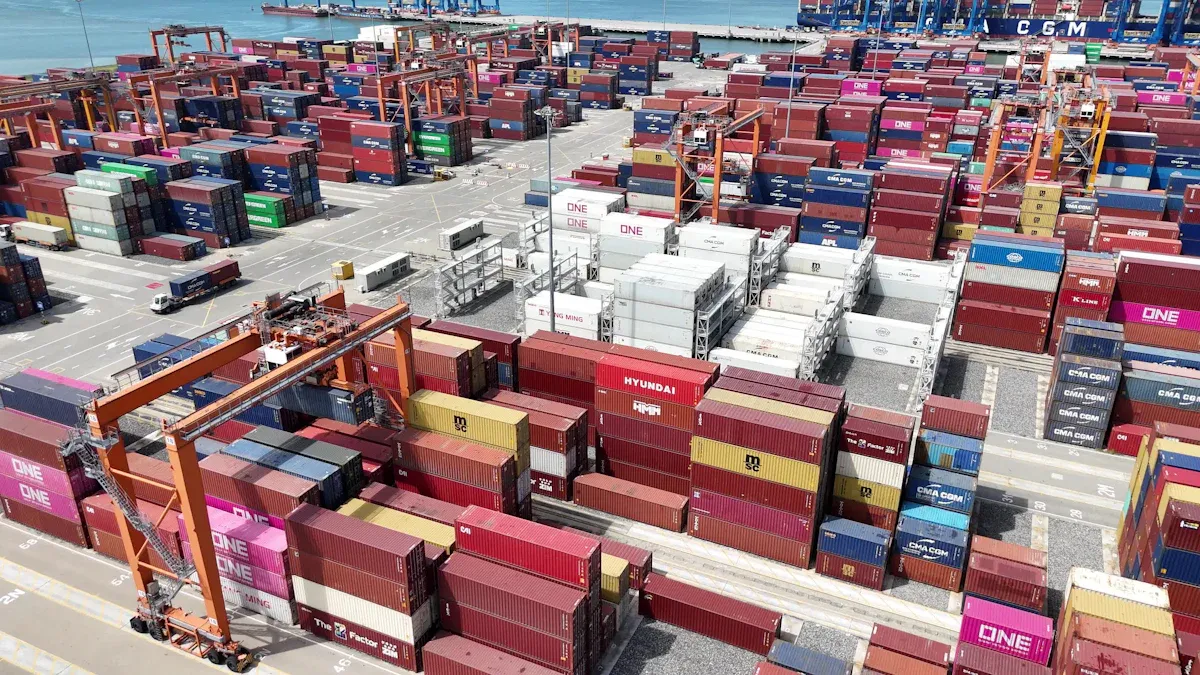
Ex-Works (EXW) is one of the most fundamental terms in international trade. It describes an arrangement where the seller makes goods available at a designated location, such as their factory or warehouse. From that point onward, the buyer takes full responsibility for all transportation costs, risks, and arrangements. This term, established by the International Chamber of Commerce under the Incoterms 2020 framework, ensures clarity in global trade transactions.
The seller’s role is minimal under EXW. They only need to ensure the goods are ready for pickup at the agreed location. On the other hand, the buyer must handle everything else, including loading, shipping, insurance, and customs clearance. This setup can be advantageous for sellers, as it limits their obligations. However, it places significant responsibility on buyers, who must carefully manage logistics and associated risks.
Key Features of Ex-Works
Ex-Works has several defining characteristics that make it unique among trade terms. These features highlight the division of responsibilities between the buyer and seller:
-
The seller is responsible for making the goods available at their premises or another agreed location.
-
The buyer assumes all costs and risks from the moment the goods are made available.
-
The buyer must arrange transportation, insurance, and customs documentation.
-
The seller’s obligation ends once the goods are ready for pickup.
|
Aspect |
Description |
|---|---|
|
Definition |
Ex-Works (EXW) is a term used in international trade that describes an arrangement where the seller makes a product available at a designated location, and the buyer covers transport costs. |
|
Responsibilities |
Under EXW terms, the buyer is responsible for all costs and arrangements related to picking up and transporting goods. |
|
Insurance |
The buyer must arrange insurance coverage from the moment the goods are made available at the seller's premises. |
|
Customs Documentation |
The buyer is responsible for all customs documentation, including export licenses and import documentation. |
These features make EXW a straightforward option for sellers, but buyers must be prepared to handle the complexities of international shipping.
Relevance of Ex-Works in 2025
In 2025, Ex-Works remains a vital tool for businesses navigating global trade. Its simplicity and clear division of responsibilities make it a preferred choice for many sellers. By limiting their obligations to making goods available, sellers can focus on production and other core activities.
For buyers, EXW offers complete control over the shipping process. You can choose the most cost-effective transportation methods, negotiate better rates with carriers, and ensure compliance with local regulations. However, this control comes with added responsibility. You must manage risks, such as delays or damage during transit, and ensure all documentation is in order.
The rise of digital supply chain tools in 2025 has further enhanced the practicality of EXW. Advanced logistics platforms allow buyers to track shipments in real-time, optimize routes, and streamline customs processes. These innovations reduce the risks associated with EXW and make it easier for businesses to manage their responsibilities.
Buyer and Seller Responsibilities Under Ex-Works
Seller's obligations
Under EXW terms, the seller has minimal responsibilities. You, as the seller, must ensure the goods are available at your premises or another agreed location. This includes preparing the goods for transportation by packaging and labeling them appropriately. You also need to provide essential documentation, such as commercial invoices and export licenses, to assist the buyer in customs clearance.
The seller's role ends once the goods are ready for pickup. You are not responsible for loading the goods onto the buyer's transport. According to Incoterms 2020, your obligation is fulfilled when the goods are placed at the buyer's disposal.
-
Key responsibilities of the seller:
-
Make goods available at the agreed location.
-
Package and label goods for transport.
-
Provide necessary documentation, including invoices and export licenses.
-
Buyer's obligations
As the buyer, you bear the majority of responsibilities under EXW. From the moment the goods are made available, you must handle all aspects of transportation, including loading, shipping, and delivery to the final destination. You are also responsible for obtaining export licenses, managing customs clearance, and arranging insurance coverage.
For example, if you are importing machinery from China to Germany, you must coordinate with carriers, ensure compliance with import regulations, and pay any applicable duties. Conducting a risk assessment and maintaining clear communication with the seller can help you navigate these complexities.
-
Key responsibilities of the buyer:
-
Arrange transportation and loading of goods.
-
Obtain export and import licenses.
-
Manage customs clearance and pay duties.
-
Ensure insurance coverage during transit.
-
Cost and risk transfer points
Under EXW, the cost and risk transfer to the buyer as soon as the goods are made available at the seller's premises. This means you, as the buyer, assume full responsibility for any damage or loss during transit. Unlike other terms like FOB, where the risk transfers at the port of shipment, EXW places the burden on the buyer from the start.
-
Key points of cost and risk transfer:
-
Risk transfers to the buyer once goods are available at the seller's location.
-
The seller has no further responsibility after making the goods available.
-
Buyers must carefully manage transportation risks to avoid financial losses.
-
Understanding these transfer points is essential to avoid disputes and ensure smooth transactions. By clearly defining responsibilities, EXW simplifies trade while emphasizing the buyer's role in managing logistics and risks.
Step-by-step Guide to Implementing Ex-Works
Step 1: Familiarize yourself with Ex-Works terms
Understanding Ex-Works (EXW) is the first step in successfully implementing it in your supply chain. This term, defined under Incoterms 2020, specifies that the seller's responsibility ends once the goods are made available at their premises or another agreed location. From that point, you, as the buyer, take on all costs and risks associated with transportation, insurance, and customs clearance.
Familiarizing yourself with EXW terms helps you avoid unexpected costs and disputes. For example:
-
EXW clearly defines the point where delivery and risk transfer occur.
-
As the buyer, you are responsible for all transport-related costs, insurance, and other charges, which can significantly increase the total cost of goods.
-
Sellers face the risk of non-payment since they do not control the shipment process.
By understanding these aspects, you can better prepare for the responsibilities that come with EXW. This knowledge ensures smoother transactions and minimizes misunderstandings with your trading partners.
Step 2: Evaluate your supply chain's readiness
Before adopting EXW, assess whether your supply chain can handle the added responsibilities. This evaluation ensures that you have the necessary resources, expertise, and infrastructure to manage transportation, insurance, and customs processes effectively.
Several tools and frameworks can help you evaluate your supply chain readiness:
-
Digital Readiness Check (DRC): This tool assesses your supply chain's preparedness for Industry 4.0. It evaluates categories like strategy, employee skills, and the initiation of business transactions.
-
SCOR Model: Widely used in scientific publications, this model describes business activities related to meeting customer demand. It provides insights into areas like planning, sourcing, and delivery.
Use these methods to identify gaps in your supply chain. For instance, if your team lacks experience in customs clearance, consider hiring a customs broker or providing training. A thorough evaluation ensures that your supply chain is equipped to handle the complexities of EXW.
Step 3: Negotiate clear terms with trading partners
Clear communication and well-defined terms are essential when negotiating EXW agreements. Both you and your trading partners must understand your respective responsibilities to avoid disputes.
A case study of the Free Trade Agreement (FTA) between Canada and the United States highlights the importance of clear negotiation terms. Despite being the weaker party, Canada successfully negotiated terms that included a strong dispute resolution mechanism. This example shows how detailed planning and clarity in negotiations can lead to successful outcomes, even when power dynamics are uneven.
When negotiating EXW terms, focus on:
-
Clearly defining the point of delivery and risk transfer.
-
Specifying the documentation the seller must provide, such as invoices and export licenses.
-
Agreeing on timelines for making goods available and picking them up.
By addressing these points, you can establish a solid foundation for your EXW transactions. This clarity reduces the risk of misunderstandings and ensures a smoother trading process.
Step 4: Prepare documentation and contracts
Proper documentation and contracts are essential for smooth transactions under EXW terms. You must ensure all paperwork aligns with the agreed terms and complies with international trade standards. This step minimizes disputes and ensures that both parties fulfill their obligations effectively.
Key Practices for Documentation and Contracts
-
Negotiating Terms: Collaborate with the seller to define clear terms that align with EXW requirements. Specify the delivery point, risk transfer, and the seller’s role in providing necessary documents.
-
Insurance Coverage: Secure comprehensive insurance starting at the seller’s premises. This protects your goods from potential risks during transit.
-
Customs Clearance: Handle all export and import customs clearances. Engaging a customs broker can simplify this process and ensure compliance with regulations.
-
Transport Arrangements: Plan transportation meticulously. Choose reliable carriers and confirm schedules to avoid delays.
-
B/L Accuracy: Ensure the Bill of Lading (B/L) accurately reflects the terms of sale and shipment. Errors in the B/L can lead to complications during customs clearance.
-
Seller’s Assistance: Request the seller’s help in preparing the B/L if needed. This fosters good business relations and ensures accuracy in documentation.
Step 5: Organize transportation and logistics
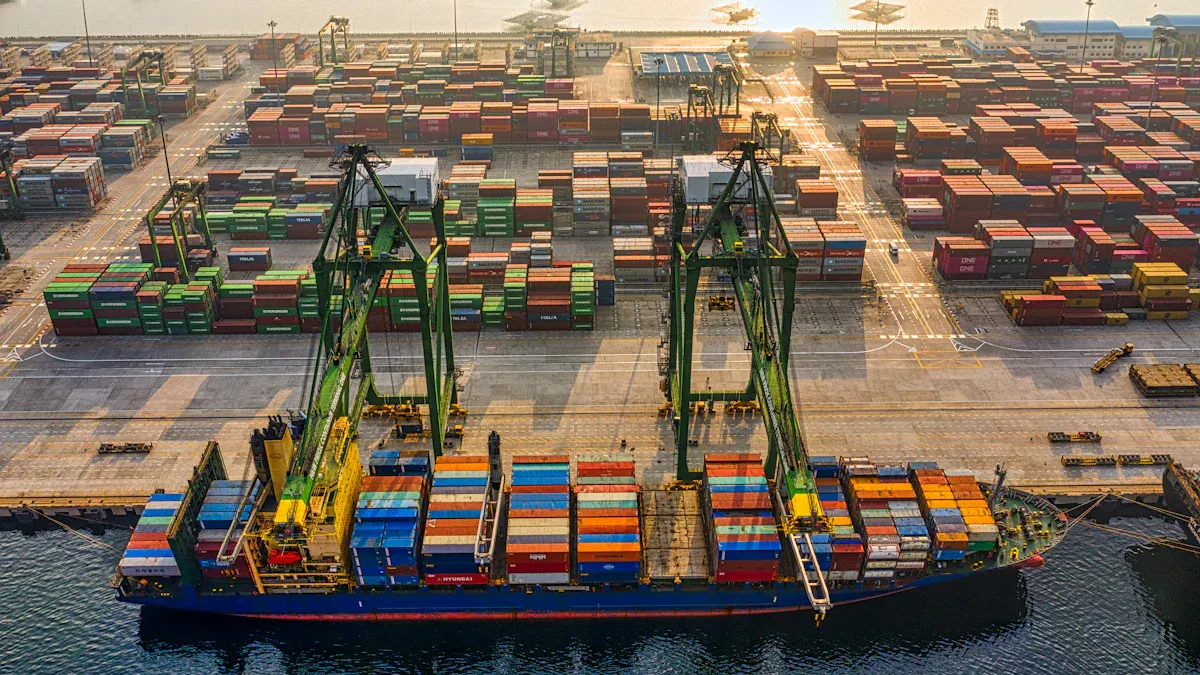
Under EXW, transportation and logistics are entirely your responsibility. You must coordinate every aspect of the shipping process, from picking up goods at the seller’s premises to delivering them to the final destination.
Steps to Organize Transportation
-
Select Reliable Carriers: Choose carriers with a proven track record in international shipping. Verify their experience in handling goods similar to yours.
-
Plan Routes and Schedules: Optimize shipping routes to reduce transit time and costs. Confirm schedules with carriers to avoid delays.
-
Arrange Loading and Pickup: Coordinate with the seller to ensure goods are ready for pickup. Verify packaging and labeling to meet transport requirements.
-
Track Shipments: Use digital logistics platforms to monitor shipments in real-time. These tools help you identify potential delays and adjust plans accordingly.
Step 6: Ensure compliance with trade regulations
Compliance with trade regulations is critical for avoiding fines, delays, and legal complications. You must adhere to international laws and customs requirements throughout the shipping process.
Benefits of Compliance
|
Evidence Type |
Description |
|---|---|
|
Legal Operations |
Following regulations minimizes the risk of fines, legal actions, or revoked trading licenses. Non-compliance fines have risen by 20% over the past decade. |
|
Supply Chain Stability |
Proper compliance reduces shipment delays and ensures smoother customs clearance. Companies with strong compliance protocols report up to a 30% reduction in bottlenecks. |
|
Market Access |
Adhering to trade rules enables eligibility for preferential tariffs and facilitates entry into regulated markets. |
|
Reputation |
Ethical practices build stakeholder trust and safeguard brand credibility. Organizations with robust compliance measures attract long-term partnerships. |
Common Risks of Non-Compliance
-
Financial Penalties: Regulatory authorities impose steep fines for violations. These fines have increased by over 100% in the last decade.
-
Legal Actions: Non-compliance can lead to trading bans, lawsuits, or revoked licenses, disrupting operations.
-
Operational Disruptions: Delays at customs and rejected shipments can result in significant revenue losses.
Step 7: Monitor and optimize the process
Monitoring and optimizing your supply chain under exw terms is essential for maintaining efficiency and reducing costs. Once your goods are in transit, you need to actively track their progress and evaluate the performance of your logistics operations. This step ensures that your processes align with your business goals and adapt to changing conditions.
Why Monitoring Matters
Monitoring helps you identify potential issues before they escalate. For example, delays in transportation or customs clearance can disrupt your delivery schedule. By tracking shipments in real-time, you can address these problems quickly and minimize their impact.
Use digital tools to monitor your supply chain. Many platforms provide real-time tracking, allowing you to see where your goods are at any moment. These tools also offer insights into delivery times, carrier performance, and route efficiency.
Steps to Optimize the Process
Optimization involves improving your supply chain to achieve better results. Focus on these areas to enhance your operations:
-
Evaluate Carrier Performance
Assess the reliability and efficiency of your carriers. Look at metrics like delivery times, cost-effectiveness, and damage rates. Replace underperforming carriers with more reliable options. -
Analyze Shipping Routes
Review the routes used for transporting goods. Shorter or more direct routes can save time and reduce costs. Use route optimization software to identify the best paths for your shipments. -
Improve Communication
Strengthen communication with your trading partners and logistics providers. Clear and timely updates ensure everyone is aligned and reduces the risk of misunderstandings. -
Review Documentation Processes
Check your documentation for accuracy and compliance with incoterms 2020 standards. Errors in paperwork can lead to delays or fines. Regular audits help you maintain consistency. -
Leverage Data Analytics
Use data analytics to identify trends and areas for improvement. Analyze past shipments to find patterns in delays, costs, or risks. Apply these insights to refine your processes.
Benefits of Monitoring and Optimization
|
Benefit |
Description |
|---|---|
|
Cost Reduction |
Optimized routes and carriers lower transportation expenses. |
|
Improved Efficiency |
Real-time tracking and streamlined processes reduce delays and bottlenecks. |
|
Risk Mitigation |
Early identification of issues minimizes the impact of disruptions. |
|
Enhanced Relationships |
Better communication fosters trust and collaboration with partners. |
By monitoring and optimizing your supply chain, you ensure that your exw transactions run smoothly. This proactive approach helps you adapt to challenges and maintain control over your logistics.
Comparing Ex-Works to Other Incoterms
Ex-Works vs. FOB
When comparing Ex-Works (EXW) to Free on Board (FOB), the key difference lies in the point where responsibility shifts from the seller to the buyer. Under EXW, the seller's role ends once the goods are made available at their premises. You, as the buyer, take on all transportation costs and risks from that point onward. In contrast, FOB requires the seller to load the goods onto the transport vessel. The seller remains responsible for the goods until they are safely on board.
-
Cost Distribution:
-
In EXW, you cover all transport costs, starting from the seller's location.
-
In FOB, the seller pays for loading and transport to the port, while you handle costs from the vessel onward.
-
This distinction makes FOB a better choice if you prefer the seller to manage initial logistics. However, EXW gives you full control over the entire shipping process.
Ex-Works vs. CIF
Cost, Insurance, and Freight (CIF) differs significantly from EXW in terms of seller obligations. With CIF, the seller not only delivers the goods to the port but also arranges insurance and pays for freight to the destination port. You, as the buyer, assume responsibility only after the goods arrive at the destination port.
EXW, on the other hand, places all responsibilities on you from the start. You must arrange transportation, insurance, and customs clearance. While CIF simplifies logistics for you, it often comes with higher costs since the seller includes insurance and freight charges in the price. EXW, by contrast, allows you to negotiate better rates and customize your shipping process.
Choosing Ex-Works for Specific Scenarios
Ex-Works works best when you have a robust logistics network and experience in managing international shipments. If you want complete control over transportation and prefer to negotiate directly with carriers, EXW is ideal. It is also suitable for buyers who have established relationships with customs brokers and insurance providers.
For example, if you are importing goods from a country with complex export regulations, EXW allows you to handle compliance directly. This ensures that you meet all legal requirements without relying on the seller. However, if you lack expertise in logistics, consider other Incoterms like CIF or FOB, which reduce your responsibilities.
Overcoming Challenges in Ex-Works Implementation
Addressing communication gaps
Clear communication is essential when using exw terms. Misunderstandings between you and your trading partners can lead to delays, disputes, or financial losses. To address these gaps, establish clear channels for exchanging information. Use tools like email, instant messaging, or supply chain management software to keep everyone informed.
Regular updates help ensure that both parties understand their responsibilities. For example, you should confirm the pickup schedule with the seller and verify that all required documents are ready. If you work with multiple carriers or brokers, maintain a centralized record of all communications. This approach reduces confusion and ensures that everyone stays aligned.
Managing transportation risks
Transportation risks can disrupt your supply chain and increase costs. These risks include damage to goods, delays, or even loss during transit. To manage these challenges, take proactive steps to protect your shipments.
Start by choosing reliable carriers with experience in handling your type of goods. Verify their safety records and ensure they meet industry standards. Proper packaging is also critical. Goods should be securely packed and labeled to prevent damage during transit.
Real-time tracking tools can help you monitor shipments and respond to issues quickly. For instance, if a delay occurs, you can adjust delivery schedules or reroute shipments to minimize disruptions. Thorough documentation of the goods’ condition before transfer can also protect you in case of disputes. A textile company once avoided financial losses by using this strategy to resolve a claim about damaged merchandise.
Ensuring regulatory compliance
Adhering to trade regulations is crucial for avoiding fines, delays, or legal issues. You must ensure compliance at every stage of the shipping process.
-
Obtain necessary licenses or permits for importing goods. This step prevents delays or rejection at the border.
-
Classify and value goods correctly. Accurate documentation ensures smooth customs clearance and avoids penalties.
-
Verify that carriers meet safety and environmental standards. Proper packaging and labeling also play a role in compliance.
Neglecting these steps can lead to serious consequences. A technology firm once failed to define encryption standards for data during transit, resulting in a costly data breach. By prioritizing compliance, you protect your business and maintain smooth operations.
Ex-Works remains a vital tool for global trade in 2025. It empowers you to take full control of logistics while simplifying the seller's role. By clearly defining responsibilities, ex works minimizes confusion and ensures smoother transactions. Proper documentation and clear communication with trading partners are essential for success.
To implement ex-works effectively, evaluate your supply chain capabilities and establish strong relationships with reliable carriers. Staying proactive and organized helps you navigate challenges and optimize your operations.
FAQ
What does "Ex-Works" mean in simple terms?
Ex-Works (EXW) means the seller makes goods available at their location, and you handle everything else. You arrange transportation, pay for shipping, and manage customs. The seller’s job ends when the goods are ready for pickup.
Is Ex-Works suitable for small businesses?
Yes, if you have experience managing logistics. Ex-Works gives you control over shipping and costs. However, it requires resources and knowledge of customs and transportation. Small businesses should evaluate their capabilities before choosing EXW.
Who handles customs clearance under Ex-Works?
You, as the buyer, handle customs clearance. This includes preparing documents, paying duties, and ensuring compliance with regulations. The seller provides basic paperwork, but you manage the rest.
What are the risks of using Ex-Works?
The main risks include transportation delays, damage, or loss of goods. Since you take responsibility from the seller’s location, you must manage these risks with proper insurance and reliable carriers.
How can I ensure smooth transactions with Ex-Works?
Clear communication is key. Confirm pickup schedules, verify documentation, and maintain regular updates with the seller. Use digital tools to track shipments and address issues quickly. Strong planning ensures smoother operations.
Related content