
Everything About Bank Slips Made Simple
Author:XTransfer2025.08.29Bank Slips
A bank slip is a document issued by a bank that records a financial transaction. It helps you track deposits, withdrawals, or payments. Understanding how to read and use a bank slip empowers you to manage your finances effectively. It ensures you stay organized, avoid errors, and maintain accurate financial records.
What Is a Bank Slip?
Definition and Purpose
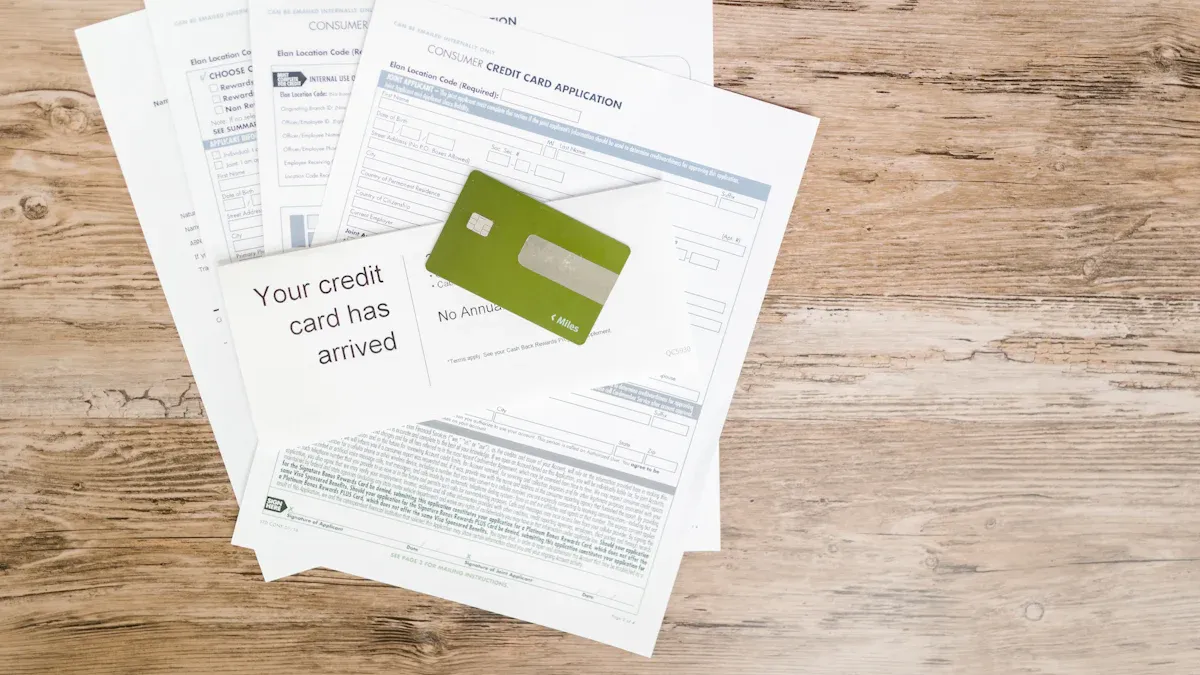
A bank slip is a document that records financial transactions between you and your bank. It serves as proof of payment or deposit and ensures that your funds are accurately credited to your bank account. When you make a deposit, the bank slip acts as a receipt, confirming the transaction details. For example, it shows whether the deposit consists of cash, checks, or a combination of both. This document is essential for maintaining transparency and accuracy in banking operations.
Banks use deposit slips to acknowledge funds received from customers. These slips also provide a breakdown of the deposit, specifying the type of funds and any cash back requested. For you, the bank slip becomes a reliable record of the transaction, helping you track your deposits and verify that they were processed correctly.
Types of Bank Slips
Bank slips come in various forms, each designed for specific purposes. Here’s a table summarizing the most common types:
|
Type of Deposit Slip |
Description |
|
Bank Deposit Slip |
Used for completing deposits at a bank, validated by a teller. |
|
Sales Deposit Slip |
Helps businesses record payments from customers for goods or services. |
|
Blank Deposit Slip |
A form you fill out manually to indicate cash or check deposits. |
|
Cash Deposit Slip |
Commonly used for adding funds to accounts, serving as a record between you and the bank. |
|
Business Deposit Slip |
Used by companies for transferring funds or paying for purchases. |
|
Generic Deposit Slip |
A universal form for simple deposit transactions. |
|
Export Deposit Slip |
Used for payments related to exports, often requiring shipment details. |
|
Cheque Deposit Slip |
Specifically for depositing checks, requiring details like check numbers and issuing banks. |
|
Savings Deposit Slip |
Designed for deposits into savings accounts, allowing interest accumulation. |
|
Direct Deposit Slip |
Used for electronic fund transfers, requiring online transaction details. |
Each type of deposit slip serves a unique purpose, whether you’re depositing cash, checks, or making electronic transfers. For example, a business deposit slip helps companies manage their finances, while a savings deposit slip is ideal for individuals looking to grow their savings.
Key Details Found on a Bank Slip
Bank slips contain essential information that ensures the accuracy of your transactions. Here’s what you’ll typically find:
-
Date of Deposit: Indicates when the transaction occurred.
-
Name of Depositor: Identifies who made the deposit.
-
Account Number: Specifies the account where the funds will be credited.
-
Name of Account Holder: Confirms the identity of the account owner.
-
Type of Deposit: Clarifies whether the deposit consists of cash or checks.
-
Source of Funds: Provides context for the origin of the funds, if applicable.
-
Details of Money Received: Lists denominations of cash or checks deposited, ensuring accuracy during processing.
These details serve multiple purposes. For you, they act as proof of payment and help you verify that your deposit was credited correctly. For banks, they ensure accurate record-keeping and provide a way to follow up if discrepancies arise.
Deposit slips are typically available at banks, where you fill in the necessary details before making a deposit. Writing the account number on the slip informs the teller where to credit the funds. Once processed, the slip becomes a receipt, confirming the bank has acknowledged your deposit.
How Bank Slips and Deposit Slips Work
The Role of Deposit Slips in Banking
Deposit slips play a vital role in ensuring smooth banking operations. When you deposit money into your bank account, the deposit slip acts as a written record of the transaction. It provides a detailed breakdown of the funds, including cash and checks, and ensures that the bank processes your deposit accurately.
Banks typically use carbonless deposit slips, which create two copies: one for the bank and one for your records. This system ensures transparency and accountability. After you submit the deposit slip, the bank attaches a receipt to your copy, confirming the transaction. This receipt is essential for resolving any discrepancies that may arise later.
Deposit slips also streamline financial operations for banks. They help maintain accurate daily records, ensuring no funds go unaccounted for. As a bank customer, you benefit from the assurance that your money is handled correctly. Additionally, digitized deposit slips have made the process even more efficient, saving time and reducing costs for both banks and customers.
Steps to Fill Out a Deposit Slip
Filling out a deposit slip correctly is crucial for ensuring your funds are deposited without errors. Follow these steps to complete a deposit slip:
-
Gather the necessary information, including your account number, the names of account holders, and the cash or checks you plan to deposit.
-
Write the date of the deposit clearly.
-
Enter your account number in the designated space. This ensures the funds are credited to the correct bank account.
-
If required, list the names of account holders.
-
Specify the amounts for each type of deposit. For cash, write the total amount. For checks, list each check separately along with its amount.
-
Add up the total deposit amount and double-check your calculations.
-
If the slip requires a signature, sign it before submitting it to the bank teller or ATM.
By following these steps, you minimize the risk of errors and ensure your deposit is processed smoothly. Banks often use adding machines to verify totals and item counts, but your accuracy helps speed up the process. Always keep a copy of the deposit slip for your records.
Common Scenarios for Using Bank Slips
Bank slips, including deposit slips, are used in various situations to facilitate financial transactions. Here are some common scenarios where you might encounter them:
-
Depositing Cash or Checks: When you visit a bank to deposit cash or checks, you’ll need to fill out a deposit slip. This ensures the funds are credited to your account accurately.
-
Business Transactions: Businesses often use deposit slips to manage daily deposits from sales. These slips help track income and maintain accurate financial records.
-
Resolving Discrepancies: If there’s ever a question about a deposit, your copy of the deposit slip serves as proof of the transaction. This can be especially helpful for resolving errors or disputes.
-
ATM Deposits: Many ATMs now accept deposits, but they still require you to use a deposit slip or provide similar information digitally.
-
Record-Keeping: Deposit slips are an essential part of personal and business financial records. They help you track your deposits over time and ensure your bank statements match your records.
In each of these scenarios, the deposit slip acts as a bridge between you and the bank, ensuring transparency and accuracy. Whether you’re a business owner managing daily sales or an individual depositing a paycheck, the deposit slip simplifies the process and provides peace of mind.
Benefits of Using Bank Slips

Ensuring Accurate Deposits
Using a deposit slip ensures that your deposits are processed accurately. These slips include essential details like your name, account number, and the deposit amount. This information helps the bank credit the correct amount to your bank account without errors. For example, listing each check separately on the slip allows the bank to verify the total deposit amount.
Deposit slips also act as a safeguard against fraud. By requiring your signature and other identifying details, they make unauthorized deposits more difficult. Businesses benefit significantly from this accuracy. Structured deposit slips help them track incoming funds and maintain precise financial records. Additionally, customized slips reduce manual errors, improving efficiency for both individuals and organizations.
Providing Proof of Transactions
A bank slip serves as undeniable proof of your completed transactions. When you deposit money, the bank provides a stamped copy of the slip as a receipt. This document confirms that the bank has received your funds and credited them to your account. In case of disputes, this receipt becomes invaluable.
Bank statements, which include details from your deposit slips, further validate your financial activities. They showcase your ability to manage cash flow and provide a clear record of your transactions. Whether you're an individual or a business, these records ensure transparency and accountability in your financial dealings.
Simplifying Financial Record-Keeping
Bank slips simplify the process of managing your financial records. They provide a written record of each deposit, making it easier to track your income and expenses. For businesses, this is especially important. Deposit slips help streamline bookkeeping by offering a structured way to document daily transactions.
Case studies highlight how organizations have improved efficiency by integrating deposit slips into their financial systems. For instance, The First Tee organization reduced manual accounting tasks by adopting centralized financial management. This approach allowed them to access real-time data and make informed decisions. Similarly, tools like PwC's Bookkeeping Connect have shown how technology can enhance record-keeping and financial transparency.
By using deposit slips, you can maintain organized records, reduce errors, and save time. Whether you're managing personal finances or running a business, these slips are a valuable tool for staying on top of your financial responsibilities.
Alternatives to Bank Slips
Digital Banking Records
Digital banking records offer a modern solution for tracking financial transactions. These records eliminate the need for paper slips, providing you with instant access to your deposit history through online platforms. Banks now use advanced technologies like direct APIs to enhance transparency and security. This shift ensures that your financial data remains protected while offering a streamlined experience.
The transition to digital banking has optimized operations for both banks and customers. For example, instead of relying on traditional bank slips, you can view detailed transaction summaries, including deposits, withdrawals, and transfers, directly on your mobile device or computer. This approach saves time and reduces errors, making it a preferred choice for many individuals and businesses.
Mobile Payment Confirmations
Mobile payment confirmations have become a popular alternative to traditional bank slips. When you make a deposit or payment using apps like PayPal or Venmo, the platform generates a digital receipt. This receipt includes essential details such as the transaction amount, date, and recipient information.
These confirmations simplify record-keeping for you. Instead of storing physical slips, you can access your payment history anytime through the app. Mobile payment systems also offer real-time notifications, ensuring you stay updated on your deposits and payments. This convenience makes mobile confirmations an excellent substitute for paper-based documentation.
Other Documentation Options
Several other methods can replace traditional bank slips for tracking financial transactions. For accounts receivable, you can use subsequent cash receipts or match them with items being paid. Shipping documents and client records also serve as reliable alternatives for verifying deposits.
In accounts payable, you might rely on correspondence from third parties or examine cash disbursements. These options ensure completeness and accuracy in your financial records. By using these alternatives, you can maintain organized documentation without relying solely on bank slips.
Bank slips and deposit slips are essential tools for managing your finances. They ensure accuracy, provide proof of transactions, and simplify record-keeping.
FAQ
What should you do if you lose a bank slip?
Contact your bank immediately. Provide transaction details like the date, amount, and account number. Banks can retrieve records to verify and resolve the issue.
Can you use a deposit slip for online banking?
No, deposit slips are for in-person transactions. Online banking automatically records deposits digitally, eliminating the need for physical slips.
Why is it important to keep bank slips?
Bank slips provide proof of transactions. They help you resolve disputes, track deposits, and maintain accurate financial records for personal or business purposes.
Related content