
Essential Document Address Fixes for 2025
Author:XTransfer2025.04.24Document Address
Updating your document address is more important than ever as the May 7, 2025, Real ID deadline approaches. Without a compliant ID, you won’t be able to board domestic flights or enter federal facilities. As of January 2024, only 56.42% of IDs were Real ID-compliant, leaving millions of Americans at risk of non-compliance. By May 2025, this number is expected to rise to 70%, but delays could make it harder to meet the deadline.
To get started, confirm your current address matches Real ID standards. Gather proof, like utility bills or lease agreements, and update your address on key documents. Acting now can save you from last-minute stress.
Real ID Address Requirements Explained
What is the Real ID Act and its purpose?
The Real ID Act was introduced to enhance the security of identification documents in the United States. It was enacted in response to the September 11 attacks to prevent identity fraud and improve national security. The act sets federal standards for state-issued IDs, ensuring they meet strict verification requirements.
|
Key Aspect |
Description |
|---|---|
|
Purpose |
Enacted to establish federal standards for identification documents in response to the September 11 attacks. |
|
Compliance |
States began compliance in 2012, with full certification by 2020. |
|
Requirements |
Identification documents must include full name, date of birth, address, and must be verified with issuing authorities. |
|
Prohibitions |
Federal agencies cannot accept non-compliant state-issued IDs for access to federal facilities and boarding flights. |
The Real ID Act ensures that identification documents are secure and reliable. It also prevents unauthorized access to federal facilities and domestic flights for individuals without compliant IDs.
Address-related compliance requirements for Real ID
To comply with the Real ID Act, your identification documents must include a verified address. This address must match the one on your supporting documents, such as utility bills or lease agreements. Consistency across all documents is crucial to avoid delays or rejections during the application process.
In 2000, a study by the U.S. Department of Health and Human Services revealed some challenges related to document verification:
-
Over 6,422 state and local agencies issued birth certificates.
-
More than 14,000 types of birth certificates were in circulation.
-
Up to 15 states had minimal restrictions on obtaining birth certificates from vital records agencies.
These findings highlight the importance of accurate and consistent document address verification. The Real ID Act addresses these issues by requiring stricter standards for all identification documents.
Federal deadlines and implications of non-compliance
The federal government has set a strict deadline of May 7, 2025, for Real ID compliance. After this date, non-compliant IDs will no longer be accepted for boarding domestic flights or entering federal facilities. This deadline has been extended multiple times to allow states and individuals to meet the requirements.
A study by Janice Kephart estimated that nine states were on track to achieve full compliance by January 2013. Another 27 states were expected to achieve material compliance by the same deadline. However, delays in compliance have created vulnerabilities, increasing risks related to identity theft and terrorism.
Failing to update your document address and obtain a Real ID-compliant identification could lead to significant inconveniences. You may face travel disruptions or restricted access to federal buildings. Acting now ensures you avoid these issues and meet the upcoming deadline.
Key Documents for Real ID Compliance
Driver’s license and state-issued IDs
Your driver’s license or state-issued ID is the cornerstone of Real ID compliance. These documents must meet federal security standards to be accepted for activities like boarding commercial flights or entering federal facilities. The REAL ID Act, passed in 2005, established these requirements to enhance national security. Without a compliant ID, you may face significant restrictions starting May 7, 2025.
To ensure compliance, check if your current ID has a star marking, which indicates Real ID certification. If it doesn’t, visit your local Department of Motor Vehicles (DMV) to upgrade. Bring the necessary documents, including proof of identity, Social Security number, and your document address. This step is essential for meeting federal identification requirements.
Proof of document address (e.g., utility bills, lease agreements)
Proof of your document address is another critical requirement for Real ID compliance. You need to provide documents that verify your current residential address. Examples include utility bills, lease agreements, or bank statements. These documents must display your full name and match the address on your ID application.
When gathering these proofs, ensure they are recent and valid. Outdated or incomplete documents can lead to delays or rejections. Consistency across all your paperwork is key. For instance, if your lease agreement lists a different address than your utility bill, you may need to update one of them to avoid complications.
Supporting documents for name or address changes
If your name or address has changed, you’ll need additional supporting documents. These might include marriage certificates, divorce decrees, or court orders. Such documents validate the changes and ensure your records align with Real ID standards. For example, a construction company once faced disputes due to missing records for change orders, highlighting the importance of proper documentation.
Organize these materials carefully before visiting the DMV. Having everything ready can save time and prevent unnecessary stress. Double-check that all documents reflect your current name and address to streamline the process.
Verifying and Updating Your Document Address
How to check if your current address meets Real ID standards
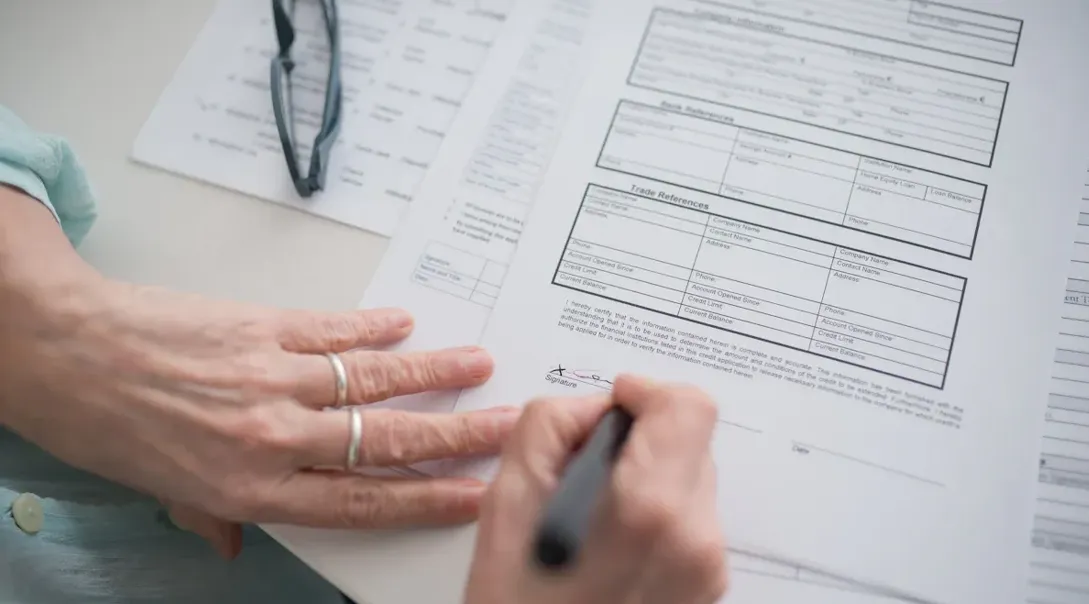
To ensure your document address meets Real ID standards, you need to verify it against specific federal requirements. States use advanced systems to confirm the validity of your address and identity. Here are the key steps involved in the verification process:
-
States authenticate the documents you provide to ensure they are genuine and unaltered.
-
They verify the identity data on your documents to confirm its accuracy.
-
Electronic validation systems, such as SAVE (Systematic Alien Verification for Entitlements) and EVVE (Electronic Verification of Vital Events), are used to check lawful status and vital records.
-
The state cross-checks your address with supporting documents like utility bills or lease agreements to ensure consistency.
You can start by reviewing your current identification documents. Check if the address listed matches your current residence and aligns with the address on your supporting documents. If discrepancies exist, you’ll need to update your records promptly.
Steps to update your address on primary identification documents
Updating your address on primary identification documents, such as your driver’s license or state-issued ID, is a straightforward process. Follow these steps to ensure compliance:
-
Submit primary evidence, such as a government-issued birth certificate, to prove your eligibility.
-
If primary evidence is unavailable, provide a written statement from the issuing authority explaining why it cannot be obtained.
-
Submit secondary evidence, like school records or medical records, to support your claim.
-
If neither primary nor secondary evidence is available, submit affidavits from individuals who have direct knowledge of your identity and address.
Visit your local Department of Motor Vehicles (DMV) with the required documents. Ensure all forms are filled out accurately and that your address matches across all paperwork. This step is crucial for meeting Real ID standards.
Updating your address on supporting documents
Your supporting documents, such as utility bills, lease agreements, or bank statements, play a vital role in verifying your document address. To update these, contact the respective service providers or institutions. Request that they update your address in their records and issue new documents reflecting the change.
When updating your address, ensure the following:
-
The documents display your full name and current residential address.
-
The address matches the one on your primary identification documents.
-
The documents are recent and valid, typically issued within the last 90 days.
For example, if you’ve recently moved, update your address with your utility company and request a new bill. This ensures you have the necessary proof when applying for a Real ID-compliant ID.
Avoiding Common Errors in Address Updates
Ensuring consistency across all documents
Consistency across your documents is critical for Real ID compliance. When your address matches on all forms, it strengthens your credibility during the verification process. Inconsistencies, however, can lead to delays or even rejections.
-
Adjudicators often assess your credibility by comparing the information on your documents. Any mismatch can raise doubts about your application.
-
Attorneys emphasize the importance of accurate and consistent records to avoid undermining your case.
-
Even minor errors, like a misspelled street name or outdated zip code, can complicate the process.
Before submitting your application, review every document carefully. Ensure your address appears exactly the same on your ID, utility bills, and other supporting papers. This simple step can save you from unnecessary complications.
Avoiding invalid or outdated address proofs
Using invalid or outdated address proofs is one of the most common mistakes applicants make. Documents like utility bills or lease agreements must be current and clearly display your full name and residential address. Submitting old or incomplete records can result in your application being denied.
To avoid this issue, check the date on each document. Most agencies require proofs issued within the last 90 days. If you’ve recently moved, update your address with service providers immediately. Request new statements or agreements that reflect your current residence. Keeping your records up-to-date ensures a smoother application process.
Planning ahead to avoid last-minute issues
Planning ahead is essential for avoiding last-minute problems. Rushing through the process often leads to errors, missing documents, or overlooked details. By organizing your materials early, you can prevent these common pitfalls.
-
Use checklists and timelines to track your progress. These tools help you stay organized and ensure you don’t miss any steps.
-
Conduct regular reviews of your documents to confirm their accuracy and completeness.
-
Collaborate with others, such as family members or experts, to double-check your paperwork. A fresh perspective can catch mistakes you might overlook.
Taking a proactive approach reduces stress and increases your chances of success. Start preparing now to ensure your Real ID application goes smoothly.
Tips for a Hassle-Free Real ID Application
Organizing required documents in advance
Preparation is the key to a smooth Real ID application process. Start by gathering all the necessary documents well ahead of your appointment. This includes your primary identification, proof of Social Security number, and proof of address. Each document must meet federal standards and be up-to-date.
Here are some tips to help you stay organized:
-
Create a checklist of required documents to ensure you don’t miss anything.
-
Use labeled folders to keep your paperwork neat and accessible.
-
Double-check that all documents match your current name and address.
Knowing what to expect at each step can also reduce stress. For example, familiarize yourself with the identity proofing process and its benefits. This step ensures your application is secure and accurate. Additionally, check the costs involved and confirm acceptable payment methods to avoid surprises.
Scheduling DMV appointments early
Booking your DMV appointment early can save you time and frustration. Many DMVs experience high demand, especially as the Real ID deadline approaches. Securing an appointment ensures you’ll be seen promptly and avoids long wait times.
|
Benefit |
Description |
|---|---|
|
Time-saving |
Booking an appointment helps you and DMV staff prepare for your visit. |
|
Entry Assurance |
During busy periods, only those with appointments may be allowed entry. |
|
Appointment Variability |
High-demand areas may have limited availability, so scheduling early is crucial. |
Plan ahead by checking your local DMV’s website for available slots. Some locations even offer tools to help you manage your appointment, such as reminders or rescheduling options. Early planning ensures a smoother experience.
Double-checking all address details before submission
Before submitting your application, review every detail carefully. Even small errors, like a misspelled street name or incorrect zip code, can lead to delays or rejections. Ensure your address matches exactly across all documents, including your ID, utility bills, and lease agreements.
Take these steps to avoid mistakes:
-
Compare your address on each document to confirm consistency.
-
Verify that all documents are recent and meet the required standards.
-
Ask a trusted friend or family member to review your paperwork for accuracy.
By double-checking your details, you can prevent unnecessary complications and ensure your Real ID application is accepted without issues. Acting now will save you time and effort later.
Updating your document address for Real ID compliance is essential. Start by verifying your current address, gathering proof, and ensuring consistency across all documents. Acting promptly is critical, as starting May 7, 2025, all air travelers aged 18 and older must present a REAL ID-compliant ID to board flights. Without it, you may face delays at TSA checkpoints, especially with many others in the same situation. Begin the process today to avoid disruptions and ensure a smooth transition before the deadline.
FAQ
What happens if I miss the May 7, 2025, Real ID deadline?
If you miss the deadline, you won’t be able to board domestic flights or enter federal facilities without alternative identification. You’ll need to use a valid passport or other federally accepted ID until you obtain a Real ID-compliant document.
Can I use a P.O. Box as my address for Real ID?
No, Real ID requires a physical residential address. A P.O. Box cannot be used as your primary address. Ensure your documents reflect your current home address to meet compliance standards.
How long does it take to get a Real ID?
Processing times vary by state. It can take anywhere from a few days to several weeks. Check with your local DMV for specific timelines and plan ahead to avoid last-minute issues.
Do I need to update my address if I recently moved?
Yes, you must update your address on all identification and supporting documents. This ensures consistency and compliance with Real ID requirements. Start by contacting your DMV and utility providers to make the necessary changes.
What documents should I bring to the DMV for a Real ID?
Bring these essentials:
-
Proof of identity (e.g., birth certificate or passport)
-
Social Security number proof (e.g., SSN card or tax form)
-
Proof of address (e.g., utility bill or lease agreement)
Note: Double-check your state’s specific requirements before your visit.
Related content