
Complete Guide to Lloyds SWIFT/BIC Codes in 2025
Author:XTransfer2025.08.13Lloyds SWIFT/BIC Codes
When you send or receive money internationally, accuracy is critical. Lloyds SWIFT/BIC codes act as unique identifiers for Lloyds Bank, ensuring your funds reach the correct destination. These codes simplify international business banking by eliminating confusion during transactions. Whether you're paying for services abroad or receiving payments from another country, using the correct code can save time and prevent costly errors.
Understanding Lloyds SWIFT/BIC Codes
What are SWIFT and BIC codes
SWIFT and BIC codes are essential tools for international banking. These codes identify banks and financial institutions worldwide, ensuring that money transfers are accurate and secure. A SWIFT code, also known as a BIC (Business Identifier Code), is a unique identifier for a bank. It follows a standardized format set by the International Organization for Standardization (ISO 9362).
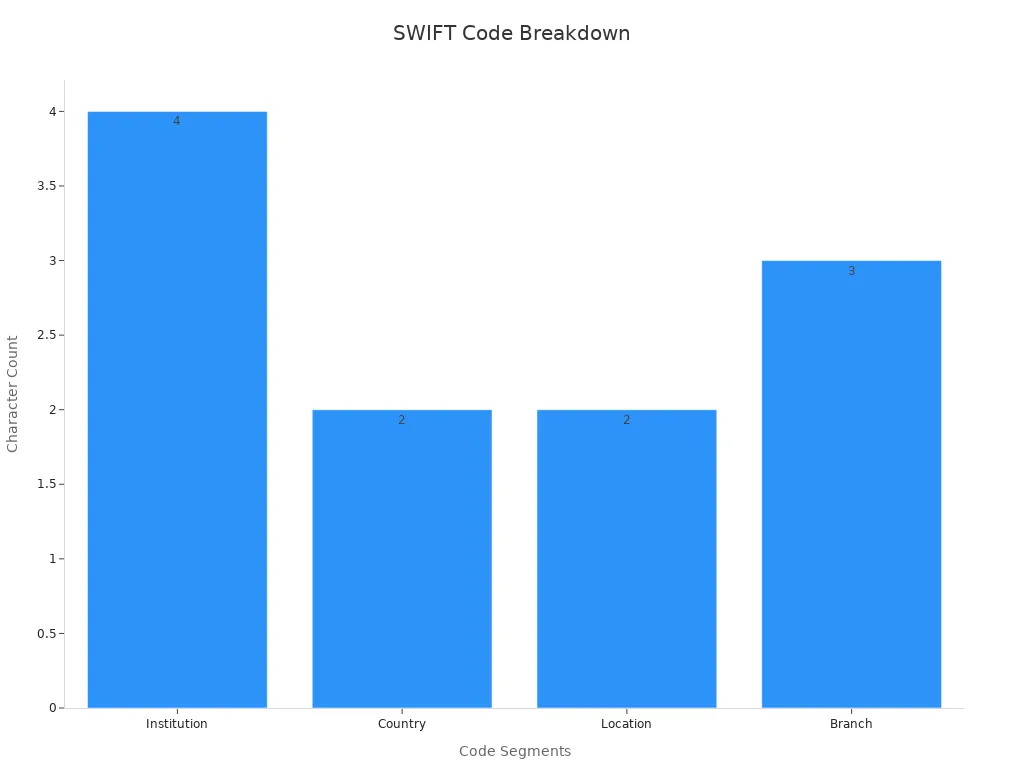
Each SWIFT code contains 8 to 11 characters. These characters provide specific details about the bank, such as its name, country, and branch location. For example, the first four characters represent the bank code, the next two indicate the country, the following two show the location, and the last three (optional) specify the branch. A typical SWIFT code looks like this: AAAABBCCXXX. This structured format ensures that funds are sent to the correct institution without delays or errors.
SWIFT codes are widely used for international wire transfers and SEPA (Single Euro Payments Area) payments. They play a critical role in global banking by connecting financial institutions and enabling seamless transactions.
Why Lloyds Bank uses SWIFT/BIC codes
Lloyds Bank uses SWIFT/BIC codes to facilitate international transactions efficiently. These codes are part of the ISO 9362 standards, which are essential for global money transfers. By using SWIFT codes, Lloyds Bank ensures that payments are directed to the correct institutions, reducing the risk of errors.
The bank also relies on Nostro and Vostro accounts to collaborate with other banks. This collaboration allows Lloyds Bank to process international payments smoothly. SWIFT codes act as a bridge between banks, making it easier to send and receive money across borders.
For Lloyds Bank, SWIFT/BIC codes are not just identifiers. They are tools that enhance the reliability and speed of international transactions. Whether you are sending money to another country or receiving payments from abroad, these codes ensure that your funds reach the right destination.
Importance of Lloyds SWIFT/BIC codes for global transactions
Lloyds SWIFT/BIC codes are vital for global transactions. They provide a standardized way to identify banks, ensuring that international payments are accurate and secure. Without these codes, sending money across borders would be more complicated and prone to errors.
When you use Lloyds SWIFT/BIC codes, you can trust that your funds will reach the intended recipient. These codes eliminate confusion by providing clear information about the bank and its location. They also speed up the payment process, reducing delays and ensuring that transactions are completed on time.
In addition to accuracy and speed, SWIFT codes enhance the security of international payments. They help Lloyds Bank verify the identity of the receiving institution, reducing the risk of fraud. For businesses and individuals, this added layer of security is crucial when dealing with large sums of money.
Lloyds Bank PLC uses SWIFT/BIC codes to maintain its reputation as a reliable financial institution. By adhering to global standards, the bank ensures that its customers can send and receive money internationally with confidence.
How to Find Lloyds SWIFT/BIC Codes
Locating codes on bank statements
You can often find the SWIFT code for Lloyds Bank PLC directly on your bank statement. These codes are typically displayed near your account and routing numbers. To ensure accuracy, verify the code by checking its length. A valid SWIFT code contains either eight or 11 characters. An eight-character code identifies the bank's head office, while an 11-character code specifies a particular branch.
Be cautious when reading the code. Avoid confusing similar-looking characters, such as 'B' and 'D' or '0' (zero) and 'O' (the letter). Errors in reading or typing the code can lead to misrouted transactions. Additionally, always confirm that the code is up-to-date. Banks may occasionally update their SWIFT codes, and using an outdated one could result in delays.
Here’s a quick reference table to help you validate the SWIFT code on your bank statement:
|
Method |
Description |
|
Code length |
SWIFT/BIC codes should be either eight or 11 characters long. An eight-character code points to the bank's head office, while an 11-character code specifies a branch. |
|
Misreading characters |
Avoid mixing up characters, such as confusing 'B' with 'D', which can incorrectly route your transaction. Be cautious with similar-looking characters like '0' (zero) and 'O' (the letter). |
|
Using outdated codes |
Ensure you’re always using the current SWIFT/BIC code, as banks may change them. |
|
Incorrect branch codes |
In 11-character codes, the last three characters identify the branch, and errors can lead to misrouting. |
|
Typographical errors |
Simple typing mistakes can lead to invalid codes. |
|
Code confusion |
Do not confuse SWIFT/BIC codes with other banking codes like IBAN or routing numbers. |
Using Lloyds Bank’s official website
Lloyds Bank’s official website provides a reliable way to find the correct SWIFT code. Navigate to the international payments section of the website. Here, you can search for the SWIFT code by entering details such as the bank’s name, country, and branch location. This method ensures you access the most current and accurate information.
Online banking platforms also display SWIFT codes. Log into your Lloyds Bank account and check the details associated with your account. The SWIFT code is usually listed alongside your account number and IBAN. This approach is particularly useful if you need to send money internationally and want to confirm the code before initiating the transaction.
Contacting Lloyds customer support
If you cannot locate the SWIFT code on your bank statement or the website, contacting Lloyds customer support is a dependable option. The bank’s representatives can provide you with the precise SWIFT code for your transaction. This method is especially helpful if you are unsure about the code or need clarification on its use.
You can reach Lloyds Bank through their customer service hotline or by visiting a local branch. When contacting support, have your account details ready. This will help the representative assist you more efficiently. For Lloyds Bank GmbH customers, the SWIFT code can also be found on your bank statement or by logging into your online banking account. However, direct contact with the bank ensures you receive accurate and up-to-date information.
By using these methods, you can confidently find and verify the SWIFT code needed for your international transactions. This ensures your funds reach the intended recipient without delays or errors.
Verifying codes with XTransfer’s SWIFT code platform
When verifying a SWIFT code, accuracy is essential. XTransfer’s SWIFT code platform offers a reliable and user-friendly solution for this task. This platform allows you to confirm the validity of a SWIFT code before initiating an international transaction. By using this tool, you can avoid errors that might delay your payment or send it to the wrong recipient.
To get started, visit XTransfer’s SWIFT code platform. The interface is straightforward, making it easy for anyone to use. Follow these steps to verify a SWIFT code:
-
Enter the SWIFT code: Type the code you want to verify into the search bar. Double-check the characters to ensure accuracy.
-
Provide additional details: If prompted, enter the bank’s name or country. This helps narrow down the search results.
-
Review the results: The platform will display the bank’s name, location, and branch details. Compare this information with your transaction details to confirm a match.
XTransfer’s platform also supports searches for banks worldwide. Whether you’re dealing with Lloyds Bank or another institution, you can trust this tool to provide accurate and up-to-date information. The platform’s database is regularly updated, ensuring you always access the latest SWIFT codes.
Using XTransfer’s SWIFT code platform adds an extra layer of security to your transactions. It helps you confirm that the receiving bank is legitimate, reducing the risk of fraud. For businesses handling large sums of money, this verification step is especially important.
By incorporating XTransfer’s platform into your banking routine, you can streamline your international payments. This tool simplifies the process, giving you confidence that your funds will reach the correct destination.
Format and Structure of Lloyds SWIFT/BIC Codes

Breakdown of a SWIFT/BIC code
A SWIFT/BIC code consists of 8 to 11 characters, each serving a specific purpose. Understanding its structure helps you ensure accurate international transactions. Here's a breakdown of the code:
|
Characters |
Type |
Meaning |
|
1-4 |
Mandatory |
Institution code |
|
5, 6 |
Mandatory |
Country code |
|
7, 8 |
Mandatory |
Location/city code |
|
9-11 |
Optional |
Branch code |
The first four characters identify the bank, while the next two indicate the country where the bank operates. The following two characters specify the city or location. If the code includes three additional characters, they represent a specific branch.
Examples of Lloyds SWIFT/BIC codes
Here are some examples of SWIFT/BIC codes used by banks worldwide, including Lloyds Bank PLC:
-
Lloyds Bank PLC, London, United Kingdom - BIC: LOYDGB2LXXX
-
UniCredit Banca, Milan, Italy - BIC: UNCRITMM
-
Bank of Ireland, Dublin, Ireland - BIC: BOFIIE2D
-
State Bank of India (SBI), Mumbai, India - BIC: SBININBBXXX
-
ANZ Bank, Melbourne, Australia - BIC: ANZBAU3MXXX
These examples demonstrate how SWIFT/BIC codes vary based on the bank and location.
How to interpret the components of Lloyds SWIFT/BIC codes
Interpreting a SWIFT/BIC code is straightforward when you know what each segment represents. For example, the code "LOYDGB2LXXX" can be broken down as follows:
-
LOYD: Identifies Lloyds Bank PLC.
-
GB: Indicates the bank is located in the United Kingdom.
-
2L: Specifies the location, in this case, London.
-
XXX: Represents the main branch.
By understanding these components, you can verify the accuracy of the code before initiating a transaction. This ensures your payment reaches the correct destination without delays.
Using Lloyds SWIFT/BIC Codes for International Transactions

Steps to initiate an international transfer with Lloyds
Sending money internationally with Lloyds Bank involves a straightforward process. Follow these steps to ensure your transaction is successful:
-
Start by providing the recipient's IBAN and SWIFT code. You can do this online through Lloyds Bank's platform or by visiting a branch.
-
The bank verifies the details you entered, ensuring all fields are correct and that your account has sufficient funds.
-
Once verified, Lloyds Bank processes the money transfer and deducts the amount from your account.
-
The bank sends a secure message through the SWIFT network to the recipient's bank, detailing the transaction.
-
If Lloyds Bank does not have a direct relationship with the recipient's bank, intermediary banks may handle the transfer.
-
The recipient's bank receives the funds and verifies the details before crediting the recipient's account.
-
Finally, the recipient can access the funds based on their bank's policies.
By following these steps, you can send money internationally with confidence, knowing that Lloyds Bank ensures accuracy and security at every stage.
Role of SWIFT/BIC codes in ensuring accurate transfers
SWIFT codes play a crucial role in making sure your international transactions are accurate. These codes act as unique identifiers for banks, ensuring that your money reaches the correct destination. When you send money, the SWIFT code helps Lloyds Bank communicate securely with the recipient's bank. This reduces the chances of errors or delays.
The SWIFT network also adds an extra layer of security. It verifies the identity of the receiving bank, protecting your funds from fraud. For businesses and individuals, this reliability is essential when transferring large sums of money. Using the correct SWIFT code ensures that your transaction is processed smoothly and reaches the intended recipient without complications.
Avoiding common errors when using SWIFT/BIC codes
Mistakes with SWIFT codes can lead to delays or failed transactions. To avoid these issues, double-check the code before initiating a transfer. Ensure that the code matches the recipient's bank details exactly. Even a small typo can cause your money to be sent to the wrong bank.
Be cautious when entering similar-looking characters, such as "0" (zero) and "O" (the letter). Always verify the code using reliable sources, like Lloyds Bank's website or XTransfer’s SWIFT code platform. If you're unsure, contact Lloyds customer support for assistance. Taking these precautions helps you avoid errors and ensures your money transfer is successful.
Fees and Security of Lloyds SWIFT/BIC Codes
Are there fees for using Lloyds SWIFT/BIC codes?
When you use Lloyds SWIFT/BIC codes for international transactions, fees may apply. These charges depend on the type of transfer, the destination country, and the currency involved. Lloyds Bank typically includes fees for processing international payments, which may cover intermediary bank charges if applicable.
For example, sending money to a country outside the European Economic Area (EEA) often incurs higher fees compared to transfers within the EEA. Additionally, the recipient's bank may charge a fee for receiving the funds. You can find detailed information about these charges on Lloyds Bank’s official website or by contacting their customer support.
To avoid surprises, always review the fee structure before initiating a transfer. This ensures you understand the total cost of your transaction and helps you plan accordingly.
How Lloyds Bank ensures transaction security
Lloyds Bank prioritizes the security of your international transactions. The bank uses advanced encryption technologies to protect sensitive data during transfers. These measures ensure that your information remains confidential and secure from unauthorized access.
The SWIFT network itself adds another layer of protection. It uses a secure messaging system to transmit transaction details between banks. This system minimizes the risk of interception or tampering. Lloyds Bank also monitors transactions for unusual activity, helping to detect and prevent fraud.
For added security, the bank requires you to verify your identity before processing a transfer. This step ensures that only authorized users can initiate transactions. By combining these measures, Lloyds Bank provides a secure environment for your international payments.
Tips for protecting your banking information
Protecting your banking information is essential for safe transactions. You can follow several best practices to enhance your security. Regularly assess risks and audit your cybersecurity measures. Encrypt valuable data and secure your network to prevent unauthorized access.
Limiting access to critical assets and verifying user identities are also effective strategies. Establishing secure password management practices and continuously monitoring user activity can further reduce risks. For businesses, appointing a data protection officer and managing third-party risks are crucial steps.
Training plays a vital role in safeguarding sensitive information. Educating employees about cybersecurity awareness helps them recognize potential threats. Regular phishing exercises reinforce these lessons and prepare them to respond effectively. These proactive measures significantly strengthen your overall security posture.
Troubleshooting Lloyds SWIFT/BIC Code Issues
What to do if a SWIFT/BIC code is rejected
A rejected SWIFT/BIC code can disrupt your international transaction. Resolving this issue requires a systematic approach. Start by contacting Lloyds Bank to understand why the code was rejected. The bank’s representatives can provide insights into the problem and guide you on the next steps.
Double-check the information you entered during the transaction. Verify the SWIFT/BIC code, IBAN, and recipient details for accuracy. Even a minor error can lead to rejection. If the transfer involves complex requirements, ask Lloyds Bank for additional guidance to avoid further issues.
Timing can also affect the success of your transaction. Transfers initiated during peak banking hours may face delays or rejections. Consider scheduling your transaction during less busy periods. Keep records of all communications and attempts to resolve the issue. These documents can help you track progress and provide evidence if further assistance is needed.
If rejections persist, explore alternative transfer methods. Lloyds Bank may offer other solutions, such as intermediary banks or specialized services, to complete your transaction successfully.
Resolving errors in international transactions
Errors in international transactions can occur due to incorrect details or technical issues. To resolve them, begin by identifying the source of the error. Check the SWIFT/BIC code, IBAN, and recipient information for mistakes. Correct any inaccuracies and reinitiate the transfer.
If the error persists, contact Lloyds Bank for support. The bank can investigate the issue and provide solutions tailored to your situation. For transactions involving intermediary banks, Lloyds Bank can coordinate with them to address the problem.
Document every step you take to resolve the error. This includes keeping records of communications with the bank and any updates to the transaction details. These records can help you track progress and ensure accountability.
When to seek help from Lloyds Bank or XTransfer
You should seek help from Lloyds Bank or XTransfer when troubleshooting SWIFT/BIC code issues becomes challenging. Lloyds Bank’s customer support can assist with rejected codes, errors, or complex transactions. Their representatives can verify details, provide updated codes, and offer solutions to complete your transfer.
XTransfer’s SWIFT code platform is another reliable resource. Use it to confirm the validity of a SWIFT/BIC code before initiating a transaction. This platform simplifies the verification process and reduces the risk of errors.
For urgent issues, contact Lloyds Bank directly. Their expertise ensures that your transaction is handled efficiently and securely. By leveraging these resources, you can resolve problems and complete your international payments successfully.
Lloyds SWIFT/BIC codes play a vital role in international banking. They ensure your transactions are accurate, secure, and efficient. By using these codes, you can confidently send and receive money across borders without worrying about errors or delays.
To make the most of these codes, always verify them through reliable sources. Lloyds Bank’s official website provides accurate information, while XTransfer’s SWIFT code platform offers a quick way to confirm details. These tools help you avoid mistakes and ensure your funds reach the right destination.
FAQ
1. What happens if you use the wrong SWIFT/BIC code?
Using the wrong SWIFT/BIC code can misroute your transaction or cause it to fail. Double-check the code before submitting your payment. If an error occurs, contact Lloyds Bank immediately to correct the issue and ensure your funds reach the intended recipient.
2. Can you use Lloyds SWIFT/BIC codes for domestic transfers?
SWIFT/BIC codes are primarily for international transactions. Domestic transfers within the UK usually require a sort code and account number. If you're unsure, confirm with Lloyds Bank to avoid delays or errors in your payment.
3. How often do SWIFT/BIC codes change?
Banks rarely update SWIFT/BIC codes, but changes can occur due to mergers or branch relocations. Always verify the code before initiating a transaction. Use Lloyds Bank’s website or XTransfer’s SWIFT code platform for the most accurate information.
4. Is it safe to share your SWIFT/BIC code?
Sharing your SWIFT/BIC code is safe. It only identifies your bank and branch for transactions. However, avoid sharing sensitive details like your account number or PIN to protect your financial information from unauthorized access.
5. How long does an international transfer take with Lloyds Bank?
International transfers typically take 1-5 business days, depending on the destination country and intermediary banks involved. Check with Lloyds Bank for specific timelines related to your transaction.
Related content