
3 Ways Supply Logistics Boost Efficiency
Author:XTransfer2025.05.08Supply Logistics
Supply logistics plays a vital role in supply chain management by streamlining operations and minimizing inefficiencies. You can see its impact in reduced costs, faster deliveries, and improved accuracy. For instance, companies using IoT tracking have achieved a 70% improvement in inventory accuracy and a 30% reduction in theft. Similarly, advanced route optimization cuts transportation costs by up to 30%, enhancing on-time deliveries. These examples highlight how logistics transforms global supply chains into efficient, reliable systems. By focusing on logistics, you can unlock significant improvements in supply chain performance and customer satisfaction.
Optimizing Transportation for Efficient Supply Chain Management
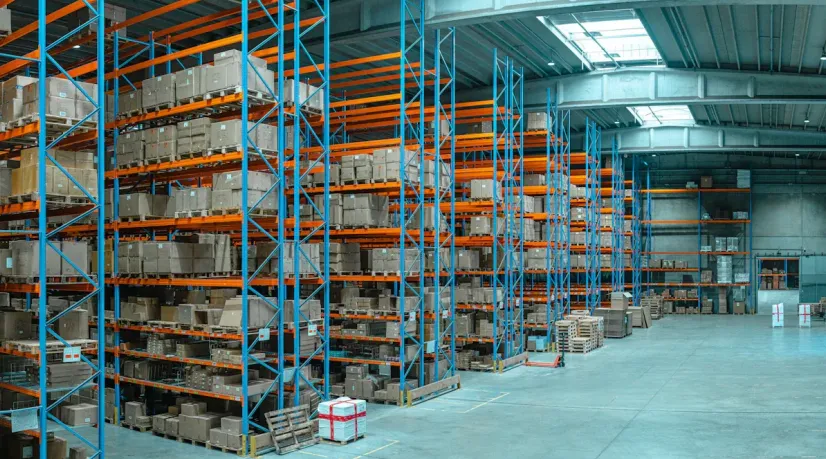
Efficient transportation is the backbone of supply chain management. By optimizing routes, leveraging technology, and consolidating shipments, you can significantly enhance the efficiency of global trade operations.
Streamlining Routes to Reduce Transit Times
Streamlined routes play a critical role in reducing transit times and improving delivery efficiency. Advanced algorithms analyze factors like distance, traffic patterns, and delivery priorities to determine the most efficient paths. For example:
-
Efficient truck routing minimizes driving time and maximizes truck capacity.
-
Optimized routes reduce fuel consumption, leading to cost reduction and environmental benefits.
-
Multi-stop deliveries become faster and more reliable with route optimization.
A 2022 Gartner report revealed that companies using real-time supply chain visibility solutions improved on-time delivery performance by up to 25%. These strategies not only save time but also enhance customer satisfaction, a vital aspect of international business.
Leveraging Technology for Real-Time Tracking and Visibility
Technology has revolutionized transportation management by providing real-time tracking and visibility. Tools like IoT sensors, GPS, and cloud-based platforms allow you to monitor shipments and make informed decisions. Key benefits include:
-
Improved Efficiency: Real-time transportation visibility (RTTV) optimizes operations by providing instant updates on shipment status.
-
Enhanced Customer Service: Accurate tracking meets customer expectations for transparency.
-
Increased Safety: Close monitoring ensures compliance with safety regulations.
-
Environmental Impact: Optimized routes reduce greenhouse gas emissions.
These advancements give businesses a competitive edge in global trade, ensuring they stay ahead in cross-border logistics.
Consolidating Shipments to Lower Transportation Costs
Consolidating shipments is an effective way to reduce transportation costs. By combining smaller shipments into larger ones, you can maximize truck or container capacity. This approach minimizes the number of trips required, leading to significant savings. According to industry data:
|
Mechanism Type |
Cost Comparison |
|---|---|
|
Decentralized Consolidation |
Total consolidation cost is about 10% higher than public consolidation mechanism. |
|
Centralized vs. Decentralized |
Insights into cost savings through different consolidation methods. |
Consolidation also simplifies distribution strategies, making it easier to manage international business operations. This method not only reduces costs but also supports sustainable logistics practices.
Enhancing Inventory Management Through Logistics
Effective inventory management is essential for maintaining a smooth supply chain. By implementing advanced logistics strategies, you can achieve improved inventory management, reduce costs, and enhance responsiveness to market demands.
Implementing Just-in-Time (JIT) Inventory Strategies
The Just-in-Time (JIT) inventory strategy ensures that materials and products arrive exactly when needed. This approach minimizes storage costs and reduces waste. By aligning inventory levels with real-time demand, you can avoid overstocking and free up valuable resources. For example, companies using JIT strategies often experience faster response times in supply chain management. A 5% reduction in delivery time can lead to a 12% improvement in overall supply chain responsiveness. This method not only supports cost optimization but also enhances operational efficiency in global trade.
Reducing Overstock and Preventing Stockouts
Overstock and stockouts can disrupt operations and harm customer satisfaction. Improved logistics processes help you strike the right balance. Predictive logistics analytics enhances demand forecast accuracy by up to 20%, enabling better inventory planning. Additionally, integrating AI in logistics reduces human error during warehouse operations. This ensures accurate stock levels, preventing overstock and stockouts. With these advancements, you can maintain a steady flow of goods, supporting international business operations and ensuring customer needs are met.
Using Data Analytics for Accurate Demand Forecasting
Data analytics plays a pivotal role in forecasting demand with precision. Predictive analytics uses historical sales data and market trends to optimize inventory levels. By analyzing sales patterns, you can reduce overhead costs while ensuring product availability. Accurate forecasting also helps identify potential stockout situations, preserving customer satisfaction. Advanced techniques minimize overstock risks, aligning inventory with actual demand. Companies leveraging data-driven technologies have reported up to a 25% improvement in logistics efficiency. These tools empower you to make informed decisions, driving success in global trade.
The Importance of Logistics in Fostering Collaboration
Collaboration is the glue that holds global supply chains together. The importance of logistics in fostering collaboration cannot be overstated, as it strengthens communication, integrates systems, and builds resilient partnerships across global supplier networks.
Strengthening Communication Across the Supply Chain
Effective communication is the foundation of collaboration in global trade. Logistics facilitates clear and consistent communication between suppliers, carriers, and customers. By using centralized platforms, you can share updates, track shipments, and resolve issues quickly. This reduces misunderstandings and ensures smooth operations. For example, sharing real-time data improves orchestration and reduces the bullwhip effect caused by fluctuating demand. A survey revealed that 42% of manufacturing executives are actively working to strengthen supplier relationships, highlighting the growing focus on communication in global supplier networks.
Integrating Systems for Seamless Data Sharing
Integrated systems play a vital role in cross-border logistics. By connecting platforms and databases, you can enable seamless data sharing across the supply chain. This integration enhances forecast accuracy, reduces cycle times, and improves operational efficiency. For instance, sharing real-time data allows supply chain teams to align with business objectives and drive innovation. The ability to adapt quickly to changes ensures resilience and agility, which are critical for international business success. A well-integrated system also boosts responsiveness, helping you meet customer needs more effectively.
|
Benefit |
Description |
|---|---|
|
Resilience and Agility |
A supply chain that can adapt to changes effectively mitigates disruptions. |
|
Increased Responsiveness |
Collaboration boosts the ability to meet customer needs through optimized responses. |
|
Ability to Drive Business Growth |
Internal collaboration helps supply chain teams align with business objectives for innovation. |
|
Improved Orchestration |
Sharing real-time data reduces the bullwhip effect in demand changes. |
|
Operational Efficiencies |
Enhanced planning and execution reduce costs and cycle times. |
|
Enhanced Forecast Accuracy |
Collaborating on forecasts improves accuracy through consensus among partners. |
Building Resilient Partnerships with Suppliers and Carriers
Resilient partnerships are essential for navigating disruptions in global supply chains. Logistics helps you cultivate strong relationships based on trust and transparency. Companies with resilient supply chains can better control costs, maintain sustainability, and ensure goods are available when needed. During the COVID-19 pandemic, Kellogg’s leveraged partnerships with paperboard suppliers to secure critical components, resulting in a 7% sales increase. Strong partnerships also enable agility, allowing flexible production capacity and optimal inventory management. By investing in these relationships, you can enhance competitiveness in global trade and ensure long-term success.
Supply logistics plays a crucial role in supply chain management by driving efficiency and improving outcomes. Advanced logistics strategies help businesses achieve cost savings, faster deliveries, and higher customer satisfaction. For example, companies using data-driven logistics reduce operational costs by over 10% annually and respond quickly to disruptions. Amazon’s investment in logistics technology enables same-day deliveries, boosting satisfaction and market share. These strategies also support accelerated global market expansion by enhancing productivity and financial performance. As supply chains evolve, focusing on logistics ensures you remain competitive in a dynamic marketplace.
FAQ
What is supply logistics, and why is it important?
Supply logistics involves managing the movement of goods, services, and information across the supply chain. It ensures timely deliveries, reduces costs, and improves customer satisfaction. By optimizing logistics, you can streamline operations and enhance overall supply chain efficiency.
How does technology improve supply logistics?
Technology enhances logistics by providing tools like real-time tracking, predictive analytics, and automated systems. These tools help you monitor shipments, forecast demand, and reduce errors. Using technology, you can make faster decisions and improve supply chain visibility.
What are the benefits of consolidating shipments?
Consolidating shipments reduces transportation costs by maximizing truck or container capacity. It also minimizes the number of trips required, which lowers fuel consumption and supports sustainable practices. This strategy helps you save money and improve operational efficiency.
How does Just-in-Time (JIT) inventory management work?
JIT inventory management ensures materials and products arrive exactly when needed. This approach reduces storage costs and waste. By aligning inventory with demand, you can avoid overstocking and improve responsiveness to market changes.
Why is collaboration important in supply logistics?
Collaboration strengthens communication and builds trust among suppliers, carriers, and customers. It ensures seamless data sharing, reduces misunderstandings, and improves supply chain resilience. Strong partnerships help you adapt to disruptions and maintain efficient operations.
Related content