
Why Second-Hand Shopping is Key to Sustainable Fashion
Author:XTransfer2025.12.03Second-Hand Shopping
When you choose secondhand clothing, you're doing more than just saving money—you’re making a sustainable fashion choice. Did you know the secondhand goods market is projected to hit $350 billion globally by 2027? That’s because more people, especially younger generations, are embracing pre-owned fashion to reduce waste. In fact, 75% of Gen Z shoppers say they buy secondhand to cut consumption. This shift not only helps the planet but also promotes ethical fashion. By extending the life of clothing, you’re joining a movement that values creativity and sustainable fashion over fast fashion.
Environmental Benefits of Secondhand Clothing
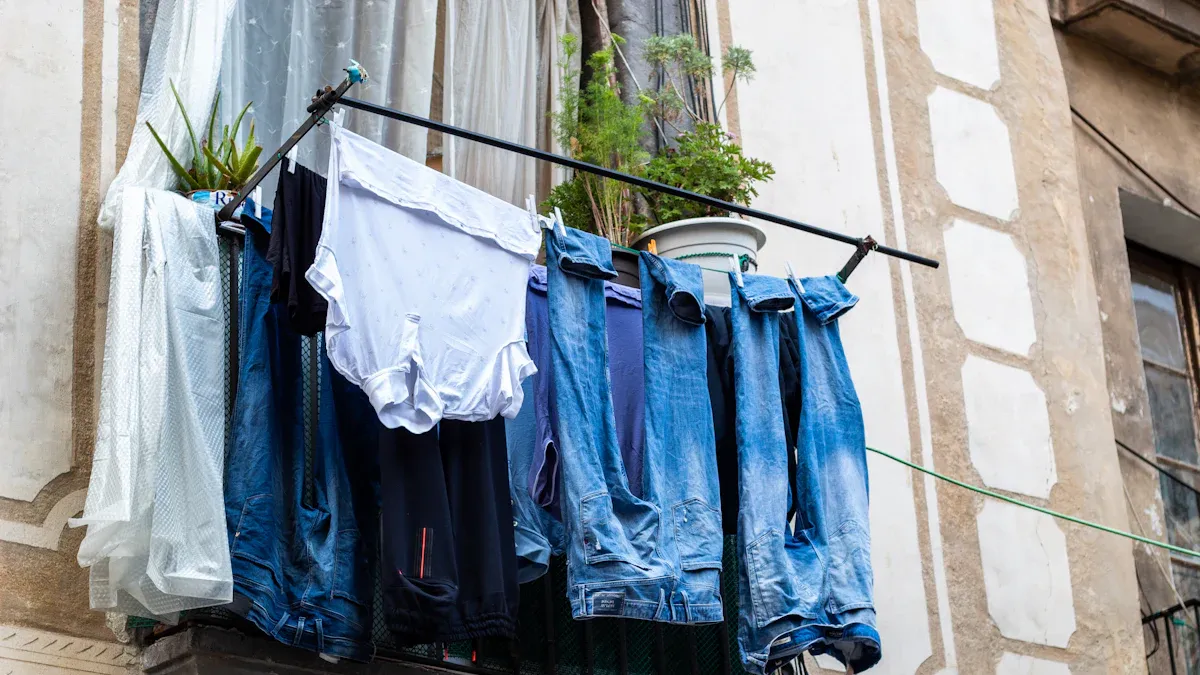
Reducing Textile Waste in Landfills
Did you know that the average American throws away about 80 pounds of textile waste every year? That’s a staggering amount of clothing ending up in landfills—over 11.3 million tons annually! By shopping secondhand, you can help reduce this waste. When you choose pre-owned clothing, you’re giving garments a second life instead of letting them pile up in landfills.
Here’s the thing: only 15% of textile waste in the U.S. gets recycled. The rest contributes to pollution and takes decades to decompose. Imagine if everyone made just one secondhand purchase next year. It could prevent 449 million pounds of waste from entering landfills. That’s a huge impact, and it starts with small choices like yours.
Lowering Carbon Emissions Through Reuse
Secondhand shopping isn’t just good for reducing waste—it’s also a powerful way to cut carbon emissions. Producing new clothing generates tons of greenhouse gases, but reusing garments avoids this entirely. For example, buying a secondhand dress saves 21.4 pounds of CO2 emissions. If you double the number of times you wear a garment, you can reduce its carbon footprint by 44%.
Take a look at this comparison:
|
Method |
Emission Savings (%) |
Comments |
|---|---|---|
|
Secondhand Reuse |
66% |
Significant savings due to extended product life and avoided production emissions. |
|
Conventional Production |
N/A |
Emissions generated during the production phase without reuse benefits. |
By choosing secondhand clothing, you’re actively lowering your carbon footprint. It’s a simple yet effective way to support sustainable fashion and fight climate change.
Conserving Water and Energy in Production
The fashion industry is notorious for its water and energy consumption. Producing new clothes requires massive amounts of resources—dyeing fabrics alone uses billions of gallons of water. But secondhand shopping changes the game. When you buy pre-owned clothing, you save water, energy, and other resources that would have been used to make new items.
Here’s what secondhand shopping can save:
-
8.41 pounds of carbon emissions
-
16.48 kWh of energy
-
88.89 gallons of water
Extending the lifespan of clothing by just nine months can reduce its environmental impact by up to 30%. And if everyone embraced secondhand shopping, we could save 5.7 billion pounds of carbon emissions and billions of gallons of water.
Extending the Lifecycle of Clothing
When you shop secondhand, you’re doing more than just buying clothes—you’re giving them a second chance at life. Every time you choose pre-owned clothing, you’re extending its lifecycle and reducing the demand for new production. This simple choice has a ripple effect, benefiting both the planet and your wallet.
Here’s how secondhand practices keep clothing in circulation longer:
-
Design for Longevity: Many secondhand pieces are built to last. Durable fabrics and timeless designs mean these items can be worn for years.
-
Recycling & Upcycling: Old garments often find new life through creative transformations. A worn-out pair of jeans might become a trendy tote bag or patchwork jacket.
-
Rental & Leasing Models: Some secondhand platforms now offer rental options. You can borrow clothing for special occasions, ensuring it gets reused instead of sitting idle.
-
Resale & Redistribution: Thrift stores and online marketplaces make it easy to pass on items you no longer need. Someone else gets to enjoy them, keeping them out of landfills.
Secondhand shopping isn’t just about saving money—it’s about changing how you think about fashion. Instead of seeing clothes as disposable, you start to see their potential for reuse and reinvention. That favorite jacket you found at a thrift store? It might have been someone else’s go-to piece years ago. Now, it’s yours to cherish and wear.
By extending the lifecycle of clothing, you’re reducing waste and conserving resources. You’re also challenging the fast fashion industry’s throwaway culture. Every secondhand purchase is a step toward a more sustainable future. So, the next time you’re looking for something new to wear, consider giving pre-loved clothing a chance. You’ll be surprised by the stories they carry—and the impact you’ll make.
Economic Advantages of Secondhand Shopping
Affordable Options for All Budgets
Secondhand shopping is a fantastic way to save money while still finding great clothing. Whether you're on a tight budget or just love a good deal, thrifting shopping offers something for everyone. Pre-owned clothes often cost a fraction of their original price, making it easier to refresh your wardrobe without breaking the bank.
But affordability isn’t the only reason people choose secondhand. Many shoppers enjoy the thrill of finding unique items at unbeatable prices. Plus, when you shop secondhand, you’re not just saving money—you’re making a choice that’s better for the planet.
Access to High-Quality and Designer Pieces
One of the best-kept secrets of thrifting shopping is the chance to score high-quality and even designer pieces. Many secondhand stores carry items from top brands, often in excellent condition. These pieces are built to last, so you’re investing in quality without paying full price.
Imagine finding a designer handbag or a tailored blazer for a fraction of its original cost. The resale market makes this possible. It’s like a treasure hunt, where every visit to a thrift store or online platform could lead to an incredible find.
Supporting Local Thrift Stores and Small Businesses
When you shop at thrift stores, you’re doing more than just buying clothes—you’re supporting your community. Local thrift stores and consignment shops recirculate nearly half of every dollar spent back into the local economy. This creates jobs, supports entrepreneurship, and strengthens community ties.
Thrift stores also serve as social hubs, bringing people together and fostering connections. They promote sustainability by extending the lifecycle of clothing and reducing waste. By choosing secondhand, you’re not just making a smart financial decision—you’re contributing to a more sustainable and connected world.
Unique Appeal of Secondhand Fashion
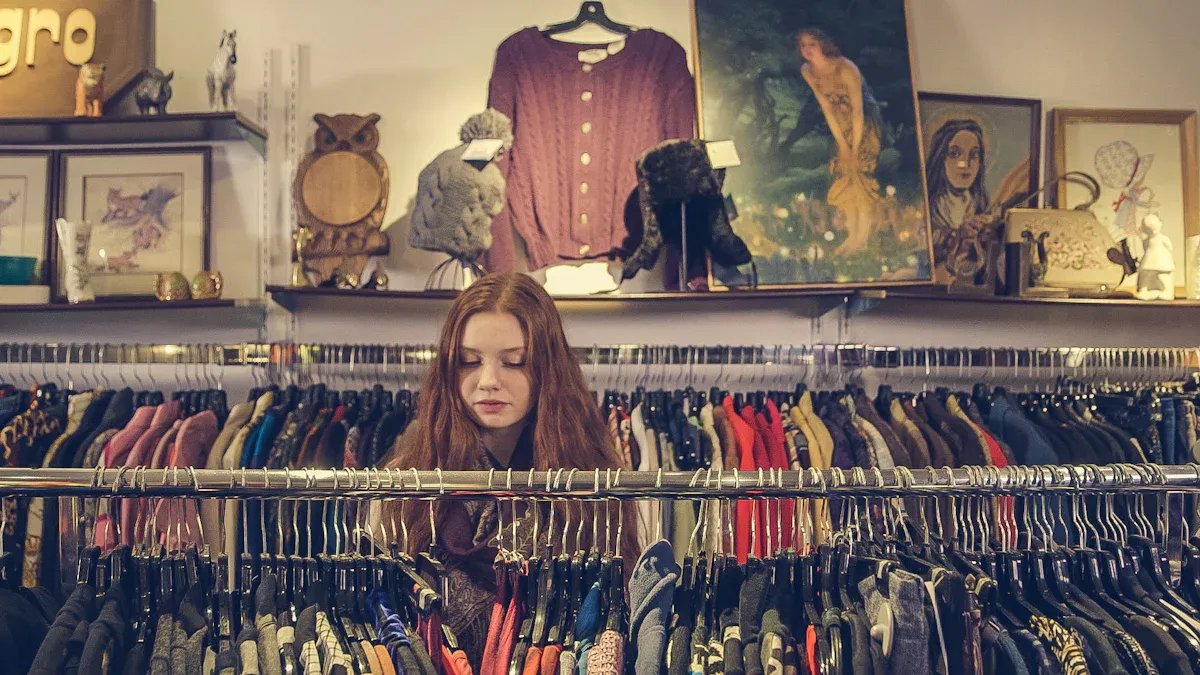
Discovering Vintage and Rare Finds
Secondhand shopping is like embarking on a treasure hunt. You never know what unique gems you’ll uncover. Many shoppers describe the experience as thrilling, comparing it to a game or a bargain hunt. Whether it’s a vintage leather jacket from the ‘80s or a rare designer handbag, secondhand stores are filled with one-of-a-kind pieces waiting to be discovered.
The appeal of vintage clothing lies in its timeless charm and quality. These items often tell a story, adding character to your wardrobe. Plus, they’re not mass-produced, so you’re unlikely to see someone else wearing the same thing. This makes secondhand shopping perfect for anyone who loves standing out.
Encouraging Individual Style and Creativity
When you shop secondhand, you’re not just buying clothes—you’re curating a wardrobe that reflects your personality. Thrifting allows you to mix and match styles from different eras, creating outfits that are truly your own. It’s like solving a puzzle, where each piece adds to your unique fashion story.
Many people find that secondhand shopping boosts their confidence. Wearing vintage or thrifted clothing can make you feel bold and creative. It’s a chance to experiment with styles you might not try otherwise. Your wardrobe becomes a canvas, and you’re the artist.
The Joy of Thrifting: Finding Hidden Gems
There’s something deeply satisfying about finding a hidden gem while thrifting. Maybe it’s a designer coat at a fraction of its original price or a quirky accessory that completes your look. The joy comes not just from the item itself but from the thrill of the hunt.
Thrifting also connects you to a community of like-minded individuals. Sharing your finds with friends or online groups can create a sense of belonging. Plus, every purchase supports sustainable practices, making your discoveries even more meaningful.
Ethical Impacts of Secondhand Shopping
Challenging the Fast Fashion Industry
Fast fashion thrives on overproduction, cheap labor, and disposable clothing. But you can challenge this system by embracing secondhand shopping. When you buy pre-loved items, you reduce the demand for fast fashion and its harmful practices.
Here’s the good news: more people are joining this movement. In 2023, 65% of Gen Z and millennials reported shopping secondhand. This shift is reshaping the fashion industry. The secondhand market is projected to grow from $65 billion in 2024 to $350 billion by 2028. That’s a clear sign that consumers like you are choosing sustainable options over fast fashion.
Promoting a Circular Economy
Secondhand shopping plays a vital role in promoting a circular economy. Instead of discarding clothes after a few uses, you keep them in circulation. This reduces waste and conserves resources.
Research shows that economic factors often drive people to adopt circular practices. For example, a study in Austria found that financial constraints encouraged individuals to buy secondhand goods. This behavior not only saves money but also supports sustainability.
Another study in China revealed that people are more likely to reuse secondhand clothing when they value sustainability and feel a sense of community. These findings highlight how secondhand shopping fosters a circular economy by encouraging reuse and reducing waste.
Take a look at how companies across industries are embracing circular practices:
|
Industry |
Company |
Ethical Benefits and Sustainability Outcomes |
|---|---|---|
|
Fashion |
Patagonia |
Uses recycled materials, reduces water consumption, promotes fair labor practices, enhances brand loyalty. |
|
Technology |
|
Invests in renewable energy, implements energy-efficient data centers, aims for carbon neutrality. |
|
Food and Beverage |
Nestlé |
Responsible sourcing, reduces food waste, promotes healthier products. |
|
Automotive |
Tesla |
Produces electric vehicles, invests in renewable energy, aims to reduce greenhouse gas emissions. |
When you shop secondhand, you’re contributing to this circular model. You’re helping to create a world where resources are reused, not wasted.
Encouraging Conscious Consumer Choices
Secondhand shopping encourages you to think about your purchases. Instead of buying impulsively, you start considering the environmental and ethical impact of your choices.
A survey found that 29% of people now prioritize environmental sustainability in their shopping decisions. This shift reflects a growing awareness of how our actions affect the planet. In 2020, nearly 48% of Americans engaged in resale shopping, showing a clear move toward conscious consumerism.
By choosing secondhand clothing, you’re rejecting wasteful habits and embracing sustainable fashion. You’re making a statement that quality and ethics matter more than convenience.
Secondhand shopping isn’t just about finding great deals. It’s about aligning your choices with your values. Every purchase you make has the power to shape a more sustainable and ethical future.
Secondhand Shopping and Sustainable Fashion Trends
The Rise of Thrifting Among Younger Generations
Younger generations are leading the charge in sustainable fashion trends, and thrifting has become their go-to choice. Gen Z, in particular, is embracing secondhand shopping as a way to express individuality while staying eco-conscious. They’re not just buying clothes—they’re making a statement about their values.
Why is thrifting so popular among younger shoppers? For one, they’re more aware of climate change and its impact on the planet. Choosing secondhand clothing helps reduce waste and supports sustainability. Economic factors also play a role. Many young people face financial challenges, and thrifting offers affordable options without compromising style.
Social media has amplified this trend. Platforms like Instagram and TikTok showcase thrifted outfits, inspiring others to join the movement. The secondhand fashion market is expected to grow three times faster than traditional retail by 2028, largely driven by Gen Z’s preferences.
|
Evidence |
Description |
|---|---|
|
Awareness of Climate Change |
Gen-Z consumers are increasingly aware of climate change, influencing their fashion consumption habits towards sustainable practices like thrifting. |
|
Economic and Social Factors |
Economic challenges and social media trends are driving the acceptance of thrifting among younger generations. |
|
Market Growth |
The secondhand fashion market is projected to grow significantly, driven by younger consumers' preferences for sustainability and affordability. |
How Secondhand Shopping Aligns with Slow Fashion
Secondhand shopping is a perfect match for slow fashion, a movement that prioritizes quality, longevity, and ethical production. When you choose pre-loved clothing, you’re rejecting the fast fashion cycle of overproduction and waste. Instead, you’re supporting a more thoughtful approach to fashion.
Slow fashion encourages you to invest in pieces that last. Many secondhand items are well-made and timeless, making them ideal for building a sustainable wardrobe. By shopping secondhand, you’re extending the life of clothing and reducing the demand for new production.
This shift aligns with growing consumer awareness. Almost 60% of Germans expect companies to address sustainability concerns, and the secondhand market is projected to double to $77 billion within five years. These trends show that people like you are choosing sustainable fashion over disposable trends.
The Role of Online Platforms in Promoting Sustainability
Online platforms are revolutionizing secondhand shopping, making it easier than ever to embrace sustainable fashion trends. Resale marketplaces like thredUP and Poshmark offer a wide range of pre-loved items, from everyday basics to designer pieces.
These platforms are driving the growth of the secondhand market, which is projected to reach $351 billion by 2027. Social media also plays a big role. Around 15% of consumers prefer using platforms like Instagram to buy and sell secondhand clothing. This shift from traditional thrift stores to online channels reflects changing consumer behavior.
Local marketplaces and community events remain popular, with nearly 20% of shoppers favoring these options. Whether you’re browsing online or attending a swap meet, secondhand shopping connects you to a community of like-minded individuals.
Secondhand shopping is more than just a way to save money—it’s a chance to make a real difference. When you thrift, you help reduce the 21 billion pounds of clothing that end up in landfills each year. You avoid the environmental toll of producing new garments, like excessive water use and greenhouse gas emissions. Plus, you challenge the fast fashion industry, which churns out over 100 billion items annually with unsustainable practices. Choosing pre-loved clothing lets you stay stylish while supporting sustainable fashion. Every purchase is a step toward a greener, more ethical future.
FAQ
What is thrifting, and why is it important?
Thrifting means shopping for pre-owned products, like clothes or accessories, often at thrift stores or online platforms. It’s important because it reduces waste, saves money, and supports eco-friendly fashion by giving items a second life.
How does secondhand shopping support sustainable products?
When you buy secondhand, you’re choosing sustainable products by reusing items instead of buying new ones. This reduces the demand for resources like water and energy, making it a more eco-friendly choice.
Can I find trendy or stylish items while thrifting?
Absolutely! Thrifting often leads to unique, stylish finds that stand out. Many thrift stores carry vintage or trendy pieces, letting you express your individuality while staying fashionable.
Is secondhand shopping only for clothes?
Not at all! You can find a variety of pre-owned products, including furniture, books, and home decor. It’s a great way to shop sustainably across different categories.
How does secondhand shopping promote eco-friendly fashion?
Secondhand shopping reduces the need for new clothing production, which often harms the environment. By reusing clothes, you help lower carbon emissions and conserve resources, making fashion more sustainable.
Related content