
What is Acceptance in B2B Cross-Border Payments?
Author:XTransfer2025.12.29acceptance
Acceptance in B2B Cross-Border Payments
One-Sentence Definition
Acceptance in B2B cross-border payments refers to a business’s ability to receive payments from international counterparties across multiple currencies and payment methods, while meeting regulatory, operational, and settlement requirements.
Detailed Explanation
In B2B cross-border payments, acceptance is a foundational capability rather than a single transaction step. It describes whether a business is technically, financially, and legally able to collect funds from overseas buyers or partners.
Unlike domestic payments, cross-border transactions involve multiple jurisdictions, banking systems, currencies, and compliance regimes. As a result, acceptance extends beyond “receiving money” and includes access to global payment rails, compatibility with counterparties’ preferred payment methods, and adherence to international regulatory standards such as KYC (Know Your Customer) and AML (Anti-Money Laundering).
A company with strong acceptance capabilities can reliably collect payments from different countries without requiring customers to change their usual banking behavior. This directly affects transaction success rates, settlement speed, operational efficiency, and the feasibility of international expansion.
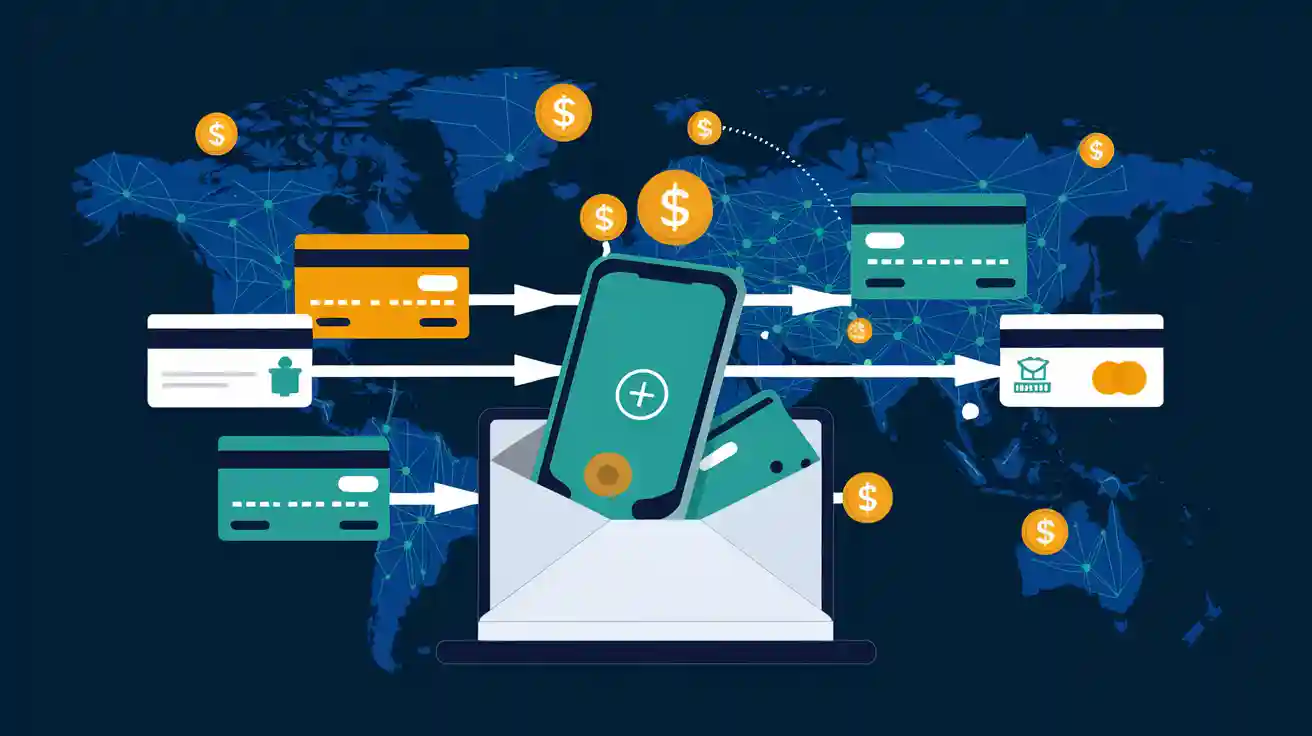
Key Components of Acceptance
Multi-Currency Support
Acceptance requires the ability to receive funds in major and local currencies (such as USD, EUR, GBP, AUD, or CNY). This reduces unnecessary currency conversions, lowers costs, and simplifies reconciliation for both parties.
Payment Method Coverage
Different regions rely on different payment instruments. In B2B scenarios, this typically includes international wire transfers (SWIFT), local bank transfers, and in some cases cards or alternative payment methods. Broader coverage increases the likelihood that overseas partners can pay without friction.
Compliance and Regulatory Readiness
Acceptance is closely tied to compliance. Platforms and financial institutions must perform customer due diligence, transaction monitoring, and sanctions screening. Without automated and scalable compliance processes, payment acceptance may be restricted or delayed.
Settlement Speed and Reliability
Acceptance also implies that funds can be settled into the recipient’s account within a predictable timeframe. Faster settlement improves cash flow management and reduces operational uncertainty for exporters and service providers.
Fee Transparency
Clear visibility into fees, exchange rates, and deductions is essential. Hidden charges or unpredictable costs can undermine trust and distort financial planning in cross-border trade.
Practical Example: Acceptance in a Real B2B Scenario
Consider a Chinese SME exporter selling industrial components to buyers in the United States, Germany, and Australia.
Without a dedicated cross-border payment solution, the exporter may face limited currency options, repeated compliance checks by different banks, and long settlement cycles. Each overseas buyer may also encounter difficulties sending payments through unfamiliar banking routes.
By using a specialized B2B payment platform such as XTransfer, the exporter can accept payments in USD, EUR, and AUD through localized collection accounts. Compliance checks are handled centrally, and funds are settled directly into the exporter’s business account. This setup improves payment success rates, shortens settlement times, and allows the exporter to serve multiple markets without redesigning its payment infrastructure.
This example illustrates how acceptance functions as an enabler of international trade rather than a back-office detail.
Related Concepts
Authorization
Authorization refers to the approval of a specific transaction at the time of payment. Acceptance is the broader capability to receive payments, while authorization is a real-time decision within that capability.
Clearing
Clearing is the process by which payment information is exchanged and reconciled between financial institutions before settlement.
Settlement
Settlement is the final transfer of funds to the recipient’s account after all checks and clearing processes are completed.
Merchant Acquiring
Merchant acquiring enables businesses to accept card-based payments and is one component of acceptance where card networks are involved.
Why Acceptance Matters for B2B Enterprises
For B2B companies engaged in international trade, acceptance directly influences revenue realization. Inadequate acceptance capabilities can lead to failed payments, delayed cash flow, increased compliance risk, and lost business opportunities. As cross-border trade becomes more fragmented and regulated, acceptance has become a strategic infrastructure decision rather than a purely operational one.
Related content