
10 Latest Trends Shaping Home Design Today
Author:XTransfer2025.12.03Latest Trends
Your home is more than just a place to live; it’s your personal sanctuary where you can relax, recharge, and express yourself. The latest trends in home design are all about blending functionality with timeless style to create spaces that feel both practical and inviting. Did you know that homes designed to maximize natural light can cut artificial lighting use by up to 40%? This is just one example of how thoughtful design ideas can transform your living space. From stylish decor to innovative materials, these trends offer endless inspiration to make your home uniquely yours.
Sustainability in Home Design Trends
Sustainability isn’t just a buzzword—it’s a movement that’s reshaping how homes are designed today. From eco-friendly materials to energy-efficient solutions, thoughtful design is paving the way for greener living spaces.
Eco-Friendly Materials and Practices
When it comes to eco-friendly design, you’ve got plenty of options to make your home both stylish and sustainable. Designers are increasingly turning to materials like reclaimed wood, bamboo, and natural stone. These choices not only reduce waste but also add warmth and character to your interiors. Upcycled decor, such as furniture made from repurposed materials, is another way to embrace sustainability without sacrificing style.
Here’s why eco-friendly practices are gaining traction:
-
Growing demand for sustainability: 60% of employers plan to invest in building refurbishments over the next five years, focusing on sustainability performance.
-
Consumer preferences: 72% of Gen Z and Millennials prefer environmentally friendly options, compared to 55% of those aged 60 and above.
By choosing eco-conscious materials and practices, you’re not just creating a beautiful space—you’re also contributing to a healthier planet.
Energy-Efficient and Smart Design Solutions
Energy-efficient design isn’t just about saving money; it’s about creating a smarter, more sustainable home. Imagine kitchens equipped with appliances that use less energy or lighting systems that adjust automatically based on the time of day. These innovations make your home more functional while reducing your environmental footprint.
Take a look at how different industries are leveraging energy-efficient strategies:
|
Industry |
Energy Savings (%) |
Key Strategies |
Notable Impact |
|---|---|---|---|
|
Financial Services |
20-30 |
Data center optimization |
Improved reliability, reduced PUE |
|
Retail |
25-35 |
AI-based energy management |
Lower operational costs, enhanced sustainability |
|
Healthcare |
15-25 |
Smart cooling solutions |
Lower carbon footprint, efficient resource scheduling |
|
Manufacturing |
20-30 |
IoT integration for energy monitoring |
Optimized production energy use, cost reductions |
These strategies aren’t limited to industries—you can apply them to your home too. For example, smart thermostats and automated lighting systems can cut energy usage by up to 30%. By adopting these thoughtful design ideas, you’re not just saving energy; you’re creating a space that works smarter for you.
Multifunctional Interiors for Modern Living
Modern living calls for spaces that adapt to your needs. Multifunctional interiors are one of the latest interior design trends, offering solutions that combine style and practicality. Whether you’re working with a compact apartment or a spacious house, these design ideas can help you make the most of your space.
Flexible Furniture for Small and Large Spaces
Flexible furniture is a game-changer in today’s interiors. It’s not just about saving space; it’s about creating a home that works for you. Imagine a sofa bed that transforms your living room into a guest bedroom or a dining table that expands when you have company. These pieces are perfect for both small apartments and large homes.
The demand for multifunctional furniture is growing rapidly. Urbanization and rising living costs have made space-efficient solutions more popular than ever. In fact, many homeowners now prioritize furniture that combines comfort, functionality, and aesthetics. You’ll also find smart features like built-in charging ports or hidden storage, making these pieces even more versatile.
This trend isn’t limited to homes. In commercial spaces, adaptable furniture is essential for creating flexible work environments. Whether it’s a modular desk system or stackable chairs, these options make it easier to reconfigure spaces as needed.
Home Offices and Hybrid Rooms
With remote work becoming the norm, home offices designed for productivity are more important than ever. But what if you don’t have a dedicated room? That’s where hybrid rooms come in. These spaces serve multiple purposes, like a guest room that doubles as an office or a living area with a hidden workstation.
Statistics show the impact of well-designed home offices. For example:
|
Statistic |
Description |
|---|---|
|
66% of managers |
Reported increased productivity due to hybrid work arrangements. |
|
81% higher productivity |
Reported by employees with location flexibility. |
|
97% of employees |
Said work-from-home flexibility has enhanced their productivity. |
These numbers highlight why hybrid rooms are one of the latest interior design trends. By incorporating smart storage, foldable desks, or even Murphy beds, you can create a space that adapts to your lifestyle. It’s all about blending functionality with style to make your home work for you.
Biophilic Design: Bringing Nature Indoors
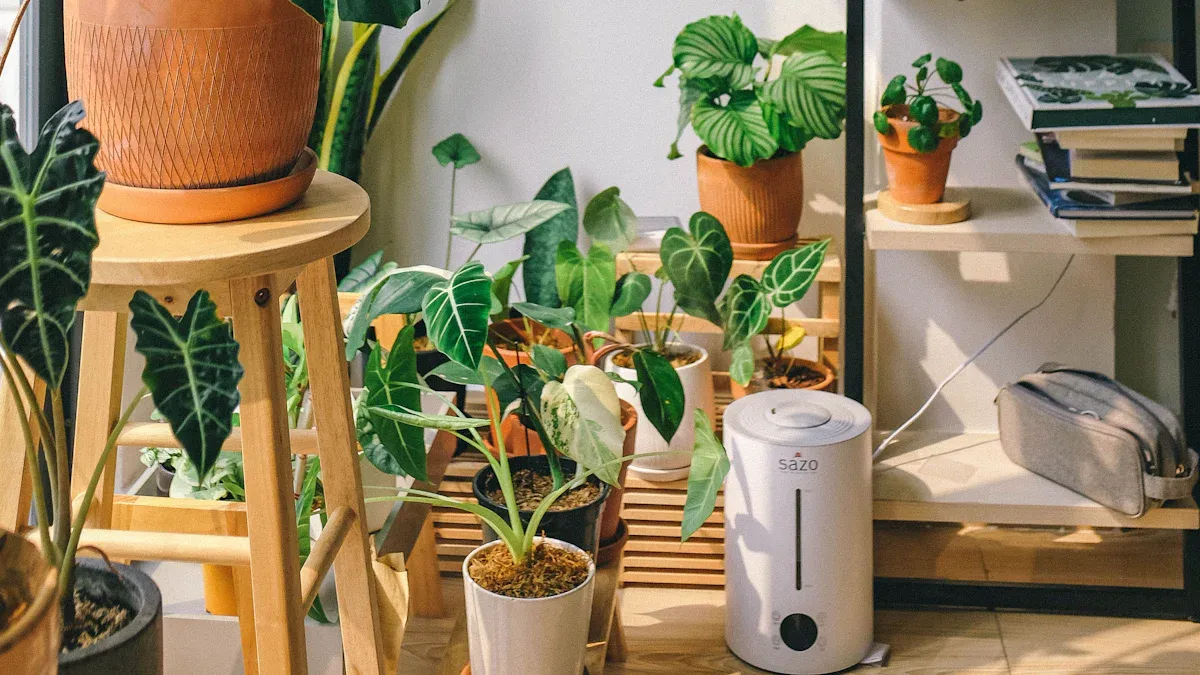
Imagine stepping into a space where nature comes indoors, creating a calming and refreshing atmosphere. Biophilic design is one of the latest interior design trends that’s transforming homes into tranquil retreats. By incorporating natural materials, greenery, and sunlight, you can make your home feel more connected to the outdoors.
Natural Elements in Interior Design
Natural materials like wood, stone, and clay are at the heart of biophilic design. These elements bring warmth and texture to your interiors while grounding your space in nature. For example, a wooden dining table or a stone accent wall can instantly make your room feel more inviting.
You don’t need to overhaul your entire home to embrace this trend. Small design ideas, like adding woven baskets or clay pots, can make a big difference. These touches not only enhance your decor but also create a sense of harmony.
Biophilic design isn’t just about aesthetics—it’s about well-being. Studies show that natural materials can reduce stress and improve mood. When nature comes indoors, it creates a space that feels alive and energizing.
Indoor Plants, Green Walls, and Natural Light
Indoor plants are a simple yet powerful way to bring nature into your home. Whether it’s a fiddle-leaf fig in your living room or a row of succulents on your windowsill, greenery adds life and color to any space. Green walls, which are vertical gardens, take this concept to the next level. They’re perfect for creating a striking visual centerpiece while improving air quality.
Natural light is another key element of biophilic design. Large windows, skylights, or even strategically placed mirrors can help maximize natural lighting in your home. Sunlight not only brightens your space but also boosts your mood and productivity.
Here’s how indoor plants, green walls, and natural light can transform your space:
|
Benefit |
Description |
|---|---|
|
Improved Air Quality |
Plants naturally filter the air, removing harmful toxins and pollutants. |
|
Enhanced Aesthetics |
These systems create a stunning visual impact, making your space more inviting and memorable. |
|
Increased Productivity |
Greenery in the workspace reduces stress and boosts focus and creativity. |
By combining greenery with natural light, you can create a space that feels open, fresh, and inspiring. These design ideas are more than just trends—they’re a way to make your home a sanctuary where you can thrive.
Minimalism Meets Personality
Minimalism doesn’t mean boring or plain. It’s about creating a clean, uncluttered space that still feels like you. The latest interior design trends show how you can balance simplicity with personality, making your home both stylish and unique.
Clean Lines with Bold Accents
Minimalist interiors thrive on clean lines and open spaces. But adding bold accents can make your space pop. Think of a neutral room with a vibrant orange chair or a sleek black-and-white kitchen with a colorful backsplash. These touches bring energy and personality to your home without overwhelming it.
Experts agree that this balance is key. A recent Houzz survey found that 62% of homeowners love simplicity but use pops of color or custom pieces to make their spaces stand out. In London, small flats often feature built-in furniture paired with colorful rugs to reflect the owner’s style. This approach proves that even the smallest spaces can feel personal and inviting.
If you’re looking for design ideas, start small. Add a bold piece of artwork, a patterned throw pillow, or even a statement wallpaper. These accents can transform your minimalist space into something truly yours.
Pattern Drenching and Textured Surfaces
Patterns and textures are making waves in the latest interior design trends. Pattern drenching, where you use the same pattern across walls, furniture, and even curtains, creates a cohesive and dramatic look. For example, a floral wallpaper paired with matching cushions can turn a simple room into a design masterpiece.
Textures add depth and warmth to minimalist spaces. Treatments like limewash or Roman clay give walls a soft, natural feel. Wood drenching, where wood is used extensively in a room, creates a cozy and authentic vibe. These techniques move away from sterile finishes, making your home feel more dynamic and inviting.
Textured surfaces are also gaining popularity for their tactile appeal. They make spaces more interesting and engaging. Whether it’s a woven rug, a velvet sofa, or a textured wallpaper, these elements can elevate your decor and make your home feel alive.
Bold and Warm Color Palettes
Color trends are taking a bold turn this year, blending warmth and vibrancy to create spaces that feel both inviting and luxurious. Whether you’re drawn to earthy neutrals or jewel tones, these palettes can transform your home into a stylish haven.
Earthy Neutrals and Jewel Tones
Earth tone palettes are making a strong comeback in the latest interior design trends. These colors, inspired by nature, bring a sense of calm and warmth to your space. Think shades like terracotta, sandy beige, and soft olive green. They pair beautifully with natural materials like wood and stone, enhancing the cozy vibe of your home. Add warm lighting, and you’ve got a space that feels like a retreat.
On the other hand, jewel tones are perfect for adding a touch of drama and elegance. Colors like emerald green, sapphire blue, and deep amethyst create a luxurious atmosphere. These shades evoke emotions and make a bold statement, whether used on walls, furniture, or decor. Imagine a velvet sofa in a rich ruby red or a sapphire blue accent chair—it’s all about creating a space that feels vibrant and alive.
-
Earthy tones align with sustainable design practices, making them a favorite in modern decor.
-
Jewel tones, with their rich hues, transform ordinary rooms into extraordinary spaces.
By mixing these two palettes, you can strike a balance between grounded simplicity and opulent flair.
Accent Ceilings and Statement Walls
Why let your walls have all the fun? Accent ceilings are one of the latest trends in interior design, turning the often-overlooked "fifth wall" into a design masterpiece. A bold color or patterned wallpaper on the ceiling can add depth and character to any room. For example, a soft gold ceiling in a dining room can create a warm, intimate atmosphere.
Statement walls are another way to play with color trends. A single wall painted in a bold hue or covered in textured wallpaper can become the focal point of your space. Whether it’s a deep emerald wall in your living room or a patterned mural in your bedroom, these design ideas let you express your personality.
By embracing these color trends, you can create a home that feels both modern and uniquely yours.
Smart Home Integration in Interior Design Trends
Smart home technology is no longer a futuristic concept—it’s here, and it’s transforming how you interact with your living space. From voice-controlled devices to intelligent lighting systems, these innovations are shaping the latest interior design trends by blending convenience with cutting-edge functionality.
Voice-Controlled and Automated Devices
Imagine controlling your home with just your voice. Voice-controlled devices like smart speakers and virtual assistants make this possible. Whether you’re adjusting the thermostat, playing your favorite playlist, or even shopping online, these gadgets simplify your daily routine. They’re not just convenient—they’re also incredibly effective.
-
80% of customers report satisfaction when using voice assistants for purchases.
-
These devices encourage repeat use, influencing shopping habits and brand loyalty.
Voice technology has become a key player in modern homes. It’s not just about convenience; it’s about creating a seamless experience that adapts to your needs. With voice-controlled systems, you can manage your home effortlessly, making it smarter and more responsive.
Smart Lighting, Security, and Energy Management
Smart lighting and energy management systems are game-changers in interior design trends. These systems don’t just save energy—they also enhance your comfort and security. For example, smart lights can adjust brightness based on the time of day or your activity. This creates a cozy atmosphere while reducing energy consumption.
Research shows that intelligent lighting systems can lead to significant energy savings. One study found that optimizing air conditioning and lighting systems in a commercial complex saved 25% of energy. Imagine applying this to your home—it’s a win for both your wallet and the environment.
Smart security systems are another must-have. They offer features like real-time monitoring and automated alerts, giving you peace of mind. Pair these with energy-efficient solutions, and you’ve got a home that’s not just stylish but also highly functional.
By integrating these smart technologies, you’re not just keeping up with the latest trends—you’re creating a space that’s efficient, secure, and tailored to your lifestyle. These design ideas prove that technology and decor can work hand in hand to elevate your home.
Vintage and Retro Revival in Home Decor Trends
Vintage and retro styles are making a big comeback in home decor trends. These timeless looks bring character and nostalgia to modern spaces, blending the charm of the past with today’s design ideas. Whether it’s mid-century modern furniture or retro-inspired accessories, these trends let you create a home that feels warm, stylish, and unique.
Mid-Century Modern and 'Brown Furniture'
Mid-century modern design has been a favorite for years, but the market is shifting. Affordable replicas have flooded the scene, making original pieces less sought after. As Trevor Watson, a design researcher, explains, “If it’s easily available to everyone, then demand across the board is bound to eventually drop.” This shift has opened the door for a new star in home decor trends: brown furniture.
Dark wood pieces, like Georgian-inspired Victorian furniture, are gaining popularity. Harold Blum, an interior design expert, notes that these items are now selling in homes that once embraced sleek, whitewashed styles. Kimberley Hill, a design consultant, has also seen a tenfold increase in requests for dark wood furniture. Why? People are craving warmth and craftsmanship in their spaces. These pieces not only add depth but also tell a story, making your home feel more personal.
If you’re looking to embrace this trend, consider adding a vintage wooden coffee table or a classic sideboard. These items pair beautifully with modern decor, creating a balanced and inviting look.
Retro-Inspired Decor and Accessories
Retro-inspired decor is all about bold patterns, vibrant colors, and playful accessories. Think floral wallpapers, geometric rugs, and chrome finishes straight out of the ’80s. These elements bring energy and personality to your space, making it feel alive and fun.
Here’s a quick look at some popular retro trends:
|
Trend Type |
Characteristics |
|---|---|
|
Bold Wallpapers |
Floral and geometric patterns reminiscent of past decades. |
|
Area Rugs |
Bold retro colors and patterns, allowing for non-permanent decor changes. |
|
'80s Revival |
Chrome finishes and bold primary colors. |
|
Midcentury Modern |
Continues to be a strong trend among homeowners. |
|
'90s Nostalgia |
Embraces eclectic maximalism, appealing to millennials. |
|
Eclectic Kitchens |
Moving away from uniformity to allow for personalized spaces. |
Retro accessories are also a hit. Items like vintage clocks, colorful vases, and funky light fixtures can instantly transform a room. These pieces are perfect for adding a touch of nostalgia without overwhelming your space. Plus, they’re easy to swap out if you want to refresh your look.
By mixing retro decor with modern elements, you can create a space that feels both trendy and timeless. It’s all about finding the right balance and letting your personality shine through.
Textural Variety in Home Design Trends
Adding texture to your home is one of the latest interior design trends that can instantly elevate your space. By mixing materials and layering textures, you create a visually engaging and tactile experience that feels dynamic and inviting.
Mixing Materials Like Wood, Metal, and Stone
Combining different materials is a powerful way to add depth and character to your interiors. Wood, metal, and stone are the stars of this interior design trend, offering a balance of warmth, modernity, and durability. For example:
-
Large stone countertops can serve as striking focal points in kitchens, especially when paired with glass backsplashes that highlight the stone’s unique patterns.
-
Wooden accents in entryways or living rooms bring a sense of coziness, while metal details add a sleek, contemporary touch.
-
Outdoor spaces benefit from mixed materials too—imagine a wooden deck with metal railings that seamlessly connects indoor and outdoor living.
The combination of textures, like rough wood with polished stone, enhances the tactile experience of your home. Strategic use of color palettes can unify these contrasting materials, ensuring a harmonious design flow throughout your space.
Layering Textures in Furnishings and Finishes
Layering textures is another way to embrace the latest interior design trends. Texture isn’t just about how something feels—it’s also about how it looks. By combining different finishes, you can create a space that feels rich and multidimensional.
Here’s how layering textures can transform your decor:
-
Use visual gradients like shiny versus matte or glossy versus dull to add depth to a room. For instance, a velvet sofa paired with a woven rug creates a contrast that’s both visually and physically engaging.
-
Light plays a big role in how textures are perceived. A textured wall finish, like limewash or Roman clay, can look different depending on the lighting, adding an ever-changing dynamic to your space.
-
Avoid flat designs by incorporating a mix of tactile surfaces. A lack of contrast can make a room feel lifeless, so don’t shy away from combining smooth finishes with rough ones.
Layering textures isn’t just about aesthetics—it’s about creating a space that feels alive. Whether it’s a patterned throw pillow, a textured wallpaper, or a rustic wooden table, these design ideas make your home feel more inviting and personal.
By embracing textural variety, you can transform your home into a space that feels both stylish and engaging. These design ideas prove that the latest trends in interior design are all about creating depth and personality.
Outdoor Living Spaces as Extensions of the Home
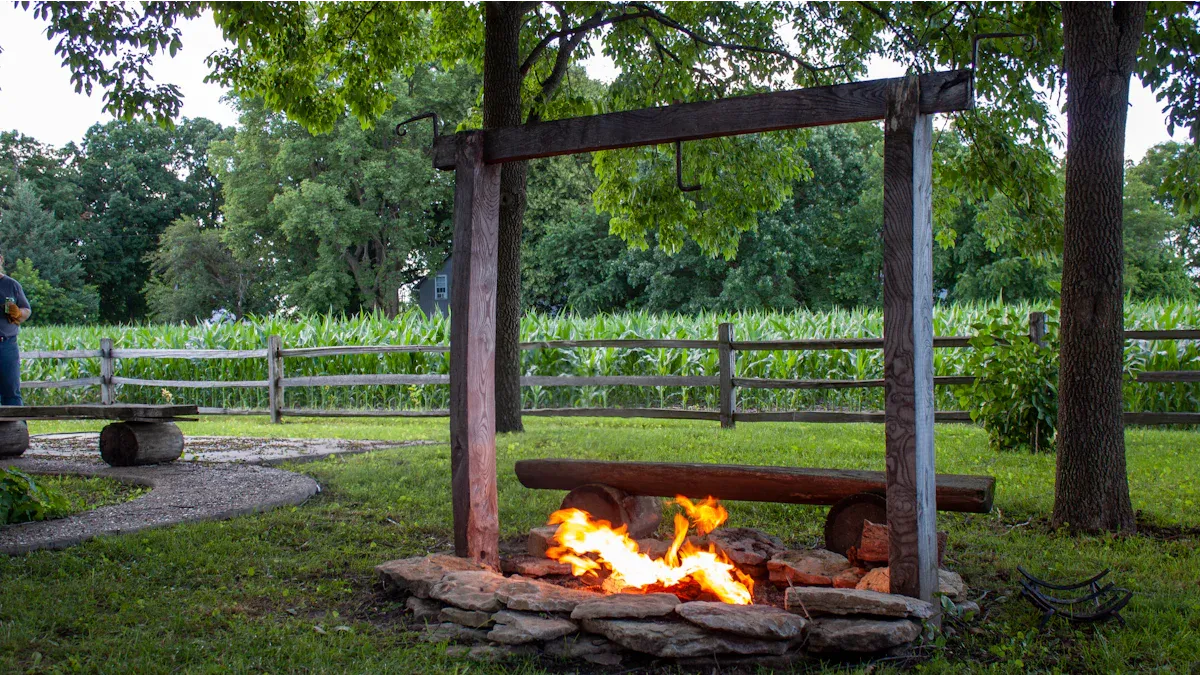
Outdoor living spaces are no longer just an afterthought—they’re becoming essential extensions of your home. These areas are designed to blend comfort, functionality, and style, making them perfect for relaxing, entertaining, or even cooking. Let’s explore how you can transform your outdoor space into a true haven.
Functional Patios, Decks, and Outdoor Kitchens
Patios and decks are evolving into multi-functional spaces that rival indoor rooms. Whether you’re hosting a barbecue or enjoying a quiet evening, these areas offer endless possibilities. Outdoor kitchens, in particular, are a game-changer. They’re no longer just about a grill and a table. Today’s designs include everything from built-in refrigerators to pizza ovens, allowing you to cook and dine al fresco with ease.
Materials are also seeing a shift. While wood remains a favorite, wood-plastic composites and plastics are gaining popularity for their durability and low maintenance. According to the Freedonia Group, decking is projected to grow annually by 1.8%, reaching $7.1 billion. This growth highlights the increasing investment homeowners are making in their outdoor spaces.
Fire Pits, Lounge Areas, and Greenery
Imagine gathering around a cozy fire pit on a cool evening or lounging on a comfortable outdoor sofa surrounded by lush greenery. These features are redefining outdoor living by bringing the comfort of indoor spaces outside. Fire pits, in particular, create a focal point for socializing and relaxation, making them a must-have for many homeowners.
-
Outdoor spaces are increasingly seen as extensions of living areas, allowing for relaxation and social interaction.
-
Developers are responding to consumer demand for versatile outdoor spaces that serve multiple functions, such as relaxation and entertainment.
Adding greenery enhances the ambiance and connects your outdoor area to nature. Plants, shrubs, and even vertical gardens can make your space feel alive and inviting. A well-designed outdoor area doesn’t just improve your lifestyle—it can also boost your property value. Modern outdoor living spaces are evolving to include features like fire pits and lounge areas, reflecting indoor comfort and style.
By embracing these design ideas, you can create an outdoor space that feels like an extension of your home. Whether it’s a functional kitchen, a cozy fire pit, or lush greenery, the latest interior design trends show that outdoor living is all about blending beauty with practicality.
Wellness-Focused Home Design Trends
Wellness-focused design is one of the latest interior design trends that’s transforming homes into sanctuaries of relaxation and self-care. By creating spaces that promote wellbeing, you can turn your home into a retreat that nurtures both body and mind. Let’s explore two key ideas shaping this trend.
Spa-Like Bathrooms and Relaxation Spaces
Imagine stepping into your bathroom and feeling like you’ve entered a luxury spa. This interior design trend is all about creating a self-care space where you can unwind and recharge. Homeowners are investing in features like walk-in showers, freestanding tubs, and smart mirrors to bring relaxation and luxury into their daily routines. These design ideas not only elevate your decor but also enhance your overall wellbeing.
-
The residential interior design market is seeing a shift toward spa-like bathrooms.
-
Popular features include rainfall showers, heated floors, and ambient lighting.
-
These spaces reflect the growing focus on self-care and wellness in modern homes.
You don’t need a massive renovation to embrace this trend. Small changes, like adding plush towels, scented candles, or a bamboo bath tray, can make a big difference. By creating a self-care space in your bathroom, you’re investing in your comfort and peace of mind.
Mindfulness Areas and Indoor Swings
As life gets busier, having a dedicated space for mindfulness can help you stay grounded. This is why mindfulness areas are becoming one of the latest interior design trends. These spaces are designed for activities like meditation, yoga, or sound healing. Natural light, earthy tones, and calming decor create an environment that promotes relaxation and focus.
Research highlights the benefits of these spaces:
|
Study |
Findings |
|---|---|
|
Environmental Psychology Institute |
Well-planned areas enhance subjective comfort by 30% and total functionality by 20%. |
|
Meditation Areas |
Consistent meditation practice leads to a 28% reduction in stress and a 15% reduction in anxiety symptoms. |
|
Wellness Areas |
Integration of wellness rooms leads to a 15% increase in overall living satisfaction. |
Adding an indoor swing is another fun way to create a self-care space. Swings aren’t just for kids—they’re a playful yet calming addition to any room. Whether it’s a hanging chair in your living room or a hammock in your mindfulness area, these elements bring a sense of joy and relaxation to your home.
By incorporating these wellness-focused design ideas, you can create a home that supports your self-care journey. These trends show that interior design isn’t just about aesthetics—it’s about creating spaces that help you thrive.
The latest trends in home design are reshaping how you live, blending style, functionality, and sustainability into every corner of your space. These trends reflect a growing demand for thoughtful choices that prioritize both beauty and responsibility:
-
Sustainable designs are becoming the norm, with a focus on timeless styles and craftsmanship.
-
Biophilic elements, like natural materials and greenery, are transforming homes into serene retreats.
Market insights also highlight exciting shifts:
|
Aspect |
Forecast/Trend Description |
|---|---|
|
Remodeling Segment Growth |
Projected to grow at a CAGR of 5.3% from 2024 to 2030, driven by the need for updated, functional, and sustainable designs. |
|
Residential Design Services |
Estimated to grow at a CAGR of 4.5% from 2024 to 2030, influenced by the demand for wellness-oriented and multifunctional spaces. |
|
Integration of Technology |
Increasing incorporation of smart home technologies, enhancing functionality and user convenience in design. |
By embracing these ideas, you can turn your home into a sanctuary that reflects your personality and supports your well-being. Whether it’s adding bold decor or integrating smart features, these trends inspire you to create a space that rejuvenates and delights.
FAQ
What is the most budget-friendly way to update my home design?
Start small! Add bold throw pillows, update your lighting fixtures, or paint an accent wall. These changes are affordable and can make a big impact. You don’t need a full renovation to refresh your space.
How can I make my home more sustainable?
Choose eco-friendly materials like bamboo or reclaimed wood. Install energy-efficient appliances and smart thermostats. Small changes, like switching to LED bulbs or adding indoor plants, also help. Sustainability doesn’t have to be complicated!
What’s the easiest way to incorporate biophilic design?
Add indoor plants! They’re affordable, easy to maintain, and instantly bring nature indoors. Place them near windows to maximize natural light. If you’re feeling adventurous, try a small green wall or hanging planters.
Are smart home features worth the investment?
Absolutely! Smart devices like thermostats, lighting, and security systems save energy and make life more convenient. They’re also customizable to fit your lifestyle. Start with one device and expand as you see the benefits.
How do I mix vintage and modern decor?
Blend styles by pairing vintage furniture with modern accessories. For example, a mid-century coffee table looks great with a sleek, contemporary sofa. Stick to a cohesive color palette to tie everything together.
Related content