
The Impact of Smart Logistics on Cross-Border Supply Chains
Author:XTransfer2025.09.04Smart Logistics
Smart logistics is revolutionizing how you approach global supply chains. By adopting advanced technologies, businesses enhance logistics management, reduce costs, and improve transparency. For example, a mid-size retailer decreased distribution expenses by over 20% in just a year, while order fulfillment times dropped from 48 hours to 36 hours. These innovations simplify complex processes and eliminate unnecessary delays. Companies like XTransfer complement these next-generation supply chain solutions by enabling seamless financial transactions, ensuring your cross-border operations run smoothly and efficiently.
Understanding Smart Logistics
Definition and Key Features
Smart logistics refers to the use of advanced technologies to optimize supply chain management. It combines tools like IoT, AI, and robotics to improve efficiency, reduce costs, and enhance decision-making. Unlike traditional methods, smart logistics focuses on real-time data and automation to address challenges in modern supply chains.
Key features of smart logistics include:
-
Real-time visibility: You can monitor inventory levels and track orders, ensuring smooth operations and minimizing disruptions.
-
Automation: Robotics and IoT streamline processes, boosting productivity and resource allocation.
-
Data-driven decision-making: Smart systems analyze real-time data, helping you respond quickly to market changes or supply chain disruptions.
These features make smart logistics a cornerstone of smart supply chains, enabling businesses to adapt to dynamic market demands while maintaining operational efficiency.
How Smart Logistics Differs from Traditional Logistics
Smart logistics stands apart from traditional logistics in several ways. While traditional logistics often relies on manual processes and basic tools, smart logistics integrates cutting-edge technologies to revolutionize supply chain management.
|
Aspect |
Smart Logistics |
Traditional Logistics |
|
Efficiency |
Optimizes resource utilization, reducing costs |
Often less efficient due to manual processes |
|
Predictive Capabilities |
Uses data analytics to anticipate challenges |
Reactive, based on past performance |
|
Technology Integration |
Integrates AI, IoT, and automation |
Relies on basic tools like spreadsheets |
|
Sustainability |
Supports eco-friendly practices |
Limited focus on sustainability |
|
Use Cases |
Applied across various sectors |
Common in e-commerce and retail |
For example, smart logistics uses predictive analytics to anticipate potential delays, allowing you to take proactive measures. Traditional logistics, on the other hand, often reacts to issues after they occur. This difference highlights how smart supply chains can deliver better outcomes by leveraging technology and data.
Technologies Powering Smart Logistics

IoT and Real-Time Tracking
The Internet of Things (IoT) has become a game-changer in smart logistics. By embedding sensors in goods, vehicles, and warehouses, IoT enables you to monitor shipments in real-time. This technology provides updates on the location and condition of goods, helping you ensure they arrive safely and on time. For example, IoT sensors can detect temperature changes in perishable items, allowing you to take immediate action to prevent spoilage.
Real-time tracking also optimizes delivery routes. With IoT, you can analyze traffic patterns and weather conditions to choose the fastest and most efficient paths. This reduces delays and improves customer satisfaction. According to Deloitte, companies using IoT in their supply chains have improved forecasting accuracy by up to 50%. This level of visibility transforms how you manage logistics, making operations smoother and more reliable.
AI and Predictive Analytics
AI-driven systems are at the heart of smart supply chains. These systems analyze vast amounts of data to identify patterns and predict future trends. For instance, AI can forecast demand by examining historical sales data and market conditions. This helps you optimize inventory levels, ensuring you have the right products at the right time.
Predictive analytics also enhances decision-making. By analyzing data from IoT sensors, AI can identify potential issues, such as machinery breakdowns or shipment delays, before they occur. This allows you to take proactive measures, saving time and money. Companies that use AI-driven systems report fewer errors in order processing and lower correction costs. These benefits make AI a vital tool in modern supply chain technology.
Robotics and Automation in Logistics
Robotics and automation are revolutionizing logistics by reducing the need for manual labor. Automated systems can handle repetitive tasks like sorting, packing, and loading, freeing up your workforce for more complex activities. In Amazon's warehouses, robots optimize space utilization and speed up order fulfillment, showcasing the efficiency of automation.
Automation also minimizes human errors. Robots perform tasks with precision, ensuring accuracy in every step of the process. Predictive maintenance, powered by IoT sensors, keeps these machines running smoothly, preventing costly downtime. By adopting robotics, you can achieve significant cost savings and improve operational efficiency.
Big Data for Decision Making
Big data has transformed logistics into a data-driven powerhouse. By analyzing massive datasets, you can uncover patterns and insights that improve decision-making across your supply chain. This technology allows you to predict demand, optimize inventory, and allocate resources effectively.
For example, big data helps you identify peak shipping times, enabling better planning and resource optimization. It also reveals inefficiencies in transportation routes, allowing you to adjust and reduce costs. Companies using big data report faster delivery times and fewer stockouts, which directly enhance customer satisfaction.
Big data also supports predictive analytics. By analyzing historical trends, you can anticipate future challenges and prepare accordingly. For instance, if data shows a spike in demand during the holiday season, you can stock up on inventory and avoid delays. This proactive approach ensures your supply chain runs smoothly, even during high-pressure periods.
Blockchain for Security and Transparency
Blockchain technology has revolutionized how you manage security and transparency in logistics. This decentralized system records transactions in a secure and tamper-proof manner, ensuring data integrity. Every step in the supply chain gets documented, from manufacturing to delivery, creating a transparent and trustworthy process.
With blockchain, you can track shipments in real-time and verify their authenticity. This eliminates risks like fraud or counterfeit goods. For example, a blockchain-based system can confirm the origin of high-value items, ensuring they meet quality standards. Transparency builds trust with customers and partners, strengthening your business relationships.
Smart contracts, powered by blockchain, automate processes like payments and customs clearance. These contracts execute automatically when predefined conditions are met, reducing delays and human errors. By integrating blockchain, you streamline operations and enhance efficiency across borders.
Smart Logistics in Cross-Border Supply Chains
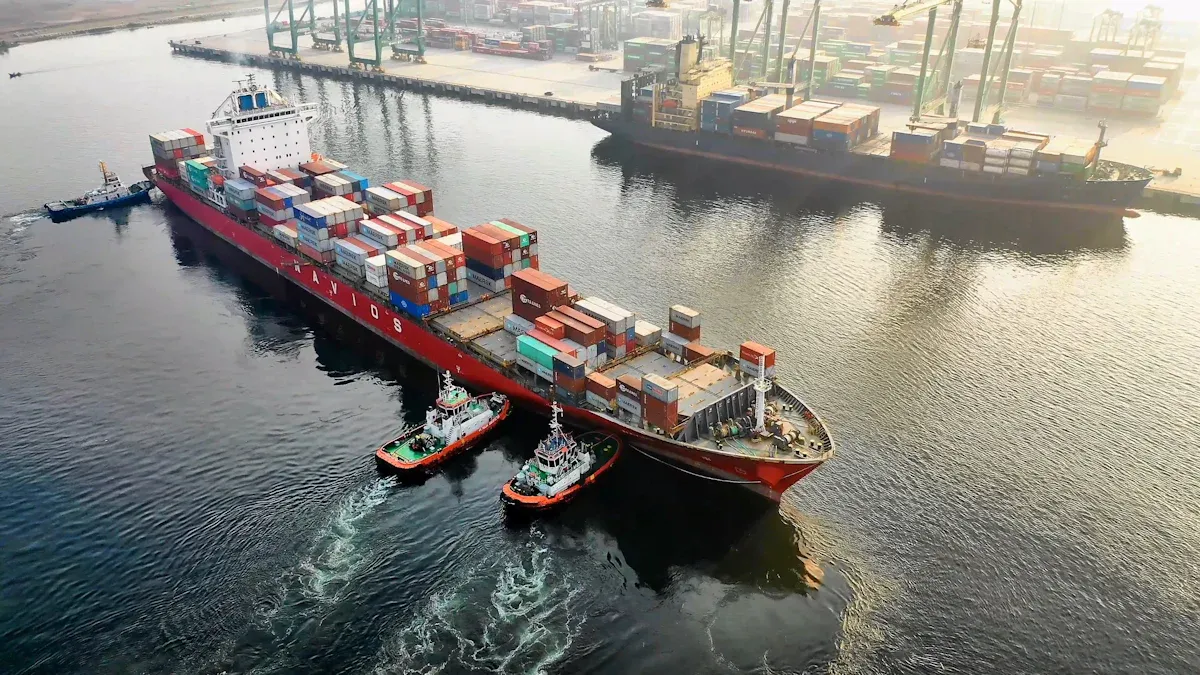
Real-Time Monitoring of International Shipments
Smart logistics empowers you with real-time visibility into your international shipments. By leveraging technologies like IoT and GPS, you can track goods as they move across borders. This ensures you stay informed about their location, condition, and estimated arrival time. For instance, IoT sensors can alert you to temperature fluctuations in perishable goods, allowing you to take immediate action to prevent spoilage.
Real-time monitoring also improves key performance indicators in your supply chain.
-
Delivery time becomes faster as you can identify and address delays promptly.
-
Order accuracy increases because you can verify shipment details at every stage.
-
Transportation costs decrease due to optimized routing and fewer disruptions.
-
Warehouse efficiency improves as you can plan inventory management based on shipment updates.
With these benefits, real-time visibility transforms how you manage cross-border logistics, ensuring smoother and more reliable operations.
Streamlining Customs Clearance
Customs clearance often creates bottlenecks in cross-border supply chains. Smart logistics simplifies this process by automating documentation and integrating blockchain technology. With blockchain, you can store and share tamper-proof records of shipments, reducing the risk of errors or fraud. Smart contracts further enhance efficiency by automating customs payments when predefined conditions are met.
This streamlined approach reduces paperwork and accelerates clearance times. You can also improve order accuracy by ensuring all documentation is consistent and up-to-date. As a result, your shipments move through customs faster, minimizing delays and enhancing customer satisfaction. By adopting these innovations, you can overcome one of the most challenging aspects of global trade.
Reducing Delays in Multimodal Transportation
Multimodal transportation involves using multiple modes of transport—such as ships, trucks, and trains—to move goods. Historically, these systems operated independently, leading to inefficiencies and delays. Smart logistics changes this by integrating digital technology and data analytics into multimodal systems. You can now access real-time updates, optimize routes, and ensure seamless transfers between transport modes.
This integration delivers measurable improvements:
-
Enhanced connectivity reduces travel time by ensuring smooth transitions between modes.
-
Increased accessibility expands the reach of transit services, benefiting urban and suburban areas alike.
-
Sustainable growth lowers carbon emissions by promoting efficient alternatives to private vehicles.
By adopting smart supply chains, you can reduce delays and improve the reliability of multimodal transportation. This not only saves time but also supports your sustainability goals.
Financial Solutions for Cross-Border Transactions (e.g., XTransfer)
Cross-border transactions often present challenges like high fees, currency fluctuations, and complex banking processes. Financial solutions like XTransfer simplify these hurdles, enabling you to manage international payments with ease. By integrating advanced technology, these platforms ensure secure, cost-effective, and seamless financial operations.
Key Features of XTransfer
XTransfer offers several features that make it a valuable tool for businesses engaged in global trade:
-
Cost-Effective Payments: You can save on transaction fees compared to traditional banking systems. This is especially beneficial for small and medium-sized enterprises (SMEs) operating on tight budgets.
-
Currency Conversion: The platform provides competitive exchange rates, helping you minimize losses from currency fluctuations.
-
Global Accessibility: XTransfer connects you to trusted financial institutions worldwide, ensuring smooth transactions across borders.
-
Risk Management: Advanced security measures protect your funds and data, giving you peace of mind during international transactions.
Benefits for Cross-Border Supply Chains
Financial solutions like XTransfer complement smart logistics by addressing the financial side of global trade. Here’s how they add value:
|
Benefit |
Impact on Your Business |
|
Faster Transactions |
Reduces delays in payment processing, improving cash flow. |
|
Enhanced Transparency |
Provides clear records of all transactions, building trust. |
|
Simplified Operations |
Automates payment processes, saving time and effort. |
By adopting these solutions, you can streamline your financial operations and enhance the efficiency of your cross-border supply chain. Platforms like XTransfer empower you to compete with larger corporations by offering the same level of financial services, leveling the playing field for businesses of all sizes.
Benefits of Smart Logistics for Cross-Border Supply Chains
Enhanced Efficiency and Reduced Lead Times
Smart logistics transforms how you manage cross-border supply chains by significantly improving efficiency and reducing lead times. Advanced technologies like AI, IoT, and robotics streamline operations, enabling faster decision-making and smoother workflows.
-
AI-driven route optimization reduces transportation costs while improving delivery times.
-
Enhanced inventory management minimizes overstocking and shortages, ensuring you always have the right products available.
-
Companies using robotics and AI report shorter lead times, which leads to increased customer satisfaction.
For example, by adopting AI-powered systems, you can predict demand more accurately and adjust your supply chain accordingly. This proactive approach eliminates unnecessary delays and ensures your goods reach their destination on time. Faster lead times not only improve customer experiences but also give you a competitive edge in the global market.
Cost Savings Through Automation
Automation is a cornerstone of smart supply chains, offering substantial cost savings by reducing manual labor and optimizing resource allocation. Technologies like robotics and automated systems handle repetitive tasks such as sorting, packing, and loading with precision and speed.
By automating these processes, you can:
-
Lower labor costs by reallocating your workforce to more strategic roles.
-
Minimize errors, which reduces the need for costly corrections.
-
Improve energy efficiency, supporting sustainable practices while cutting operational expenses.
For instance, automated warehouses equipped with robotics can process orders faster and more accurately than traditional setups. This not only saves money but also enhances your ability to scale operations during peak seasons. Automation also supports sustainable practices by reducing waste and energy consumption, aligning your business with global sustainability goals.
Improved Transparency and Traceability
Smart logistics enhances transparency and traceability across your supply chain, ensuring you can monitor every step of the process. Blockchain technology, IoT sensors, and real-time tracking systems provide you with detailed insights into the movement and condition of goods.
Consider these real-world examples:
|
Case Study |
Description |
Benefits |
|
Food Supply Chain |
Real-time insights enhance food safety and reduce waste. |
Improved transparency and consumer confidence. |
|
De Beers |
Tracr platform tracks diamonds from mine to market. |
Ensures ethical sourcing and informed purchasing. |
|
MediLedger Project |
Decentralized network verifies medication authenticity. |
Reduces counterfeit risks and enhances patient safety. |
|
TradeLens |
Shared platform for shipping logistics. |
Improves operational efficiency and communication. |
|
Everledger |
Digital passport for luxury handbags. |
Reduces fraud and fosters trust. |
|
VeChain |
Tracks automotive parts throughout their lifecycle. |
Enhances safety and optimizes maintenance. |
These examples highlight how smart supply chains use technology to build trust and ensure accountability. For instance, blockchain-based platforms like TradeLens allow you to share shipment data with stakeholders securely, reducing disputes and improving collaboration. Similarly, IoT sensors provide real-time updates on shipment conditions, ensuring goods arrive in optimal condition.
Strengthened Risk Management and Resilience
Smart logistics equips you with tools to manage risks and build resilience in your cross-border supply chain. By leveraging advanced technologies, you can anticipate disruptions, respond effectively, and ensure continuity in operations. This proactive approach minimizes losses and strengthens your ability to adapt to unexpected challenges.
How Smart Logistics Enhances Risk Management
Risk management becomes more effective when you use real-time data and predictive analytics. These technologies help you identify potential issues before they escalate. For example, IoT sensors can detect temperature changes in shipments, alerting you to take corrective action. AI systems analyze historical data to predict demand fluctuations, allowing you to adjust inventory levels and avoid stockouts.
Key ways smart logistics improves risk management:
-
Early Detection of Issues: IoT sensors and AI systems provide alerts for potential disruptions, such as equipment failures or shipment delays.
-
Scenario Planning: Predictive analytics enables you to simulate various scenarios and prepare contingency plans.
-
Enhanced Security: Blockchain technology ensures data integrity and prevents fraud, protecting your supply chain from cyber threats.
Building Resilience in Cross-Border Supply Chains
Resilience means your supply chain can recover quickly from disruptions. Smart logistics strengthens resilience by automating processes and improving visibility. When you have real-time updates on shipments, you can make informed decisions to minimize downtime. Automation reduces reliance on manual labor, ensuring operations continue even during workforce shortages.
Here’s how smart logistics builds resilience:
-
Diversified Transportation Modes: Multimodal systems ensure goods can be rerouted if one mode faces delays.
-
Dynamic Inventory Management: AI-powered systems adjust inventory levels based on demand, preventing overstocking or shortages.
-
Collaborative Platforms: Blockchain-based systems improve communication among stakeholders, ensuring everyone stays informed during disruptions.
Real-World Examples
|
Technology Used |
Impact on Risk Management and Resilience |
Example Scenario |
|
IoT Sensors |
Detects shipment conditions and prevents spoilage |
Monitoring temperature-sensitive vaccines |
|
Predictive Analytics |
Anticipates demand and adjusts inventory levels |
Preparing for holiday season spikes |
|
Blockchain |
Secures transaction data and prevents fraud |
Verifying the authenticity of luxury goods |
|
Robotics |
Automates tasks to maintain operations during crises |
Sorting and packing during labor shortages |
These examples show how smart logistics technologies help you mitigate risks and recover quickly from disruptions.
Actionable Steps to Strengthen Your Supply Chain
To enhance risk management and resilience, consider these steps:
-
Invest in IoT Sensors: Monitor shipment conditions to prevent losses.
-
Adopt Predictive Analytics: Use data insights to prepare for demand fluctuations.
-
Integrate Blockchain: Secure your transactions and improve transparency.
-
Automate Key Processes: Reduce reliance on manual labor and improve efficiency.
Smart logistics empowers you to manage risks effectively and build a resilient supply chain. By adopting these technologies, you can ensure your cross-border operations remain reliable and sustainable, even in the face of challenges.
Challenges in Adopting Smart Logistics
Integration Complexity Across Borders
Adopting smart logistics across borders presents significant challenges. You often face issues when connecting value chain systems that operate in different countries. These systems may lack compatibility, making integration difficult. Updating existing infrastructure adds another layer of complexity. Many businesses struggle to adapt their supply chain management processes to accommodate new technologies.
For example, integrating IoT devices or blockchain platforms into legacy systems requires substantial investment and technical expertise. Without proper planning, these efforts can disrupt operations instead of improving them. To overcome these barriers, you need to focus on building scalable systems that support seamless integration.
|
Barrier Type |
Description |
|
Integration and connection problems |
Issues with value chain/network systems (B6) |
|
Requirements of adapting new infrastructures |
Challenges in updating existing systems (B11) |
Data Security and Privacy Concerns
Smart logistics relies heavily on data, but handling this data comes with risks. You must ensure the safety and privacy of sensitive information, such as shipment details and customer records. Concerns about transparency and security often arise, especially when using technologies like blockchain or IoT.
Cyberattacks and data breaches can compromise your supply chain management systems, leading to financial losses and damaged trust. For instance, IoT sensors that monitor shipments can become vulnerable to hacking if not properly secured. To address these concerns, you should invest in robust cybersecurity measures and train your team to follow best practices.
|
Barrier Type |
Description |
|
Lack of transparency, safety, and security |
Concerns regarding data handling and privacy (B3) |
Workforce Adaptation and Skill Development
The shift to smart logistics requires your workforce to adapt to new technologies. Employees must learn how to operate advanced systems like AI-powered platforms and automated machinery. However, many workers lack the necessary skills, creating a gap in supply chain management expertise.
Training programs can help bridge this gap. By offering hands-on workshops and online courses, you can equip your team with the knowledge they need to succeed. For example, teaching employees how to use predictive analytics tools improves decision-making and boosts efficiency. Workforce adaptation ensures your business stays competitive in a rapidly evolving industry.
Regulatory and Compliance Barriers
Navigating regulatory and compliance barriers in cross-border supply chains can feel overwhelming. Each country enforces unique rules, creating a maze of requirements that you must follow to ensure smooth operations. These barriers often slow down processes, increase costs, and complicate logistics.
Common Regulatory Challenges
You encounter several challenges when dealing with international regulations:
-
Customs Documentation: Every shipment requires accurate paperwork, including invoices, certificates of origin, and import/export licenses. Missing or incorrect documents can lead to delays or fines.
-
Tariffs and Duties: Countries impose varying tariffs and duties on goods, which can significantly impact your profit margins.
-
Trade Restrictions: Embargoes, quotas, and sanctions may limit your ability to trade with certain regions.
-
Environmental Regulations: Many governments enforce strict rules on packaging materials and carbon emissions, requiring you to adapt your processes.
How Smart Logistics Can Help
Smart logistics tools simplify compliance by automating processes and providing real-time updates. For example, blockchain technology creates a transparent record of transactions, making it easier to verify compliance with trade laws. AI-powered systems analyze regulations and suggest adjustments to your operations, reducing the risk of violations.
|
Technology Used |
Benefit for Compliance |
Example Scenario |
|
Blockchain |
Ensures tamper-proof documentation |
Verifying certificates of origin |
|
AI Systems |
Identifies regulatory risks and suggests solutions |
Adapting to new environmental laws |
|
IoT Sensors |
Tracks goods to meet safety standards |
Monitoring temperature-sensitive shipments |
Actionable Steps to Overcome Barriers
To tackle regulatory challenges effectively, consider these steps:
-
Invest in Compliance Software: Automate documentation and track regulatory updates.
-
Train Your Team: Educate employees on international trade laws and best practices.
-
Collaborate with Experts: Partner with customs brokers or legal advisors to navigate complex regulations.
-
Leverage Technology: Use smart logistics tools like blockchain and AI to streamline compliance processes.
Smart logistics empowers you to overcome compliance hurdles, ensuring your cross-border supply chain operates efficiently and legally. By adopting these strategies, you can reduce risks and focus on growing your business globally.
Future Trends in Smart Supply Chains
AI-Driven Autonomous Vehicles and Drones
AI-driven autonomous vehicles and drones are transforming logistics. These technologies improve delivery speed, reduce costs, and enhance customer satisfaction. For example, autonomous last-mile delivery ensures faster service while lowering expenses. Drones powered by AI, like those used by Haleon, streamline supply chain operations by providing real-time inventory updates and optimizing warehouse management.
You can also benefit from advanced data analytics offered by these systems. Autonomous robots collect real-time data, which helps in demand forecasting and inventory optimization. This reduces inefficiencies and ensures better resource allocation. Additionally, the modular design of robotic systems allows you to scale operations quickly during peak seasons. These innovations make your supply chain more agile and responsive to market demands.
Collaborative Robots in Warehousing
Collaborative robots, or cobots, are revolutionizing warehouse operations. These robots work alongside human employees, handling repetitive tasks like sorting, packing, and transporting goods. By automating these processes, you can reduce manual labor and improve efficiency. Cobots also optimize warehouse space, enabling you to store more products without expanding your facility.
Real-time data collection from cobots enhances predictive maintenance. This ensures your equipment operates smoothly, minimizing downtime. Cobots also adapt to changing workloads, making them ideal for businesses with fluctuating demand. For instance, during peak seasons, cobots can handle increased volumes, ensuring timely order fulfillment. These features make cobots an essential part of modern warehousing.
Digital Twins for Supply Chain Optimization
Digital twins are virtual replicas of physical supply chain systems. They allow you to simulate and analyze operations in real time. Companies using digital twins report a 20-30% improvement in supply chain resilience. This technology helps you identify potential bottlenecks and test solutions before implementing them.
Digital twins also enhance customer satisfaction. Businesses using this technology have seen a 10-15% increase in customer happiness due to improved service reliability. By integrating digital twins, you can optimize inventory, reduce delays, and ensure smooth operations. This makes your supply chain more efficient and adaptable to future challenges.
The Role of Fintech Solutions like XTransfer in Smart Supply Chains
Fintech solutions like XTransfer play a vital role in modernizing cross-border supply chains. These platforms simplify financial operations, making them faster, more secure, and cost-effective. By integrating advanced technology, they address common challenges in global trade, such as high transaction fees, currency fluctuations, and complex banking processes.
Key Features of XTransfer in Supply Chains
XTransfer offers several features that enhance your supply chain operations:
-
Seamless Cross-Border Payments: The platform ensures quick and reliable international transactions, reducing delays in payment processing.
-
Competitive Currency Exchange Rates: You can minimize losses caused by fluctuating exchange rates.
-
Global Financial Network: XTransfer connects you to trusted financial institutions worldwide, ensuring smooth operations across borders.
-
Advanced Security Measures: The platform protects your funds and data with cutting-edge security protocols.
These features empower you to manage financial complexities with ease, allowing you to focus on other critical aspects of your supply chain.
Benefits of Using Fintech Solutions
Fintech platforms like XTransfer complement smart logistics by streamlining financial processes. Here’s how they benefit your supply chain:
|
Benefit |
Impact on Your Supply Chain |
|
Faster Transactions |
Improves cash flow and reduces payment delays. |
|
Cost Savings |
Lowers transaction fees and operational expenses. |
|
Enhanced Transparency |
Provides clear records of all financial activities. |
|
Risk Mitigation |
Protects against fraud and currency risks. |
By adopting fintech solutions, you can align your financial operations with the speed and efficiency of smart logistics. This integration ensures your cross-border supply chain remains resilient, transparent, and cost-effective.
Smart logistics is transforming cross-border supply chains by integrating advanced technologies like AI, IoT, and blockchain. These innovations enhance efficiency, transparency, and cost-effectiveness, helping you overcome traditional supply chain challenges. Freight volumes in the U.S. are expected to grow by 40% over the next 30 years, highlighting the need for smarter logistics solutions. Mid-sized cities will also experience rapid growth, requiring improved logistics management.
While challenges like integration complexity and data security remain, the benefits far outweigh the hurdles. Future trends, including AI-driven automation and fintech solutions like XTransfer, will continue to reshape smart supply chains. These advancements ensure sustainable and resilient operations, preparing your business for the demands of tomorrow.
FAQ
What is smart logistics, and why is it important for cross-border supply chains?
Smart logistics uses advanced technologies like AI, IoT, and blockchain to optimize supply chain operations. It improves efficiency, reduces costs, and enhances transparency. For cross-border supply chains, it simplifies complex processes, minimizes delays, and ensures smoother international trade.
How does IoT improve shipment tracking?
IoT enables real-time tracking by embedding sensors in goods and vehicles. These sensors provide updates on location, condition, and estimated delivery time. You can monitor shipments remotely, ensuring timely deliveries and reducing risks like spoilage or theft.
What role does blockchain play in logistics?
Blockchain secures and streamlines logistics by creating tamper-proof records of transactions. It enhances transparency, prevents fraud, and automates processes like customs clearance. You can use it to verify the authenticity of goods and improve trust with partners.
How can small businesses benefit from fintech solutions like XTransfer?
Fintech platforms like XTransfer simplify cross-border payments. They reduce transaction fees, offer competitive exchange rates, and ensure secure financial operations. Small businesses gain access to global financial networks, leveling the playing field with larger corporations.
What are the main challenges in adopting smart logistics?
Key challenges include integrating new technologies with existing systems, ensuring data security, and navigating regulatory barriers. Workforce adaptation also poses difficulties, as employees need training to operate advanced tools like AI and IoT systems.
Related content