
The Benefits of Customized Logistics Services for Modern Companies
Author:XTransfer2025.12.22Customized logistics
Customized logistics refers to solutions tailored to meet the unique needs of your business. Unlike standard logistics, it adapts to your operations, ensuring a smooth flow of goods and services. This approach allows you to address specific challenges while optimizing every step of your supply chain.
Modern companies increasingly rely on customized logistics to stay competitive. Advanced analytics, such as ANOVA, help pinpoint inefficiencies and quantify the impact of logistical changes. Studies show that businesses using these methods can reduce inventory levels by up to 50% and improve supply chain efficiency by 15%. These strategies also lead to cost savings and faster order fulfillment, making them essential for growth and adaptability.
Understanding Customized Logistics Services
What Are Customized Logistics Services?
Customized logistics services are tailored solutions designed to meet the unique needs of businesses. Unlike one-size-fits-all approaches, these services focus on creating strategies that align with your specific operational goals. For example, a logistics provider may analyze your supply chain and develop a plan that optimizes transportation routes, reduces delivery times, and minimizes costs.
Research highlights the importance of customization in logistics. By tailoring services to meet individual client requirements, providers can enhance customer satisfaction and loyalty. The process often begins with understanding your business through a detailed analysis, followed by creating a customized proposal. This approach ensures that every aspect of the logistics service aligns with your objectives.
Key features of customized logistics include personalized warehousing, specialized transportation, and advanced inventory management. These services often integrate technology, such as real-time tracking and data analytics, to improve efficiency and transparency. Continuous communication and improvement programs further ensure that the solutions adapt to your evolving needs.
How Customized Logistics Differs from Standard Logistics
Standard logistics services follow a predefined structure, offering the same solutions to all clients. While this approach works for some businesses, it often lacks the flexibility to address unique challenges. Customized logistics, on the other hand, adapts to your specific requirements, providing a more effective and efficient solution.
For instance, standard logistics might use fixed transportation schedules, which can lead to delays if your business operates on a different timeline. Customized logistics addresses this by creating flexible schedules that align with your operations. Similarly, standard warehousing solutions may not account for specialized storage needs, such as temperature control. Customized logistics ensures that these requirements are met, reducing the risk of product damage.
A study in the retail and e-commerce sector demonstrated the effectiveness of tailored logistics. Businesses using customized kitting solutions reduced order processing times by 30% and improved fulfillment accuracy. This highlights how custom strategies can outperform standard approaches in meeting industry-specific demands.
Why Businesses Are Turning to Customized Solutions
Businesses are increasingly adopting customized logistics solutions to stay competitive in a fast-paced market. These services offer several advantages, including enhanced efficiency, cost savings, and improved customer satisfaction. For example, 3PL providers often design tailored strategies that optimize supply chains and address specific industry needs.
Customization is particularly valuable in niche markets, where traditional logistics may create bottlenecks. Specialized transportation and temperature-controlled storage are examples of how custom solutions can meet unique requirements. By reducing lead times and ensuring secure delivery, these services help businesses build stronger relationships with their customers.
A recent study revealed that exporters prioritize customization when choosing logistics providers. Effective information sharing and collaborative relationships were found to improve delivery consistency, reduce costs, and enhance satisfaction. This trend underscores the growing importance of customized logistics in achieving business success.
|
Key Findings |
Description |
|---|---|
|
Customization Importance |
Exporters value the customization of logistics service providers' capacities. |
|
Cost Efficiency |
Reasonable service fees influence exporters' choices. |
|
Information Sharing |
Crucial for fostering collaborative relationships. |
|
Performance Metrics |
Positive effects on delivery consistency, cost savings, and satisfaction. |
By turning to customized logistics, you can address specific challenges, improve operational efficiency, and gain a competitive edge. These solutions not only meet your current needs but also adapt to future changes, ensuring long-term success.
Key Benefits of Customized Logistics

Enhanced Efficiency and Productivity
Customized logistics solutions significantly improve efficiency and productivity by aligning logistics operations with your specific business needs. These solutions utilize advanced tools like real-time tracking and automated processes to streamline workflows. For example, real-time tracking enhances visibility and control over your supply chain, allowing you to monitor shipments and address potential delays proactively. Automated processes reduce manual errors and speed up operations, ensuring that your logistics run smoothly.
Integration with existing systems also plays a crucial role in improving efficiency. By connecting your logistics operations with other business functions, you can ensure seamless communication across the supply chain. Advanced analytics, powered by AI and machine learning, provide data-driven insights to optimize logistics operations further. These technologies help you make informed decisions, such as optimizing transportation routes or adjusting inventory levels based on demand.
|
Feature |
Impact on Efficiency and Productivity |
|---|---|
|
Real-time tracking |
Enhances visibility and control over logistics operations. |
|
Automated processes |
Reduces manual errors and speeds up operations. |
|
Integration with existing systems |
Ensures seamless communication across the supply chain. |
|
Advanced analytics (AI/ML) |
Optimizes logistics operations through data-driven insights. |
|
IoT devices |
Provides real-time monitoring of goods, improving management. |
By adopting custom logistics strategies, you can improve efficiency and productivity, ensuring that your business remains competitive in a fast-paced market.
Cost Savings Through Tailored Strategies
Tailored logistics strategies offer substantial cost savings by eliminating inefficiencies and optimizing resource utilization. For instance, dynamic routing can reduce transportation costs by guiding shipments through the most efficient routes. Similarly, consolidating less-than-truckload (LTL) shipments minimizes unnecessary expenses, leading to significant savings.
Partnering with a third-party logistics (3PL) provider can also help you cut costs. These providers leverage their established infrastructure and expertise, allowing you to avoid heavy investments in logistics resources. Instead, you can focus on core business activities that drive revenue. Performing a cost-benefit analysis (CBA) is another effective way to evaluate potential savings. This analysis compares projected costs with expected benefits, helping you determine whether a tailored logistics strategy will yield a positive return.
|
Cost Driver |
Estimated Savings (%) |
Description |
|---|---|---|
|
Transportation Costs |
3-15% |
Strategic sourcing can unlock savings depending on various factors. |
|
Dynamic Routing |
2-5% |
Shifting to dynamic routing guides can optimize costs. |
|
LTL Shipment Consolidation |
5-20% |
Optimizing LTL shipments can significantly reduce costs. |
|
Carrier Pool Points |
2-6% |
Utilizing carrier pool points can lead to savings in parcel and LTL costs. |
|
Intermodal Conversion |
5-10% |
Converting truckload to intermodal can save costs where transit times allow. |
By implementing customized logistics solutions, you can achieve measurable cost reductions while maintaining high levels of service.
Improved Customer Satisfaction and Loyalty
Customized logistics solutions directly enhance customer satisfaction and loyalty by providing tailored experiences that meet your customers' unique needs. For example, personalized delivery options, such as same-day or scheduled deliveries, demonstrate your commitment to convenience and reliability. These efforts not only improve customer service but also build trust and long-term relationships.
Survey data highlights the impact of tailored logistics on customer loyalty. About 76% of customers are more likely to buy from businesses that offer personalized experiences, while 78% are more likely to recommend such brands to others. This shows that investing in custom logistics strategies can significantly enhance customer service and drive repeat business.
|
Statistic |
Percentage |
|---|---|
|
Likelihood to buy from tailored experiences |
76% |
|
Likelihood to recommend such brands |
78% |
Case studies further illustrate the benefits of customized logistics. For instance, a leading beverage distributor rapidly established new warehousing operations to counter competition, resulting in improved customer satisfaction. Similarly, a retail logistics provider expanded its distribution network, achieving significant growth in home delivery volume and customer satisfaction.
-
Luxury Product Manufacturer: Reduced inventory shrinkage and improved overall inventory management.
-
Building Products Manufacturer: Implemented customized fleet technology to streamline operations.
-
National Wholesale Distributor: Improved customer service while managing a complex supply chain.
-
Retail Logistics Case Study: Expanded network with high customer satisfaction and rapid implementation.
By focusing on tailored logistics strategies, you can enhance customer service, foster loyalty, and create a competitive advantage in your industry.
Scalability for Business Growth
Scalability is one of the most significant advantages of customized logistics solutions. As your business grows, your logistics operations must expand without compromising efficiency or increasing costs unnecessarily. Custom strategies allow you to scale your operations seamlessly, ensuring that your supply chain keeps pace with your growth.
Customized logistics solutions can reduce operational costs by up to 30%. This cost reduction demonstrates how scalable systems can support your business as it expands. For example, by optimizing transportation routes and consolidating shipments, you can handle larger volumes without requiring additional resources. These strategies ensure that your logistics operations remain cost-effective, even as demand increases.
Custom logistics providers also offer advanced technologies that support scalability. Real-time tracking, automated inventory management, and predictive analytics enable you to manage larger operations with ease. These tools provide the visibility and control needed to handle increased complexity, ensuring that your logistics processes remain efficient and reliable.
Flexibility to Meet Changing Market Demands
In today’s volatile markets, flexibility is essential for staying competitive. Customized logistics solutions give you the agility to adapt to changing customer expectations, supply chain disruptions, and market trends. This adaptability ensures that your business remains resilient, even in uncertain conditions.
Recent trends show that supply chain companies must embrace technology to remain agile. With 61% of companies viewing technology as a key competitive advantage, investing in innovative solutions is crucial for enhancing logistics flexibility. Advanced technologies like AI and machine learning improve demand forecasting, allowing you to adjust your operations proactively. For instance, these tools can help you predict shifts in customer demand and optimize inventory levels accordingly.
|
Benefit |
Description |
|---|---|
|
Cost Optimization |
Aligning schedules with market trends helps businesses optimize transportation costs even in volatile conditions. |
|
Tailored Pricing |
Dynamic pricing models allow shippers to evaluate rates based on shipment specifics, ensuring cost-effectiveness. |
|
Strategic Planning |
Insights from dynamic pricing enable proactive shipment planning, minimizing unnecessary expenses and operational inefficiencies. |
Customized logistics also provide flexibility through tailored transportation and warehousing options. For example, you can adjust delivery schedules to meet sudden changes in customer demand or use temperature-controlled storage for sensitive products. These custom solutions ensure that your logistics operations align with your business goals, even as market conditions evolve.
-
Advanced technologies give you a competitive edge by enabling quick adjustments to market changes.
-
AI-driven tools enhance logistics operations, making them more responsive and efficient.
By adopting flexible logistics strategies, you can navigate market uncertainties with confidence. This adaptability not only helps you meet customer expectations but also positions your business for long-term success.
Practical Applications of Customized Logistics Services
Tailored Warehousing Solutions
Tailored warehousing solutions optimize storage and distribution processes to meet your business's unique needs. These solutions address inefficiencies like transportation bottlenecks and poor warehouse management, ensuring smoother operations. For example, custom-designed logistics solutions can include temperature-controlled storage for sensitive products or automated systems for faster order fulfillment. By eliminating inefficiencies, you can improve operational efficiency and meet consumer expectations.
Scalability is another key benefit. As your business grows, tailored warehousing adapts to increased product lines and market demands without causing disruptions. Companies like DHL have successfully deployed personalized logistics solutions to reduce overhead costs and enhance warehouse automation. These strategies not only improve efficiency but also ensure long-term relevance in a competitive market.
Personalized Transportation and Delivery
Personalized transportation and delivery solutions focus on creating flexible and efficient systems that align with your business goals. Route planning, powered by custom logistics management software, improves delivery efficiency and reduces costs. Real-time tracking, enabled by IoT and AI, enhances visibility and allows you to monitor shipments accurately. These technologies also support predictive maintenance, ensuring your fleet operates smoothly.
Businesses like UPS have demonstrated the effectiveness of personalized logistics solutions. During the pandemic, UPS adapted its logistics to prioritize healthcare deliveries, achieving significant turnover by focusing on medical goods shipping. This example highlights how tailored strategies can address specific challenges while maintaining efficiency.
Inventory Management for Specific Business Needs
Customized inventory management systems streamline processes and reduce errors, ensuring accurate tracking of stock levels. Tailored features minimize costly mistakes, helping you meet delivery promises and improve customer satisfaction. For example, integrating custom logistics solutions with existing systems creates a unified data flow, reducing manual errors and enhancing decision-making.
Scalability is another advantage. As your business expands, inventory management systems adapt to handle increased product lines and market demands. Companies like XPO Logistics have leveraged these solutions to foster long-term relationships with clients by catering to changing market conditions. This adaptability ensures your operations remain efficient and relevant.
|
Benefit |
Description |
|---|---|
|
Efficiency |
Optimized processes reduce wasted time and resources. |
|
Scalability |
Systems grow with your business, accommodating increased demands. |
|
Accuracy |
Tailored features prevent errors, ensuring smooth operations. |
|
Customer Satisfaction |
Timely and accurate deliveries enhance customer loyalty. |
By implementing custom logistics management strategies, you can optimize inventory processes, improve accuracy, and meet the evolving needs of your business.
Technology Integration in Custom Logistics
Technology plays a vital role in transforming logistics operations into efficient, customized systems. By integrating advanced tools and data sources, you can streamline processes, improve accuracy, and enhance customer satisfaction.
Modern logistics relies on technologies like GPS, RFID, and real-time tracking to optimize operations. GPS technology provides precise location data, enabling better route planning and fleet management. RFID systems track inventory with high accuracy, reducing errors and ensuring timely deliveries. Real-time tracking tools allow you to monitor shipments, giving customers accurate delivery estimates and boosting their confidence in your services.
Data integration is another critical aspect of customized logistics. Combining information from various sources, such as supplier databases and transportation systems, creates a unified view of your supply chain. This integration reduces delays by improving communication with suppliers and strengthening relationships. It also enhances decision-making by providing actionable insights into inventory levels, delivery schedules, and customer demands.
|
Technology |
Key Benefits |
|---|---|
|
GPS |
Improves route planning and fleet management efficiency. |
|
RFID |
Tracks inventory with precision, reducing errors and ensuring timely delivery. |
|
Real-time tracking |
Provides accurate delivery estimates and enhances customer satisfaction. |
|
Data integration |
Reduces delays and strengthens supplier relationships. |
Advanced technologies like AI and machine learning further elevate logistics customization. These tools analyze patterns in customer behavior and market trends, helping you predict demand and adjust operations accordingly. Predictive analytics ensures that your logistics system remains agile and responsive to changes.
By integrating technology into your logistics operations, you can achieve greater efficiency, reduce costs, and deliver exceptional service. These tools empower you to adapt to challenges and maintain a competitive edge in the market.
Industry-Specific Use Cases for Customized Logistics
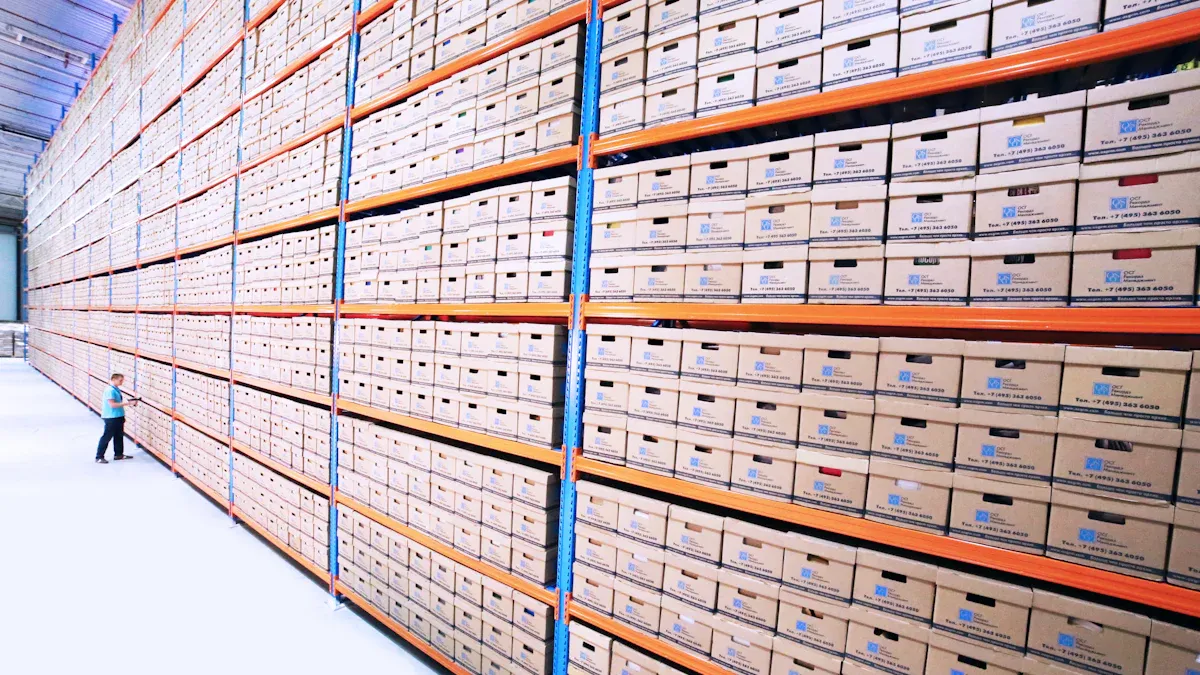
E-commerce and Retail
The e-commerce and retail industries rely heavily on customized logistics to meet growing consumer demands. With global retail e-commerce sales reaching $4.9 trillion in 2021 and projected to grow by 56% by 2026, efficient logistics solutions are essential. Customized logistics helps you manage warehousing, transportation, and delivery services tailored to your business needs. For instance, adopting omnichannel fulfillment integrates online and physical retail, ensuring seamless coordination across supply chain processes.
Technology plays a vital role in this sector. GPS tracking and automation improve delivery accuracy and speed, while reverse logistics streamline returns from online purchases. These solutions not only enhance customer satisfaction but also reduce operational costs. Companies that invest in personalized delivery options, such as same-day or scheduled deliveries, gain a competitive edge by meeting customer expectations for convenience and reliability.
|
Statistic/Trend |
Description |
|---|---|
|
Retail e-commerce sales (2021) |
Estimated at $4.9 trillion, expected to grow by 56% to $8.1 trillion by 2026. |
|
Global e-commerce logistics market (2022) |
Valued at USD 315.82 billion, projected CAGR of 22.3% from 2023 to 2030. |
Manufacturing and Supply Chain
In manufacturing, customized logistics ensures the smooth transport of raw materials and production equipment. These solutions focus on automation and efficiency, helping you optimize supply chain processes. Metrics like the perfect order index and inventory turnover ratio highlight the benefits of tailored logistics. For example, improving order accuracy reduces delays and enhances customer satisfaction.
Customized logistics also supports scalability. As your production volume increases, these solutions adapt to handle larger shipments without compromising efficiency. Technologies like predictive analytics help you forecast demand and adjust operations proactively. This ensures that your supply chain remains agile and responsive to market changes.
|
Metric |
Description |
|---|---|
|
Perfect order index |
Percentage of orders delivered on time, complete, without damage, and with proper documentation. |
|
Inventory turnover ratio |
How often a company sells its inventory in a specific period. |
Healthcare and Pharmaceuticals
The healthcare and pharmaceutical industries require highly specialized logistics solutions. Customized logistics ensures compliance with strict regulations, such as the FDA Drug Supply Chain Security Act (DSCSA) and the Food Safety Modernization Act (FSMA). These solutions address patient-specific handling needs, temperature control requirements, and emergency response protocols.
Automated material handling systems integrate compliance into daily operations, reducing the risk of errors. Real-time auditing tools provide visibility and ensure adherence to regulatory standards. For example, temperature-controlled storage and final-mile delivery solutions guarantee the safe transport of sensitive medical products. By leveraging these strategies, you can maintain the integrity of your supply chain while meeting critical healthcare demands.
|
Regulation |
Description |
|---|---|
|
FDA Drug Supply Chain Security Act |
Steps to build an electronic system to trace prescription drugs in the U.S. |
|
Food Safety Modernization Act |
Ensures food safety during transportation. |
Food and Beverage Industry
The food and beverage industry depends heavily on customized logistics to maintain product quality and meet strict safety standards. You face unique challenges in this sector, such as temperature-sensitive storage, regulatory compliance, and timely delivery. Customized logistics solutions address these challenges by tailoring processes to your specific needs.
One of the most critical aspects of logistics in this industry is quality control. From sourcing raw ingredients to delivering finished products, every step requires precision. Advanced technologies like IoT sensors and quality control software help detect contaminants and ensure food safety. These tools also monitor storage conditions, such as temperature and humidity, to maintain product integrity. Adhering to FDA and food safety regulations builds consumer trust and protects your brand reputation.
|
Quality Control Aspect |
Description |
|---|---|
|
Comprehensive Quality Control |
Ensures safety and quality from ingredients to final packaging. |
|
Advanced Technology Use |
Enhances detection of contaminants and overall food safety through IoT sensors and quality control software. |
|
Adherence to Regulations |
Compliance with FDA and food safety standards maintains product integrity and consumer trust. |
|
Effective Supply Chain Management |
Ensures safe, high-quality food products through proper storage and handling techniques. |
Customized logistics also improve delivery performance. Tailored transportation solutions ensure that perishable goods reach their destination on time and in perfect condition. For example, temperature-controlled vehicles prevent spoilage during transit. These strategies not only reduce waste but also enhance customer satisfaction.
-
Positive changes in quality control improve how customers perceive your brand.
-
Higher demand for your products can lead to increased prices and better profit margins.
-
Growth opportunities expand across your supply network, helping you scale your business effectively.
By adopting customized logistics, you can overcome industry-specific challenges and deliver high-quality products to your customers. These solutions ensure that your operations remain efficient, compliant, and ready to meet market demands.
Customized logistics offers transformative benefits for your business. It streamlines processes, enhances customer experiences, and provides a competitive edge. Consider these key advantages:
-
Increased Efficiency: Faster turnaround times and reduced waste improve operational flow.
-
Enhanced Customer Experience: Accurate delivery times boost satisfaction and loyalty.
-
Competitive Advantage: Reliable, tailored services help your business stand out.
Case studies further highlight its impact:
|
Evidence Type |
Details |
|---|---|
|
Improved Data Visibility |
Gained 6 hours of additional visibility into freight data, enhancing load security. |
|
Streamlined Operations |
Achieved proactive load planning and optimized routing, leading to better resource allocation. |
|
Enhanced Service Delivery |
Improved customer retention through elevated core services and reduced service concerns. |
|
Data Processing Efficiency |
Successfully processed 98% of BOL images, showcasing the reliability of the logistics system. |
|
Decision-Making Improvement |
Enabled faster, data-driven decisions, enhancing overall operational efficiency. |
Adopting customized logistics ensures your operations remain efficient, adaptable, and ready for growth. Explore these solutions to optimize your business and stay ahead in the market.
FAQ
What is the main difference between standard and customized logistics?
Standard logistics offers fixed solutions for all businesses, while customized logistics tailors services to your specific needs. This personalization ensures better efficiency, cost savings, and adaptability to your unique operational challenges.
How can customized logistics improve customer satisfaction?
Customized logistics enhances customer satisfaction by offering personalized delivery options, such as same-day or scheduled deliveries. These tailored services meet customer expectations, build trust, and encourage repeat business.
Are customized logistics solutions suitable for small businesses?
Yes, small businesses benefit greatly from customized logistics. Tailored strategies optimize resources, reduce costs, and improve efficiency, helping you compete with larger companies while meeting customer demands effectively.
What role does technology play in customized logistics?
Technology drives efficiency in customized logistics. Tools like GPS, real-time tracking, and predictive analytics streamline operations, improve accuracy, and provide actionable insights. These innovations help you adapt to market changes and enhance service quality.
Can customized logistics adapt to seasonal demand changes?
Yes, customized logistics solutions are highly adaptable. Flexible warehousing and transportation options allow you to scale operations during peak seasons. This ensures timely deliveries and maintains customer satisfaction, even during high-demand periods.
Related content