
What Is the Netherlands Antillean Guilder and Where Can You Use It
Author:XTransfer2025.08.20NAG
You will use the Netherlands Antillean Guilder when you visit Curaçao or Sint Maarten. This currency serves as the official money in both countries. The Central Bank of Curaçao and Sint Maarten manages the currency and keeps it pegged to the US dollar at a fixed rate of 1 USD = 1.79 ANG.
You can find coins and banknotes in several sizes and values, making it easy for you to pay for daily items.
Highlights
-
The Netherlands Antillean Guilder is the official currency in Curaçao and Sint Maarten, managed by the Central Bank of Curaçao and Sint Maarten (CBCS).
-
You can use coins and banknotes in many denominations for daily purchases like snacks, bus rides, shopping, and dining.
-
The guilder is fixed to the US dollar at a rate of 1 USD = 1.79 ANG, making currency exchange simple and stable.
-
You can get guilders from ATMs, banks, or exchange offices, and using guilders helps avoid extra fees and confusion when paying locally.
-
A new currency called the Caribbean guilder will replace the Netherlands Antillean Guilder in March 2025, with a smooth transition planned by the CBCS.
Netherlands Antillean Guilder Overview
Official Status
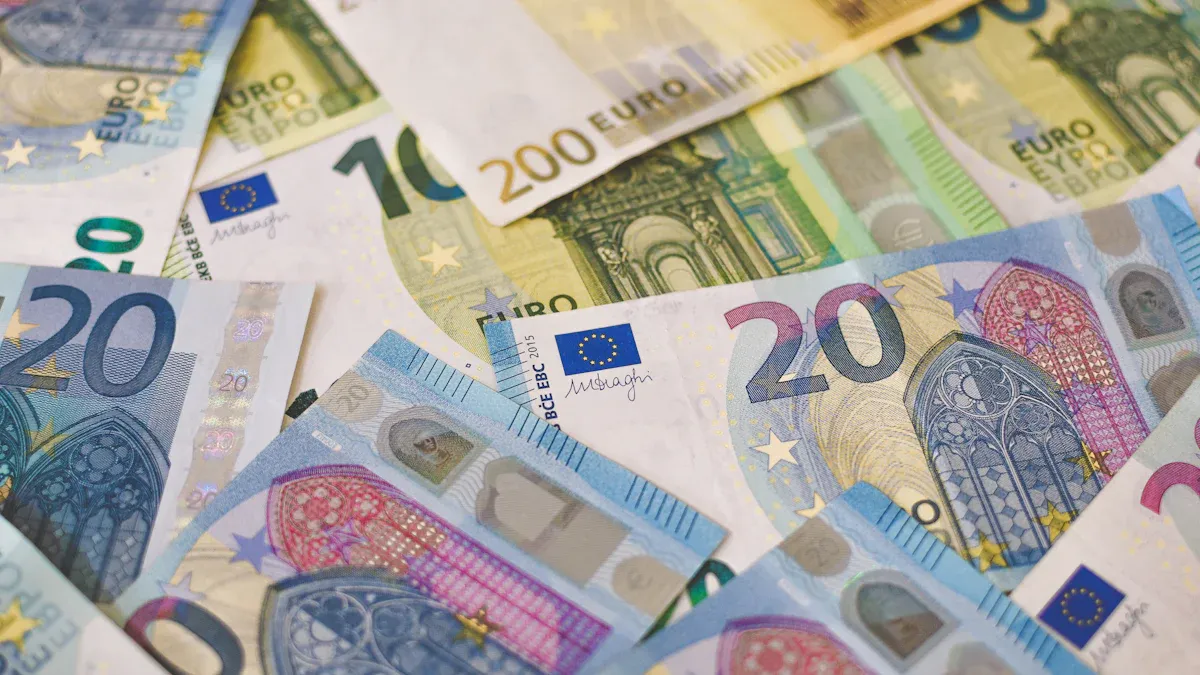
You will find that the Netherlands Antillean Guilder is the official currency in both Curaçao and Sint Maarten. The Centrale Bank van Curaçao en Sint Maarten (CBCS) acts as the issuing authority. This central bank manages the currency and keeps it stable. Official government sources confirm that Curaçao and Sint Maarten use the Netherlands Antillean Guilder as their national currency. The CBCS also controls the supply of coins and banknotes. You can trust that this currency is recognized by both local governments and the Kingdom of the Netherlands.
Here is a quick overview of the currency’s management:
|
Aspect |
Details |
|
Issuing Authority |
Central Bank of Curaçao and Sint Maarten (CBCS) |
|
Currency Introduction Date |
2010 (ANG); Caribbean guilder scheduled for 2025 |
|
Exchange Rate Peg |
Fixed to U.S. dollar at 1 USD = 1.79 ANG |
|
Currency Production |
Banknotes by Crane Currency; Coins by Royal Canadian Mint |
|
Monetary Policy Management |
CBCS manages supply, exchange, and public awareness |
Symbol and ISO Code
When you look at prices in Curaçao or Sint Maarten, you will see the Netherlands Antillean Guilder represented by the symbols ANG or NAƒ. The symbol NAƒ stands for "Netherlands Antillean florin," which is another name for the guilder. The official ISO code for this currency is ANG. The International Organization for Standardization (ISO) assigns this code, and it is used in banks and financial systems worldwide. You might also see the symbol ƒ on some older coins and price tags.
-
Currency symbols: ANG, NAƒ, or ƒ
-
ISO code: ANG
Denominations
You will use both coins and banknotes when you pay with the Netherlands Antillean Guilder. The currency is divided into 100 cents. Coins come in several values, and banknotes cover a range of amounts for everyday spending.
Here is a table showing some common denominations:
|
Type |
Denominations (ANG) |
|
Coins |
1, 5, 10, 25, 50 cents; 1, 2½, 5 guilders |
|
Banknotes |
10, 25, 50, 100, 200 guilders |
Some special coins, like the 25-guilder Juliana Bicentennial coin, have also been issued in the past. You will mostly use coins for small purchases and banknotes for larger amounts.
-
Coins are popular for buying snacks, bus rides, or small souvenirs.
-
Banknotes are useful for shopping, dining, or paying for tours.
Where Used
Curaçao
You will use the Netherlands Antillean Guilder every day in Curaçao. This currency is the only official money on the island. When you visit shops, restaurants, or markets, you will see prices listed in guilders. Local banks and ATMs give you guilders when you withdraw cash. Most businesses expect you to pay with this currency, especially for small purchases. You can use coins for snacks or bus rides, and banknotes for larger items like clothing or electronics. Some tourist spots may accept US dollars, but you will get change in guilders. If you want to avoid confusion, always carry some guilders with you.
Sint Maarten
You will also use the Netherlands Antillean Guilder on the Dutch side of Sint Maarten. This island is unique because it has two sides: Dutch and French. The Dutch side uses the guilder, while the French side uses the euro. When you shop or dine on the Dutch side, you will see prices in guilders. Banks and ATMs on this side give you guilders as well. The US dollar is common, but the guilder remains the official currency.
Here is a table that shows important facts about Sint Maarten and its use of the guilder:
|
Statistic |
Value/Description |
|
Population (Dutch side) |
38,247 |
|
GDP (Sint Maarten, 2008) |
$794.7 million (nominal) |
|
Currency |
Netherlands Antillean Guilder (ANG) since 1940, pegged to US dollar |
|
EU/Eurozone Membership |
Not part of EU/Eurozone; French side uses Euro |
|
Economic Structure |
Services sector (84%), tourism is main industry |
|
Use of US Dollar |
Commonly used, but local currency preferred |
You will notice that Sint Maarten has a strong service economy. Most people work in tourism, so you will see many places that accept both guilders and US dollars. However, using the Netherlands Antillean Guilder helps you avoid extra fees and get better prices.
Everyday Transactions
You will use the Netherlands Antillean Guilder for almost everything in Curaçao and Sint Maarten. When you buy groceries, pay for a bus ticket, or eat at a local café, you will use coins and banknotes. Most supermarkets, gas stations, and shops list prices in guilders. If you pay with US dollars, you may get change in guilders, which can be confusing.
-
You can use coins for small items like snacks or drinks.
-
You can use banknotes for larger purchases such as clothing, electronics, or tours.
-
ATMs and banks give you guilders, making it easy to get local money.
You will find that using the local currency makes your trip smoother. It also helps you understand prices and avoid mistakes when shopping or dining out.
Getting the Guilder
Exchange Options
You have several ways to get Netherlands Antillean Guilders before or during your trip. The currency stays stable because it is pegged to the US dollar at a fixed rate of 1.79 ANG for every 1 USD. This peg helps keep prices steady and makes exchanging money simple. You can trust the guilder because it has a long history and plays a big role in the local economy. Many travelers choose to exchange money at airports, hotels, or local exchange offices.
-
The guilder’s fixed rate with the US dollar makes it easy to calculate how much you will get.
-
You can exchange money at banks, currency exchange counters, or even some hotels.
-
The guilder is also traded in international markets, so you can find it on many online platforms.
-
The local economy, supported by natural resources and tourism, helps keep the currency strong.
-
Plans for a new Caribbean guilder may change exchange options in the future, so stay updated.
ATMs and Banks
You can withdraw Netherlands Antillean Guilders from ATMs across Curaçao and Sint Maarten. Most ATMs accept international cards, including Visa and Mastercard. Banks in both countries provide currency exchange services and can help you get the right amount of cash for your needs. ATMs usually give you the best rates, but check if your bank charges extra fees for international withdrawals.
-
ATMs are easy to find in city centers, airports, and shopping areas.
-
Banks offer secure and reliable exchange services.
-
You can use your debit or credit card for most transactions, but always carry some cash for small purchases.
Using US Dollars
You can use US dollars in many places in Curaçao and Sint Maarten. Shops, hotels, and restaurants often accept dollars, but you may get change in guilders. The exchange rate is usually close to the official peg, but some places may charge extra fees or offer a lower rate. Online money transfer services like Wise and XE let you send US dollars and receive guilders quickly.
|
Provider |
Exchange Rate & Fees |
Transfer Speed |
Payment Methods |
Additional Features |
|
Wise |
Competitive rates, low & transparent fees, example: 1.8004 rate, $0 fees |
Mostly within 1 day, some instant transfers |
Credit card, debit card, direct transfer |
FCA regulated, secure platform, real-time rates |
|
XE |
Transparent pricing, some fees for card payments |
Card payments almost instant, bank transfers same-day to 4 days |
Bank, card, digital wallet |
Cash pickup at 500,000+ locations, real-time tracking, FX risk tools |
Future Plans
Caribbean Guilder
You will soon see a new currency in Curaçao and Sint Maarten. The Caribbean guilder will replace the Netherlands Antillean Guilder. The Central Bank of Curaçao and Sint Maarten (CBCS) plans this change to modernize the currency system. The new guilder will have the code CMG. You will use it in the same places where you use the current guilder.
The Caribbean guilder will help both islands have a fresh start with their money. The CBCS wants to make the currency safer and easier to use. You will notice new designs on the coins and banknotes. These designs will show local culture and important symbols from both islands.
You will not need to worry about losing money during the switch. The CBCS will set a fixed exchange rate between the old and new guilders. This means your money will keep its value.
Transition Timeline
You should prepare for the change to the Caribbean guilder in March 2025. The CBCS has shared a clear plan for the transition. Here is what you can expect:
-
Announcement: The CBCS will give updates in the news and on their website.
-
New Currency Release: Banks and shops will start using the Caribbean guilder in March 2025.
-
Exchange Period: You will have time to swap your old guilders for the new ones at banks.
-
End of Old Guilder: After the exchange period, only the Caribbean guilder will be accepted.
|
Step |
What You Need To Do |
|
Announcement |
Stay informed with CBCS updates |
|
Currency Release |
Start using new banknotes/coins |
|
Exchange Period |
Swap old guilders at local banks |
|
End of Old Guilder |
Use only Caribbean guilder |
You now know that the Netherlands Antillean Guilder is the official currency in Curaçao and Sint Maarten. You can use it for daily purchases, and you will find coins and banknotes in many values. The table below gives you a quick overview:
|
Aspect |
Details |
|
Current Usage |
Curaçao, Sint Maarten; managed by CBCS |
|
Subdivisions |
100 cents; coins and banknotes in several denominations |
|
Exchange Rate |
Fixed at 1.79 ANG per 1 USD |
|
Economic Context |
Tourism, finance, oil, shipping |
|
Future Plans |
Caribbean guilder coming soon |
You should get guilders from ATMs or banks for the best rates. Stay updated about the switch to the Caribbean guilder in 2025.
FAQ
Can you use the Netherlands Antillean Guilder outside Curaçao and Sint Maarten?
You cannot use the Netherlands Antillean Guilder in other countries. Only Curaçao and Sint Maarten accept it for daily purchases. Other islands, like Bonaire, use the US dollar.
What should you do with leftover guilders after your trip?
You can exchange leftover guilders at local banks or currency exchange offices before leaving. Some airports offer exchange services. Most banks outside the islands do not accept guilders.
Are coins and banknotes easy to recognize?
Yes, you will find coins and banknotes in different colors and sizes. Each shows clear numbers and symbols. This helps you tell them apart quickly when shopping or paying for services.
Do you need to tip in guilders?
Most places accept tips in guilders. You can also tip in US dollars if you do not have small coins or notes. Restaurants and taxis often expect a small tip for good service.
Can you use credit cards instead of cash?
Many hotels, shops, and restaurants accept credit cards. Small vendors and local markets may only take cash. Always carry some guilders for small purchases or emergencies.
Related content