
Understanding Chase SWIFT Codes for Global Transactions
Author:XTransfer2025.12.03Chase SWIFT Code
When sending money internationally, you need a SWIFT code to identify the receiving bank. Chase SWIFT codes are unique identifiers that connect Chase Bank to the global financial network. These codes ensure your transactions reach the right destination. Without them, international transfers can fail or face delays. You’ll find Chase SWIFT codes essential for smooth and accurate processing of global payments. They simplify the complex world of international banking, making it easier for you to send or receive funds across borders.
What Are SWIFT Codes?
Definition and Purpose of SWIFT Codes
SWIFT codes, also known as BIC codes, are unique identifiers assigned to banks and financial institutions worldwide. These codes ensure safe and efficient international payments by verifying the identity of banks during cross-border transactions. The SWIFT system, established in 1973 by 239 banks from 15 European countries, was designed to address the challenges of global payments. Today, it connects over 11,000 institutions across 200 countries, making it an essential tool for international banking.
SWIFT codes reduce confusion and errors by providing a standardized method for sending payment instructions. They consist of 8 to 11 characters, including the bank code, country code, location code, and branch code. This structure ensures that funds are directed to the correct accounts, streamlining the process of international money transfers.
Role of SWIFT Codes in International Banking
SWIFT codes play a crucial role in the global financial network. They act as a common language for banks, enabling seamless communication and transactions across borders. The adoption of SWIFT codes has grown significantly since their inception, as illustrated in the table below:
|
Year |
Description |
Figures |
|---|---|---|
|
1973 |
Establishment of SWIFT |
Cooperative established in Belgium |
|
1995 |
Daily messages |
2.4 million |
|
2015 |
Financial institutions linked |
Over 11,000 in 200 countries |
|
2018 |
High-value cross-border payments |
Around 50% of all payments worldwide |
|
2023 |
Adoption of ISO 20022 |
Over 70 countries adopted new standards |
The recent adoption of ISO 20022 by over 70 countries, including Switzerland, China, India, and Japan, highlights the evolving role of SWIFT codes. This new standard provides a common language for payments data, improving straight-through processing rates and enhancing efficiency in international banking.
SWIFT codes ensure that your transactions are secure and accurate. They simplify the complexities of global payments, making it easier for banks to communicate and transfer funds. Whether you're sending money abroad or receiving payments from overseas, SWIFT codes are indispensable for smooth and reliable transactions.
Chase SWIFT Codes Explained
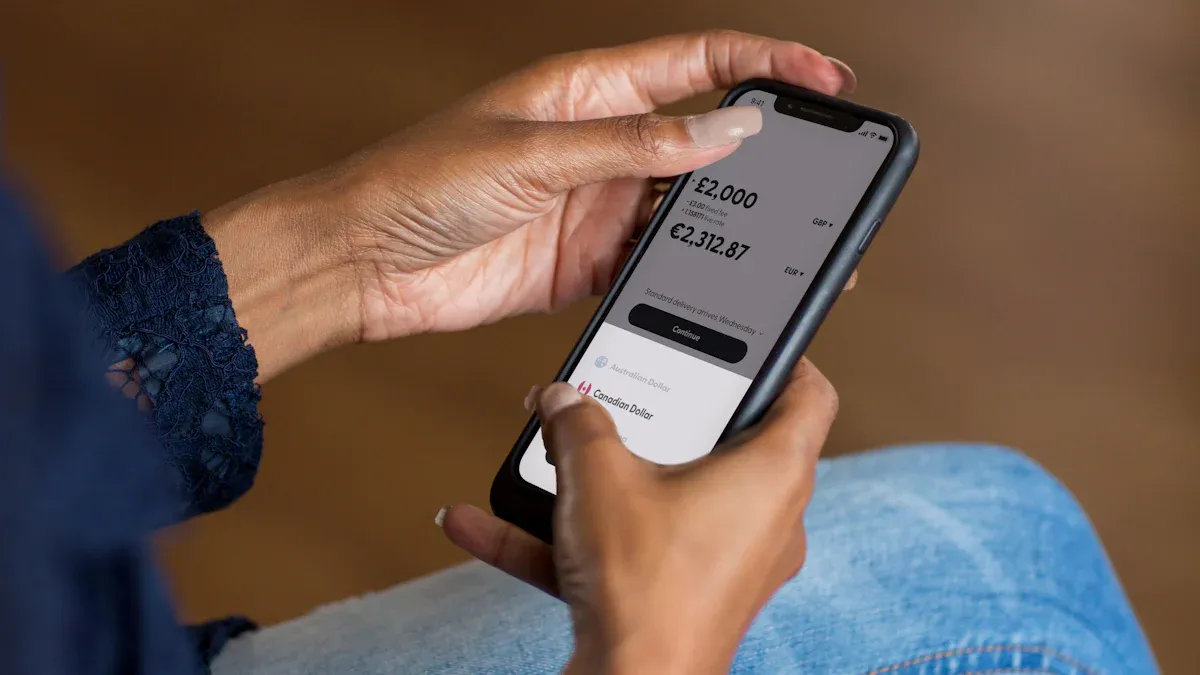
What makes Chase SWIFT codes unique?
Chase SWIFT codes stand out because they are tailored to the global operations of JPMorgan Chase Bank. These codes connect Chase Bank to the SWIFT network, enabling seamless international transactions. Unlike generic SWIFT codes, Chase SWIFT codes reflect the bank's extensive reach and robust infrastructure. They ensure that payments are routed accurately, even in complex cross-border scenarios.
JPMorgan Chase Bank operates in multiple countries, and its SWIFT codes are designed to handle high transaction volumes efficiently. Whether you're sending money to a Chase account in the United States or receiving funds from abroad, these codes simplify the process. Their reliability and precision make them indispensable for international banking.
Format of Chase SWIFT codes
The format of Chase SWIFT codes follows the standard structure used by banks worldwide. Each code consists of 8 to 11 characters, divided into four distinct parts:
-
Bank Code: The first four letters identify the bank. For Chase Bank, this is typically "CHAS."
-
Country Code: The next two letters represent the country where the bank is located. For Chase Bank in the United States, this is "US."
-
Location Code: The following two characters indicate the bank's location or headquarters.
-
Branch Code: The last three characters (optional) specify a particular branch.
For example, the SWIFT code for JPMorgan Chase Bank's New York branch is CHASUS33. This format ensures that every transaction is directed to the correct bank and branch, minimizing errors and delays.
How Chase SWIFT codes facilitate international transactions
Chase SWIFT codes play a vital role in streamlining international transactions. They act as unique identifiers, ensuring that funds reach the intended recipient without confusion. These codes reduce processing times and enhance the accuracy of cross-border payments.
Statistical data highlights the efficiency of Chase SWIFT codes:
|
Metric |
Value |
|---|---|
|
Average processing time |
18 hours |
|
Percentage of payments arriving within 24 hours |
66% |
|
Average time for payments with intermediaries |
1 day 11 hours 15 minutes |
|
Average time for direct transactions |
15 hours 9 minutes |
|
Percentage of transactions involving intermediaries |
75% |
The table above demonstrates how Chase SWIFT codes optimize payment processing, even when intermediaries are involved. Direct transactions are completed faster, with an average time of just over 15 hours.
These metrics underscore the importance of Chase SWIFT codes in global banking. By leveraging these codes, you can ensure that your international payments are processed efficiently and securely. Whether you're transferring funds for business or personal purposes, Chase SWIFT codes provide the reliability you need.
How to Find Chase SWIFT Codes
Using Chase Bank’s online banking tools
You can easily find the SWIFT code for Chase Bank by using its online banking tools. Chase Bank provides a user-friendly platform that allows you to access essential information for international transactions. Start by logging into your Chase online banking account. Once logged in, navigate to the "Account Services" or "Wire Transfers" section. Here, you will find the SWIFT code associated with your account.
If you are unsure about the exact steps, Chase Bank’s website offers detailed guides to help you. These guides explain how to locate the SWIFT code and other details required for global payments. Using the online platform ensures you get accurate and up-to-date information directly from Chase Bank.
Contacting Chase customer service
Another reliable way to find the SWIFT code is by contacting Chase customer service. Chase Bank has a dedicated team to assist you with international banking needs. You can reach out to them via phone, email, or by visiting a local branch. When contacting customer service, provide your account details and specify the purpose of your inquiry.
The representatives will guide you through the process and ensure you have the correct SWIFT code for your transaction. This method is particularly helpful if you have additional questions about international transfers or need clarification on specific requirements.
Leveraging XTransfer’s SWIFT code lookup platform
If you prefer a quick and convenient option, you can use XTransfer’s SWIFT code lookup platform. This tool allows you to search for SWIFT codes of banks worldwide, including JPMorgan Chase Bank. Simply enter the bank name and location into the search bar, and the platform will provide the corresponding SWIFT code.
XTransfer’s platform is designed to be intuitive and user-friendly. It ensures you get accurate results, making it an excellent resource for finding SWIFT codes. Whether you are sending money to Chase Bank in the United States or receiving funds from abroad, this tool simplifies the process.
Why You Need Chase SWIFT Codes
Scenarios requiring Chase SWIFT codes
Chase SWIFT codes are indispensable in various real-life situations involving international money transfers. For instance:
-
A multinational corporation paying employees across different countries relies on SWIFT codes to ensure salaries reach the correct accounts securely and on time.
-
A U.S.-based company sending payments to a business partner in Germany must use the correct SWIFT code to avoid delays or errors in routing funds.
These scenarios highlight the critical role of SWIFT codes in global transactions. They act as a bridge between banks, ensuring that money is routed accurately and efficiently. Without them, payments could face delays, errors, or even fail to reach their destination.
In 2020 alone, the SWIFT network processed approximately 35 million orders daily, underscoring its importance in the global financial system. Whether you're an individual sending money abroad or a business managing international payments, Chase SWIFT codes simplify the process and reduce the risk of costly mistakes.
Importance of accuracy in global transactions
Accuracy is vital when using Chase SWIFT codes for international money transfers. A single error in the SWIFT code can misroute funds, causing delays or additional fees. For example, when sending money to Chase Bank, you must provide the correct SWIFT code, such as CHASUS33, along with other details like the bank's address and routing number.
|
Aspect |
Description |
|---|---|
|
Definition |
A SWIFT code is a standard format for Business Identifier Codes (BIC). |
|
Purpose |
Used to identify banks globally for international money transfers. |
|
Function |
Ensures accurate routing of funds and facilitates communication between banks. |
Using the correct SWIFT code ensures your payment reaches the intended recipient without unnecessary complications. It also helps banks communicate effectively, reducing the risk of errors. This accuracy is especially crucial for high-value transactions or time-sensitive payments.
By understanding the importance of SWIFT codes and verifying their accuracy, you can avoid delays and ensure smooth global transfers. Chase Bank provides tools and resources to help you find the right SWIFT code, making the process even more straightforward.
Avoiding Mistakes with SWIFT Codes
Common errors when using SWIFT codes
Mistakes with SWIFT codes can lead to delays, additional fees, or even failed transactions. One common error involves entering an incorrect SWIFT code. This can misroute funds to the wrong bank or branch. Another frequent mistake is using an incomplete code. SWIFT codes must contain either 8 or 11 characters. Missing characters can cause the transaction to fail.
Sometimes, people rely on outdated or unofficial sources to find SWIFT codes. This increases the risk of errors. Using an old code may result in funds being sent to a bank that no longer exists or has merged with another institution. Additionally, failing to verify the recipient's bank details before initiating a payment can lead to unnecessary complications.
To avoid these issues, always double-check the SWIFT code and ensure it matches the recipient's bank information. Accuracy is crucial for smooth international transactions.
Tips for ensuring correct SWIFT code usage
Following best practices can help you use SWIFT codes correctly. These practices ensure secure and accurate international payments. The table below highlights key aspects and recommendations for using SWIFT codes effectively:
|
Aspect |
Description |
|---|---|
|
Importance of SWIFT Codes |
Integral for secure and accurate international bank transactions. |
|
Structure of SWIFT Codes |
Essential for identifying banks and ensuring correct routing of funds. |
|
Security Enhancement |
Facilitates secure communication and supports correspondent banking relationships. |
|
Regulatory Compliance |
Helps in adhering to financial regulations, ensuring compliance in international transactions. |
|
Recommendations |
Double-check and verify SWIFT codes to avoid errors and potential losses in transactions. |
You should always verify the SWIFT code of the recipient's bank before initiating a payment. Consult official sources, such as the bank's website or customer service, to confirm the code's accuracy. Ensure the code is either 8 or 11 characters long. This simple step can prevent errors and save time.
By following these tips, you can minimize mistakes and ensure your international transactions are processed smoothly.
Chase SWIFT codes play a vital role in ensuring smooth and secure global transactions. They help you send and receive international payments with precision. Using accurate SWIFT codes minimizes errors and delays, making your transfers more reliable. Always rely on official resources, such as Chase Bank’s tools or customer service, to verify the correct code.
For added convenience, explore XTransfer’s SWIFT code lookup platform. It provides quick and accurate results, simplifying your international banking experience. By using these tools, you can confidently manage your global transactions.
FAQ
1. What is the difference between a SWIFT code and a routing number?
A SWIFT code identifies banks for international transactions, while a routing number is used for domestic transfers within the United States. You’ll need a SWIFT code for global payments and a routing number for local bank-to-bank transfers.
2. Can I use the same Chase SWIFT code for all branches?
No, not always. Some Chase branches have unique SWIFT codes. You should verify the correct code for your specific branch using Chase’s online tools, customer service, or XTransfer’s lookup platform.
3. Is a SWIFT code required for receiving international payments?
Yes, you need a SWIFT code to receive international payments. It ensures the funds are routed to the correct bank and account. Without it, the transaction may fail or face delays.
4. How do I verify if a SWIFT code is correct?
You can verify a SWIFT code by checking Chase’s official website, contacting their customer service, or using XTransfer’s SWIFT code lookup tool. Always confirm the code with the recipient bank before initiating a transaction.
5. Are SWIFT codes the same as IBANs?
No, they are different. A SWIFT code identifies the bank, while an IBAN (International Bank Account Number) identifies the specific account. You might need both for certain international transactions.
Related content