
Effective Strategies to Keep Your Bank Account Accessible
Author:XTransfer2025.12.25unfreeze bank account
Imagine waking up one day to discover your bank account is frozen. You can’t pay bills, access your savings, or even buy groceries. It’s a nightmare many people face, leaving them financially stressed and emotionally drained. Surveys reveal that 73.1% of people feel financially stressed, and 45.1% report depression due to money worries. By taking proactive measures, you can prevent this chaos and unfreeze a bank account more quickly if it occurs.
Common Reasons Bank Accounts Get Frozen

Understanding why bank accounts get frozen can help you avoid this frustrating situation. Here are some of the most common reasons this happens:
Suspicious or Fraudulent Activity
Banks are always on the lookout for unusual activity to protect your money. If they detect transactions that seem out of the ordinary, they might freeze your account as a precaution. For example, if you suddenly make a large withdrawal or transfer money to an unfamiliar account, the bank’s fraud detection system could flag it.
Legal Disputes or Court Orders
Legal issues can also lead to a frozen account. If a court orders your bank to freeze your funds due to a lawsuit, divorce settlement, or other legal disputes, the bank must comply. You might not even know about the freeze until you try to access your money.
To avoid surprises, stay informed about any legal actions involving you. Ignoring court notices or legal documents can make the situation worse.
Unpaid Debts or Tax Liens
Unpaid debts or taxes can quickly lead to a frozen account. Creditors and government agencies have the authority to take action if you owe them money.
-
The IRS can freeze your account through a tax levy if you fail to pay your taxes.
-
Creditors can request a court judgment to freeze your funds if you default on a loan or credit card payment.
If you’re struggling with debt, it’s better to work out a payment plan than to risk losing access to your money.
Death of the Account Holder
When someone passes away, their bank account is often frozen until the estate is settled. This ensures that the funds are distributed according to the deceased’s will or legal requirements. If you’re managing a loved one’s finances, this can be a challenging process.
To make things easier, consider setting up a payable-on-death (POD) beneficiary for your account. This allows your money to go directly to the person you choose without going through probate.
Errors or Miscommunications with the Bank
Sometimes, a simple mistake can cause your account to be frozen. Maybe the bank misinterpreted a transaction or flagged something incorrectly. Miscommunications, like failing to update your contact information, can also lead to problems.
If this happens, don’t panic. Contact your bank immediately to clarify the situation. Most errors can be resolved quickly once you provide the necessary information.
Proactive Strategies to Prevent Account Freezes

Monitor Account Activity Regularly
Keeping a close eye on your bank account is one of the simplest ways to prevent freezes. Regularly reviewing your transactions helps you spot unusual activity before it becomes a problem. Banks use advanced monitoring tools to detect fraud, but you can play a proactive role by catching errors or unauthorized charges early.
Maintain Clear Financial Records
Accurate financial records are your best defense against misunderstandings with your bank. When you keep detailed records of your transactions, you can easily prove compliance with legal requirements and resolve disputes. Following Know Your Customer (KYC) protocols ensures your account remains legally compliant, reducing the risk of freezes.
-
Track all deposits and withdrawals.
-
Save receipts and invoices for major transactions.
-
Use budgeting apps to organize your financial data.
Communicate with Your Bank About Unusual Transactions
If you plan to make a large withdrawal or transfer, let your bank know in advance. Banks often freeze accounts when they detect unexpected activity, even if it’s legitimate. By keeping the lines of communication open, you can avoid unnecessary disruptions.
-
Contact your bank before making significant transactions.
-
Ensure your contact information is up-to-date.
-
Respond promptly to any inquiries from your bank.
Designate a Payable-on-Death Beneficiary
Setting up a payable-on-death beneficiary is a smart way to ensure your account remains accessible after your passing. This designation allows your funds to transfer directly to your chosen beneficiary without going through probate, saving time and money. An enhanced ability to meet service level agreements demonstrates reliability and customer satisfaction.
Consistent performance during challenging periods reflects operational stability and resilience. Lower operating costs contribute to competitive pricing strategies. Greater scalability supports business expansion and adaptability to growth opportunities.
Use a Revocable Living Trust
A revocable living trust is another effective tool for managing your bank accounts. This legal document allows you to maintain control over your assets while ensuring they bypass probate. Trusts also protect your privacy, which is crucial for keeping your accounts accessible.
Including your bank accounts in a trust ensures they remain available to you and your beneficiaries without the complications of probate proceedings. Plus, trusts can be modified over time, giving you flexibility as your financial situation changes.
Stay Current on Taxes and Debts
Unpaid taxes or debts can lead to account freezes, so it’s essential to stay on top of your financial obligations. The IRS and creditors have the authority to freeze accounts if you fall behind on payments.
Avoid Overdrafts and Bounced Checks
Overdrafts and bounced checks can trigger account freezes, especially if they happen frequently. Banks may view these incidents as signs of financial instability. To avoid this, keep a buffer in your account and monitor your balance closely.
-
Use overdraft protection services offered by your bank.
-
Set up alerts for low balances to avoid accidental overdrafts.
Consolidate with Debt Collectors When Necessary
If you’re dealing with debt collectors, work out a repayment plan instead of ignoring them. Ignoring debts can lead to legal actions that result in account freezes. By consolidating your debts and negotiating manageable payments, you can protect your account and regain financial stability.
Identifying Individuals Most at Risk
Some people are more likely to face bank account freezes than others. Knowing if you fall into one of these groups can help you take extra precautions to protect your money.
Business Owners and Freelancers
If you’re a business owner or freelancer, your account might be at higher risk. Banks often flag accounts with irregular deposits or withdrawals, which are common in self-employment. Legal actions, wage garnishments, or even disputes with clients can also lead to freezes.
-
About 1 in 5 eBay sellers have experienced account freezes with PayPal.
-
Freelancers often face freezes due to suspicious activity or unpaid debts.
To avoid issues, keep your business and personal finances separate. Use a dedicated account for business transactions and maintain clear records.
Individuals with Outstanding Debts or Tax Issues
Unpaid debts or taxes can quickly lead to a frozen account. Creditors and the IRS have the authority to freeze your funds if you fall behind on payments. If you’re struggling, consider setting up a payment plan to show good faith and avoid drastic measures.
People Managing Joint Accounts
Joint bank accounts can be tricky. If your co-owner faces legal trouble or debt, the account could be frozen—even if you’ve done nothing wrong. To protect yourself, monitor the account regularly and communicate with your co-owner about financial responsibilities.
High-Net-Worth Individuals
If you have significant assets, you’re more likely to be targeted for fraud or legal disputes. Banks may freeze your account to investigate suspicious activity. Setting up a revocable living trust can help safeguard your funds and ensure smooth access.
Elderly or Vulnerable Individuals
Older adults are often targeted by scammers, which can lead to account freezes. Banks may also freeze accounts if they suspect financial abuse. If you’re managing finances for an elderly loved one, consider adding safeguards like a payable-on-death beneficiary or financial power of attorney.
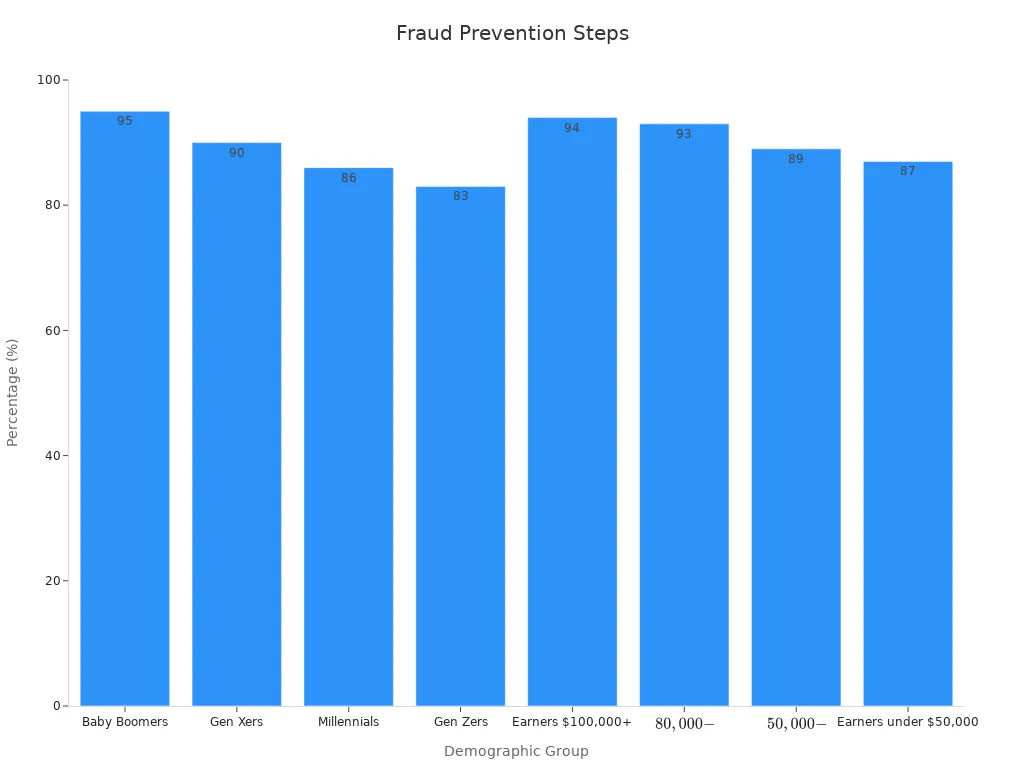
Steps to Unfreeze a Bank Account
If your bank account gets frozen, don’t panic. Taking the right steps can help you regain access quickly and minimize disruptions. Here’s what you should do:
Contact Your Bank Immediately
The first thing you need to do is reach out to your bank. Acting fast can prevent further complications, especially if fraud is involved. Check your account for any unauthorized activity and report it to the bank’s fraud department. If you suspect identity theft, file a complaint with the Federal Trade Commission (FTC) and consider freezing your credit with major bureaus. Updating your passwords and enabling multi-factor authentication can also secure your accounts.
Understand the Reason for the Freeze
Knowing why your account was frozen is key to resolving the issue. Ask your bank for details about the freeze. Gather information like your account number and recent transactions to make communication smoother. Sometimes, banks place holds due to suspicious activity, unpaid debts, or legal orders. Request documentation or clarification to understand the specific type of hold and the steps required to lift it.
Provide Necessary Documentation
Once you know the reason, provide the documents your bank needs. For flagged transactions, submit contracts, invoices, or explanations to clarify the situation. Identification documents, like a driver’s license or passport, can confirm your identity and ownership of the account. Following the bank’s instructions and cooperating fully increases the chances of resolving the issue quickly.
Resolve Outstanding Debts or Legal Issues
If unpaid debts or legal disputes caused the freeze, address them promptly. Work with creditors to set up a payment plan or resolve court orders. Showing good faith in resolving these issues can help unfreeze your bank account faster. For tax-related freezes, contact the IRS to discuss payment options.
Seek Legal or Financial Advice if Needed
Sometimes, unfreezing an account requires professional help. A lawyer or financial advisor can guide you through complex situations, like illegal freezes or disputes with creditors. They can also help you understand your rights and prepare a strong case to reactivate your account.
Additional Tips for Safeguarding Your Account
Set Up Alerts for Account Activity
Setting up account alerts is one of the easiest ways to stay ahead of potential issues. These alerts notify you about important activities, like large transactions or low balances. They act as your first line of defense against fraud or suspicious activity. For example, if someone tries to withdraw a large sum from your account, you’ll get an immediate notification.
-
Alerts help you respond quickly to unusual activity.
-
They ensure you’re aware of changes in your account balance.
Use Strong Passwords and Two-Factor Authentication
Your password is like the key to your financial home. Weak passwords, like "1234" or "password," make it easy for hackers to break in. Choose a strong password with a mix of letters, numbers, and symbols. Adding two-factor authentication (2FA) makes your account even safer.
-
2FA requires a second step, like a code sent to your phone, before granting access.
-
The Federal Trade Commission compares 2FA to using two locks on a door—it’s an extra layer of protection.
While 2FA isn’t foolproof, it significantly reduces the chances of unauthorized access.
Keep Contact Information Updated
Imagine your bank trying to warn you about suspicious activity, but they can’t reach you because your contact details are outdated. Keeping your phone number and email address current ensures you’ll get urgent messages when needed.
-
Updated contact information helps banks alert you to potential fraud.
-
It also makes resolving issues faster since they can reach you directly.
Work with a Financial Advisor for Complex Situations
Sometimes, managing your finances feels overwhelming, especially during major life changes like marriage or retirement. A financial advisor can guide you through these transitions and help you safeguard your accounts. They can also assist with setting up tools like a financial power of attorney, which ensures someone you trust can manage your accounts if you’re unable to.
-
Advisors help align your financial strategies with your goals.
-
They provide confidence to invest wisely, improving long-term outcomes.
If you’re dealing with complex situations, don’t hesitate to seek expert advice. It’s an investment in your financial security.
Keeping your bank account accessible starts with simple steps. Monitor your transactions, maintain clear records, and use tools like trusts or beneficiaries.
-
Align your deposits with disclosures for transparency.
-
Tailor responses to specific situations instead of blanket freezes.
-
Opt for lesser restraints, like item-level holds, when possible.
Take action today. These strategies protect your finances and bring peace of mind.
FAQ
What should I do if I suspect fraud on my account?
Contact your bank immediately. Report the suspicious activity and request a freeze if necessary. Update your passwords and enable two-factor authentication for added security.
Can I unfreeze my account without paying off debts?
Yes, in some cases. Work with creditors to negotiate a payment plan. Showing good faith can sometimes lead to partial or temporary account access.
How long does it take to unfreeze a bank account?
It depends on the reason. Fraud investigations may take days, while resolving legal or debt issues could take weeks. Acting quickly speeds up the process.
Related content