
Why Tax Payment Certificates Are Essential for Compliance
Author:XTransfer2025.05.28Tax Payment Certificate
Paying taxes is one of your most important financial responsibilities. A tax payment certificate serves as proof that you’ve met your obligations. This document shields you from risks like penalties or audits. It also ensures your compliance with tax regulations. When you have this certificate, you can confidently show that your tax payments are accurate and complete. Whether you’re running a business or managing personal finances, maintaining this record strengthens your financial stability.
What Is a Tax Payment Certificate?

Definition and Purpose
A tax payment certificate is an official document that confirms you have fulfilled your tax obligations. It serves as proof that your tax payments are accurate and complete. This certificate plays a vital role in ensuring compliance with tax regulations. For businesses, it establishes credibility and transparency, while for individuals, it provides peace of mind.
Tax payment certificates also help you avoid legal risks and penalties. For example, a tax registration certificate confirms your business is registered for tax purposes. It ensures you meet regulatory requirements and maintain proper records. Without this document, you may face challenges in claiming tax benefits or exemptions.
Types of Tax Payment Certificates
Tax payment certificates come in different forms, depending on your needs. Here are some common types:
-
Tax Status Certificates: These provide information about your current tax status, including whether your payments are up to date.
-
Tax Exemption Certificates: These exempt you from paying tax on certain products or assets, especially if they are resold.
-
Tax Registration Certificates: These confirm your business is registered for tax purposes and complies with regulations.
These certificates are essential for maintaining transparency and avoiding legal complications.
Who Issues Tax Payment Certificates?
Tax payment certificates are issued by government agencies responsible for tax collection and enforcement. In the United States, the Internal Revenue Service (IRS) handles federal tax matters. If you operate in California, the California Department of Tax and Fee Administration (CDTFA) manages tax records and public access.
These agencies ensure that tax payment certificates are accurate and reliable. By obtaining your certificate from the appropriate authority, you can confidently demonstrate compliance with tax laws.
Why Tax Payment Certificates Are Crucial for Compliance
Ensuring Legal and Regulatory Compliance
Tax payment certificates play a key role in keeping you compliant with tax laws. These documents confirm that your tax obligations are met, reducing the risk of penalties or audits. When you have a tax payment certificate, you can demonstrate that your payments align with legal requirements. This is especially important for businesses, as tax authorities often conduct reviews to ensure compliance.
For example, tax status certificates provide a snapshot of your current tax standing. They show whether your payments are up to date and whether you meet all legal obligations. Without these certificates, you may face challenges during audits or when applying for tax benefits.
Financial Benefits for Businesses and Individuals
Tax payment certificates offer financial advantages that go beyond compliance. For businesses, these certificates help you claim tax benefits and exemptions. A tax exemption certificate, for instance, allows you to avoid paying tax on certain products or assets that are resold. This reduces your overall tax burden and improves cash flow.
Individuals also benefit from tax payment certificates. If you qualify for tax-exempt status, you can save money on eligible purchases or investments. For example, a sales tax exemption certificate lets you avoid paying sales tax on items used for resale. These savings can add up over time, helping you manage your finances more effectively.
By keeping accurate records of your tax payment certificates, you can maximize these financial benefits. This ensures you take full advantage of the exemptions and credits available to you.
Role in Building Trust with Stakeholders
Tax payment certificates enhance your credibility with stakeholders. Whether you’re running a business or managing personal finances, these documents show that you meet your tax obligations. This builds trust with customers, investors, and partners.
For businesses, transparency in tax matters is crucial. Stakeholders want to know that your company operates ethically and complies with regulations. Tax payment certificates provide the proof they need. This can strengthen relationships and improve your reputation in the market.
Even for individuals, tax payment certificates can be valuable. If you’re applying for loans or financial assistance, these documents demonstrate your financial responsibility. They show lenders that you manage your tax obligations effectively, increasing your chances of approval.
Risks of Neglecting a Tax Payment Certificate
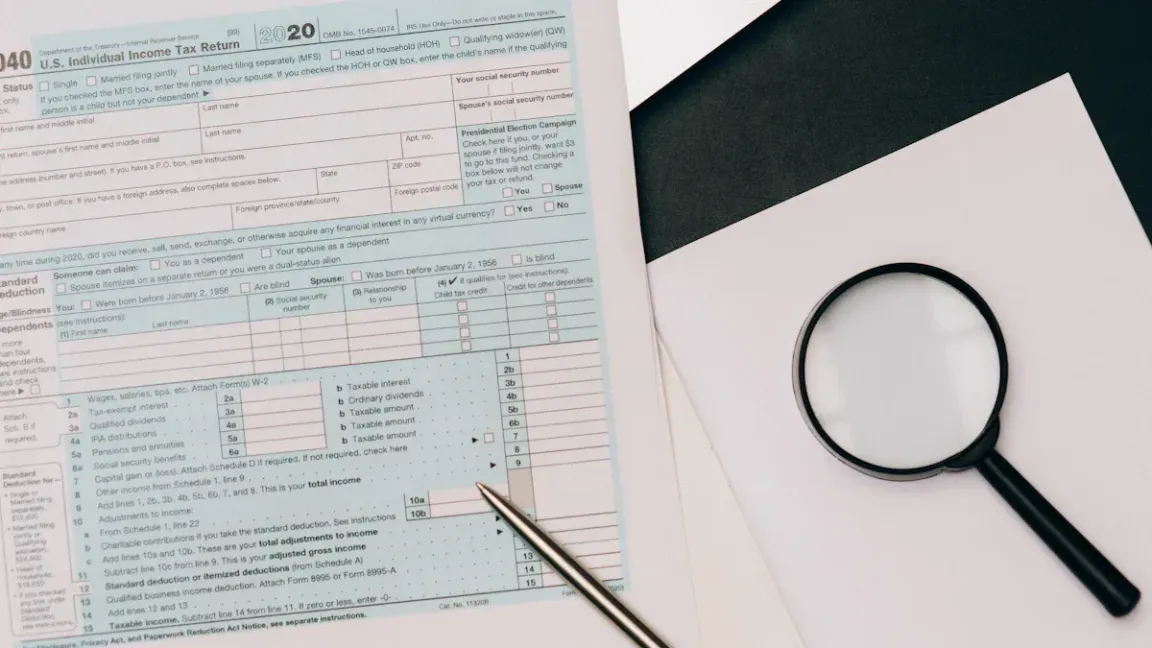
Failing to secure a tax payment certificate can lead to significant consequences. These risks extend beyond financial penalties, affecting your legal standing and business reputation. Understanding these dangers helps you avoid costly mistakes and maintain compliance.
Financial Penalties and Fines
Neglecting a tax payment certificate exposes you to severe financial penalties. Tax authorities impose fines to ensure compliance and discourage negligence. For instance, businesses that fail to collect or pay taxes face penalties under various sections of tax law. These penalties can escalate quickly, impacting your financial stability.
These penalties highlight the importance of maintaining proper documentation. A tax payment certificate serves as proof of compliance, protecting you from such financial burdens. Without it, you risk losing money that could otherwise support your business or personal goals.
Legal Repercussions and Audits
Ignoring a tax payment certificate increases your chances of facing legal challenges. Tax authorities may initiate audits to investigate discrepancies in your tax records. These audits can uncover unpaid taxes, leading to further legal action. In some cases, you might face criminal charges for tax evasion or fraud.
For example, failing to provide a tax exemption certificate during an audit could result in back taxes and additional fines. Tax authorities view this as a serious offense, as it undermines the integrity of the tax system. By keeping your certificates up to date, you reduce the likelihood of legal scrutiny and ensure smooth interactions with tax officials.
Negative Impact on Business Operations and Reputation
The absence of a tax payment certificate can harm your business operations and reputation. Customers, investors, and partners expect transparency in financial matters. When you fail to meet tax obligations, it raises doubts about your credibility and ethical practices.
For businesses, this loss of trust can result in reduced sales and strained relationships with stakeholders. For individuals, it may affect your ability to secure loans or financial assistance. A sales tax exemption certificate, for instance, demonstrates your eligibility for tax-exempt status. Without it, you might lose valuable opportunities to save money and grow your finances.
Maintaining proper tax documentation not only ensures compliance but also strengthens your reputation. It shows that you take your responsibilities seriously, fostering confidence among those who rely on you.
How to Obtain and Manage a Tax Payment Certificate
Steps to Apply for a Tax Payment Certificate
Obtaining a tax payment certificate involves a straightforward process. Start by identifying the specific type of certificate you need, such as a sales tax exemption certificate or a tax status certificate. Visit the official website of your local tax authority or agency, such as the IRS or your state’s tax department. Download the appropriate application form and review the instructions carefully.
Complete the form with accurate details, including your tax identification number, business information, and any supporting documents. Double-check for errors before submission. Submit the application online or via mail, depending on the agency’s requirements. After submission, monitor your application status and respond promptly to any additional requests from the tax authority. Once approved, store the certificate securely for future use.
Best Practices for Maintaining Certificates
Proper management of tax payment certificates ensures continuous compliance and avoids unnecessary complications. Follow these best practices to stay organized:
-
Obtain the correct certificate early during customer onboarding to prevent delays.
-
Ensure all forms are fully completed with accurate signatures and details.
-
Communicate with customers about the importance of submitting tax exemption certificates to maintain their tax-exempt status.
-
Catalog and index certificates promptly for easy retrieval, especially for audits or expiring exemptions.
-
Store certificates in the correct format and location based on jurisdictional requirements.
-
Notify customers about expired or insufficient certificates to avoid compliance issues.
-
Use robust data management practices to connect certificates with order and billing information.
-
Provide access to certificate management systems for relevant business units to ensure accuracy.
By following these steps, you can maintain compliance and avoid disruptions in your operations.
Tools and Resources for Tracking Compliance
Technology plays a crucial role in managing tax payment certificates efficiently. Several tools can help you streamline compliance processes and reduce errors. Here are some recommended options:
These tools simplify the management of certificates, ensuring you meet all tax obligations. They also help you track your tax-exempt status and maintain accurate records for audits or reviews.
Tax payment certificates are essential for maintaining compliance and ensuring financial stability. They protect you from penalties and legal issues while safeguarding your reputation. By managing these certificates properly, you can avoid disruptions and focus on achieving your goals. If you qualify for a tax-exempt status, these documents help you maximize savings and streamline operations. Staying proactive with your tax documentation ensures peace of mind and smooth business processes.
FAQ
What is the purpose of a tax payment certificate?
A tax payment certificate proves you’ve met your tax obligations. It helps you avoid penalties, legal issues, and audits. For businesses, it builds credibility and ensures compliance with tax regulations.
Who needs a tax payment certificate?
Both individuals and businesses benefit from tax payment certificates. You need them to claim exemptions, demonstrate compliance, and maintain accurate financial records.
How often should you update your tax payment certificate?
You should update your tax payment certificate whenever your tax status changes or when required by tax authorities. Regular updates ensure compliance and prevent disruptions during audits.
Can technology help manage tax payment certificates?
Yes, software tools simplify certificate management. They automate compliance tracking, organize records, and reduce errors. Using technology saves time and ensures accuracy.
What happens if you lose your tax payment certificate?
Losing your certificate can lead to compliance issues. Contact the issuing authority immediately to request a replacement. Keep digital backups to avoid future problems.
Related content