
What Makes International Transfers Cost-Effective?
Author:XTransfer2025.08.22International Transfers
When sending money across borders, every dollar counts. You save more when fees are low, exchange rates are competitive, and hidden charges are avoided. A reduction of just 5 percentage points in remittance costs could increase global remittances to developing countries by over $16 billion annually. Platforms like XTransfer make international money transfer simple and cost-effective. They offer competitive exchange rates, process payments in local currencies, and support over 20 currencies. By eliminating inefficiencies and using automated systems, XTransfer helps you save money while making international transfers fast and reliable.
Understanding the Costs of International Transfers
When you send money across borders, understanding the costs involved can help you make smarter decisions. International transfers come with various fees, exchange rate impacts, and sometimes hidden charges. Let’s break these down so you can save more on your transactions.
Types of Fees in International Transfers
Every international money transfer comes with fees, but not all fees are created equal. Some are straightforward, while others can sneak up on you.
|
Fee Type |
Description |
|
Flat Fees |
Charged per transaction, regardless of the transfer amount. |
|
Variable Fees |
Depend on the amount being sent or the method used for funding the transfer. |
|
Exchange Rate Margins |
Added margin to the exchange rate offered, affecting the total cost. |
|
Additional Charges |
Fees for using credit cards, receiving money through certain methods, or extra services like expedited transfers. |
Flat fees are predictable, which makes them easier to plan for. Variable fees, however, can fluctuate based on how much you’re sending or the payment options you choose. Exchange rate margins are often overlooked but can significantly increase transfer fees. If you’re using a credit card or opting for faster delivery, expect additional charges.
To avoid surprises, look for a money transfer service with a transparent fee structure. This ensures you know exactly what you’re paying upfront.
The Role of Exchange Rates in International Money Transfer
Exchange rates play a huge role in determining the final cost of your transfer. They’re not just numbers; they directly impact how much money the recipient gets.
-
Different exchange rate systems—fixed, floating, and managed flotation—affect how currency values are determined.
-
Banks often add hidden markups to exchange rates, charging margins up to 5% over interbank rates.
-
Interbank rates represent the pure value of currency exchanges without bank margins, making them the most favorable for consumers.
-
International transfer fees typically range from 3-4% of the transfer amount, and exchange rate margins can add to this cost.
Some money transfer apps, like Wise, offer the mid-market exchange rate, which is free of hidden markups. This can save you a lot compared to traditional banks. The World Bank’s remittance prices website also highlights how exchange rates vary across 367 country corridors, showing the importance of choosing competitive exchange rates.
If you want to maximize savings, look for platforms that offer fair rates and avoid unnecessary markups.
Identifying Hidden Costs When Sending Money Internationally
Hidden costs can turn a seemingly cheap transfer into an expensive one. These charges often hide in plain sight, making it crucial to know what to watch for.
Here are some common hidden costs:
-
Exchange rate markups: Banks and some providers inflate exchange rates, adding extra costs to your transfer.
-
Payment method fees: Using a credit card or certain payment options can lead to higher fees.
-
Receiving fees: Some banks charge recipients for receiving international transfers.
-
Expedited transfer fees: Faster delivery often comes at a premium.
To avoid these pitfalls, compare providers and choose one that offers a transparent fee structure. Money transfer apps often excel in this area, providing clear details about fees and payment options.
By understanding these hidden costs, you can make informed decisions and avoid paying more than necessary when sending money internationally.
Affordable Methods for Sending Money Internationally
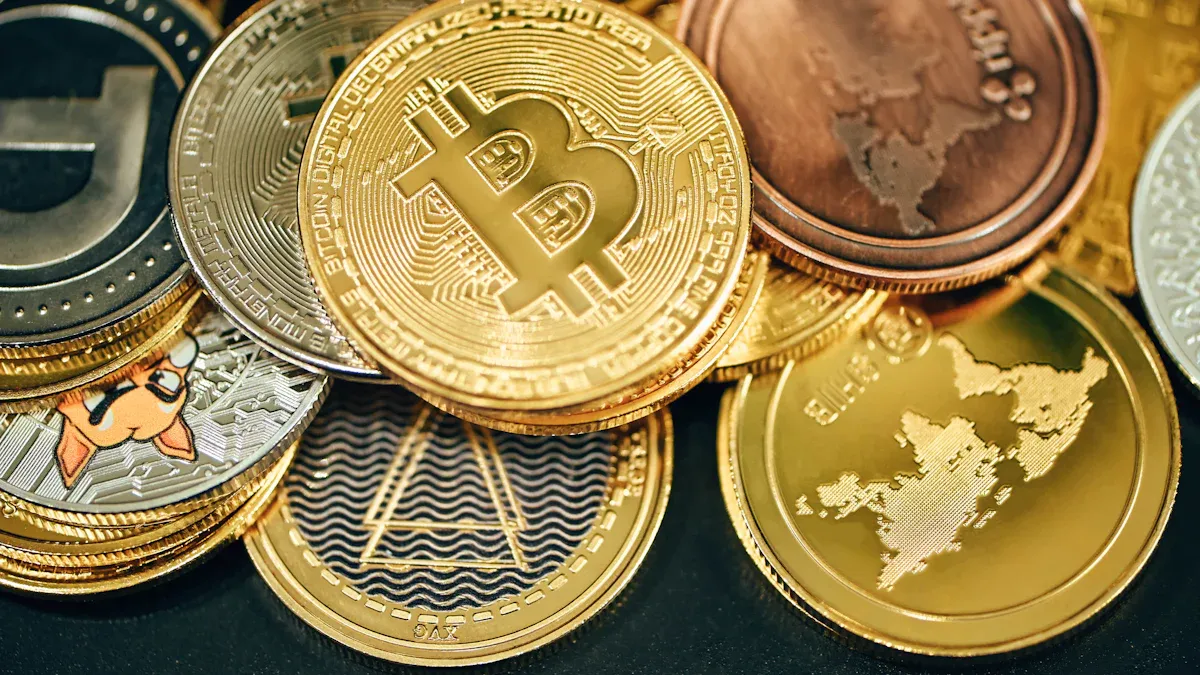
When it comes to sending money internationally, finding affordable and efficient methods can save you a lot of time and money. Let’s explore some of the best ways to make global money transfers cost-effective.
Benefits of Using Online Money Transfer Apps
Online money transfer apps have revolutionized how you send money across borders. They’re fast, reliable, and often much cheaper than traditional bank transfers. Here’s why they’re so popular:
-
Lower fees: Many money transfer apps, like Remitly and OFX, charge flat fees, making them ideal for larger transactions.
-
Transparent pricing: Apps like Wise use a transparent fee structure, starting at just 0.43%. They also offer mid-market exchange rates with no hidden markups.
-
Special perks: Some apps, such as Revolut, provide fee-free transfers with premium plans, along with discounts that help you save even more.
-
Convenience: You can send money anytime, anywhere, using just your smartphone.
How Peer-to-Peer Transfers Reduce Costs
Peer-to-peer (P2P) transfers are another great way to save money when sending funds internationally. These platforms connect you directly with other users, cutting out the middleman and reducing costs. Here’s how they work:
-
You set the amount you want to send and the currency you need.
-
The platform matches you with someone looking to exchange the opposite currency.
-
The transfer happens at a rate close to the mid-market exchange rate, minimizing extra charges.
P2P platforms often have lower transfer fees compared to traditional methods. They also offer flexible payment options, making them a favorite for many users. If you’re tired of paying high fees, P2P transfers might be the solution you’ve been searching for.
Comparing Bank Transfers and Money Transfer Apps
Bank transfers have been the go-to method for international money transfer for decades. However, they often come with higher fees and slower transfer speeds compared to money transfer apps. Let’s break it down:
|
Feature |
Bank Transfers |
Money Transfer Apps |
|
Fees |
Higher, often include hidden costs |
Lower, with transparent pricing |
|
Exchange Rates |
Markups added to rates |
Mid-market rates offered |
|
Transfer Speed |
Slower, can take days |
Fast transfers, often instant |
|
Convenience |
Requires visiting a branch |
Done online or via an app |
While banks may still be useful for very large transfers or specific needs, money transfer apps are generally more cost-effective and user-friendly. They combine speed, affordability, and flexibility, making them a better choice for most people.
Tips for Minimizing Costs in International Transfers
Timing Your International Money Transfer
Timing plays a big role in saving money during international money transfers. Exchange rates fluctuate daily, and rushing a transfer can lead to higher costs. Planning ahead gives you the flexibility to wait for favorable rates and avoid unnecessary rush fees.
Here are some tips to help you time your transfers better:
-
Monitor exchange rate trends to identify the best time to send money.
-
Avoid peak periods when rates are less favorable.
-
Plan transfers in advance to skip expedited service fees.
By staying informed and patient, you can make smarter decisions and reduce transfer fees.
Comparing Providers for the Best Rates
Not all providers offer the same rates or fees. Comparing options is one of the easiest ways to save money. Some providers add significant markups to exchange rates, while others offer rates closer to the midmarket value.
To find the best deal, consider these steps:
-
Check the midmarket rate to understand the current market value.
-
Compare fees and exchange rates across multiple providers.
-
Look for providers with transparent pricing and minimal markups.
-
Regularly monitor rates to catch favorable fluctuations.
Money transfer apps often provide competitive exchange rates and clear fee structures, making them a great choice. Evaluating your options ensures you get the most value for your money.
Avoiding Unnecessary Fees When Sending Money Internationally
Hidden fees can quickly add up, making your transfer more expensive than expected. To avoid these costs, it’s important to understand the fee structure of your chosen money transfer service.
Here’s how you can minimize unnecessary expenses:
-
Compare fees and exchange rates between providers to find the most affordable option.
-
Choose a service that matches the recipient’s needs to avoid extra charges.
-
Understand the costs tied to different payment options, such as credit card fees or expedited transfers.
By selecting the right provider and payment method, you can keep your transfer fees low and ensure a cost-effective transaction.
Making international money transfer cost-effective doesn’t have to be complicated. Focus on reducing fees, securing great exchange rates, and picking reliable methods with fast transfer speed. Platforms like XTransfer simplify sending money abroad by connecting you with trusted financial institutions. Their online remittance service ensures cheap international money transfers without hidden costs. Whether you’re handling international payments for business or personal needs, XTransfer offers a seamless solution. By choosing the right provider, you can enjoy cost-effective international transfers that save you time and money.
FAQ
What is the cheapest way to send money internationally?
Online money transfer apps often offer the lowest fees and competitive exchange rates. Apps like Wise and XTransfer provide transparent pricing and mid-market rates, helping you save money.
How can I avoid hidden fees when transferring money abroad?
Look for providers with clear fee structures. Compare exchange rates and payment options. Avoid credit card payments and expedited transfers, as they often come with extra charges.
Are bank transfers better than money transfer apps?
Banks usually charge higher fees and add markups to exchange rates. Money transfer apps are faster, cheaper, and more convenient. They’re ideal for most international transfers.
Do exchange rates change daily?
Yes, exchange rates fluctuate based on market conditions. Monitoring trends can help you find the best time to send money and save on costs.
Can I send money internationally without a bank account?
Absolutely! Many money transfer apps let you send funds using your debit card or other payment methods. You don’t need a bank account to make international transfers.
Related content