
What Is Settle in Global Payment for Businesses
Author:XTransfer2025.12.04settle in global payment for businesses
When businesses exchange goods and services across borders, they rely on a process called "settle in global payment" to finalize transactions. This involves reconciling payment details and ensuring funds reach the intended recipient securely. Why does this matter? Global markets thrive on trust and efficiency, and quick payment settlements keep operations running smoothly.
For small and medium-sized enterprises (SMEs), navigating international payments can feel overwhelming. XTransfer steps in to simplify this process. With multi-currency accounts, instant transfers, and AI-driven compliance, you can handle cross-border payments with ease. XTransfer serves over 600,000 SMEs globally, proving its reliability in making international transactions seamless.
Understanding the Payment Settlement Process
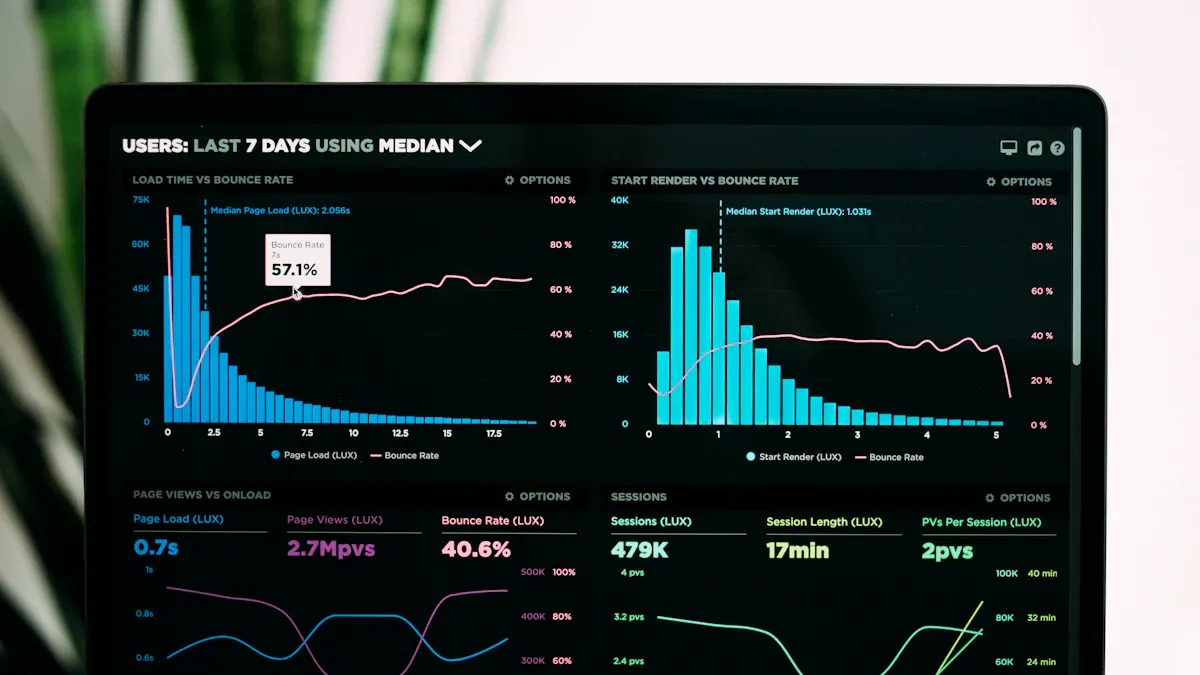
What Does 'Settle in Global Payment' Mean?
When you hear the term "settle in global payment," it refers to the process of finalizing a transaction between two parties across borders. This involves transferring money from the payer’s account to the payee’s account, ensuring both sides receive the correct amounts. It’s like tying up loose ends after a deal, making sure everything is in order.
The global payment settlement market is massive, valued at over $1 trillion in 2023. This highlights how essential this process is for businesses worldwide. With the rise of cashless transactions and fast payment systems, settling payments has become quicker and more efficient. For example, cashless transactions per person increased from 91 to 135 between 2017 and 2020, with low- and middle-income countries seeing the most growth. These advancements make it easier for you to manage international transactions without delays.
Key Players in the Payment Settlement Process
The payment settlement process involves several key players working together to ensure smooth transactions. Here’s a quick breakdown of who’s involved:
-
Banks and Financial Institutions: They act as intermediaries, transferring funds between accounts. Major players like JPMorgan Chase, Deutsche Bank, and Barclays play a significant role in global settlements.
-
Payment Processors: Companies like PayPal, Stripe, and Adyen handle the technical side of processing payments, ensuring transactions are secure and efficient.
-
Central Banks: They oversee the monetary system and ensure compliance with regulations.
-
Technology Providers: Platforms like XTransfer simplify the process for businesses by offering multi-currency accounts, instant transfers, and AI-driven compliance.
Interestingly, the correspondent banking system has been a cornerstone of international payments since the late 1800s. However, inefficiencies like exchange rate volatility and delays have led to a decline in these relationships. Today, modern solutions like XTransfer address these challenges, making the process faster and more reliable.
How Long Does a Transaction Take to Settle?
You might wonder, how long does a transaction take to settle? The answer depends on several factors, including the payment method, the countries involved, and the financial institutions processing the payment. Generally, settlements can take anywhere from a few seconds to several days.
Fast payment systems have revolutionized this timeline. Currently, 61% of countries have operational fast payment systems, and 27 more plan to implement them within three years. These systems enable near-instant settlements, reducing the waiting time significantly. For example, XTransfer offers instant transfers, ensuring your funds reach their destination quickly and securely.
However, traditional methods like wire transfers may still take a few days due to clearing periods and time zone differences. Understanding these timelines helps you plan your cash flow better and avoid unnecessary delays.
How the Payment Settlement Process Works
Step-by-Step Overview of the Process
Understanding how the payment settlement process works can help you manage transactions more effectively. Here’s a step-by-step breakdown of what happens when you make or receive a payment:
-
Initiation: A customer starts the process by entering their payment details on your website or platform. This triggers a payment request.
-
Authentication: The payment gateway encrypts the customer’s data and checks for fraud. It then sends the information to the acquirer and card schemes for further risk analysis.
-
Authorization: The issuing bank verifies the cardholder’s details, checks if there are enough funds, and confirms the card’s legitimacy. If everything checks out, the transaction gets approved, but the funds aren’t transferred yet.
-
Clearing: The transaction details go through reverse verification to ensure accuracy. This step involves the card schemes and issuing bank.
-
Settlement: Finally, the card schemes debit the issuing bank and credit the acquiring bank, deducting fees as agreed. The acquiring bank then transfers the funds to your account based on your agreement with the payment service provider.
This process might seem complex, but platforms like XTransfer simplify it for you. By automating many of these steps, XTransfer ensures your transactions are fast, secure, and hassle-free.
Types of Settlement Methods
When it comes to settling payments, you have several options. Each method offers unique benefits depending on your business needs. Here are some common settlement methods:
-
Real-Time Gross Settlement (RTGS): This method processes payments instantly, making it ideal for high-value transactions. Real-time settlement minimizes risks and ensures reliability.
-
Net Settlement: Payments are grouped and settled at specific intervals, reducing the number of individual transactions. This method is efficient for businesses handling large volumes of payments.
-
Instant Transfers: These are perfect for quick, small-scale transactions. They enhance speed and efficiency, reducing settlement risks.
-
Traditional Wire Transfers: While slower, wire transfers remain a reliable option for international payments. They provide clear audit trails, ensuring transparency.
Choosing the right method depends on your priorities—whether it’s speed, cost, or reliability. XTransfer’s multi-currency accounts and instant transfer capabilities make it easier for you to pick the method that suits your business best.
Timing Cycles and Clearing Periods
Timing cycles and clearing periods play a crucial role in the payment settlement process. They determine how quickly funds move from one account to another. Here’s a quick look at the different timings and cycles of settlement periods:
|
Timing Cycle |
Description |
|---|---|
|
T+2 |
Settlement occurs two business days after the trade date. This is common for securities transactions. |
|
T+1 |
Settlement happens one business day after the trade date, offering a faster cycle. |
|
Real-time |
Funds are settled immediately upon transaction completion, ensuring instant availability. |
Real-time settlement is becoming increasingly popular, especially for businesses that need quick access to funds. Systems like RTGS ensure payments are processed instantly, reducing risks associated with delays. On the other hand, T+2 and T+1 cycles are still widely used for certain types of transactions, such as securities trading.
Platforms like XTransfer leverage advanced technology to optimize timing cycles, ensuring your payments are processed efficiently. Whether you need instant transfers or prefer traditional methods, XTransfer helps you navigate these cycles with ease.
Benefits of Settling in Global Payment
Improved Cash Flow and Liquidity
Settling payments efficiently keeps your cash flow steady. When funds transfer quickly, you can access your money sooner, making it easier to cover expenses or invest in growth opportunities. Imagine running a business where payments arrive late—your operations could stall, and you might struggle to pay suppliers or employees. By optimizing the merchant settlement process, you reduce delays and ensure liquidity remains strong.
Platforms like XTransfer simplify this process by offering instant fund transfers and multi-currency accounts. These tools help you manage transactions across borders without worrying about exchange rate fluctuations or lengthy clearing periods. Whether you're handling credit card payment settlement or wire transfers, faster settlements mean fewer headaches and more time to focus on growing your business.
Strengthened Business Relationships
Timely payment settlement builds trust with your partners. When your vendors, suppliers, or customers know they’ll receive payments on time, they’re more likely to continue working with you. Strong relationships lead to better deals, smoother collaborations, and long-term partnerships.
Here are some real-world examples of how effective payment settlement strengthens relationships:
-
A service-based company introduced flexible payment options like installment plans, improving compliance and enhancing customer loyalty.
-
A software company used regular follow-ups to improve communication, leading to better payment compliance and stronger customer connections.
-
Retailer C automated their vendor reconciliation process, speeding up settlements and fostering better relationships with suppliers.
By adopting tools like XTransfer, you can streamline your merchant settlement process and show your partners that you value their time and trust.
Reduced Risk of Payment Disputes
Disputes over payments can harm your business relationships and waste valuable time. When transactions are settled accurately and promptly, you minimize the chances of errors or misunderstandings. For example, a delayed credit card payment settlement might lead to confusion about whether the funds were received. Clear and efficient processes eliminate these risks.
Using advanced technology, XTransfer ensures every transaction is secure and compliant. Its AI-driven compliance system monitors payments for potential issues, reducing the likelihood of disputes. Whether you're dealing with international fund transfers or local transactions, a reliable payment settlement process keeps your operations smooth and dispute-free.
Challenges and Compliance in Global Payment Settlement
Common Challenges Businesses Face
Handling global payment settlements comes with its fair share of challenges. One of the most significant issues is settlement risk. This occurs when one party fulfills its obligation, but the other fails to do so. For example, cross-currency payments often involve systemic risks, as banks may underestimate their exposure. This can lead to delays or even failed transactions, disrupting your business operations.
Another challenge is navigating the complexities of international regulations. Each country has its own compliance requirements, making it difficult to ensure every transaction meets the necessary standards. For instance, SWIFT wire transfers, while essential for international payments, carry risks like money laundering and sanctions violations. Without proper monitoring, these risks can escalate quickly.
Fraud prevention is another critical concern. Cybercriminals constantly evolve their tactics, targeting businesses with phishing scams and fraudulent transactions. Protecting your funds and ensuring secure transactions requires robust systems and constant vigilance.
Regulatory and Compliance Requirements
Compliance considerations around payment settlements are crucial for businesses operating globally. Different regions enforce unique regulations to safeguard financial systems and consumer rights. Here’s a quick overview of some key compliance requirements:
|
Regulation |
Region |
Key Requirements |
Penalties for Non-Compliance |
|---|---|---|---|
|
GDPR |
EU |
Data minimization, Consent |
Up to €20 million or 4% of global turnover |
|
CCPA |
California, USA |
Consumer rights, Data disclosure |
$2,500-$7,500 per violation |
|
PSD2 |
EU |
Strong customer authentication |
Varies by country |
|
PIPEDA |
Canada |
Consent, Limited collection |
Up to CAD 100,000 per violation |
These regulations highlight the importance of adhering to compliance standards. For example, the Dodd-Frank Section 1073 provides guidance for international transactions, while the Canadian Payments Act ensures chartered banks meet compliance requirements. Staying informed about these rules helps you avoid penalties and maintain trust with your partners.
How XTransfer Ensures Secure and Compliant Transactions
XTransfer takes the guesswork out of compliance and security. Its AI-driven systems monitor transactions in real-time, detecting fraud and ensuring compliance with global regulations. By leveraging advanced technology, XTransfer simplifies the payment gateway settlement process, making it easier for you to focus on growing your business.
The platform also supports D/P (Documents against Payment) transactions, which require payment before buyers can claim goods. This method enhances security and builds trust between parties. Additionally, XTransfer partners with major banks to provide dynamic budget monitoring and fraud prevention, ensuring every transaction is protected.
With XTransfer, you can navigate the complexities of global payment settlements confidently. Its robust systems and compliance expertise ensure your transactions remain secure and efficient, giving you peace of mind.
Best Practices for Optimizing Global Payment Settlement
Leveraging Technology and Tools
Technology plays a huge role in making global payment settlement faster and more efficient. By using the right tools, you can streamline your processes and reduce risks. Virtual accounts, for example, let you manage cash flow across multiple currencies from one place. This simplifies local payments, maximizes liquidity, and lowers your exposure to risks.
Real-time payment solutions are another game-changer. They allow instant cross-border transactions with fewer friction points. Blockchain technology also stands out for its ability to make payments faster, cheaper, and more secure. Plus, access to real-time FX pricing through APIs gives you transparency and simplifies cross-currency transactions.
Here’s a quick look at how these technologies benefit your business:
|
Evidence Description |
Key Benefits |
|---|---|
|
Virtual accounts allow centralized management of cash flow across currencies. |
Maximizes liquidity, reduces risk exposure, and simplifies local payments. |
|
Real-time payments through global partnerships streamline cross-border transactions. |
Instant payments with minimal friction points. |
|
Blockchain technology enhances the efficiency of cross-border payments. |
Faster, cheaper, and more secure transactions. |
|
Access to real-time FX pricing via APIs simplifies cross-currency transactions. |
Increased transparency and global reach in FX offerings. |
By leveraging these tools, you can optimize your payment settlement process and stay ahead in the global market.
Building Strong Banking Relationships
Your relationships with banks can make or break your payment settlement process. Strong partnerships with financial institutions ensure smoother transactions and better support when issues arise. Banks often provide tailored solutions, like multi-rail payment approaches, to protect your revenue streams while offering innovative services.
Real-time payment solutions offered by banks can enhance your transaction banking and cash management. These services meet your expectations for speed and reliability. Over time, tactical adjustments in your banking relationships can evolve into strategic shifts that drive long-term growth.
|
Key Findings |
Description |
|---|---|
|
Multi-rail payments approach |
Banks should protect existing revenue streams while exploring innovative instant payment services enabled by open finance. |
|
Real-time payment solutions |
Payment service providers need to enhance corporate transaction banking and cash management services to meet expectations. |
|
Strategic shifts |
Tactical adjustments should evolve into larger strategic shifts for long-term growth in the payments industry. |
Building strong banking relationships isn’t just about transactions; it’s about creating a foundation for growth and trust.
Monitoring and Auditing Payment Processes
Monitoring and auditing your payment processes help you catch issues before they become problems. Real-time systems can detect anomalies and threats immediately, keeping your transactions secure. Encryption protocols and multi-factor authentication add extra layers of protection, ensuring your data stays safe.
Regular audits are equally important. They ensure compliance with regulations and provide detailed audit trails for accountability. KYC (Know Your Customer) and AML (Anti-Money Laundering) processes also play a big role in preventing fraud and ensuring secure transactions.
Here’s how monitoring and auditing benefit your payment settlement process:
|
Measure |
Description |
|---|---|
|
Encryption Protocols |
Strong encryption is used to secure data transmission against unauthorized access. |
|
Multi-Factor Authentication |
Access to the system requires multiple forms of verification to mitigate fraud risks. |
|
Continuous Monitoring |
Real-time systems are in place to detect anomalies and potential threats immediately. |
|
KYC (Know Your Customer) |
Strict identification and verification processes are enforced to comply with regulations. |
|
AML (Anti-Money Laundering) |
Transactions are monitored for suspicious activities to ensure compliance. |
|
Regular Audits |
Frequent audits are conducted to ensure adherence to regulatory standards. |
|
Detailed Audit Trails |
Every transaction is logged, providing a traceable record for accountability. |
|
Real-Time Reporting |
Financial institutions receive real-time updates, enhancing risk management capabilities. |
|
Stakeholder Confidence |
Transparency fosters trust among banks, regulators, and the public. |
By keeping a close eye on your payment processes, you can reduce risks, ensure compliance, and build trust with your partners.
Understanding and optimizing the payment settlement process is essential for your business's success. It ensures smooth transactions, accurate financial management, and valuable insights for decision-making. Take a look at how these aspects impact your operations:
|
Key Aspect |
Importance |
|---|---|
|
Cash Flow Impact |
Settlements are crucial for maintaining healthy cash flow and accurate financial reports. |
|
Transaction Completion |
Ensures safe and accurate transfer of funds, completing the transaction for both customers and merchants. |
|
Financial Management |
Settlement reconciliation is vital for accurate financial management and identifying discrepancies. |
|
Insights for Decision-Making |
Provides valuable insights into transaction trends, customer behavior, and overall business performance. |
XTransfer simplifies this process for you. With its multi-currency accounts, instant transfers, and AI-driven compliance, it makes settling in global payment seamless and secure. By adopting best practices and leveraging tools like XTransfer, you can ensure efficient and secure transactions while focusing on growing your business.
FAQ
What is the difference between clearing and settlement in payments?
Clearing ensures all payment details are accurate and verified before funds transfer. Settlement is the final step where money moves from the payer’s account to the payee’s. Think of clearing as the preparation and settlement as the execution.
How does XTransfer ensure secure global payments?
XTransfer uses AI-driven compliance and real-time monitoring to detect fraud and ensure regulatory adherence. Its partnerships with major banks and advanced encryption protocols keep your transactions safe and compliant.
Can I settle payments in multiple currencies with XTransfer?
Yes! XTransfer offers multi-currency accounts supporting over 20 currencies. You can manage cross-border payments seamlessly without worrying about exchange rate complexities.
Why do some transactions take longer to settle?
Delays often occur due to time zones, bank processing times, or regulatory checks. Using platforms like XTransfer with instant transfer capabilities can help you avoid these delays.
Is real-time settlement available for all transactions?
Not always. Real-time settlement depends on the payment method and the financial institutions involved. However, XTransfer supports instant transfers for many transactions, ensuring faster fund availability.
Related content