
What is Endorsement? Definition, Types, and Applications in International Trade
Author:XTransfer2026.01.09Endorsement
Endorsement Definition: The Legal Act Behind Cross-Border Payments
Endorsement is signing or amending a financial document to transfer payment rights, authorize fund transfers, or modify contract terms. In 2026's global trade environment, this signature determines whether your business can access funds from international buyers, discount bills of exchange at banks, or customize insurance coverage for overseas shipments.
The practical impact: When a European buyer sends you a bill of exchange, your endorsement converts that paper promise into immediate cash flow through your bank. When shipping high-value cargo, an insurance endorsement adds the specific coverage your business needs.
When Your Business Needs Endorsement in International Transactions
Every cross-border payment involving negotiable instruments requires proper endorsement. Chinese exporters receiving checks from US buyers must endorse them correctly to deposit funds. Importers in Europe who receive bills of exchange from Asian suppliers need endorsement to transfer payment rights to their banks for discounting.
Insurance endorsement applies differently. When your standard marine cargo policy doesn't cover specific risks—like political instability in the destination country or extreme weather conditions during peak season—you need an insurance endorsement. This written amendment modifies your existing policy without requiring a completely new contract.
The digital transformation of 2026 hasn't eliminated endorsement. Even with platforms like XTransfer streamlining cross-border payments through multi-currency accounts, the underlying legal principles of endorsement remain essential for compliance and fund security.
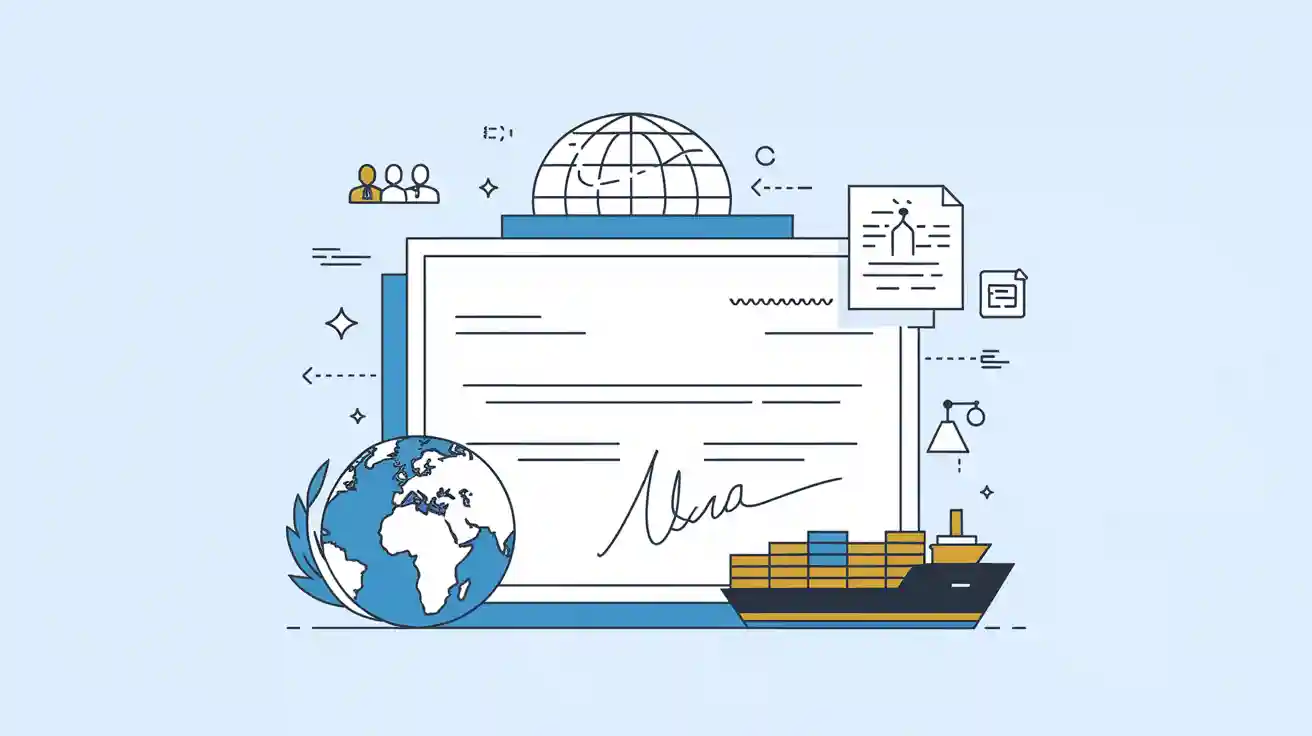
Understanding the Five Types of Endorsement
Blank Endorsement: Maximum Transferability, Maximum Risk
A blank endorsement is simply your signature on the back of a negotiable instrument. No additional instructions, no named recipient. This converts the document into a bearer instrument—whoever physically holds it can cash it.
When to use it: Quick transactions between trusted parties where convenience outweighs security concerns. The risk is clear: if someone steals a blank-endorsed check, they can deposit it into their own account.
Special Endorsement: Naming Your Recipient for Security
Special endorsement specifies exactly who can receive payment. You write "Pay to the order of [Company Name]" followed by your signature. This creates a clear transfer chain that's traceable and legally documented.
Business application: An exporter in Vietnam receives a bill of exchange from a German buyer. Instead of using blank endorsement, the exporter writes "Pay to the order of Vietcombank" and signs. Now only Vietcombank can process this instrument, protecting against theft or fraud during the transfer process.
Restrictive Endorsement: Limiting Use for Fraud Prevention
Restrictive endorsement adds conditions that limit how the instrument can be used. The most common example is "For deposit only" written above your signature. This means the check can only be deposited into a bank account, not cashed for currency.
Security value in 2026: With check fraud still costing businesses billions annually, restrictive endorsement provides a simple but effective protection layer. Even if your mail is intercepted, the thief cannot cash a restrictively endorsed check at a check-cashing service.
Qualified Endorsement: Transferring Rights Without Liability
Qualified endorsement includes phrases like "without recourse" to limit the endorser's liability. When you endorse a negotiable instrument this way, you're transferring payment rights but not guaranteeing that the original debtor will actually pay.
Practical scenario: A trading company receives promissory notes from multiple buyers and wants to transfer them to suppliers as payment. By using qualified endorsement, the trading company protects itself—if the original buyer defaults, the supplier cannot claim against the trading company.
Conditional Endorsement: Payment Depends on Specific Terms
Conditional endorsement makes the transfer valid only when certain conditions are met. For example, "Pay to ABC Company upon delivery confirmation" means the endorsement only becomes effective after delivery is verified.
Use in international trade: A manufacturer ships machinery to an overseas buyer and endorses the bill of exchange conditionally. Payment rights transfer to the logistics company only after they confirm successful delivery, creating built-in performance incentives.
Insurance Endorsement: Customizing Coverage for Global Shipments
Insurance endorsement operates differently from negotiable instrument endorsement. Here, endorsement means a written amendment that modifies your existing insurance policy without creating an entirely new contract.
Common scenarios in cross-border trade: Your standard marine cargo insurance covers general shipping risks, but your next shipment includes high-value electronics during typhoon season. An insurance endorsement adds specific weather-related coverage for this particular voyage. The endorsement attaches to your existing policy, adjusting premiums and coverage terms for this shipment only.
Marine insurance endorsements are particularly valuable for businesses that ship diverse products. A textile exporter might need standard coverage for cotton shipments but enhanced protection for designer fabrics. Rather than maintaining multiple full policies, endorsements provide flexible, cost-effective customization.
Compliance and Legal Framework in 2026
The Uniform Commercial Code governs endorsement practices in the United States, while international trade often references the Bills of Exchange Act in common law jurisdictions. Understanding these legal frameworks matters because improper endorsement can void payment rights or create unexpected liability.
Digital endorsement evolution: Electronic signatures and digital documentation are increasingly accepted in 2026, but the legal principles remain unchanged. Whether you sign physically or electronically, the endorsement must clearly indicate intent to transfer rights and must be legally authorized by someone with proper authority in your organization.
Anti-money laundering regulations have made proper endorsement documentation even more critical. Banks now scrutinize endorsement chains to verify the legitimacy of cross-border fund transfers. A missing endorsement or unclear transfer chain can trigger compliance reviews that delay payments by weeks.
Endorsement Risk Management for International Businesses
Protect blank-endorsed instruments like cash. If you must use blank endorsement for convenience, treat the document with the same security as physical currency. Store it in a safe, use registered mail for transfers, and minimize the time between endorsement and deposit.
Maintain endorsement records. Document every endorsement your business makes or receives. This creates an audit trail that proves legal transfer chains, supports dispute resolution, and satisfies regulatory requirements. In 2026's compliance environment, these records are your protection against fraud allegations or payment disputes.
Verify endorsement authority. Before accepting an endorsed instrument, confirm that the person who signed had legal authority to transfer rights. This is especially important in cross-border transactions where corporate structure and signature authority vary by jurisdiction.
Use restrictive endorsement as default. Unless there's a specific reason to use blank endorsement, restrictive endorsement should be your standard practice. The minor inconvenience of writing "For deposit only" is insignificant compared to the fraud protection it provides.
How Modern Payment Platforms Handle Endorsement
Digital payment platforms in 2026 haven't eliminated endorsement—they've digitized and automated it. When XTransfer processes a cross-border payment involving negotiable instruments, the platform manages endorsement verification, compliance checks, and transfer documentation electronically.
The advantage: Faster processing without sacrificing legal protection. Digital endorsement creates instantly verifiable records, reduces paperwork errors, and maintains full compliance with international banking standards. For businesses managing dozens of cross-border transactions monthly, this automation significantly reduces administrative burden.
However, understanding traditional endorsement principles remains essential. Digital platforms execute endorsement rules programmed into their systems. If you don't understand what blank versus restrictive endorsement means, you cannot configure your platform correctly or identify when automated processes make errors.
Endorsement in Letters of Credit and Documentary Collections
Letters of credit, one of the safest payment methods in international trade, rely heavily on proper endorsement. When an exporter presents documents to their bank under a letter of credit, bills of exchange must be correctly endorsed to transfer payment rights from the issuing bank to the exporter's bank.
Documentary collection process: An Indian exporter ships goods to a Canadian buyer using documentary collection. The exporter endorses the bill of exchange and hands it to their bank along with shipping documents. The bank sends everything to the buyer's bank in Canada, which releases documents only when the buyer pays or accepts the bill. Each transfer point requires proper endorsement to maintain legal validity.
Errors in this endorsement chain can delay payment or even result in non-payment. A bill of exchange endorsed to the wrong bank cannot be legally processed. An endorsement missing required information may be rejected by correspondent banks, sending documents back for correction while your shipment sits in foreign customs.
Regional Differences in Endorsement Practices
Endorsement requirements vary by country, creating complexity for businesses operating across multiple markets. In the United States, the Uniform Commercial Code provides standardized rules that most states follow. In the United Kingdom and Commonwealth countries, the Bills of Exchange Act 1882 still governs endorsement practices, though with modern amendments.
Asian markets present unique considerations. China's negotiable instrument law has specific endorsement requirements that differ from Western practices. Japan maintains strict formality in endorsement documentation. Singapore, as a major trade hub, follows common law principles but with strong emphasis on electronic documentation.
European Union harmonization: EU member states have increasingly aligned endorsement regulations, but differences remain. Germany requires specific language in endorsements that might not be necessary in France. These variations matter when your payment documents cross multiple jurisdictions before reaching the final paying bank.
Smart businesses work with banks and payment providers who understand these regional differences. A platform with global reach should handle endorsement compliance automatically, ensuring your documents meet requirements in every jurisdiction they touch.
Endorsement Fraud: Recognition and Prevention
Check washing, where criminals erase endorsement details and rewrite them, remains a threat in 2026 despite digital advancements. Fraudsters target businesses that receive paper checks from international clients, altering endorsements to redirect funds.
Warning signs: Checks with erasure marks or correction fluid on the endorsement area, endorsements in different ink or handwriting than the signature, or delays in processing that might indicate document alteration. If you notice these red flags, contact the issuing bank immediately rather than attempting to deposit the instrument.
Prevention strategies: Use gel ink for endorsements, which resists chemical washing better than ballpoint ink. Photograph or scan instruments immediately upon receipt, creating evidence of original endorsement details. Deploy restrictive endorsement universally—"For deposit only" prevents fraudsters from cashing altered checks even if they successfully modify other details.
Business email compromise scams increasingly target endorsement processes. Criminals impersonate company executives and instruct accounting staff to change endorsement procedures or redirect payments. Strong internal controls, including multi-person approval for endorsement policy changes, provide essential protection.
Frequently Asked Questions About Endorsement
Can I endorse a check made out to my company if I'm not the owner?
Only individuals with proper signing authority can endorse negotiable instruments on behalf of a company. This typically includes officers, owners, or employees specifically authorized in corporate resolutions. Unauthorized endorsement is invalid and can create legal liability.
What happens if I make a mistake while endorsing a document?
Minor errors like misspelled words can sometimes be corrected with a single line through the mistake, your initials, and the correct information nearby. Significant errors usually require obtaining a new instrument from the issuer rather than attempting corrections that banks might reject.
Do electronic signatures count as valid endorsement in international trade?
Yes, in jurisdictions that recognize electronic signatures under laws like the US ESIGN Act or EU eIDAS Regulation. However, some countries still require physical signatures for certain negotiable instruments, so verify requirements in your specific transaction jurisdictions.
How long does an endorsement remain valid?
The endorsement itself doesn't expire, but the underlying instrument often has time limits. Checks typically must be deposited within six months of issuance. Bills of exchange have validity periods specified in the document itself. Insurance endorsements remain effective for the policy period unless specifically limited.
Can an endorsement be cancelled or revoked?
Once a negotiable instrument is endorsed and transferred, the endorsement generally cannot be revoked because it creates rights in the recipient. Insurance endorsements can sometimes be cancelled by mutual agreement between insurer and policyholder, depending on policy terms.
What's the difference between endorsement and assignment?
Endorsement is the specific process used for negotiable instruments and involves signing the document itself. Assignment is a broader legal concept for transferring rights and typically requires a separate contract. Negotiable instruments transfer more cleanly through endorsement than through assignment.
Do I need a lawyer to create an insurance endorsement?
Insurance companies typically draft endorsement language based on your coverage requests. For standard additions like increased coverage limits or additional named insureds, no lawyer is needed. Complex endorsements involving unusual risks or significant modifications might benefit from legal review to ensure your interests are protected.
How does endorsement work with digital payment platforms?
Modern platforms manage endorsement electronically through secure signature systems that comply with commercial law requirements. The platform verifies your authority, captures your electronic signature, and maintains tamper-proof records that serve the same legal function as physical endorsement.
Ready to simplify your global trade payments? Discover XTransfer’s B2B cross-border payment solutions:https://www.xtransfer.com.
Related content