
What Are DBS Bank SWIFT Codes Explained Simply
Author:XTransfer2025.08.26DBS Bank
When you send or receive money internationally, DBS Bank SWIFT codes play a crucial role. These codes act as unique identifiers, ensuring that financial institutions can locate DBS Bank accurately during international transfers. Without this system, international money transfers could face delays or errors. Each code guarantees secure communication between banks, making your transactions more reliable. Understanding how these codes work helps you avoid mistakes and ensures a smooth process.
What Are SWIFT Codes?
Definition and Purpose
SWIFT codes, also known as SWIFT/BIC codes, are unique identifiers assigned to financial institutions worldwide. These codes play a critical role in international banking by ensuring accurate routing of payments to the correct banks. They enhance the security and integrity of financial transactions, reducing the risk of costly errors or delays.
The SWIFT network facilitates secure communication between banks, adhering to international standards. Each bank has a unique SWIFT code, which helps streamline cross-border payments. By using these codes, banks can avoid confusion and ensure that funds reach the intended recipient without complications.
How They Work
The SWIFT system is the largest financial messaging network, processing an average of 42 million messages daily. When you initiate an international payment, your bank generates a payment order using the recipient's SWIFT code. This order is securely transmitted over the SWIFT network to the recipient's bank.
If your bank does not have a direct relationship with the recipient's bank, intermediary banks step in to facilitate the transfer. At each stage, banks verify the payment details to ensure accuracy and compliance, preventing fraud. This process ensures that funds are sent securely and efficiently, even across borders.
Here’s how the process works:
-
You provide your bank with the recipient's details, including their SWIFT code.
-
Your bank creates a payment order following SWIFT standards.
-
The order is transmitted securely to the recipient's bank via the SWIFT network.
-
Intermediary banks may assist if necessary.
-
All banks involved review the details before completing the transfer.
Structure and Components
A SWIFT code consists of several components, each serving a specific purpose. These components ensure that the code is both unique and functional.
|
Block Type |
Description |
|
Basic Header Block |
Identifies the start of the Basic Header Block, includes application ID, session number, etc. |
|
Application Header Block |
Indicates the start of the Application Header Block, includes message type and recipient's BIC. |
|
User Header Block |
Indicates the start of the User Header Block, includes optional bank priority code and user reference. |
This structured format ensures that SWIFT messages are standardized, reducing confusion and misinterpretation. Each part of the code plays a vital role in facilitating secure and efficient communication between financial institutions.
DBS Bank SWIFT Codes
Unique Features
DBS Bank SWIFT codes stand out due to their precision and reliability in international banking. Each code acts as a unique identifier, ensuring that your transactions reach the correct destination without errors. These codes are designed to meet global standards, making them compatible with banks worldwide.
One of the unique features of DBS Bank SWIFT codes is their ability to streamline communication between financial institutions. This ensures that your payments are processed quickly and securely. Additionally, DBS Bank uses a centralized system for its SWIFT codes, which reduces the chances of misrouting funds.
Another key feature is the integration of branch-specific details into the SWIFT code structure. This allows you to send money directly to a specific branch of DBS Bank, ensuring accuracy in transactions. The combination of these features makes DBS Bank SWIFT codes a trusted tool for cross-border payments.
Branch-Specific Variations
DBS Bank operates across multiple locations, and each branch may have its own SWIFT code. These branch-specific variations help identify the exact branch involved in a transaction. For example, the main DBS Bank branch in Singapore uses the SWIFT code "DBSSSGSG." However, other branches may have slight variations in their codes to reflect their unique locations.
When sending money internationally, you must use the correct SWIFT code for the recipient's branch. This ensures that the funds are routed accurately. If you use a general SWIFT code instead of a branch-specific one, the transaction may still go through but could face delays.
To avoid confusion, DBS Bank provides clear guidelines on identifying the appropriate SWIFT code for each branch. This ensures that your transactions are processed efficiently, regardless of the recipient's location.
How to Find the Correct Code
Finding the correct SWIFT code for DBS Bank is essential for successful international transactions. You can locate this information through several reliable methods:
-
Bank Statements: Check the recipient's bank statement for the SWIFT code. It is often listed alongside other account details.
-
Online Banking Platforms: Log in to DBS Bank's online banking portal. The SWIFT code for your account or branch is usually displayed in the account details section.
-
Official Website: Visit the official DBS Bank website. They provide a list of SWIFT codes for their branches, ensuring you find the correct one.
-
Customer Support: Contact DBS Bank's customer service team. They can confirm the SWIFT code for the specific branch you need.
Here is a quick reference table to help you understand the details required for locating and verifying the correct SWIFT code:
|
Detail |
Information |
|
Bank Name |
DBS Bank LTD. |
|
SWIFT/BIC Code |
DBSSSGSG |
|
Bank Address |
DBS Asia Central MBFC Tower 3, 12 Marina Boulevard, Singapore 018982 |
|
Beneficiary Account Number |
Complete DBS Bank LTD. bank account number of the recipient (including leading zeros) |
|
Beneficiary Name |
The name on the recipient’s account as it appears on one of their bank statements |
Using these methods ensures that you always use the correct SWIFT code for your transactions. This minimizes errors and helps your payments reach the intended recipient without delays.
SWIFT Codes vs. Other Banking Codes
SWIFT vs. IBAN
SWIFT codes and IBANs serve distinct purposes in international banking. A SWIFT code identifies financial institutions globally, ensuring secure communication and accurate routing of payments. On the other hand, an IBAN (International Bank Account Number) specifies individual bank accounts within a country.
Here’s how they differ:
-
SWIFT codes act as a global identifier for banks, while IBANs focus on account-level identification.
-
SWIFT codes are essential for sending payment orders between institutions, whereas IBANs help reduce errors in cross-border transactions by standardizing account details.
-
SWIFT codes are alphanumeric and range from 8 to 12 characters, while IBANs vary in length depending on the country.
When making international payments, you often need both codes. The SWIFT code directs the transaction to the correct bank, while the IBAN ensures the funds reach the intended account.
SWIFT vs. Routing Numbers
Routing numbers and SWIFT codes differ in their scope and usage. Routing numbers are primarily used for domestic transactions within the United States, while SWIFT codes facilitate international money transfers.
|
Feature |
SWIFT Code |
Routing Number |
|
Purpose |
Used for international transactions |
Used for domestic transactions |
|
Format |
Alphanumeric, 8 to 12 characters |
Numeric, 9 digits |
|
Usage |
Facilitates cross-border payments |
Directs payments within the U.S. |
Routing numbers are shorter and numeric, making them suitable for domestic banking systems. SWIFT codes, with their alphanumeric structure, provide a standardized language for global financial communication. If you’re transferring money internationally, SWIFT codes are indispensable. For domestic payments, routing numbers ensure accuracy within the U.S. banking network.
When to Use Each Code
Choosing the right banking code depends on the type of transaction. Use SWIFT codes for international payments, as they uniquely identify financial institutions and streamline cross-border transfers. For domestic transactions in the U.S., routing numbers direct payments to the correct bank.
In scenarios involving global trade, SWIFT codes reduce errors and ensure secure communication between banks. IBANs complement SWIFT codes by providing detailed account information, making them essential for cross-border transactions. Routing numbers, however, remain the go-to option for domestic payments, ensuring funds reach the correct destination within the U.S. banking system.
By understanding these differences, you can select the appropriate code for your transaction, ensuring smooth and error-free payments.
Using DBS Bank SWIFT Codes for Transactions
Step-by-Step Guide
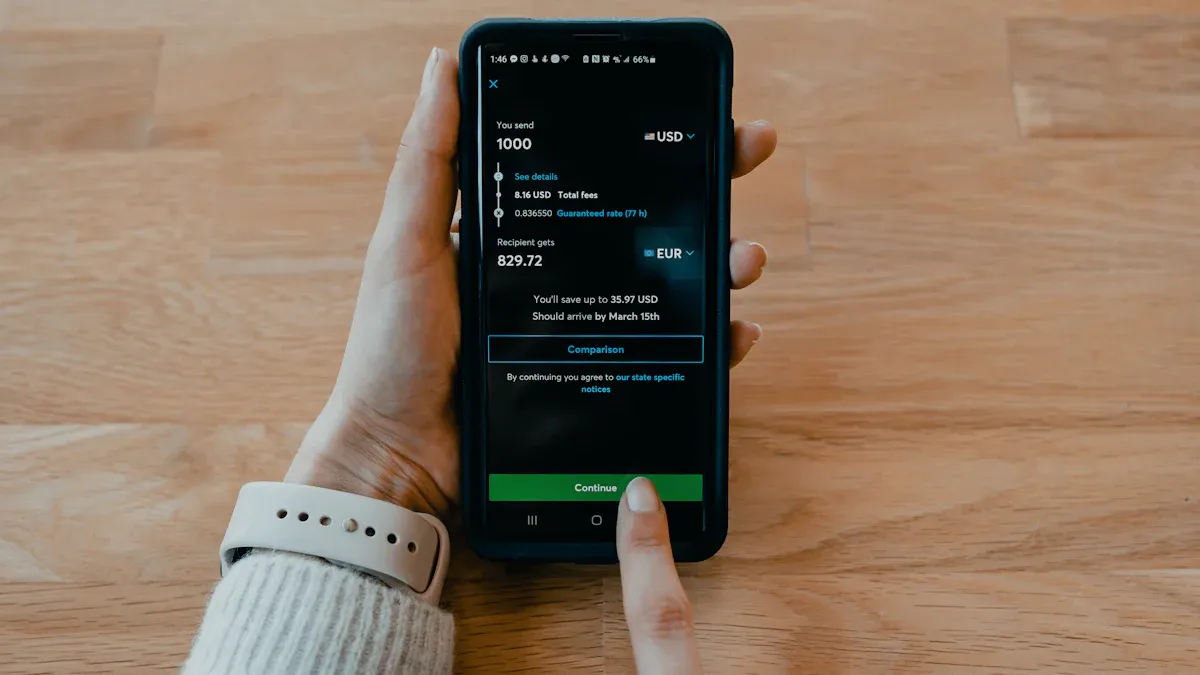
Using DBS Bank SWIFT codes for international money transfers is straightforward when you follow these steps:
-
Gather the Required Information
Start by collecting all the necessary details. You need the recipient's full name, their bank account number, and the correct DBS Bank SWIFT code for their branch. Double-check these details to avoid errors. -
Visit Your Bank or Online Banking Platform
Access your bank's international transfer service. You can do this by visiting a branch or logging into your online banking account. Most banks provide a dedicated section for international transfers. -
Enter the Recipient’s Details
Fill in the recipient's information. Include their name, account number, and the DBS Bank SWIFT code. Ensure that the SWIFT code matches the recipient's branch to avoid delays. -
Specify the Transfer Amount and Currency
Enter the amount you wish to send and select the currency. Be aware of any currency conversion fees that may apply. -
Review and Confirm the Details
Carefully review all the information before submitting the transfer. Look for typos or missing details, especially in the SWIFT code and account number. -
Complete the Payment
Submit the transfer request. Your bank will process the payment and send it through the SWIFT network to the recipient's bank.
By following these steps, you can ensure that your international transfers are accurate and efficient.
Common Mistakes to Avoid
Mistakes during international transfers can lead to delays or even lost funds. Here are some common errors to watch out for:
-
Using the Wrong SWIFT Code
Always verify the DBS Bank SWIFT code for the recipient's branch. Using a general code instead of a branch-specific one can cause delays. -
Entering Incorrect Account Details
Double-check the recipient's account number and name. Even a small typo can result in a failed transaction. -
Ignoring Currency Conversion Rates
Be aware of the exchange rates and fees. Some banks charge higher fees for currency conversion, which can reduce the amount the recipient receives. -
Skipping the Review Step
Many people skip the final review of their transfer details. Take a moment to confirm all the information before submitting the payment.
Avoiding these mistakes ensures that your money transfer reaches the recipient without complications.
Alternative Methods (Including Xtransfer)
If you’re looking for alternatives to traditional SWIFT-based transfers, consider platforms like Xtransfer. These services simplify international money transfers by offering user-friendly interfaces and competitive fees.
Xtransfer provides a centralized platform where you can find SWIFT codes for banks worldwide, including DBS Bank. This feature helps you verify the correct code before initiating a transfer. Additionally, Xtransfer streamlines the process by reducing the need for intermediary banks, which can speed up transactions.
Here’s how Xtransfer compares to traditional methods:
|
Feature |
Traditional SWIFT Transfers |
Xtransfer |
|
Speed |
May take several business days |
Faster processing times |
|
Fees |
Higher due to intermediary banks |
Lower, with transparent pricing |
|
Ease of Use |
Requires detailed bank information |
Simplified process with fewer steps |
Many businesses choose Xtransfer for its reliability and cost-effectiveness. It’s an excellent option if you want to save time and reduce fees while ensuring secure transactions.
Benefits of Xtransfer for International Payments
Overview of Services
Xtransfer offers a comprehensive solution for businesses managing international money transfers. It connects enterprises with reliable financial institutions, enabling access to high-quality services typically reserved for large corporations. By leveraging advanced technology, Xtransfer simplifies global payments and provides tools for financial and risk management. Whether you're a small business or a growing enterprise, Xtransfer ensures that your cross-border transactions are secure, efficient, and cost-effective.
Simplifying Cross-Border Transactions
Xtransfer transforms the way you handle international payments by eliminating common barriers.
-
It simplifies the process of collecting and sending payments in local currencies, making global transactions more accessible.
-
Corporate accounts reduce manual errors and speed up processing times, ensuring payments are timely and accurate.
-
Multi-currency accounts and competitive FX rates streamline global payments, saving you time and money.
-
An AI-driven compliance system ensures adherence to international regulations, reducing risks and enhancing security.
These features make Xtransfer an ideal choice for businesses seeking faster and more reliable cross-border payment solutions.
Why Businesses Choose Xtransfer
Businesses prefer Xtransfer for its ability to address challenges associated with traditional banking systems. It eliminates account opening difficulties and reduces delays caused by slow remittance processes. By leveraging electronic payment systems, Xtransfer enhances efficiency and ensures secure transactions. Its user-friendly platform simplifies the payment process, allowing you to focus on growing your business. With competitive rates and advanced compliance systems, Xtransfer stands out as a trusted partner for international money transfers.
DBS Bank SWIFT codes play a critical role in ensuring secure and efficient international transactions. They help banks verify identities, reduce fraud, and comply with regulations. This makes them a reliable tool for global payments.
Key Metrics Supporting SWIFT Codes and Alternatives:
|
Aspect |
Description |
|
Security |
Helps banks check identities, reducing fraud and errors. |
|
Efficiency |
Speeds up payments, cutting down delays and verification time. |
|
Regulatory Compliance |
Helps banks follow rules, keeping the financial system safe. |
For businesses, Xtransfer offers a modern alternative. It simplifies cross-border payments, reduces costs, and ensures compliance, making it an excellent choice for global operations.
FAQ
What happens if you use the wrong SWIFT code?
Using the wrong SWIFT code can delay your transaction or send funds to the wrong bank. Always verify the code with the recipient or their bank before initiating the transfer.
Can you use a general DBS Bank SWIFT code for all branches?
You can use the general SWIFT code for DBS Bank, but branch-specific codes ensure faster and more accurate routing. Check the recipient’s branch details for the correct code.
How can you avoid high fees during international transfers?
Compare fees across banks and platforms like Xtransfer. Choose services with transparent pricing and competitive exchange rates to minimize costs.
Is a SWIFT code enough for international payments?
No, you also need the recipient’s account number, name, and sometimes their IBAN. These details ensure the funds reach the correct account.
How long does a SWIFT transfer take?
SWIFT transfers usually take 1–5 business days. Factors like intermediary banks and currency conversion can affect the timeline.
Related content