
Understanding Supply Chains and Their Role in Global Trade
Author:XTransfer2025.08.20Supply chains
A supply chain, or supplychain, is a system that connects businesses, suppliers, and buyers to ensure the smooth movement of goods and services from start to finish. You interact with the supplychain daily, whether shopping in stores or ordering online. Supplychains play a crucial role in global trade by linking world markets. They enable companies to source materials, reduce costs, and distribute products worldwide. Without an efficient supplychain, the global economy would struggle to function effectively.
Highlights
-
A supply chain links businesses, suppliers, and customers to move goods easily.
-
Good supply chain management saves money and meets customer needs well.
-
Logistics is key because it delivers goods on time and cuts costs.
-
Technology like AI and IoT helps by giving live updates and better choices.
-
Being eco-friendly is important; companies can go green to cut waste and attract green buyers.
-
Working together helps businesses solve problems and create new ideas in supply chains.
-
Knowing what customers want, like quick delivery and fair practices, is crucial for success.
-
Strong supply chains grow the economy and help businesses handle global issues.
What Is a Supplychain?
Definition and Purpose
A supplychain is the backbone of how businesses work today. It links companies, suppliers, and customers to move goods and services smoothly. The main goal of a supplychain is to meet customer needs while keeping costs low. It includes every step, from getting raw materials to delivering finished products.
To understand its purpose better, think about these ideas:
|
Definition Type |
Description |
|
Existence of Supply Chains |
Supplychains naturally happen in business, even without management. |
|
Management Philosophy |
Supply Chain Management (SCM) sees companies as connected to each other. |
|
Implementation of Philosophy |
SCM uses teamwork between different companies to work better. |
|
Lack of Consensus |
People have different ideas about what supplychains mean. |
The Council of Supply Chain Management Professionals says supplychain definitions keep changing. This change shows how global trade grows and how businesses must adjust.
How Supplychains Work
Supplychains work through connected steps. Each step helps move goods and services smoothly. Here are the main stages:
|
Phase |
Description |
|
Planning |
Predicting demand and designing the supplychain to fit it. |
|
Sourcing |
Choosing suppliers and managing buying relationships. |
|
Manufacturing |
Turning raw materials into finished products. |
|
Delivery |
Moving products to customers using logistics. |
|
Returns |
Handling product returns and exchanges well. |
Logistics ties all these steps together. It helps goods move easily from one stage to the next. Good logistics lowers costs and improves service. By linking sourcing, making, and delivery, businesses can handle market changes and stay efficient.
Examples of Supplychains in Action
Supplychains look different in each industry, showing their flexibility. Here are some examples:
|
Industry |
Example |
Description |
|
Logistics |
Fresh Produce Supply Chain |
Shows how to manage perishable goods well. |
|
Retail |
Zara and Walmart |
Zara is great at fast fashion, and Walmart uses smart warehouses. |
|
Technology |
Tensor-based Demand Management |
A retailer uses advanced tools to manage stock levels. |
For example, the fresh produce supplychain gets fruits and vegetables from farms. It moves them in controlled conditions and delivers them to stores quickly. This ensures customers get fresh, good-quality products. Similarly, companies like Zara and Walmart use smart ideas to make their supplychains faster and better, meeting customer needs easily.
Components of a Supplychain
Sourcing and Procurement
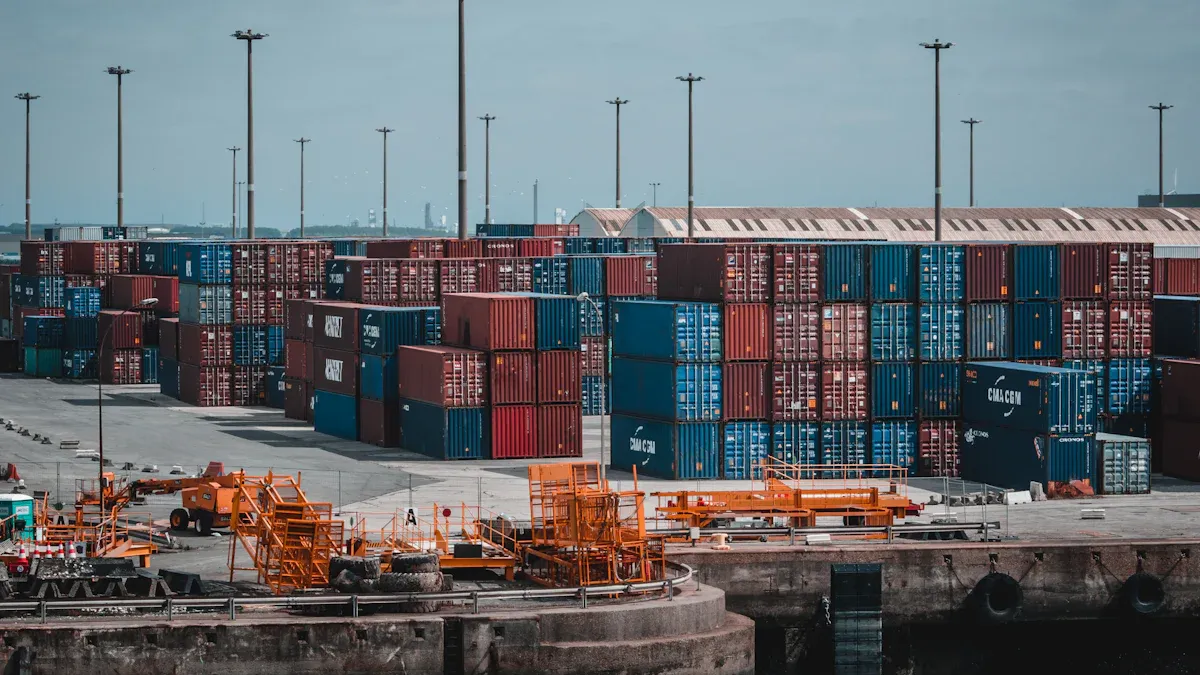
Sourcing and procurement are key parts of a supplychain. These steps find good suppliers, make deals, and build strong partnerships. This ensures materials keep coming without problems. Procurement is more than just buying things. It’s a smart process that affects costs, quality, and how well the supplychain works. For example, managers use data to make better choices. This helps the supplychain stay clear and run smoothly.
Saving money is also a big part of procurement. By talking with suppliers and checking other options, companies can spend less. This helps them keep prices fair for customers. It also boosts profits while giving customers good products at good prices.
Benefits of good sourcing and procurement include:
-
Better choices using helpful data.
-
Clearer processes in the supplychain.
-
Lower costs and smoother operations.
Manufacturing and Production
Manufacturing is where raw materials become finished products. This step is important to meet customer needs and keep things running well. But if raw materials arrive late, production slows down. This can delay deliveries and upset customers. For example, in April 2024, supplier delivery issues caused delays, showing ongoing problems.
Shipping problems and part shortages have hurt manufacturers. Some lost up to 13% of their profits. To fix this, companies use smart logistics. Better planning and tools make production stronger and faster.
Key points about manufacturing and production:
-
Late materials slow down production schedules.
-
Smart tools make production stronger and faster.
-
Shipping problems can hurt profits a lot.
Logistics and Transportation
Logistics and transportation move products through the supplychain. This includes planning and controlling how goods travel to customers. Real-time data helps reduce delays and improve service. For instance, companies using smart tools report 36% faster delivery and 23% fewer stockouts.
Better routes also save fuel by up to 15%, making logistics greener. Plus, 52% of shoppers want deliveries in 2-3 days. This shows why fast transportation is so important.
|
Statistic Description |
Value |
Source |
|
Shoppers wanting deliveries in 2-3 days |
52% |
Study |
|
Cost savings in supplychain with real-time data |
22% |
Deloitte |
|
Better service levels with real-time data |
28% |
Deloitte |
|
Fuel savings with better routes |
Up to 15% |
McKinsey & Company |
|
Faster delivery times with smart tools |
36% |
IBM Supply Chain Intelligence Study, 2023 |
|
Fewer stockouts with smart tools |
23% |
IBM Supply Chain Intelligence Study, 2023 |
Good logistics and transportation cut costs and make customers happy with on-time deliveries.
Distribution and Retail
Distribution and retail are the last steps in a supplychain. Distribution moves goods from warehouses to stores or customers. Retail sells these goods in stores or online. Together, they make sure people get what they need on time.
In 2023, companies are changing how they handle distribution and retail. They are improving e-commerce and using multiple sales channels. For example, they are placing warehouses closer to customers for faster delivery. They are also using technology and automation to work better and see everything clearly in the supplychain.
Important types of data help improve distribution and retail:
|
Data Type |
Purpose |
|
Demand Data |
Predicting what customers will buy and when. |
|
Supply Data |
Knowing when suppliers will deliver and how much. |
|
Inventory Data |
Checking stock levels and where products are stored. |
|
Logistics Data |
Tracking delivery routes and how fast goods arrive. |
|
Production Data |
Monitoring how fast products are made and their quality. |
Meeting delivery promises is very important. About 67% of companies focus on this when planning their supplychain. Also, six out of ten businesses want to use digital tools to improve their systems. These changes show how important distribution and retail are for happy customers.
Technology and Data Management
Technology and data management are key to modern supplychains. They give tools to track, study, and improve every step. Cloud platforms store all supplychain data in one place. This makes it easy for everyone to access and work together.
Real-time data is very helpful. It lets businesses track shipments and stock instantly. This helps them make quick decisions and fix problems fast. For example, tools that show data visually make it easier to understand and act on.
Different industries use technology in special ways:
-
Retail and E-Commerce: Technology helps deliver orders quickly and correctly.
-
Pharmaceuticals: IoT and blockchain keep medicines safe during shipping.
-
Food and Beverage: Tools check food freshness and trace where it came from.
Using technology also helps manage risks better. Predictive tools find problems early and suggest fixes. By using these tools, businesses can make their supplychains stronger and more flexible.
Supplychain and International Trade
Helping Global Trade
Supplychains connect businesses worldwide to make trade possible. They help companies get materials, make products, and send goods to other countries. This system lets businesses work well no matter where they are. For example, a U.S. company can get materials from Asia, make items in Europe, and sell them in South America. This smooth movement of goods is key to global trade.
Being clear and honest is important for global trade. Accurate supplychain data helps businesses stay organized and share updates with others. This builds trust with customers and investors. Governments also make rules to ensure companies track and manage their supplychains responsibly. These rules support fair and sustainable trade.
Customers now want more supplychain details. Industries like clothing and retail must share how their products are made. Giving this information makes customers happy and improves a company’s image worldwide.
Saving Money and Working Better
Good supplychains save money and improve business operations. By managing inventory, shipping, and logistics better, companies waste less and work faster. Real-time tracking tools help avoid delays and fix problems quickly. This ensures goods arrive on time and reduces mistakes.
Here are some benefits of better supplychains:
|
Improvement Type |
Percentage Better |
|
Fewer Delivery Problems |
10-20% |
|
More Accurate Inventory |
Up to 25% |
|
Lower Operating Costs |
8-15% yearly |
These changes cut costs and make customers happier. Fast and accurate deliveries build trust and encourage repeat buying. Saved money can also be used for new ideas and growth.
Reaching New Markets
Strong supplychains help businesses enter new markets. Using tracking systems helps meet global rules and standards. This is especially important in industries like medicine, where strict rules apply. Following these rules lets companies sell to more places and grow their audience.
Better supplychains also help businesses adjust to new needs. For example, they can quickly change to serve a new area or group of people. This flexibility keeps businesses competitive in changing markets. With good supplychains, companies can grow and succeed for a long time.
Supporting Economic Growth and Development
A strong supplychain helps economies grow and develop. It links businesses, suppliers, and buyers, creating chances for trade and new ideas. When supplychains work well, they help countries grow and improve people’s lives.
Supplychains help keep economies stable by connecting countries. Diverse supplychains let nations share resources, find new markets, and lower risks. For example:
-
Countries with strong supplychains recover faster from disasters or crises.
-
Businesses get more materials and tools, improving innovation and productivity.
-
Shoppers enjoy more choices and better prices.
Spending on supplychain systems brings big benefits. A USAID study showed that $1 spent on trade systems led to $42 in exports within two years. This proves better supplychains can grow economies.
Also, supplychains create jobs and support industries. Millions of people work in areas like making goods and moving them. Improving supplychains can create jobs and reduce poverty in many places.
Challenges in Global Supplychain Management
Supplychain Disruptions
Problems in supplychains happen for many reasons. Natural disasters, pandemics, or sudden demand increases can cause delays. These issues often lead to higher costs and unhappy customers. For example, crowded ports and weather problems have slowed shipping recently. Companies must act fast to keep customers happy and avoid losing money.
To handle these problems, businesses are trying new ideas:
-
Working closely with delivery companies for better results.
-
Using flexible systems to adjust quickly to surprises.
Broken supplychains also create problems. Poor communication can hide mistakes and slow things down. Digital tools and clear communication can fix these issues. But big companies may find it hard to use new technology because their systems are complex.
Other problems like rising prices and fewer workers make supplychains harder to manage. These issues slow deliveries and raise costs. By improving operations and planning for risks, companies can prepare for future problems.
Geopolitical and Trade Barriers
Political problems affect global trade a lot. Wars and changing trade rules disrupt normal shipping routes. This makes deliveries slower and more expensive. For example, the Israel-Hamas conflict has raised worries about key shipping paths like the Suez Canal. These problems increase costs and delay shipments.
The European Central Bank says a 10% rise in political tensions can lower trade by 2-3%. Events like Brexit have also caused big problems. In fact, 83% of U.K. companies said Brexit was their biggest supplychain issue, with some losing up to 19% of their income.
To solve these problems, companies are moving production closer to home. This reduces their dependence on unstable areas. For instance, air shipments from Vietnam to Europe went up by 62% as businesses looked for safer routes. By staying flexible and strong, companies can reduce the effects of political problems.
Environmental and Sustainability Concerns
Caring for the environment is now a big part of supplychain management. Shipping and making products use a lot of energy and create pollution. Scope 3 emissions, which are hard to track, make up 75% of total emissions because of complex supplier networks.
Investors are pushing companies to be more eco-friendly. Over five years, this pressure has grown by 25%. Still, 67% of companies don’t have a net-zero goal. Bad sourcing practices also harm nature by using up resources and hurting wildlife.
Water problems are another issue. Using too much water and poor waste handling damage the environment. Worker mistreatment also needs attention, requiring fair and ethical practices.
To fix these problems, companies can use green supplychain methods. These include better shipping routes to save fuel and using renewable energy in factories. By focusing on sustainability, companies can protect the planet and improve their image.
Labor and Ethical Issues
Labor and ethical problems are big challenges in global supplychains. These issues happen when companies focus on saving money instead of fair treatment. Workers may face unsafe workplaces, low pay, and unfair treatment. Fixing these problems means finding their causes and taking real action.
One example is the Bangladesh factory disaster. Over 1,000 workers died because the factory was unsafe. This tragedy showed what happens when labor rights are ignored. It also made big companies rethink how they treat workers. Ignoring ethics can hurt workers and damage a company’s image.
Quick and shallow audits also cause problems. For example, Shiraishi Garments Company in China missed poor working conditions during checks. This shows why companies need to talk more with workers and suppliers. Better audits can help ensure fair treatment for workers.
Big companies often face ethical issues as they grow. Gucci’s factories in Shenzhen, China, had labor problems due to poor oversight. This example shows why strong supplier relationships are important. Working with trusted partners helps solve ethical problems better.
To solve these issues, companies can try these steps:
-
Do detailed audits: Look closely at real working conditions.
-
Build good partnerships: Work with suppliers who care about ethics.
-
Train workers: Teach workers their rights and keep them safe.
Ignoring labor and ethical problems hurts businesses and workers. Taking action creates a fair and honest supplychain. This helps workers and makes your brand stronger over time.
Opportunities in Global Supplychain Management
Technological Advancements
Technology is changing supplychains by making them faster and smarter. Tools like Artificial Intelligence (AI), the Internet of Things (IoT), and blockchain help businesses save money and make better decisions. These tools give real-time updates, predict problems, and keep records safe.
For example, IoT devices track shipments and stock levels. This helps you see where your products are at all times. AI predicts what customers will need and automates tasks, saving time. Blockchain keeps records secure and builds trust with customers. These tools also help businesses handle problems like bad weather or political issues.
Here are some technologies improving supplychains:
-
Automation tools: Cut down on mistakes and save time.
-
Cloud systems: Store data in one place for easy teamwork.
-
Robots: Speed up work in factories and warehouses.
-
Tracking systems: Show where shipments are in real time.
Using these tools helps businesses deliver faster and stay ahead in the market.
Sustainability and Green Supplychains
Caring for the planet is now a big part of supplychains. Companies are using green methods to lower pollution and meet customer demands. You can make your supplychain greener by using clean energy, cutting waste, and choosing eco-friendly transport.
Many companies are already seeing results from going green. For example:
|
Company |
Green Practices |
Results |
|
Medtronic |
Took back 5.8M products, saving 202 tons of waste. |
Cut greenhouse gas intensity by 35%. |
|
Johnson & Johnson |
Used 84% renewable energy. |
Reduced their carbon footprint a lot. |
|
Stryker |
Recycled over 5M pounds of waste. |
Saved $238M for customers. |
|
Boston Scientific |
Used 82% renewable electricity. |
Helped reach carbon-neutral goals. |
|
Zimmer Biomet |
Kept 73% of waste out of landfills in 2023. |
Improved waste management. |
By following these examples, you can save money, work better, and attract eco-friendly customers. Green supplychains help the planet and make your business stand out.
Regional and Localized Supplychains
Local supplychains are becoming more popular to avoid risks and delays. Getting materials and making products closer to customers reduces problems like natural disasters or political issues. During COVID-19, businesses with local suppliers had fewer delays than those relying on global networks.
Shorter supplychains also help the environment. A report says 67% of shoppers care about sustainability. Local operations cut travel distances, lowering pollution and meeting these needs.
Governments are supporting this shift with new rules and rewards. For instance, the U.S. CHIPS Act and the EU’s Green Deal encourage local production. New technologies like robots and 3D printing make it easier to produce goods nearby.
Here’s why local supplychains are a smart idea:
-
Stronger systems: Handle global problems better.
-
Eco-friendly: Lower carbon emissions.
-
Government help: Get support for local production.
-
New tech: Make local production faster and cheaper.
Switching to local supplychains helps businesses stay flexible, eco-friendly, and ready for change.
Collaboration and Innovation
Working together and trying new ideas are key for strong supplychains. When companies team up and think creatively, they solve problems faster. This teamwork also lowers costs and makes customers happier. Collaboration means companies helping each other, while innovation finds new ways to fix old problems.
Why Teamwork is Important
Teamwork links suppliers, makers, and sellers. Sharing info and tools helps avoid delays and work better. For example, if suppliers share stock updates, makers can plan production better. This cuts waste and gets products to customers on time.
Real-Life Examples of Teamwork
| H&M Group | - Clear Goals
- Support and Resources
- Sustainability Advocacy | Reached eco-friendly goals faster and led the clothing industry in green practices. |
Dell Computers worked with suppliers to use Just-in-Time (JIT) production. This saved money and sped up production. H&M Group teamed up with partners to meet green goals, offering support and setting clear plans. These stories show how teamwork helps both money and the planet.
Why New Ideas Matter
New ideas push supplychains forward. Using new tools and methods makes work faster and smarter. For example, robots can speed up warehouse tasks. Artificial intelligence (AI) predicts demand better. Blockchain keeps track of every step safely and clearly.
Steps to Build Teamwork and Creativity
To create a smart and connected supplychain, try these steps:
-
Share Information: Talk openly with partners to make better choices.
-
Use Technology: Tools like IoT and AI improve tracking and speed.
-
Build Trust: Work on strong, lasting partnerships with suppliers.
By focusing on teamwork and new ideas, you can build a supplychain that handles problems and keeps customers happy.
The Future of Supplychain in Global Trade
Trends Shaping Supplychains
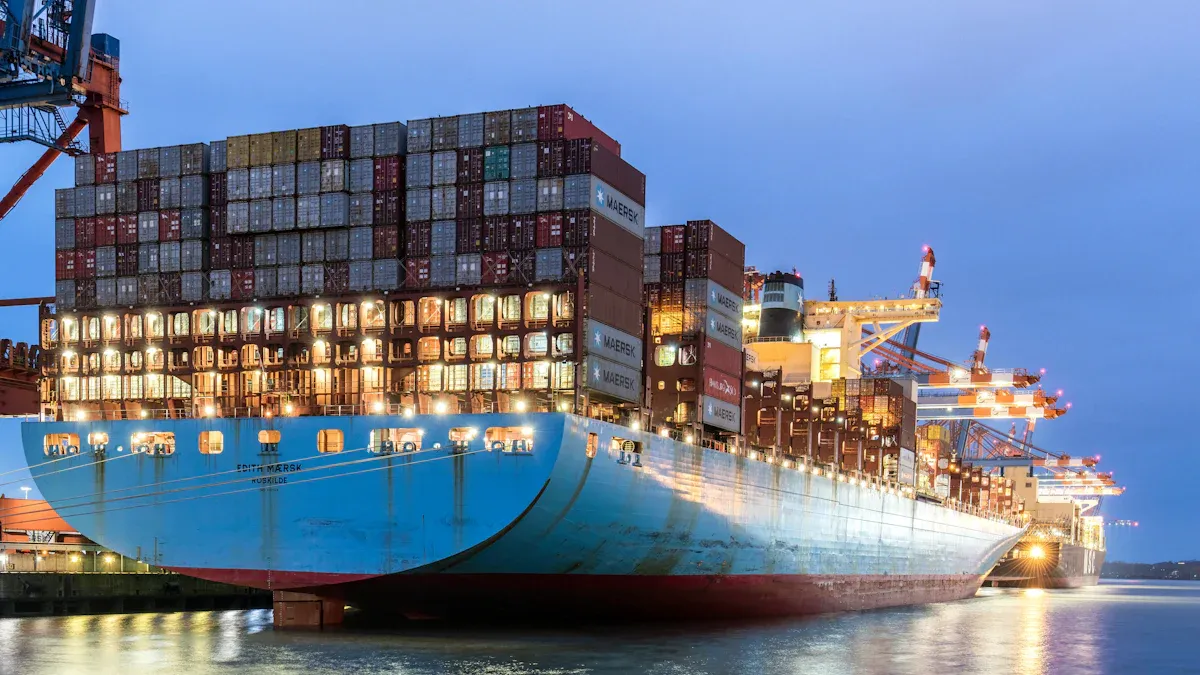
The future of supplychains is changing with new trends. These trends aim to make supplychains faster, stronger, and eco-friendly. Businesses are adjusting to handle challenges and find new chances in global trade. Here are some predictions for 2025 and what they mean:
|
Predictions for 2025 |
What They Mean |
|
Friendly rules for logistics |
More deals in the shipping industry |
|
Lower interest rates |
More companies buying logistics businesses |
|
East Coast ports getting busier |
U.S. supplychains will shift and adjust |
|
Worker issues as a risk |
Possible problems in supplychain processes |
To stay ready, focus on these five actions:
-
Make supplychains flexible and strong.
-
Use smart tools to predict future needs.
-
Build better partnerships with others.
-
Choose eco-friendly ways to source and produce.
-
Keep learning and improving your methods.
These trends show how teamwork and new ideas will shape supplychains in the future.
The Role of Artificial Intelligence and Automation
AI and automation are changing how supplychains work. These tools make things faster, reduce mistakes, and help with decisions. For example, AI can plan better delivery routes and guess what products are needed. This avoids running out of stock and ensures deliveries are on time. Robots and automated systems also help with tasks like packing in warehouses.
Automation tools are making supplychains better. Fully-automated warehouses, robots for packing, and AI tools for tracking stock are key examples. AI also helps plan delivery routes and predict demand, cutting delays and improving service.
Using these tools saves time, lowers costs, and makes customers happy. AI and automation are not just trends—they are must-haves to compete in today’s global market.
The Impact of Changing Consumer Expectations
What you want from businesses is changing fast. You now expect quicker deliveries, special experiences, and fair practices. Companies must adjust to keep up or risk losing customers.
Online shopping has grown a lot and changed what people expect. Global online sales went from $4.2 trillion in 2020 to $5.7 trillion in 2022. By 2026, it may reach $8.1 trillion. This shows how much more people shop online now. Because of this, you probably want faster deliveries. Studies say only 14% of people will wait over three days for delivery. About 38% want their orders in just one day. These needs are making businesses improve their delivery systems.
You also like products and services made just for you. Businesses use tools like Artificial Intelligence (AI) and the Internet of Things (IoT) to understand what you want. These tools also let you track your orders live, so you feel more confident.
Caring for the planet matters too. Many people now want eco-friendly packaging and fair worker treatment. Companies are going green by using clean energy, cutting waste, and choosing better materials. This helps the environment and builds trust with you.
Gartner says over 75% of supply chain leaders are working to improve customer experiences. They are offering faster deliveries and easier returns. To do this, supply chains need to be quick and accurate. Companies that succeed will likely earn your trust and loyalty.
A supplychain links businesses, suppliers, and customers to move goods smoothly. It is key to global trade, helping companies get materials, make products, and sell worldwide. But problems like delays, pollution, and unfair practices need smart fixes. Using technology and teamwork can make supplychains better and greener.
For instance, digital tools make work 30% faster and cut costs by 35%. Good supplier partnerships also reduce delays by 20%. By trying new ideas and working with others, you can create a strong supplychain that handles challenges and supports global trade.
FAQ
What is the main purpose of a supply chain?
A supply chain helps move goods from suppliers to customers. It connects businesses, manages resources, and meets customer needs easily.
How does technology improve supply chains?
Tools like AI, IoT, and blockchain help track shipments and predict demand. They make supply chains faster, smarter, and reduce mistakes.
Why are supply chains important for global trade?
Supply chains connect countries, helping businesses get materials and sell products worldwide. They cut costs, improve efficiency, and grow economies.
What are common challenges in supply chain management?
Problems include natural disasters, political issues, and worker concerns. These can delay deliveries, raise costs, and hurt businesses.
How can businesses make supply chains more sustainable?
Companies can use clean energy, better routes, and less waste. These steps protect the planet and meet customer demands for eco-friendly practices.
What role does logistics play in a supply chain?
Logistics moves goods through the supply chain. It ensures on-time deliveries, lowers costs, and keeps customers happy.
How do supply chains support economic development?
Supply chains create jobs, connect businesses, and boost trade. They help countries share resources and recover from problems faster.
What is the future of supply chains?
The future includes smarter systems with AI, automation, and green practices. Companies will focus on being flexible and meeting customer needs.
Related content