
Understanding Neobanking: What It Is and How It Operates
Author:XTransfer2025.04.15Neobanking
Neobanking is a new way of banking. It offers online-only banks without any physical branches. These banks focus on making things easy. You can handle all your money online using apps or websites. This style of banking fits what many people want today, especially younger people. For example, almost half of Gen Z and Millennials use online-only banks. Over 80% of them think digital banking is very important. The neobanking market is growing fast. It may rise from $96.20 billion in 2023 to $3.799 trillion by 2033. Neobanking is changing how people use financial services.
Highlights
-
Neobanks are banks that work only online, with no branches.
-
They have easy-to-use apps and websites to manage money anytime.
-
Neobanks charge fewer fees than regular banks, helping you save cash.
-
They use smart tech like AI to give fast help and stay secure.
-
Neobanks focus on what customers need, like saving, budgeting, or crypto.
-
You need good internet to use neobank services easily.
-
Most neobanks follow rules to keep your money safe, like FDIC insurance.
-
Neobanks are growing fast because young people like digital banking.
What Is Neobanking?
Definition of Neobanking
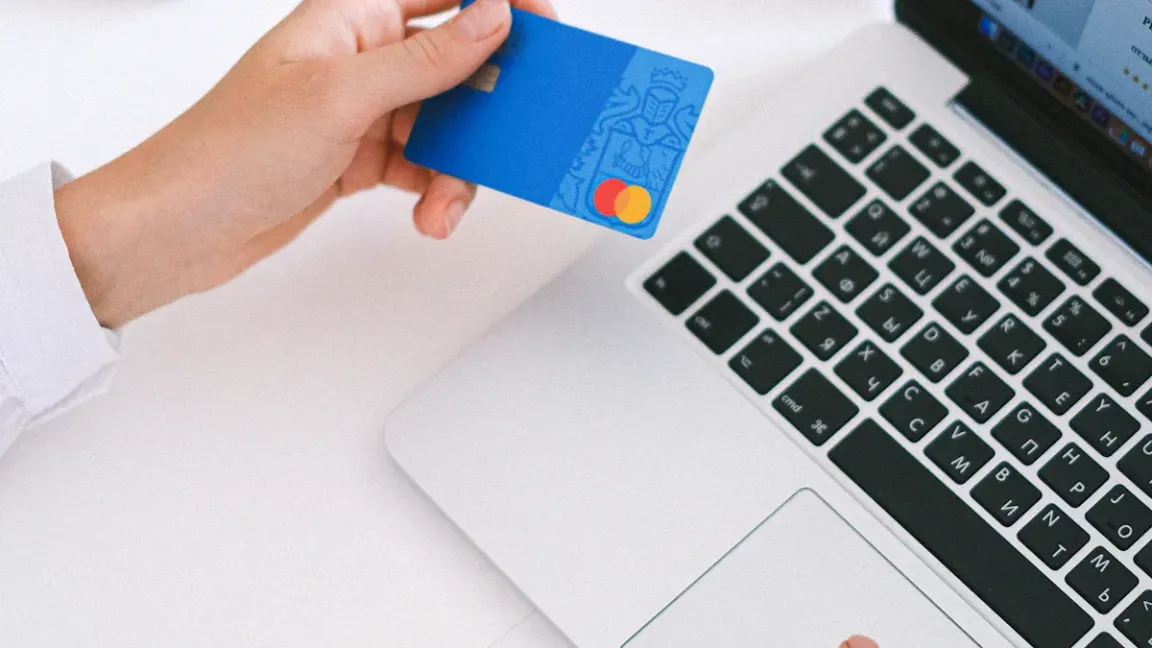
Neobanking is a new way to do banking online. Unlike regular banks, neobanks don’t have buildings or branches. They use apps and websites to offer their services. Neobanks started in the early 2010s to make banking easier and more user-friendly.
Experts say neobanks are digital banks that focus on innovation. Statista explains that neobanks need digital sign-ups and may not have a banking license. ScaleFocus also highlights their online-only system and how they improve financial technology.
Key Features of Neobanks
Neobanks are special because of their unique features. These include:
-
Digital-first model: They work only online, with no physical locations.
-
User-friendly interfaces: Their apps and websites are easy to use.
-
Cost efficiency: No branches mean lower fees for customers.
-
Innovative tools: They offer tools for budgeting and financial planning.
-
Accessibility: You can use them anytime with an internet connection.
These features make neobanks a great choice for people who want simple and modern banking.
Examples of Neobanks in the Market
Some neobanks are very popular today. For example:
-
Nubank: It has over 100 million users in Latin America.
-
Revolut: Available in 38 countries, it offers currency exchange and transfers.
-
Varo: It earns most of its money from interchange fees.
One neobank focuses on gig workers, helping them manage money through an app. This shows how neobanks serve specific groups. Many neobanks also team up with fintech companies to offer more services.
The neobanking market is growing fast. In 2023, it was worth $148.7 billion. By 2033, it might grow to $5,382.6 billion, with a yearly growth rate of 49%. This shows how much people want digital banking options.
How Neobanks Work
Online-Only Banking
Neobanks work fully online using apps and websites. They don’t have physical branches, so banking is easier for you. With internet access, you can open accounts, send money, or apply for loans anytime.
These banks use smart tools like AI and RPA to work better. These tools handle simple tasks like opening accounts or processing loans. By automating these jobs, neobanks make fewer mistakes and save time. RPA helps workers focus on harder tasks while simple ones are done quickly.
Technology in Neobanking
Technology is what makes neobanks work well. They use AI, machine learning, and blockchain to improve your banking. These tools add features like face or fingerprint security, smart money advice, and easy mobile payments. For example, AI chatbots can answer your questions anytime, giving fast help.
Automation is also important for neobanks. It helps with tasks like spotting fraud, checking transactions, and signing up new customers. This makes things faster, more accurate, and cheaper to run.
-
Cool tech in neobanking includes:
-
AI for smart services and stopping fraud.
-
Blockchain for safe and clear transactions.
-
Machine learning for better money tips.
-
What Neobanks Offer
Neobanks give many services to fit your needs. They offer basic things like savings and checking accounts. They also have tools for budgeting and investing. Some even let you trade cryptocurrency or send money overseas.
Unlike old banks, neobanks focus on being easy to use. Their apps are simple and helpful. You can see your spending, set savings goals, or get alerts about your money.
Neobanks also help groups like freelancers and small businesses. They offer tools like invoicing and managing cash flow. This makes them a great choice for today’s business owners.
Neobanks are changing banking with tech, automation, and customer-friendly services. This makes banking faster and easier for everyone.
Neobanks vs Traditional Banks
Operational Differences
Neobanks and traditional banks work in very different ways. Neobanks use only apps and websites to provide services. They don’t have branches, so they focus on tech and automation. This makes banking faster and easier for you. Traditional banks have buildings and use older systems. These systems can make it harder for them to use new technology.
Here’s a comparison of how they work:
This table shows neobanks are better with tech and access. Traditional banks do well with loyal customers and profits.
Customer Experience Comparison
Neobanks focus on making things simple and easy for you. Their apps are user-friendly and give real-time updates. You can track spending, set budgets, and get alerts instantly. You just need the internet to manage your money anytime. Traditional banks often need you to visit a branch, which takes more time.
Neobanks also use smart tools like AI to improve your experience. AI chatbots answer questions fast, and machine learning gives you money tips. Traditional banks are trying to catch up, but their old systems slow them down.
Still, some people like traditional banks for face-to-face help. If you prefer talking to a banker in person, a traditional bank might suit you better.
Cost and Fee Structures
Neobanks keep costs low, saving you money. They don’t spend on branches and instead invest in tech. This helps them offer free or cheap services, like no-fee accounts or low foreign fees. They also use social media for ads, which costs less.
Traditional banks have higher costs because of their branches. These costs often mean more fees for you, like account or overdraft fees. While they offer more services, their fees can be a downside compared to neobanks.
Neobanks grow fast and keep expenses low, shaking up the banking world. Their cost-saving methods make them a great choice for saving money.
Advantages of Neobanking
Accessibility and Convenience
Neobanking makes handling money simple and quick. You can use apps or websites to check accounts anytime. There’s no need to visit a branch or wait in lines. This is helpful for busy people or those far from banks.
Young people, like Gen Z and Millennials, love digital banking. About half of them use online-only banks. Over 80% think digital banking is very important. This shows how much people like the ease of neobanking.
Neobanks work all day, every day. You can send money, check balances, or set savings goals anytime. Everything is easy to do with just a few clicks.
Lower Costs and Fees
Neobanks save money by working only online. They don’t have branches, which lowers costs. These savings mean cheaper services for you. Many neobanks offer free accounts and low fees for sending money abroad.
Smart tools like AI and RPA help neobanks work better. AI answers customer questions, while RPA handles simple tasks like payments. These tools make things faster and cheaper.
XTransfer is such a platform that can help you in neobanking. Its online payment support can be your excellent assistant.
Innovative Tools and Features
Neobanks use cool tech to make banking smarter. AI chatbots give quick help, and machine learning offers tips based on your spending. Blockchain keeps transactions safe and clear.
They also have tools for saving, budgeting, and investing. You can track spending, set goals, and get alerts about your money. Some neobanks even let you trade cryptocurrency or send money overseas.
Disadvantages of Neobanking
Fewer Services Than Traditional Banks
Neobanks are simple and modern but lack many services. They don’t usually offer things like mortgages or wealth management. Traditional banks have these options because they’ve been around longer.
If you own a business or need special financial help, neobanks might not work well. They mostly focus on individuals or small businesses. This means they don’t cover everything you might need. While they are easy to use, their limited services can be a problem for some people.
Needs Internet to Work
Neobanks only work online, so you need the internet. If your connection is bad, you might have trouble using your account. Losing internet can delay payments or checking your balance.
Here’s how internet issues affect neobanks:
Neobanks are super convenient, but needing the internet can be a downside.
Safety and Trust Issues
Some people worry about keeping their money safe with neobanks. Since they are online-only, they face risks like hacking. But most neobanks follow strict rules to protect your data. They also work with insured banks to keep your money safe.
Neobanks spend about 10% of their tech budget on security. This helps stop fraud and protect your information. Even with these efforts, some people still feel unsure about trusting them.
How Neobanks Make Money
Earning Through Fees and Subscriptions
Neobanks make money by charging fees and offering paid plans. For instance, they earn interchange fees when you use your debit card. These fees are paid by stores, not you, making it easy for neobanks to profit. They may also charge small fees for things like ATM use or sending money abroad.
Paid subscriptions are another way they earn. Neobanks like Chime and Revolut offer premium accounts with extra perks. These include higher withdrawal limits, special budgeting tools, or travel rewards. These plans give neobanks steady income while improving your banking experience.
These methods help neobanks stay profitable while keeping costs low for you.
Teaming Up with Banks
Neobanks work with traditional banks to offer more services and earn money. These partnerships let them provide things like high-interest accounts or no-fee credit cards. By teaming up, neobanks can follow banking rules and grow their customer base.
For example, Aspiration partners with Radius Bank to offer the Summit Account. This account has better interest rates and no monthly fees. Similarly, Nubank works with smaller banks to provide instant payments, crypto trading, and loans. These partnerships give you more options and help neobanks expand.
Income from Deposits and Loans
Neobanks also earn by using deposits and giving loans. When you deposit money, they can lend it to others or invest it. The interest they earn from this becomes a major source of income.
For example, neobanks like Nubank offer personal loans and credit cards with fair interest rates. This helps you borrow money while letting the neobank earn. Some neobanks also have high-interest savings accounts to attract deposits. They use these deposits to fund loans or other financial products.
By managing deposits and loans wisely, neobanks stay profitable and provide useful services to you.
Is Money Safe with Neobanks?
Rules and Oversight
Neobanks follow strict rules to keep your money safe. They are watched by groups that make sure they follow banking laws. These groups check if neobanks meet all legal and financial rules.
If a neobank doesn’t have its own license, it works with a licensed bank. These partnerships help them follow laws like anti-money laundering (AML) rules. This makes sure your money is handled safely.
FDIC Insurance and Money Safety
Your money in neobanks is usually insured, which keeps it safe. Neobanks with licenses must meet FDIC rules to insure up to $250,000 per person. If they partner with insured banks, your money is also covered.
-
Neobanks must have enough funds to handle risks.
-
Partnering with licensed banks ensures federal rules are followed.
-
FDIC insurance protects your money even if the neobank closes.
This system makes your money as safe in a neobank as in a regular bank. Always check if your neobank is FDIC-insured or works with an insured bank.
Security and Data Safety
Neobanks use smart tech to protect your money and data. They follow privacy laws like the Gramm-Leach-Bliley Act (GLBA) and California Consumer Privacy Act (CCPA). These laws require strong protections.
-
Multi-factor authentication (MFA) adds extra safety to your account.
-
AI tools stop fraud by spotting problems quickly.
-
Encryption hides your data during transactions to block hackers.
These steps keep your info private and your money safe. Neobanks spend a lot on security to earn your trust.
The Future of Neobanking

Trends in Digital Banking
The future of neobanking looks bright as technology improves. Banks will use AI to give you advice based on your spending. Apps will get smarter, making it easier to manage money anytime.
Neobanks are growing fast because people like their low fees and ease of use. They also help people in areas without many banking options. This makes banking more available to everyone.
-
Important trends shaping neobanking include:
-
Helping more people access banking through online platforms.
-
Using AI to stop fraud and assist customers quickly.
-
Blockchain for safer and clearer transactions.
-
New rules like PSD2 are pushing banks to share their systems. This helps neobanks offer services that regular banks usually provide. It also creates more choices for you as a customer.
Challenges Facing Neobanks
Even with growth, neobanks face problems. Following strict rules can slow them down. Cybersecurity is another issue, as keeping your money and data safe is hard.
There are also many neobanks now, making it tough to stand out. Earning trust takes time, especially since traditional banks are well-known.
As neobanks grow, they need systems that can handle more users. These challenges show why they must keep improving to succeed.
Opportunities for Growth and Innovation
Neobanks have many chances to grow and improve. They can use AI to make better tools for saving and spending. Blockchain can make sending money faster and safer.
Working with other banks or tech companies can also help them grow. For example, they could offer better savings accounts or special loans.
Digital banking is opening new doors for neobanks. They can help people who don’t have access to banks. By staying creative and focused on customers, neobanks can keep changing the banking world.
Neobanking is all about online banking with no branches. It uses apps and websites to offer services. These banks are easy to use, save money, and have cool tools. They use smart tech like AI and blockchain to give you better services and help more people access banking.
But, neobanks also have problems. They must follow strict rules and stay safe from hackers. The table below shows the good and bad sides:
Neobanks are simple and modern, but they’re not for everyone. Think about what you need before choosing one.
FAQ
How are neobanks different from regular banks?
Neobanks work only online and don’t have branches. They use technology to make banking faster and easier. Regular banks have buildings and older systems, which can slow things down.
Are neobanks safe to use?
Yes, most neobanks follow strict rules and team up with licensed banks. They often offer FDIC insurance, which protects up to $250,000. They also use tools like encryption and two-step logins to keep your money and data safe.
Can I borrow money from a neobank?
Many neobanks let you take personal loans, credit cards, or small business loans. But they might not have as many loan choices as regular banks. Check what your neobank offers to see if it fits your needs.
Do neobanks charge fees?
Neobanks usually have fewer fees than regular banks. Many accounts are free, with no overdraft fees and cheap international transfers. Some may charge for extras like ATM use or special features. Look at their fees before signing up.
What happens if a neobank closes?
If a neobank shuts down, your money is safe if it’s FDIC-insured or held by a partner bank. Always check if the neobank has insurance or works with a licensed bank to protect your funds.
Related content