
Tips and Tricks for Filling Out a Tax Declaration Form in 2025
Author:XTransfer2025.05.30Tax Declaration Form
Filling out a Tax Declaration Form can feel overwhelming, especially when you want to avoid mistakes. You might worry about entering the wrong details or missing important sections. To make this process easier, start by organizing your documents and understanding the form's structure. This preparation helps you stay confident and accurate. Remember, the goal is to report your tax information clearly and correctly. By paying attention to details, you can avoid errors and complete the form with ease.
Understanding a Tax Declaration Form
Purpose and Importance
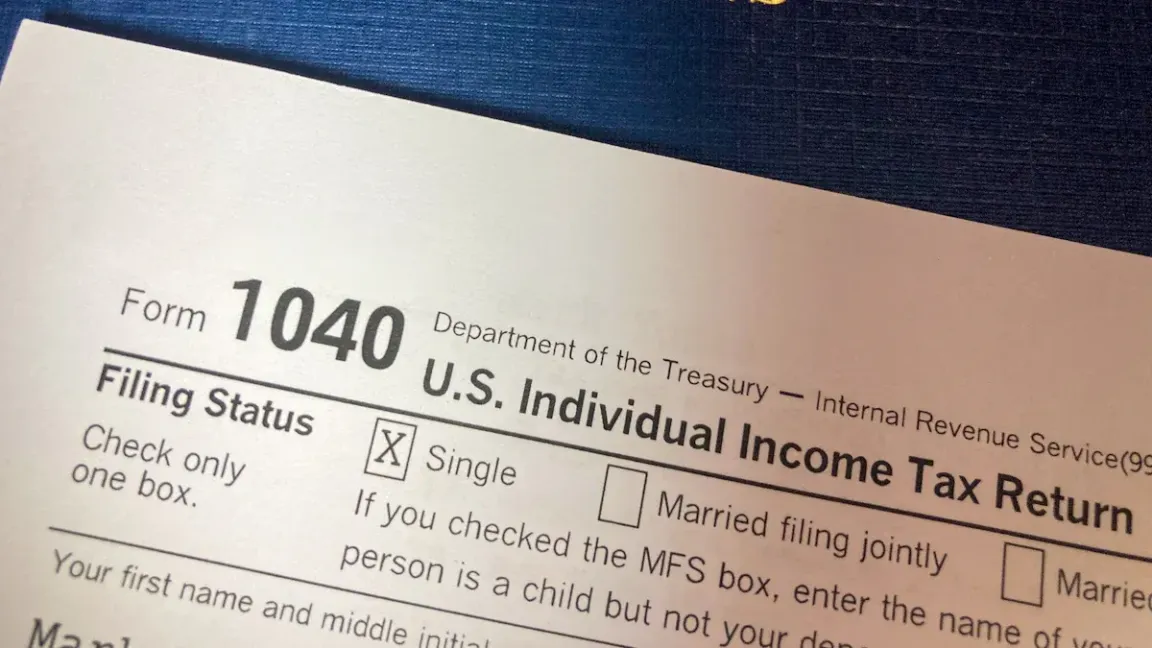
A tax declaration form is a vital document that helps you report your income, deductions, and credits to the government. It ensures that you pay the correct amount of tax based on your financial activities during the year. This form is not just a legal requirement; it also plays a key role in maintaining the fairness of the tax system. By accurately completing it, you contribute to funding essential public services like education, healthcare, and infrastructure.
The complexity of tax declaration forms has increased over the years. Recent data shows that the average time spent by the IRS on audits has risen significantly. For example:
-
Audits for incomes of $5 million and above now take 58 hours on average, compared to 19 hours in 2010.
-
For incomes between $500,000 and $5 million, the time has increased from 16 hours to 34 hours.
-
In contrast, audits for incomes below $200,000 take much less time, averaging 2 to 6 hours.
This highlights the importance of accuracy when filling out your tax declaration form. Errors can lead to delays, audits, or even penalties. Understanding the purpose of the form and its significance can help you approach the process with greater care and confidence.
Tax File Number and Personal Details
Your tax file number (TFN) is a unique identifier that links your tax records to the Australian Taxation Office (ATO). It plays a critical role in ensuring the accuracy of your tax declaration. The ATO uses TFNs to match the income you report with the payments reported by employers, banks, and other entities. This data-matching process helps maintain the integrity of the tax system and ensures that everyone pays their fair share.
When filling out the TFN declaration form, double-check all personal details, including your name, address, and date of birth. Mistakes in this section can cause processing delays or even rejection of your form. Tax authorities emphasize the importance of verifying personal information, as errors in taxpayer identification numbers or dependent details are common issues. Always ensure that your TFN matches the official records to avoid complications.
Accurate personal details also determine your eligibility for deductions, credits, and other benefits. For example, selecting the correct filing status is crucial for calculating your tax rate and claiming deductions. Additionally, providing the correct mailing address ensures that you receive important correspondence from the tax office without delays.
How to Fill Out a Tax Declaration Form
Gathering Documents (W-2s, 1099s, etc.)
Before you start filling out your tax declaration form, gather all the necessary documents. These include your W-2s, 1099s, and any other forms that report your income. Each document provides essential details about your earnings, tax withholding, and other financial activities. For example, your W-2 form shows how much tax was withheld from your paycheck, helping you determine whether you owe additional tax or qualify for a refund.
Using the wrong type of Form 1099 can lead to processing errors. Accurate completion of each box on these forms ensures proper IRS processing and compliance. Double-check the names and taxpayer identification numbers (TINs) on these forms. Mismatches can trigger IRS notices and penalties. Following IRS formatting guidelines helps prevent misinterpretation and enhances accuracy.
Keep these documents organized in a folder or digital file. This makes it easier to reference them while completing your tax declaration form. If you’re unsure about which forms you need, consult the IRS website or a tax professional for guidance.
Completing Personal Information
Accurate personal information is the foundation of a successful tax declaration. Start by entering your name, address, and tax file number (TFN) exactly as they appear on official records. Mistakes in this section can delay processing or result in rejected forms. If you’re using a paper TFN declaration form, write clearly to avoid errors.
Modern technology like Optical Character Recognition (OCR) can simplify this step. OCR automates the extraction of personal details from tax forms, reducing human error. It captures key data such as names, addresses, and social security numbers with remarkable accuracy. The IRS processes over 150 million tax returns annually, and OCR has significantly improved efficiency by reducing verification times from days to under a minute.
Whether you’re filling out a W-4 form or updating your tax return, ensure your information matches official records. This includes verifying your mailing address to receive important correspondence without delays. Accurate personal details also determine how much tax to withhold and your eligibility for deductions or credits.
Reporting Income, Deductions, and Credits
Reporting your income, deductions, and credits accurately is crucial for compliance and avoiding penalties. Begin by listing all sources of income, including wages, freelance earnings, and investment returns. Use the IRS tax tables to calculate your taxable income based on these figures.
Deductions reduce your taxable income, so include all eligible expenses. Common deductions include mortgage interest, charitable donations, and medical expenses. Credits, on the other hand, directly reduce the amount of tax you owe. Examples include the Child Tax Credit and the Earned Income Tax Credit.
The IRS emphasizes the importance of precise reporting. For instance, taxpayers analyzing qualified research activities must meet rigorous standards. Statistical sampling methods must adhere to strict guidelines, highlighting the need for accuracy in reporting income, deductions, and credits.
Review your entries carefully before submitting your tax declaration form. Errors in this section can lead to audits or penalties. If you’re unsure about any part of the process, consult a tax professional or use online tax tools for assistance.
Tips for Using IRS Tax Tables
Using IRS tax tables can simplify the process of determining how much tax you owe. These tables provide a quick way to calculate your taxable income and match it with the correct tax bracket. Here are some tips to help you use them effectively:
-
Understand the Layout of the Tax Tables
IRS tax tables are organized by income ranges and filing statuses. Locate the row that matches your taxable income and the column that corresponds to your filing status. Filing statuses include single, married filing jointly, married filing separately, and head of household. Make sure you select the correct column to avoid errors. -
Use the Correct Tax Year Table
Always use the tax table for the year you are filing. For example, if you are completing your tax declaration form for 2025, ensure you reference the 2025 IRS tax tables. Using an outdated table can lead to incorrect calculations and potential penalties. -
Round Your Income Properly
When using the tax tables, round your taxable income to the nearest dollar. This ensures accuracy and aligns with IRS guidelines. For example, if your taxable income is $45,678.50, round it to $45,679 before locating it in the table. -
Double-Check Your Filing Status
Your filing status affects how much tax to withhold and the tax rate applied to your income. If you are unsure about your status, review the IRS guidelines or consult a tax professional. Selecting the wrong status can result in overpaying or underpaying your taxes. -
Combine Tax Tables with Other Tools
While tax tables are helpful, combining them with online tax calculators can provide a more accurate estimate. These tools allow you to input additional details, such as deductions and credits, which the tables do not account for. This is especially useful when you fill out a w-4 or update your tax return. -
Seek Help if Needed
If you find the tax tables confusing, do not hesitate to seek assistance. You can consult the IRS website, use online resources, or hire a tax professional. Understanding how to use the tables correctly ensures that your tax declaration form is accurate and compliant.
By following these tips, you can confidently use IRS tax tables to calculate your taxes. This step is crucial for completing your tfn declaration form and ensuring your tax return is error-free.
Avoiding Common Errors
Mistakes in Personal Information
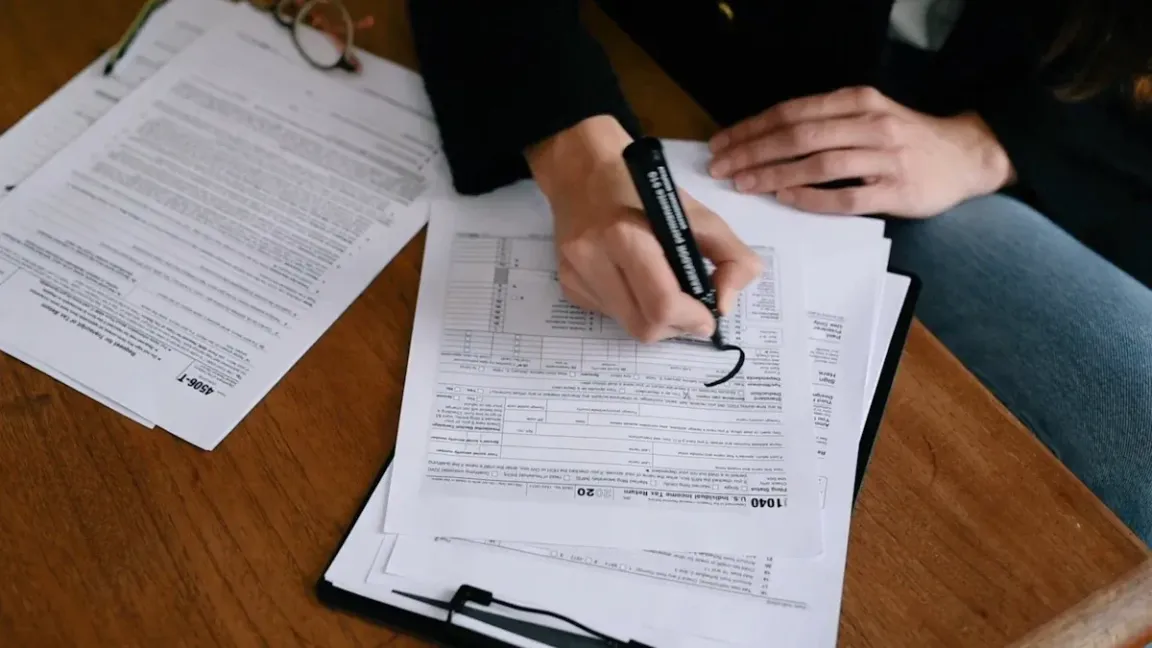
Errors in personal information can delay your tax declaration form or even lead to rejection. Common mistakes include mismatched identification numbers, incorrect names, and invalid report types. These errors often occur when forms are filled out in a rush or without proper verification. Below is a table highlighting frequent issues:
To avoid these issues, double-check all personal details before submission. Ensure your name, address, and identification numbers match official records. This step is crucial for accurate tax processing.
Misreporting Income or Deductions
Misreporting income or deductions is a common error that can lead to audits or penalties. Taxpayers often make these mistakes due to overlooked details or missing documentation. Here are some frequent issues:
-
Overlooked Side Income: Forgetting to report income from side jobs or hobbies.
-
Incorrectly Claimed Dependents: Errors in claiming dependents, especially in blended families.
-
Not Having Proof of Purchases: Failing to keep receipts or documentation for deductions.
To prevent these errors, keep detailed records of all income sources and expenses. Use tools like a w-4 form to calculate how much tax to withhold accurately. Proper documentation ensures your tax return is correct and compliant.
Leaving Fields Blank
Blank fields on your tax declaration form can cause processing delays or rejections. Every section of the form serves a purpose, whether it’s for calculating tax withholding or determining eligibility for credits. For example, leaving the filing status blank can result in incorrect tax calculations. Always review your form to ensure all fields are complete. If a section doesn’t apply to you, write “N/A” instead of leaving it empty. This simple step helps avoid confusion and ensures smooth processing.
Missing Deadlines
Missing deadlines when filing your tax declaration form can lead to serious consequences. Tax authorities impose penalties to encourage timely submissions and maintain compliance. Understanding these penalties can help you avoid unnecessary stress and financial loss.
One of the most common penalties is the failure-to-file penalty. This starts at 5% of unpaid taxes for each month your form is late. The penalty can increase up to 25% if the delay continues. Additionally, financial penalties vary depending on the type of form and the length of the delay. For example:
Missing deadlines doesn’t just result in financial penalties. It can also increase scrutiny of your tax records. Tax authorities may flag your account for audits, which can complicate future submissions. This added scrutiny can make the process more stressful and time-consuming.
To avoid these issues, you should plan ahead and stay organized. Here are some tips to help you meet deadlines:
-
Mark important dates on your calendar or set reminders on your phone.
-
Gather all necessary documents, such as W-2s and 1099s, well in advance.
-
Use online tools to track deadlines and file your forms electronically.
By staying proactive, you can ensure your tax declaration form is submitted on time. This will save you money and reduce the risk of complications.
Adjusting or Updating the Tax Declaration Form
Reasons for Adjustments
Life changes often require you to adjust your tax declaration form to reflect your current financial situation. For example, getting a second job increases your tax liability, which may necessitate updating your W-4 form. Similarly, changes in your spouse's employment can shift your joint tax bracket, requiring a review of withholdings. Other common reasons include unemployment, marital status changes, or the birth or adoption of a child. Each of these events can impact your tax obligations and eligibility for credits.
Here’s a breakdown of common reasons for adjustments:
-
Getting a second job.
-
Changes in your spouse's employment.
-
Unemployment during the year.
-
Marriage or divorce.
-
Birth or adoption of a child.
Staying proactive about these changes ensures your tax declaration remains accurate and compliant.
Filing Amendments
Filing an amended tax return allows you to correct errors in a previously submitted form. This includes mistakes like misreporting income, overlooking deductions, or claiming incorrect credits. An amended return also provides an opportunity to claim refunds for credits you initially missed. For example, if you forgot to report a tax credit for a dependent, filing an amendment can help you recover that amount.
The benefits of filing amendments include avoiding penalties and fulfilling your legal duty to pay the correct tax. Tax professionals emphasize the ethical obligation to correct errors, as it ensures compliance and prevents complications. Here’s a summary of the advantages:
Filing an amendment is a straightforward process. Use Form 1040-X to make corrections and submit it promptly to avoid further issues.
Tips for Future Accuracy
Improving the accuracy of your tax declarations starts with leveraging modern tools and resources. Automation technologies, such as AI-powered tax software, reduce human errors and streamline the preparation process. These tools allow you to focus on strategic decisions while ensuring compliance with tax laws. Additionally, tax law software annotations provide clarity on complex regulations, helping you interpret legal language and apply it correctly.
By adopting these technologies, you can enhance the accuracy of your tax filings and minimize the risk of errors. Staying informed about tax laws and using reliable tools ensures a smoother experience in future tax seasons.
Resources to Simplify the Process
Using Online Tax Tools and Calculators
Online tax tools and calculators can make the tax declaration process much easier. These tools reduce manual errors by providing comprehensive forms and automated calculations. They also integrate seamlessly with other software, minimizing discrepancies in your data. Onscreen review features allow you to spot and fix mistakes before submitting your form.
A return-free tax system could simplify tax filing for millions of taxpayers. These systems calculate taxes based on minimal information from you or your employer. To get the most out of online tools, follow these steps:
-
Choose secure, cloud-based software to protect your data.
-
Use time-saving features like bulk processing and e-signatures.
-
Check for errors with built-in diagnostic tools.
-
Automate repetitive tasks to save time and effort.
These tools are especially helpful when you need to fill out a w-4 or update your tax return. They streamline the process and ensure accuracy, giving you peace of mind.
Downloading Paper TFN Declaration Forms
If you prefer traditional methods, downloading a paper tfn declaration form is a reliable option. This form is essential for reporting your tax file number and other personal details. You can find it on official tax authority websites. Make sure to print the form clearly and use a pen to avoid smudges or errors.
Paper forms are useful if you don’t have access to digital tools. They also serve as a backup for your records. Keep a copy of the completed form for future reference. This ensures you have all the necessary information if you need to make adjustments later.
Seeking Professional Guidance
Sometimes, the best way to simplify your tax process is by seeking professional help. Tax professionals have the expertise to handle complex situations, such as multiple income sources or unique deductions. They can also guide you in filling out forms like the tfn declaration form accurately.
Professionals stay updated on tax laws, ensuring your compliance with current regulations. They can identify opportunities for deductions or credits that you might overlook. While this service comes at a cost, it can save you time and prevent costly mistakes. If you feel overwhelmed, consulting a professional is a wise investment.
Filing your tax declaration form doesn’t have to be stressful. Start by organizing your documents and filling out each section carefully. Use online tools or professional guidance to verify your entries and ensure accuracy. Always double-check your personal details, income, and deductions before submission. This extra step helps you avoid errors and ensures a smooth process. By staying proactive and using available resources, you can confidently complete your tax declaration with ease.
FAQ
What is a tax withholding form, and why is it important?
A tax withholding form tells your employer how much tax to withhold from your paycheck. It ensures you pay the correct amount of taxes throughout the year, avoiding large payments or refunds during tax season.
How do you know how to fill out a w-4 correctly?
To fill out a w-4, review your financial situation, including income and deductions. Use the IRS Tax Withholding Estimator for guidance. Follow the instructions on the form carefully to ensure accurate withholding.
When should you adjust your w-4?
You should adjust your w-4 after major life changes, like marriage, having a child, or getting a second job. These events can affect your tax liability, so updating the form ensures accurate withholding.
Can you file a tax declaration form online?
Yes, you can file online using IRS-approved e-filing tools or software. These platforms simplify the process by guiding you through each step and reducing errors.
What happens if you make a mistake on your tax declaration form?
If you make a mistake, file an amended return using Form 1040-X. Correcting errors promptly helps you avoid penalties and ensures compliance with tax laws.
Related content