
PNC Bank's SWIFT Code for Secure International Transfers
Author:XTransfer2025.08.18PNC Bank's SWIFT Code
When sending money internationally, accuracy is crucial. PNC Bank's swift code, PNCCUS33XXX, plays a key role in ensuring your funds reach the correct destination. This unique identifier directs your transfer to the right bank and account without errors. Using the correct swift code prevents delays and ensures smooth transactions. Whether you're transferring funds for business or personal reasons, PNC provides a secure and reliable solution for your international banking needs.
Understanding SWIFT Codes for International Money Transfers
What is a SWIFT Code?
A SWIFT code is a unique identifier used in the swift payment network to facilitate international money transfers. It consists of 8 to 11 characters that pinpoint the bank, country, location, and branch involved in the transaction. This code ensures that your funds reach the correct destination without confusion or errors.
The SWIFT system, established in 1973, revolutionized global banking by automating interbank transactions. Its first message was sent in 1977, and by 1979, the network processed over 120,000 messages daily. Today, SWIFT connects over 11,000 financial institutions across more than 200 countries, making it indispensable for cross-border payments.
Why SWIFT Codes Are Crucial for International Banking
SWIFT codes play a vital role in international money transfers by ensuring accuracy, security, and efficiency. Without them, routing funds to the correct bank and account would be challenging. These codes unify message formats and procedures globally, enabling seamless transactions across borders.
The swift payment network employs advanced encryption and strict authentication measures to protect sensitive financial data. This commitment to security has made SWIFT the preferred choice for banks worldwide.
Here’s a snapshot of SWIFT’s impact:
|
Evidence Type |
Description |
|
Historical Development |
SWIFT began operating in 1977 and gained traction quickly, with many banks integrating it by the 1980s. |
|
Standardization |
SWIFT unifies message formats and procedures globally, ensuring seamless transactions across borders. |
|
Global Reach |
SWIFT processes millions of messages daily for over 11,000 financial institutions in more than 200 countries. |
|
Security Measures |
SWIFT employs advanced encryption and strict authentication, enhancing the security of transactions. |
By using SWIFT codes, you can trust that your international money transfer will be handled with precision and care.
PNC Bank's SWIFT Code Details
Breakdown of PNCCUS33XXX (Bank Code, Country Code, Location Code, Branch Code)
PNC Bank's SWIFT code, PNCCUS33XXX, follows the standard format of a Business Identifier Code (BIC). Each segment of this code provides essential information for routing international transactions accurately. Here's a breakdown of its components:
|
Segment |
Description |
|
Bank Code |
"PNCC" identifies PNC Bank as the financial institution. |
|
Country Code |
"US" indicates that the bank is located in the United States. |
|
Location Code |
"33" specifies the bank's head office location. |
|
Branch Code |
"XXX" represents the main branch or head office of PNC Bank. |
Each part of the SWIFT code plays a critical role in ensuring your funds are directed to the correct bank and branch. For example, the bank code identifies PNC, while the country and location codes pinpoint its exact location in the U.S. The optional branch code, "XXX," signifies the head office, making it suitable for most transactions.
PNC Bank's Name, Address, and Country Information
When using PNC Bank's SWIFT code, it's important to know the associated bank details. Below is the relevant information:
|
Bank Name |
SWIFT Code |
Address |
Country |
|
PNC Bank, N.A. |
PNCCUS33XXX |
East Brunswick, NJ |
United States |
PNC Bank, N.A., operates as one of the largest financial institutions in the United States. Its SWIFT code, PNCCUS33XXX, is widely used for international transfers. The address listed above corresponds to one of its key locations, ensuring that your transactions are routed securely and efficiently.
Confirming the Correct PNC SWIFT Code for Your Transaction
Before initiating an international transfer, you must confirm that you're using the correct SWIFT code. Follow these steps to ensure accuracy:
-
Verify that the SWIFT code is either 8 or 11 characters long. For PNC Bank, the code PNCCUS33XXX is valid.
-
Check the components of the code:
-
The first four characters ("PNCC") identify PNC Bank.
-
The next two characters ("US") confirm the country.
-
The following two characters ("33") specify the location.
-
The optional last three characters ("XXX") indicate the head office.
-
-
Use the SWIFT code provided by the recipient's bank. For transfers to PNC Bank, PNCCUS33 or PNCCUS33XXX is typically required.
Using the correct SWIFT code ensures that your funds reach the intended destination without delays or errors. Double-checking the code and recipient details minimizes the risk of failed transactions.
How to Use PNC Bank's SWIFT Code for Secure Transfers
Required Information for International Money Transfers
To process a secure international money transfer using PNC Bank's SWIFT code, you need specific details. These details ensure your transaction is routed accurately and complies with global banking standards. Here's what you should gather:
-
The recipient's full name and address.
-
The recipient's bank account number.
-
The SWIFT code or BIC of the recipient’s bank.
-
The name and address of the recipient’s bank.
-
Any country-specific information required for compliance.
Local regulations may vary depending on the destination country. Transparency and security are essential, so ensure all details are accurate. Transfer limits may also apply, preventing unauthorized transactions.
By preparing this information in advance, you can streamline the process and avoid unnecessary delays.
Step-by-Step Guide to Using PNC Bank's SWIFT Code
Using PNC Bank's SWIFT code for international wire transfers is straightforward when you follow these steps:
-
Verify the SWIFT Code: Confirm that the SWIFT code for PNC Bank is PNCCUS33. Double-check each character to avoid errors.
-
Gather Recipient Information: Collect the recipient's name, address, bank account number, and their bank's SWIFT code.
-
Choose a Secure Platform: Use a reputable service provider or PNC’s online banking platform to initiate the transfer.
-
Enter Transfer Details: Input the recipient's information, including the SWIFT code, into the transfer form.
-
Specify the Amount and Currency: Indicate the amount you wish to transfer and select the appropriate currency.
-
Review and Confirm: Carefully review all details before submitting the transaction.
-
Save Transaction Records: Keep a copy of the confirmation for your records.
PNC Bank's SWIFT code facilitates international wire transfers by replacing traditional routing numbers. This ensures your funds reach the intended destination securely and efficiently.
Tips for Avoiding Errors in Transfer Details
Errors in transfer details can lead to delays or failed transactions. To avoid these issues, follow these best practices:
-
Double-Check the SWIFT Code: Verify the SWIFT code through PNC Bank’s official website or customer service.
-
Confirm Recipient Information: Ensure the recipient’s name, address, and bank account number are accurate.
-
Beware of Phishing Scams: Use secure Wi-Fi connections and strong passwords to protect sensitive data.
-
Understand Exchange Rates: Compare rates to avoid unexpected costs during currency conversion.
-
Maintain Records: Save transaction confirmations for future reference.
By taking these precautions, you can ensure your PNC international money transfer proceeds smoothly and securely.
Common Mistakes When Using SWIFT Codes
Typos and Incorrect Formats
Accuracy matters when entering SWIFT codes for international wire transfers. A single typographical error can cause your transfer to be rejected. This mistake often leads to delays, additional fees, or even funds being held for days while corrections are made. Double-checking every character in the SWIFT code ensures your transaction proceeds smoothly.
Incorrect formats also pose challenges. SWIFT codes must follow a specific structure of 8 or 11 characters. If you enter fewer or more characters, the system may reject the transfer. Even minor errors, such as swapping letters or numbers, can result in missed payments or overdraft fees. Always verify the SWIFT code format before submitting your transaction.
Missing or Incomplete Recipient Information
Incomplete recipient details can disrupt international money transfers. Missing information, such as the recipient's name, address, or bank account number, prevents the transaction from being processed. Banks require these details to ensure the funds reach the correct destination.
Different countries may have unique requirements for SWIFT codes and recipient information. Research these requirements beforehand to avoid complications. For example, some countries mandate additional identifiers, such as IBANs, alongside SWIFT codes. Providing all necessary details ensures compliance with local regulations and prevents unnecessary delays.
Using the Wrong SWIFT Code for the Transaction
Not all SWIFT codes are the same for every branch of a bank. Using the wrong code can misroute your international wire transfers, causing delays or failed transactions. For instance, PNC Bank’s SWIFT code, PNCCUS33XXX, directs funds to its head office. If your recipient’s account is linked to a different branch, you must confirm the correct SWIFT code with them.
Routing errors often result in additional fees and extended processing times. Funds may be held while the bank investigates the issue, which can take days or weeks. To avoid this, always verify the SWIFT code with the recipient or their bank.
Costs and Timeframes for PNC Bank International Transfers
Overview of PNC Bank's International Transfer Fees
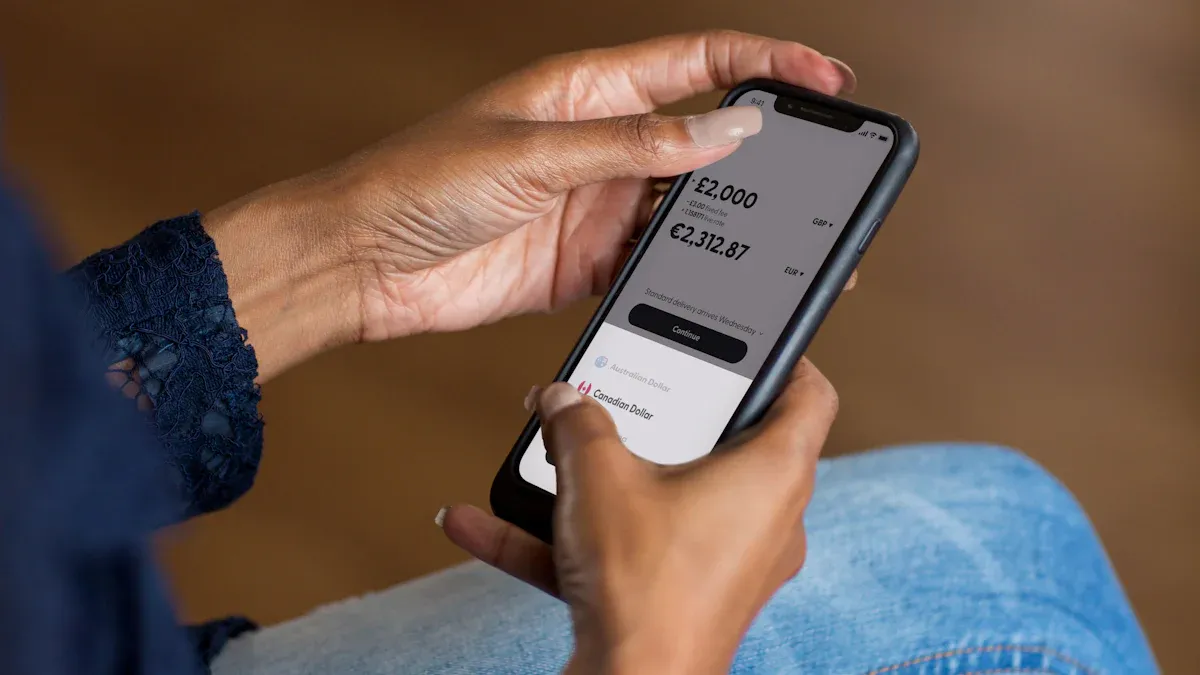
When you initiate a pnc international transfer, understanding the fees involved helps you plan better. PNC charges fees based on the type of transfer and the amount sent. For outgoing international wires, you pay $45 if assisted by an agent or $40 for self-service. Incoming international wires cost $15. Additionally, international money transfers incur a flat fee of $5.
Here’s a detailed breakdown:
|
Transfer Type |
PNC Fee |
|
Incoming international wire |
$15 |
|
Agent-assisted outgoing wire |
$45 |
|
Self-service outgoing wire |
$40 |
|
International money transfer |
$5 |
For larger amounts, fees increase due to exchange rate markups. For example, transferring $1,000 incurs a $35 fee, while sending $50,000 costs $1,505.
Exchange Rate Markups and Additional Charges
Exchange rate markups significantly impact the cost of pnc international transfers. Banks often apply inflated rates, which obscure the true cost of sending money abroad. For example, transferring $5,000 incurs a $150 markup, while sending $50,000 results in a $1,500 markup. These hidden fees can add up quickly.
|
Transfer Amount (USD) |
PNC Fee |
Exchange Rate Markup |
|
1,000 |
$35 |
$30 |
|
5,000 |
$155 |
$150 |
|
50,000 |
$1,505 |
$1,500 |
Transparency is crucial. Banks should disclose all costs upfront, including fees and exchange rate margins. A UnidosUS survey revealed that 94% of remittance users paid fees, with many spending over $50 annually. Rising foreign exchange fees, which increased by 41% from 2018 to 2023, further highlight the importance of understanding these charges.
Expected Timeframes for International Transfers
PNC international transfers typically take up to five working days to process. The duration depends on factors like the recipient’s bank and the destination country. Standard transfers follow this timeframe, ensuring your funds arrive securely.
|
Transfer Time |
PNC Duration |
|
Standard |
Up to 5 working days |
To avoid delays, double-check all transfer details before submission. Missing or incorrect information can extend processing times. By ensuring accuracy, you can trust that your funds will reach their destination on time.
Xtransfer as a Cost-Effective Alternative for International Money Transfers
When sending money internationally, high fees and hidden charges can quickly add up. Xtransfer offers a cost-effective solution that helps you save money while ensuring secure and efficient transactions. Unlike traditional banks, Xtransfer focuses on providing transparent pricing and competitive exchange rates.
Why Choose Xtransfer?
Here are some key reasons why Xtransfer stands out as a better alternative:
-
Lower Fees: Xtransfer eliminates many of the hefty fees associated with international wire transfers. You pay less, keeping more of your money.
-
Competitive Exchange Rates: Unlike banks that apply significant markups, Xtransfer offers rates closer to the mid-market rate.
-
Faster Transfers: Xtransfer processes transactions quickly, often completing them within 1–2 business days.
-
Global Reach: With access to a wide network of banks worldwide, Xtransfer ensures your funds reach their destination without delays.
Comparing Costs: Xtransfer vs. Traditional Banks
The table below highlights how Xtransfer can save you money compared to traditional banking options:
|
Service |
Traditional Banks |
Xtransfer |
|
Transfer Fee |
$40–$45 |
$5–$10 |
|
Exchange Rate Markup |
2–3% |
0.5–1% |
|
Processing Time |
3–5 business days |
1–2 business days |
By choosing Xtransfer, you avoid excessive fees and enjoy faster service. This makes it an ideal choice for both personal and business transactions.
Switching to Xtransfer can transform the way you handle international money transfers. It combines affordability, speed, and reliability, ensuring your funds reach their destination without unnecessary costs or delays.
Using the correct SWIFT code, such as PNC Bank's PNCCUS33XXX, ensures your international money transfers are secure and efficient. Double-checking recipient details, including names, account numbers, and bank information, minimizes errors and avoids delays.
For lower fees and faster transfers, consider exploring modern alternatives like Xtransfer. Traditional payment methods often involve multiple intermediaries, leading to higher costs and slower processing times. Xtransfer simplifies cross-border payments by offering:
-
Transparent pricing and competitive exchange rates.
-
Quick and secure transactions tailored to your needs.
Switching to Xtransfer can save you time and money, making it an excellent choice for international transfers.
FAQ
What happens if you use the wrong SWIFT code for a transfer?
Using an incorrect SWIFT code can misroute your funds or cause the transaction to fail. You may face delays, additional fees, or even have your money returned. Always verify the SWIFT code with the recipient’s bank before initiating the transfer.
Can you use PNC Bank’s SWIFT code for all international transfers?
PNC Bank’s SWIFT code, PNCCUS33XXX, works for most transactions. However, some transfers may require branch-specific codes. Confirm the correct SWIFT code with the recipient to ensure the funds reach the intended account without issues.
How long does an international transfer with PNC Bank take?
PNC Bank typically processes international transfers within 3–5 business days. Factors like the recipient’s bank and destination country can affect the timeframe. Double-checking transfer details helps avoid delays.
Are there limits on how much you can transfer internationally?
PNC Bank may impose limits on international transfers based on account type and destination country. Contact PNC customer service to confirm the maximum transfer amount for your transaction.
How can Xtransfer help with SWIFT code queries?
Xtransfer’s SWIFT code query platform simplifies the process of finding the correct SWIFT code for any bank worldwide. This tool reduces errors and ensures your funds are routed accurately during international transfers.
Related content