
Offshore: Meaning and Its Role Across Industries
Author:XTransfer2025.05.21off shore
The term "off shore" refers to activities or operations conducted outside a country's borders, often involving international waters or foreign territories. In business, it describes strategies like outsourcing services or relocating operations to another country. Off shore practices play a vital role in connecting global markets. For example, the outsourcing market is projected to grow at a compound annual rate of 4.5%, reaching $130 billion by 2030. Countries like India and the Philippines lead this trend, showcasing the economic impact of off shore activities. These practices demonstrate how industries adapt to globalization by leveraging international opportunities.
What Does Offshore Mean?
Definition and General Meaning
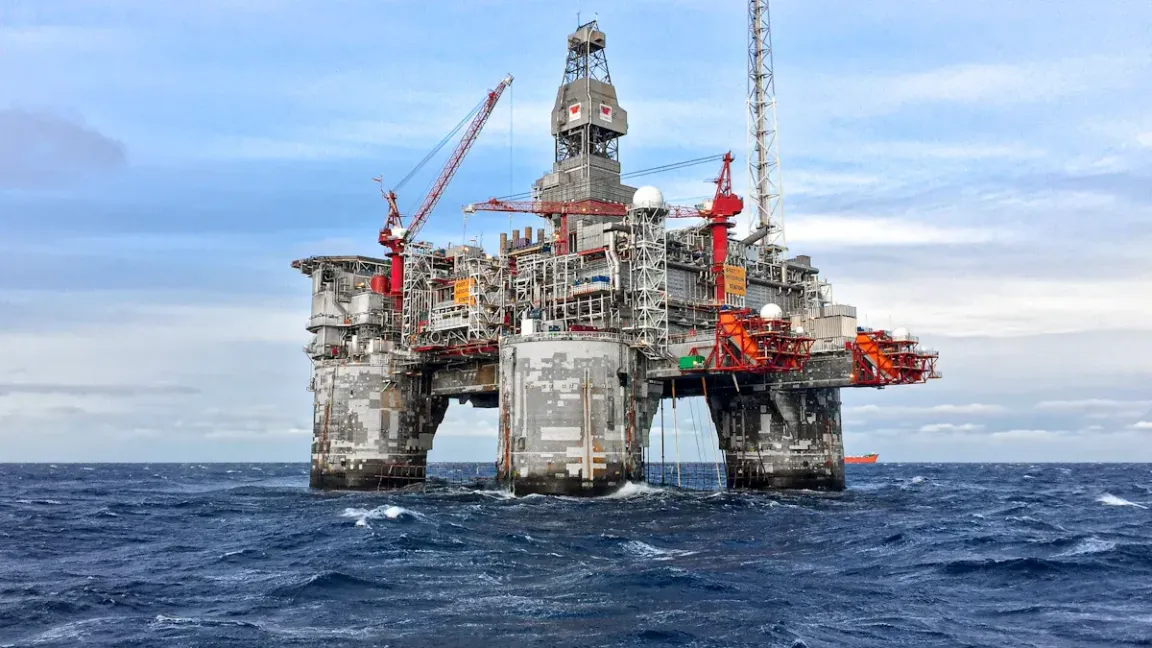
Offshore refers to activities or operations conducted outside a country’s borders. The term often describes processes that take place in international waters or foreign territories. For example, in the oil and gas industry, offshore involves extracting resources from beneath the seabed using platforms or rigs. Offshore renewable energy, such as wind farms, is established in oceans to harness consistent wind speeds. These definitions highlight how offshore applies to various sectors, each with unique characteristics.
In a broader sense, offshore also relates to financial and business practices. It often involves moving operations, investments, or assets to offshore jurisdictions. These locations, like the Cayman Islands or Switzerland, offer favorable conditions such as lower taxes, reduced regulations, and enhanced confidentiality. Offshore accounts and offshore investing are common strategies for asset protection and tax avoidance. By leveraging these benefits, businesses and individuals can optimize their financial strategies.
Offshore in Geographical and Business Contexts
Geographically, offshore refers to locations away from the mainland, often in oceans or seas. This definition is crucial in industries like energy production, where offshore wind farms and oil rigs operate in remote waters. These setups take advantage of natural resources unavailable onshore. For instance, offshore wind farms benefit from stronger and more consistent winds found at sea.
In a business context, offshore describes relocating processes or operations to foreign countries. Companies often outsource tasks like customer service, IT support, or manufacturing to offshore locations. This approach reduces costs and provides access to a global talent pool. Offshore activities also include establishing offshore accounts or companies in jurisdictions with lenient tax laws. These practices help businesses minimize tax liabilities and enhance operational efficiency.
A study on offshore operations highlights the role of distance in managing these activities. While geographical separation poses challenges, advancements in information technology have improved communication and coordination. For example, IT tools formalize communication, reducing the impact of distance on offshore processes. This integration of technology ensures smoother operations across borders.
Importance in a Globalized Economy
Offshore practices play a vital role in today’s interconnected world. They enable businesses to expand beyond their home countries, tapping into global markets and resources. For instance, offshore activities like outsourcing create opportunities for companies to reduce costs and improve efficiency. These practices also foster international collaboration, driving innovation and economic growth.
Economic studies reveal the impact of offshore practices on employment. While offshoring may lead to job losses in some areas, it creates opportunities in others. For example, tax treaties that lower effective tax rates for foreign affiliates can increase employment at domestic parent firms. This dynamic showcases the complex relationship between offshore activities and labor markets.
Offshore investing also contributes to the global economy by attracting capital to offshore jurisdictions. These locations offer favorable conditions for businesses and investors, promoting economic activity. However, the use of offshore accounts and tax avoidance strategies has sparked debates about fairness and transparency. Despite these controversies, offshore practices remain a cornerstone of globalization, shaping the way industries operate worldwide.
Applications of Offshore Across Industries

Offshore Banking and Financial Services
Offshore banking offers you the opportunity to manage your finances in offshore jurisdictions that provide favorable conditions. These jurisdictions, such as the Cayman Islands or Switzerland, are known for their low tax rates, confidentiality, and asset protection benefits. By opening offshore accounts, you can diversify your financial portfolio and safeguard your wealth. Offshore banking also supports international businesses by facilitating cross-border transactions and currency management.
However, offshore banking has sparked debates about tax avoidance and transparency. While it provides legitimate benefits, some individuals and companies misuse offshore accounts for unethical purposes. As a result, governments worldwide have implemented stricter regulations to ensure compliance and prevent illegal activities.
Offshore Energy Production
Offshore energy production plays a crucial role in meeting global energy demands. Offshore drilling extracts oil and gas from beneath the seabed, while offshore wind farms harness wind energy to generate electricity. These offshore activities take advantage of natural resources unavailable onshore, contributing to energy security and sustainability.
To understand the potential of offshore energy, consider the findings from CMIP6 projections:
These insights highlight the importance of offshore investments in renewable energy, especially as the world transitions to cleaner energy sources.
Offshore Business Process Outsourcing
Offshore business process outsourcing (BPO) allows companies to delegate tasks like customer service, IT support, and data entry to offshore locations. This strategy helps businesses reduce costs, access skilled talent, and focus on core operations. Offshore BPO has become a cornerstone of international business process outsourcing, driving economic growth in countries like India and the Philippines.
Industry reports provide valuable insights into offshore BPO:
By leveraging offshore business process outsourcing, you can enhance efficiency and remain competitive in a globalized economy.
Advantages and Challenges of Offshore Practices
Benefits: Cost savings, tax advantages, and global talent access
Offshore practices offer significant benefits that can transform how you manage your business. By relocating operations or utilizing offshore jurisdictions, you can reduce costs, access global talent, and take advantage of favorable tax laws. For example, offshore business process outsourcing allows you to delegate tasks like customer service or IT support to countries with lower labor costs. This approach not only saves money but also ensures access to skilled professionals who specialize in these services.
Offshore investing and offshore accounts provide additional financial advantages. High-net-worth individuals and companies often use offshore financial centers for asset protection and tax optimization. These centers offer confidentiality and reduced tax rates, enabling you to safeguard your wealth while maximizing returns.
A study highlights the economic benefits of offshoring:
These figures demonstrate how offshore activities contribute to economic growth and create opportunities for businesses and individuals alike.
Challenges: Legal risks, ethical concerns, and compliance issues
While offshore practices offer benefits, they also come with challenges that you must address. Legal risks are a major concern. Non-compliance with local trade laws can result in fines or confiscated goods. Partnering with compliance specialists ensures that your offshore activities align with regulations.
Ethical concerns also arise in offshore operations. Developing robust whistleblower policies encourages accountability and helps detect compliance violations early. This proactive approach fosters transparency and builds trust with stakeholders.
Compliance issues require careful attention. Adhering to environmental regulations and financial compliance standards is essential to avoid legal penalties and maintain operational integrity. For example:
-
Legal Risks: Non-compliance with local trade laws can lead to fines or confiscated goods.
-
Ethical Concerns: Developing robust whistleblower policies encourages accountability and helps detect compliance violations early.
-
Compliance Issues: Adhering to environmental regulations and financial compliance standards is essential to avoid legal penalties and maintain operational integrity.
By addressing these challenges, you can ensure that your offshore investments and activities remain sustainable and ethical.
Public perception and controversies
Offshore practices often face scrutiny from the public due to concerns about transparency, environmental impact, and fairness. For instance, offshore wind farms have sparked debates about their effects on marine ecosystems and migratory bird populations. Critics argue that these projects increase ocean noise and disrupt wildlife. However, studies show that vessel strikes and fishing gear entanglements pose greater threats to marine life than offshore activities.
A survey highlights the controversies surrounding offshore operations:
Public perception also extends to offshore financial practices. Offshore accounts and offshore companies are often associated with tax avoidance, which raises ethical questions. While these practices provide legitimate benefits, misuse can lead to reputational damage and stricter regulations.
Understanding these controversies helps you navigate the complexities of offshore activities and make informed decisions that align with your values and goals.
The Future of Offshore Practices
Technological Advancements and Offshore Operations
Technology continues to revolutionize offshore operations, making them safer, more efficient, and environmentally sustainable. Automation and artificial intelligence (AI) are transforming business process outsourcing by streamlining repetitive tasks. This shift reduces reliance on low-cost labor and enhances productivity. For example, modern offshore oil and gas activities now utilize state-of-the-art drilling rigs equipped with automation. These rigs improve safety and lower operational costs.
Key advancements include:
-
Sophisticated Data Analytics Software: Real-time insights optimize rig performance and minimize downtime.
-
Advanced Imaging Technology: High-resolution 3D seismic imaging speeds up drilling and reduces risks.
These innovations align with sustainability goals by tracking emissions and preventing spills. As technology evolves, offshore activities will become more efficient and environmentally friendly.
Globalization and Evolving Offshore Trends
Globalization continues to shape offshore business practices. Emerging markets in Africa, Latin America, and Eastern Europe are becoming attractive for business process outsourcing due to their growing workforce and favorable policies. Trade volumes and cross-border capital flows highlight the increasing interdependence among economies.
Technology also plays a pivotal role in globalization. AI and IoT are reshaping production processes and supply chain management. A McKinsey report suggests that automation could boost productivity by 1.4% annually in some sectors. This demonstrates how offshore business process outsourcing adapts to global trends, ensuring competitiveness in international business process outsourcing.
Sustainability and Ethical Considerations
Sustainability and ethics are becoming central to offshore practices. Companies are focusing on reducing their environmental impact and promoting responsible operations. Research emphasizes the need for collaboration between scientists and decision-makers to address human activity's effects on ocean health. For instance:
-
Studies advocate for a global moratorium on deep seabed mining to protect marine ecosystems.
-
Ethical considerations highlight the importance of reducing plastic pollution through collaborative efforts.
Offshore investing and offshore accounts also face scrutiny for their ethical implications. While these practices offer financial benefits, they must align with sustainability goals. By adopting transparent and responsible strategies, you can ensure that offshore business activities contribute positively to the environment and society.
Offshore practices have reshaped industries by enabling operations beyond national borders. From offshore bank accounts to energy production, these strategies optimize resources and expand global reach. They offer cost savings, access to specialized skills, and tax benefits. However, challenges like cultural differences and compliance risks require careful management.
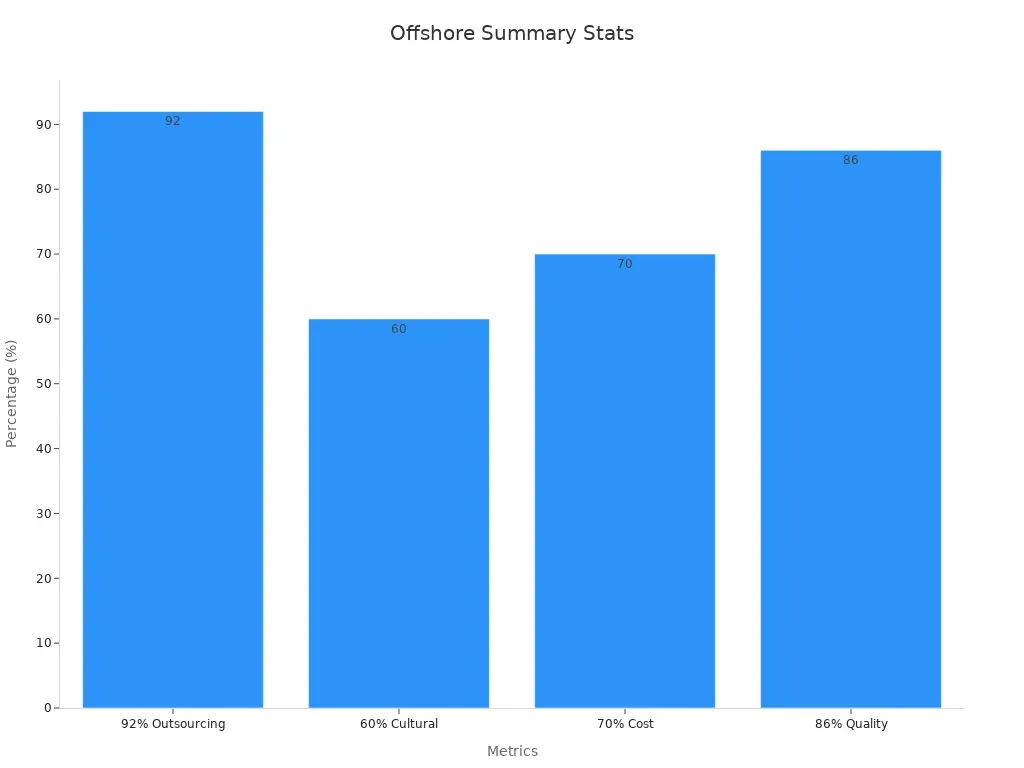
The future of offshore practices looks promising. Offshore financial institutions are adopting AI and automation to enhance efficiency and sustainability. Innovations like Sodexo’s WasteWatch and MySodexo app improve operations and worker satisfaction. These advancements ensure offshore practices remain relevant in a rapidly evolving global economy.
FAQ
What is the difference between offshore and onshore?
Offshore refers to activities conducted outside your country, often in foreign territories or international waters. Onshore involves operations within your home country. Offshore practices typically aim to reduce costs or access global resources, while onshore focuses on local markets and regulations.
Why do companies choose offshore outsourcing?
Companies choose offshore outsourcing to save costs, access skilled talent, and improve efficiency. Offshore locations often offer lower labor costs and specialized expertise. This strategy allows businesses to focus on core operations while delegating non-core tasks to external providers.
Are offshore practices legal?
Yes, offshore practices are legal when you comply with international and local laws. However, some activities, like tax avoidance or money laundering, can lead to legal issues. Always consult legal experts to ensure your offshore operations follow regulations.
How does offshore energy production benefit the environment?
Offshore energy production, like wind farms, generates renewable energy with minimal carbon emissions. It reduces reliance on fossil fuels and supports global sustainability goals. Offshore wind farms also harness stronger, more consistent winds, making them an efficient source of clean energy.
What are the risks of offshore banking?
Offshore banking risks include regulatory changes, currency fluctuations, and potential misuse for illegal activities. You must ensure compliance with tax laws and choose reputable financial institutions. Proper planning and legal advice can help you mitigate these risks effectively.
Related content