
Never Struggle with Dropshipping Again—Here’s How
Author:XTransfer2025.12.08dropshipping
Are you dreaming of starting your own online store but don’t want to deal with managing inventory? Dropshipping might be the perfect solution for you. It’s a low-risk way to run a business without stocking products yourself. Did you know the global dropshipping market is expected to hit $476.1 billion by 2026? Plus, over 27% of online retailers already use this model to fulfill orders. With the right approach, you can turn dropshipping into a success story of your own.
What is Dropshipping and Why It’s a Great Business Model
Understanding Dropshipping
Dropshipping is a way to run an online store without keeping products in stock. Instead of buying inventory upfront, you partner with suppliers who handle storage, packaging, and shipping. When a customer places an order, you forward it to the supplier, who ships the product directly to them. This means you don’t have to worry about managing inventory or dealing with shipping logistics.
The dropshipping business model is growing fast. In 2023, the global dropshipping market was valued at $276.71 billion and is expected to reach $1,253.79 billion by 2030. That’s an annual growth rate of 23.4%! This growth shows how effective and accessible this model is for entrepreneurs like you.
Benefits of Starting a Dropshipping Business
Why is dropshipping so appealing? For starters, it’s cost-effective. You don’t need to invest in inventory, which lowers your startup costs. Plus, you only pay for products after you’ve made a sale, reducing financial risks.
Here are some key benefits:
-
No need for a warehouse or storage space.
-
Lower operational costs compared to traditional businesses.
-
Flexibility to sell a wide range of products without stocking them.
-
The ability to scale quickly by adding new products to your store.
Dropshipping also aligns perfectly with the rise of online shopping. By 2025, over 285 million people are expected to shop online, generating more than $300 billion in sales through dropshipping. This makes it a lucrative option for anyone looking to start an ecommerce business.
Why Dropshipping is Perfect for Beginners
If you’re new to running a business, dropshipping is a great place to start. It’s beginner-friendly because it doesn’t require a large upfront investment or advanced technical skills. You can focus on marketing and building your brand while suppliers handle the heavy lifting.
Here’s why it’s ideal for beginners:
-
You don’t need to manage inventory or shipping.
-
It’s easy to test different niches and find what works.
-
You can start small and scale as you grow.
-
It offers higher profit potential compared to affiliate marketing.
With dropshipping, you can dive into the world of ecommerce without the stress of traditional business models. It’s a flexible, low-risk way to turn your entrepreneurial dreams into reality.
Step-by-Step Guide to Start a Dropshipping Business
Researching and Choosing a Niche
The first step to start a dropshipping business is to choose the right niche. A niche is a specific category or market you’ll focus on. Picking the right one can make or break your business. So, how do you find the perfect niche? Start by researching trends, customer needs, and market gaps.
Here’s a quick way to evaluate potential niches:
|
Metric |
Description |
|---|---|
|
Market Share |
Look at how much of the market competitors control. |
|
Pricing Strategies |
Study how competitors price their products. |
|
Customer Reviews |
Read reviews to understand what customers like or dislike. |
When researching, aim for evergreen products—items that sell year-round. For example, fitness gear, pet supplies, or home office essentials are always in demand. Avoid seasonal products unless you’re prepared for fluctuating sales.
Finding Reliable Dropshipping Suppliers
Once you’ve chosen your niche, the next step is to find dropshipping suppliers. Reliable suppliers are the backbone of your business. They handle inventory, shipping, and sometimes even returns. But how do you find dropshipping suppliers you can trust?
Here are some key factors to look for:
-
Quick response times.
-
Fast shipping options.
-
A reliable payment system.
-
A good return policy.
-
Easy contact methods like phone, email, or 24/7 online chat.
-
A wide selection of products at competitive prices.
-
Positive supplier ratings on third-party sites.
-
A strong online presence.
-
Availability of product samples.
-
Business longevity.
You can find dropshipping suppliers through platforms like AliExpress, Oberlo, or SaleHoo. Always test a supplier before committing. Order a sample product to check the quality and shipping speed. This ensures your customers will have a great experience.
Setting Up Your Online Store
Now that you’ve picked a niche and found reliable suppliers, it’s time to set up your online store. Your store is where customers will browse and buy your products, so it needs to be user-friendly and visually appealing.
Here’s a breakdown of what you’ll need:
|
Step |
Description |
Numerical Data |
|---|---|---|
|
1 |
Product Selection |
Target evergreen products to minimize risk. |
|
2 |
Store Setup |
Allocate a startup budget of $200. |
|
3 |
Marketing |
Aim for $1,000 in profit within four weeks. |
|
4 |
Sales Process |
Sell for $100, pay $30 to the supplier, keep $70 profit. |
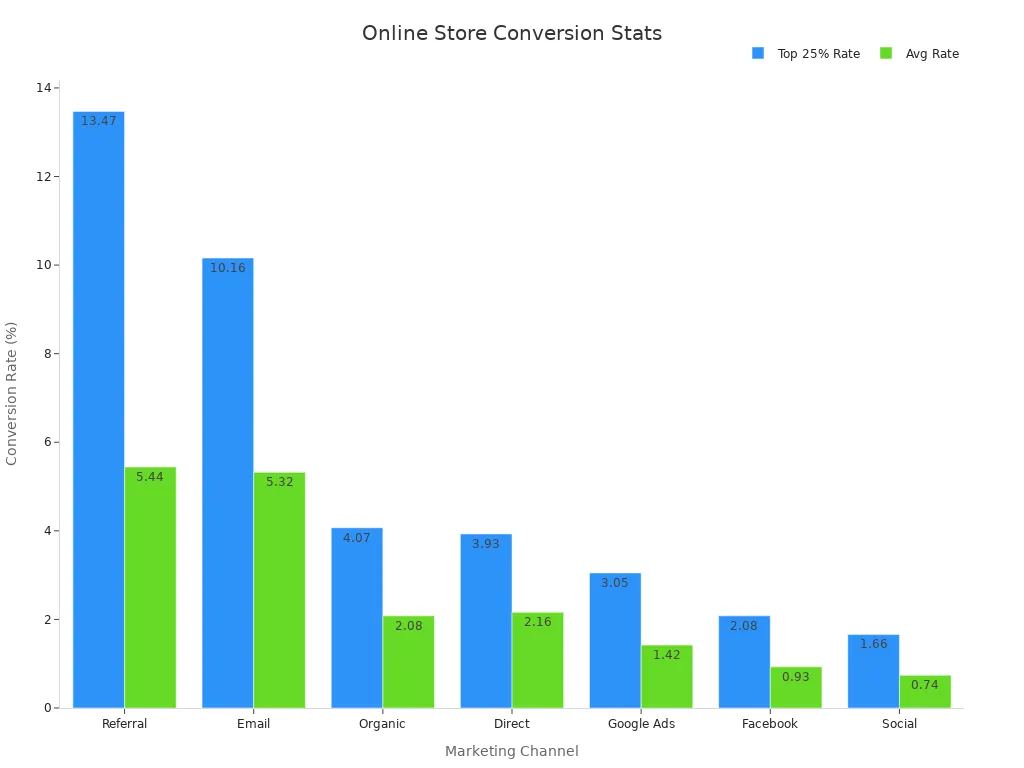
When setting up your store, focus on creating a seamless shopping experience. Use platforms like Shopify or WooCommerce to build your store quickly. Make sure your site is mobile-friendly, as 1.8% of mobile users convert into buyers. Also, optimize your store for speed and navigation to reduce cart abandonment, which averages 69.8%.
Here’s a quick look at how conversion rates vary by channel:
|
Channel |
Top 25% Conversion Rate |
Average Conversion Rate |
|---|---|---|
|
Referral |
13.47% |
5.44% |
|
|
10.16% |
5.32% |
|
Organic |
4.07% |
2.08% |
|
Direct |
3.93% |
2.16% |
|
Google Ads |
3.05% |
1.42% |
|
|
2.08% |
0.93% |
|
Social |
1.66% |
0.74% |
Integrating Payment Gateways for Success
Setting up secure and reliable payment gateways is a critical step in building trust with your customers and ensuring smooth transactions in your dropshipping business. A payment gateway acts as the bridge between your store and your customers' payment methods, making it easy for them to complete purchases. Without a good payment system, you risk losing sales and damaging your store's reputation.
So, how do you choose the right payment gateway? Start by considering your target audience. If you're selling globally, look for gateways that support multiple currencies and payment methods. For example, platforms like PayPal and Stripe are widely accepted and offer fraud protection, which is essential for building customer confidence.
Here’s a quick look at how businesses have benefited from integrating secure payment gateways:
|
Business Name |
Payment Gateway |
Key Insights |
Challenges Faced |
Strategies Employed |
|---|---|---|---|---|
|
Bella’s Boutique |
PayPal |
Increased customer confidence and conversions through an accepted payment method. |
Initial inventory management struggles. |
Used PayPal’s invoicing and offered discounts for PayPal users to boost sales. |
|
TechTrends |
2Checkout |
Global coverage and fraud protection features helped in high-risk markets. |
Fraud and chargebacks in high-risk areas. |
Utilized analytics for early fraud detection and implemented stringent verification. |
|
Indian Apparel Co. |
RazorPay |
Supported diverse payment preferences in India, enhancing customer trust. |
Dynamic market and cash management issues. |
Encouraged UPI usage with discounts and highlighted secure payment features. |
Listing Products to Start Dropshipping
Once your store is ready, it’s time to list your products. This step is more than just uploading images and descriptions—it’s about creating a shopping experience that convinces customers to buy. A well-planned product listing can make all the difference in your dropshipping success.
Here’s what you need to focus on when listing products:
-
Use high-quality images from multiple angles. Customers want to see exactly what they’re buying.
-
Write detailed product descriptions that highlight key features and benefits. For example, if you’re selling fitness gear, mention how it improves workouts or enhances comfort.
-
Research your target audience to understand their preferences. This helps you tailor your listings to what they’re looking for.
Identifying a niche market is also crucial. By focusing on a specific category, you can target customers more effectively. Tools like Google Trends can help you spot popular products and emerging trends. For instance, if you notice a rise in demand for eco-friendly home office supplies, you can add those to your store.
Operating Your Dropshipping Business for Success
Managing Orders and Inventory Seamlessly
Managing orders and inventory efficiently is the backbone of your dropshipping business. Without proper systems in place, you risk delays, errors, and unhappy customers. Automation tools can help you streamline these processes, saving time and boosting accuracy.
Here’s how automation can transform your operations:
-
Reduced errors ensure customers receive the right products every time.
-
Faster order fulfillment improves delivery times, keeping customers satisfied.
-
Real-time stock updates prevent overselling and stockouts, maintaining trust.
-
Optimized tracking systems provide visibility into shipping status, reducing confusion.
-
Increased efficiency allows you to handle more orders and suppliers simultaneously, maximizing growth potential.
AI-powered systems take it a step further. They predict supply chain issues, like delayed shipments or inventory shortages, so you can respond proactively. Automated supply chains also reroute orders to available suppliers and adjust inventory across warehouses, ensuring smooth operations.
To get started, explore tools like Oberlo or Spocket. These platforms integrate with your store and automate order routing, inventory updates, and tracking. By leveraging automation, you’ll free up time to focus on growing your brand and increasing your profit margins.
Marketing Strategies to Drive Traffic
Marketing is the lifeblood of your dropshipping business. Without it, your store won’t attract visitors, and you won’t make sales. The good news? You don’t need a massive budget to create effective campaigns. With the right strategies, you can drive traffic and build your brand.
Start by identifying your target audience. Who are your ideal customers? What are their interests and pain points? Once you know this, you can tailor your marketing efforts to resonate with them. For example, if you’re selling eco-friendly products, highlight their sustainability and environmental benefits.
Here are some proven marketing strategies:
-
Social Media Marketing: Platforms like Instagram and TikTok are perfect for showcasing your products. Use engaging visuals and short videos to grab attention.
-
Content Marketing: Create blog posts, guides, or videos that educate your audience. For instance, if you sell fitness gear, share workout tips or routines.
-
Email Marketing: Build an email list and send personalized offers or updates. Emails have an average conversion rate of 5.32%, making them a powerful tool.
-
Search Engine Optimization (SEO): Optimize your store and product listings for search engines. This helps you rank higher in search results, driving organic traffic.
-
Paid Ads: Invest in Google Ads or Facebook Ads to reach a larger audience. Start small and scale as you see results.
Consistency is key. Regularly analyze your campaigns to see what’s working and adjust your strategies accordingly. Remember, marketing isn’t just about driving traffic—it’s about building a loyal customer base that trusts your brand.
Providing Excellent Customer Service
Customer service can make or break your dropshipping business. In fact, 73% of consumers are willing to spend more on a brand that offers excellent service. By prioritizing your customers’ needs, you’ll not only boost sales but also build long-term loyalty.
Here’s how to deliver top-notch service:
-
Respond to inquiries quickly. Whether it’s through email, chat, or social media, aim to reply within 24 hours.
-
Be transparent about shipping times and policies. Customers appreciate honesty, especially when it comes to delivery expectations.
-
Handle complaints professionally. If a customer receives a damaged product, offer a replacement or refund without hesitation.
-
Provide clear tracking information. Automated tracking systems make this easy, giving customers peace of mind about their orders.
-
Go the extra mile. Include a thank-you note or small gift with orders to show appreciation.
Investing in customer service tools can help you stay organized. Platforms like Zendesk or Freshdesk allow you to manage inquiries, track issues, and maintain a high level of service. Happy customers are more likely to leave positive reviews, recommend your store, and return for future purchases.
By focusing on quality service, you’ll set your brand apart in the competitive drop shipping marketplace. This not only increases your profit margins but also ensures long-term dropshipping success.
Analyzing and Optimizing Your Dropshipping Business
Running a dropshipping business isn’t just about setting it up and hoping for the best. To truly thrive, you need to analyze your performance regularly and make adjustments. Think of it as fine-tuning a car—you’re ensuring everything runs smoothly and efficiently. Let’s dive into how you can do this.
Track Key Performance Indicators (KPIs)
To know how your business is doing, you need to track the right metrics. KPIs give you a clear picture of what’s working and what needs improvement. Here are some important ones to monitor:
-
Conversion Rates: This tells you how many visitors are turning into customers. A higher rate means your store is convincing and user-friendly.
-
Customer Acquisition Cost (CAC): This shows how much you’re spending to get a new customer. Lowering this cost can boost your profits.
-
Average Order Value (AOV): This measures how much customers spend per order. Increasing this can significantly grow your revenue.
-
Supplier Performance Index: This evaluates how well your suppliers are meeting expectations. Reliable suppliers reduce delays and improve customer satisfaction.
-
Net Promoter Score (NPS): This reflects how likely customers are to recommend your store. A higher score means happier customers.
By keeping an eye on these metrics, you’ll spot growth opportunities and areas that need attention.
Optimize Your Product Listings
Your product listings are the heart of your store. If they’re not optimized, you could lose potential sales. Start by reviewing your product descriptions. Are they clear and engaging? Do they highlight the benefits of the product? Use keywords naturally to improve search engine visibility.
Next, check your images. High-quality photos from multiple angles can make a big difference. Customers want to see exactly what they’re buying. If possible, include videos or GIFs to showcase the product in action.
Finally, experiment with pricing. Small adjustments can impact your sales. For example, offering discounts or bundling products can encourage customers to buy more.
Evaluate Supplier Performance
Your suppliers play a huge role in your success. If they’re not reliable, your business will suffer. Regularly assess their performance to ensure they’re meeting your standards.
Ask yourself:
-
Are they delivering products on time?
-
Is the product quality consistent?
-
Do they communicate effectively?
If a supplier isn’t meeting expectations, don’t hesitate to look for alternatives. A strong Supplier Performance Index can reduce operational costs and improve your marketing efforts. Reliable suppliers also help you build trust with your customers.
Reduce Operational Costs
Cutting unnecessary expenses can free up resources for growth. Start by analyzing your current costs. Are there tools or services you’re paying for but not using? Cancel them.
Automation can also save you money. Tools like Oberlo or Spocket streamline order processing and inventory management. This reduces errors and speeds up operations. Lower costs mean you can invest more in marketing or improving customer service.
Continuously Test and Improve
Dropshipping isn’t a “set it and forget it” business. You need to test different strategies and see what works best. For example, try running A/B tests on your website. Change one element, like the color of a button or the layout of a page, and see how it affects conversions.
You should also experiment with marketing campaigns. Test different ad formats, platforms, or audiences. Track the results and focus on what delivers the best return on investment.
Use Data to Make Informed Decisions
Data is your best friend in dropshipping. It helps you understand your customers, identify trends, and make smarter decisions. Use analytics tools like Google Analytics or Shopify’s built-in dashboard to gather insights.
For example, if you notice a product isn’t selling well, dig into the data. Is it priced too high? Are customers leaving negative reviews? Use this information to make changes and improve your offerings.
Stay Ahead of Trends
The ecommerce world moves fast. To stay competitive, you need to keep up with trends. Follow industry blogs, join online communities, and pay attention to what your competitors are doing.
If you spot a new trend, act quickly. Adding trending products to your store can attract more customers and boost sales. Just make sure the trend aligns with your niche and brand.
By analyzing and optimizing your dropshipping business, you’ll set yourself up for long-term success. It’s all about staying proactive, using data wisely, and continuously improving. With these strategies, you’ll not only survive but thrive in the competitive world of dropshipping.
Common Mistakes to Avoid in Dropshipping
Choosing the Wrong Niche
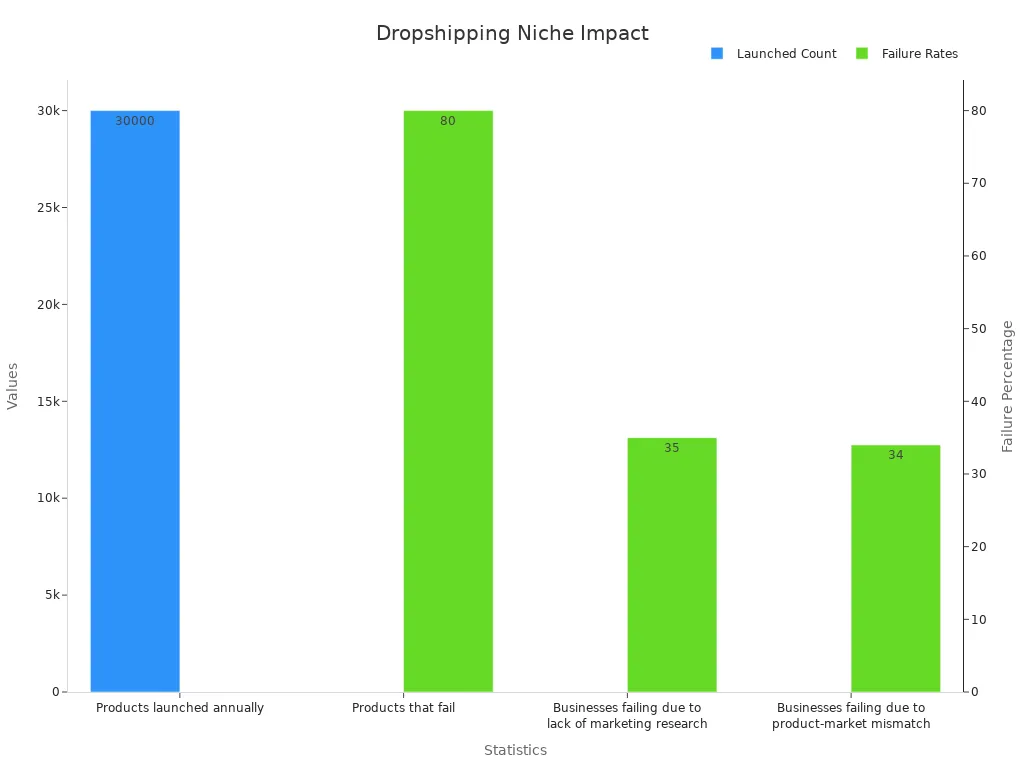
Picking the wrong niche is one of the most common dropshipping mistakes. Your niche determines your audience, products, and overall success. If you choose a niche without proper research, you risk selling products no one wants. Did you know that 80% of products launched annually fail? This often happens because businesses don’t align their products with market demand.
To avoid this, focus on niches with consistent demand. For example, evergreen categories like fitness gear or pet supplies tend to perform well year-round. Also, research your competition. If the market is oversaturated, it might be hard to stand out. On the flip side, a niche with little competition could mean low demand.
Here’s a quick look at why niches fail:
|
Statistic |
Percentage |
Source |
|---|---|---|
|
Products launched annually |
30,000 |
Harvard Business School |
|
Products that fail |
80% |
Data Diggers |
|
Businesses failing due to lack of marketing research |
35% |
Luisa Zhou |
|
Businesses failing due to product-market mismatch |
34% |
Victor Flow |
Partnering with Unreliable Suppliers
Your suppliers are the backbone of your dropshipping business. Partnering with unreliable suppliers can lead to delayed shipments, poor product quality, and unhappy customers. These mistakes can damage your reputation and hurt your sales.
Here are some challenges you might face with unreliable suppliers:
-
20% margin: Dropshipping already has slim profit margins, so mistakes can quickly eat into your earnings.
-
2% conversion rate: With such a low average conversion rate, every sale counts. Supplier issues can make it harder to retain customers.
To avoid these problems, always vet your suppliers. Look for those with fast shipping, good reviews, and a clear return policy. Ordering sample products is a great way to test their reliability. Platforms like AliExpress and Spocket can help you find trustworthy suppliers.
Neglecting Customer Service
Customer service is often overlooked in dropshipping, but it’s crucial for success. Poor service can drive customers away, while great service can turn them into loyal buyers. In fact, 89% of consumers are more likely to shop again after a positive experience.
Here’s why customer service matters:
-
Acquiring a new customer costs 5-7x more than retaining an existing one.
-
Increasing customer retention by just 5% can boost revenue by up to 95%.
-
86% of customers are willing to pay more for excellent service.
|
Statistic |
Description |
|---|---|
|
89% |
Consumers are more likely to repeat purchases after a positive customer service experience. |
|
5-7x |
Acquiring a new customer costs significantly more than retaining an existing one. |
|
95% |
Increasing customer retention by 5% can boost revenue by up to 95%. |
To improve customer service, respond to inquiries quickly and handle complaints professionally. Providing clear tracking information and being transparent about shipping times can also build trust. Remember, happy customers are more likely to leave positive reviews and recommend your store to others.
Overlooking Marketing and SEO
Ignoring marketing and SEO is like opening a store in the middle of nowhere. Without these tools, your dropshipping business won’t get the attention it needs to thrive. Marketing helps you reach your audience, while SEO ensures they can find you online. Together, they’re essential for driving traffic and boosting sales.
Why is SEO so powerful? It can generate over 1,000% more traffic than organic social media. That’s a huge opportunity to attract visitors to your store. By choosing the right keywords, you make your products easier to find. For example, if you sell eco-friendly water bottles, using terms like “reusable water bottles” or “sustainable drinkware” can help customers discover your store.
A well-designed website also plays a big role in SEO success. When your site is easy to navigate and mobile-friendly, visitors are more likely to stay and explore. This improves user engagement and builds trust. Trustworthy sites often earn natural backlinks and social shares, which further boost their SEO performance.
Marketing is just as important. Social media platforms like Instagram and TikTok are great for showcasing your products. Paid ads can also help, but SEO often delivers a higher Return on Ad Spend (ROAS). That makes it a cost-effective strategy for long-term growth.
If you overlook marketing and SEO, you’re leaving money on the table. Start by optimizing your site, researching keywords, and creating a marketing plan. These steps will help you attract more customers and grow your business.
Failing to Monitor and Adjust Strategies
Dropshipping isn’t a “set it and forget it” business. If you don’t monitor your performance and tweak your strategies, you’ll fall behind. The market changes constantly, and staying flexible is key to staying competitive.
Tracking your store’s performance helps you spot what’s working and what’s not. For example, if a product isn’t selling, check its price, description, or images. Small changes can make a big difference. Monitoring metrics like conversion rates and customer acquisition costs gives you valuable insights into your business.
Adjusting your strategies also means keeping up with trends. If a new product category becomes popular, consider adding it to your store. Regularly updating your marketing campaigns can also improve results. Test different ad formats, audiences, or platforms to see what works best.
Ignoring these steps can lead to missed opportunities and wasted resources. By staying proactive and making data-driven decisions, you’ll keep your dropshipping business on the path to success.
Starting a dropshipping business doesn’t have to feel overwhelming. Focus on these key steps: research your niche, find reliable suppliers, set up a user-friendly store, and manage operations efficiently. Success comes from learning as you go—analyzing customer feedback, monitoring metrics like conversion rates, and optimizing your strategies.
|
Key Steps |
Success Metrics |
|---|---|
|
Market Research and Product Selection |
Identifying profitable niches, analyzing competition |
|
Handling Orders and Customer Service |
Customer satisfaction ratings, order fulfillment time |
Every mistake is a chance to improve. Take that first step today and turn your entrepreneurial dreams into reality!
FAQ
What is the biggest challenge in dropshipping?
The biggest challenge is finding reliable suppliers. A bad supplier can lead to delayed shipments, poor product quality, and unhappy customers. Always test suppliers before committing. Order samples to check quality and shipping times. This ensures your customers get the best experience.
How much money do I need to start a dropshipping business?
You can start with as little as $200. This covers setting up your store, marketing, and initial tools. Since you don’t need to buy inventory upfront, dropshipping is a low-cost way to start an online business.
Can I run a dropshipping business while working full-time?
Yes, you can! Automation tools make it easier to manage orders and inventory. Spend a few hours daily on marketing and customer service. With proper planning, you can balance your job and your dropshipping business.
How do I handle returns in dropshipping?
Returns depend on your supplier’s policy. Work with suppliers who offer clear return options. Communicate these policies to your customers. If a return happens, coordinate with the supplier to process it smoothly. Always keep your customers informed.
Is dropshipping profitable in 2024?
Yes, it’s still profitable! The global dropshipping market continues to grow. Focus on trending products, excellent customer service, and effective marketing. These strategies will help you stand out and increase your profits.
Related content