
Mastering CFR Costs and Risks in International Trade
Author:XTransfer2025.12.22CFR(cost and freight)
Mastering CFR(cost and freight) terms is essential for navigating international trade. These terms define how goods move across borders, who pays for transportation, and when risks transfer between parties. Understanding costs in international trade ensures you make informed decisions that protect your business interests.
When you grasp the intricacies of CFR terms, you gain clarity on your responsibilities and those of your trading partners. This knowledge minimizes disputes and delays, helping you achieve smoother transactions in the international market.
Understanding CFR in International Trade
What Is CFR (cost and freight)?
CFR, short for cost and freight, is one of the internationally recognized Incoterms 2020. It defines the responsibilities of buyers and sellers in international trade. Under this term, the seller covers the costs of transporting goods to the destination port. However, the risk transfers to the buyer once the goods are loaded onto the vessel at the port of shipment. This division of cost and risk makes CFR a widely used term in international shipping. By mastering Incoterms like CFR, you can better navigate the complexities of global trade.
Role of CFR in Global Shipping
CFR plays a critical role in shaping international trade practices. It simplifies transactions by clearly outlining cost structures and responsibilities.
-
It enhances trade efficiency by reducing misunderstandings between buyers and sellers.
-
Sellers benefit from a defined delivery point, which streamlines the export process.
-
Buyers gain financial clarity, as CFR specifies all costs up to the destination port.
Despite its advantages, CFR has some limitations. Buyers have less control over carrier selection and routing, which can impact delivery timelines. Additionally, buyers must handle customs clearance and purchase separate insurance, potentially increasing costs. Understanding these nuances helps you make informed decisions when using the CFR Incoterm.
Responsibilities of Buyers and Sellers Under CFR
Under CFR terms, the seller takes responsibility for arranging and paying for freight to the destination port. This includes covering transportation and port handling fees. However, the seller's liability for the goods ends once they are loaded onto the vessel. At this point, the buyer assumes all risks, including potential loss or damage during transit.
As a buyer, you must manage customs clearance and ensure the goods are insured. While this division of responsibilities may seem straightforward, disputes can arise if documentation is inaccurate or delays occur. Partnering with reliable service providers and maintaining clear communication can help you avoid such challenges.
Cost Components Under CFR
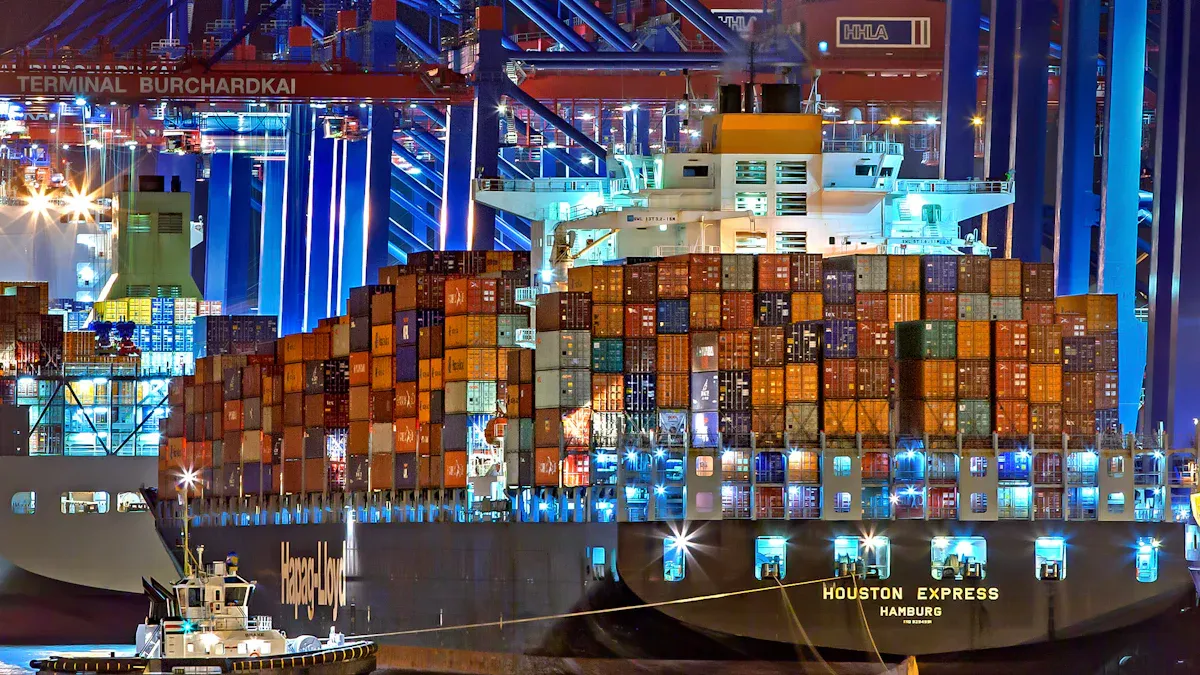
Freight and Transportation Costs
Freight and transportation costs form a significant part of the expenses under CFR agreements. As the seller, you are responsible for covering all shipping costs until the goods reach the destination port. This includes arranging for the transportation of goods from the point of origin to the port of shipment and then to the destination port.
CFR agreements highlight the importance of these expenses in the overall cost structure. The seller's obligation to bear these costs ensures that the buyer receives the goods at the agreed destination port without additional transportation charges. However, once the goods are loaded onto the vessel, the buyer assumes responsibility for any further costs or risks.
Transportation costs can vary due to several factors, such as fuel prices, shipping routes, and carrier availability. A statistical analysis of international trade costs demonstrates the variability of transportation cost components:
|
Component |
Description |
|---|---|
|
Transport and Travel Costs |
Significant role in overall trade costs, affecting international trade dynamics. |
|
Information and Transaction Costs |
Costs associated with gathering information and conducting transactions in trade. |
|
ICT Connectedness |
The level of information and communication technology integration impacting trade efficiency. |
|
Trade Policy and Regulatory Differences |
Variations in trade policies and regulations across countries affecting cost structures. |
|
Governance Quality |
The impact of governance on trade costs, influencing the overall trade environment. |
Understanding these factors helps you anticipate and manage transportation expenses effectively.
Port Handling and Loading Fees
Port handling and loading fees are another critical component of costs in international trade under CFR. These fees cover the expenses incurred at the port of shipment, including loading the goods onto the vessel. As the seller, you must ensure that these costs are paid and that the goods are properly loaded onto the ship.
These fees can vary depending on the port's location, infrastructure, and efficiency. Ports with advanced facilities and streamlined processes may charge higher fees but offer faster handling times. On the other hand, ports with limited resources may have lower fees but longer processing times.
For buyers, understanding these fees is essential. Although the seller covers them under CFR terms, they indirectly affect the overall cost of the goods. By negotiating with sellers or choosing ports with favorable handling fees, you can optimize your trade expenses.
Marine Insurance Considerations
Marine insurance plays a vital role in CFR transactions. While the seller covers transportation costs to the delivery port, the buyer assumes risks once the goods are loaded onto the vessel. This shift in responsibility makes marine insurance essential for protecting your investment.
As a buyer, you must secure insurance coverage from the moment the goods are loaded onto the ship until they reach their destination. This ensures that you are protected against potential losses or damages during transit. Marine insurance costs can vary based on factors such as the value of the goods, the shipping route, and the type of coverage selected.
-
Marine insurance is essential for buyers in CFR transactions as they must secure coverage from the moment goods are loaded onto the vessel until they reach their destination.
-
The buyer assumes the risk of loss or damage during transit, necessitating insurance to protect their investment.
-
Buyers are responsible for all costs related to unloading, customs clearance, and import duties upon arrival, which can significantly affect the overall cost structure.
Evaluating different insurance options allows you to balance cost and coverage effectively. Additionally, delays or extra tariffs may increase your expenses, so planning for these contingencies is crucial.
Risks Associated With CFR

Liability Transfer and Risk Shifts
CFR (cost and freight) terms clearly define when the responsibility for goods shifts from the seller to you as the buyer. The seller handles the cost of transporting goods to the destination port. However, the risk transfers to you once the goods are loaded onto the vessel. This means any damage or loss during transit becomes your responsibility.
This division of cost and risk distribution can create challenges. For instance, if the goods are damaged at sea, you must rely on your marine insurance to cover the loss. The seller has no obligation to assist after the goods leave their hands. Understanding this liability transfer is crucial for managing risks in international trade.
Common Challenges for Buyers
As a buyer, you may face several challenges under CFR terms. One common issue is the lack of control over the shipping process. Since the seller selects the carrier and shipping route, you might encounter delays or higher freight costs.
Another challenge involves customs clearance. Once the goods arrive at the destination port, you are responsible for clearing them through customs. This process can be time-consuming and costly, especially if documentation is incomplete or inaccurate.
Additionally, disputes over risk distribution can arise. For example, if the goods are damaged during loading, determining liability may become complicated. These challenges highlight the importance of thorough preparation and effective communication with your trading partners.
Addressing Disputes and Delays
Disputes and delays are common in international shipping, especially under CFR terms. To address these issues, you must focus on clear documentation and proactive communication. Ensure all contracts and shipping documents specify the terms of liability and cost distribution. This reduces misunderstandings and provides a reference point in case of disputes.
Delays often occur due to unforeseen circumstances like bad weather or port congestion. While you cannot control these factors, you can mitigate their impact by working with reliable service providers. Choose carriers with a proven track record of timely deliveries.
By understanding the risks in international trade and implementing effective risk management strategies, you can minimize disruptions and protect your business interests.
Comparing CFR With Other Incoterms
CFR vs. FOB
CFR (cost and freight) and FOB (free on board) are two common Incoterms used in international trade. While both terms involve the transfer of risk at the port of shipment, their cost responsibilities differ. Under CFR, the seller pays for transportation to the destination port. In contrast, FOB requires the buyer to arrange and pay for shipping once the goods are loaded onto the vessel.
Choosing the right Incoterms depends on your trade priorities. If you prefer the seller to handle transportation costs, CFR may suit your needs. However, FOB gives you control over carrier selection and shipping routes, which can help optimize delivery timelines.
CFR vs. CIF
CFR and CIF (cost, insurance, and freight) share similarities, as both terms require the seller to cover transportation costs to the destination port. The key difference lies in insurance. Under CIF, the seller must provide marine insurance to protect the goods during transit. With CFR, you must arrange your own insurance once the goods are loaded onto the vessel.
Choosing the right Incoterms between CFR and CIF depends on your risk tolerance. CIF offers added security, as the seller handles insurance. However, CFR gives you flexibility in choosing insurance coverage that fits your budget and needs.
Pros and Cons of CFR
CFR offers clear advantages, especially for sellers. You only bear the costs up to the destination port, and your risk ends once the goods are loaded onto the vessel. Buyers benefit from simplified cost structures, as transportation fees are included in the terms.
However, CFR has limitations. As a buyer, you assume all risks once the cargo is onboard. You must handle customs clearance, import permits, and related formalities. If the cargo is delayed or transhipped, you bear the additional costs. CFR is also limited to waterway transport, making it unsuitable for inland delivery.
Optimizing Cost and Mitigating Risks Under CFR
Negotiating Competitive Freight Rates
Negotiating freight rates is a critical step in optimizing cost under CFR terms. As a seller, you must secure competitive rates to reduce expenses while maintaining profitability. Researching multiple carriers and comparing their pricing structures can help you identify the best options. You should also consider factors like shipping routes, transit times, and carrier reliability.
Building long-term relationships with carriers can lead to better rates and priority service. Many carriers offer discounts for consistent business, which can significantly lower your freight costs. Additionally, staying informed about market trends in international shipping allows you to time your shipments strategically, avoiding peak seasons when rates are higher.
Ensuring Accurate Documentation
Accurate documentation is essential for minimizing risks in international trade. Errors in shipping documents can lead to delays, fines, or even disputes. You must ensure that all paperwork, including bills of lading, invoices, and customs declarations, is complete and error-free.
Establishing a checklist for required documents can streamline this process. Double-checking details like product descriptions, quantities, and values ensures compliance with international regulations. Clear and precise documentation also facilitates smoother customs clearance, reducing the risk of delays at the destination port.
Partnering With Reliable Service Providers
Reliable service providers play a vital role in reducing costs and managing risks in international trade. Choosing carriers and freight forwarders with proven track records ensures timely deliveries and minimizes disruptions. Evaluating provider reliability metrics, such as the Change Failure Rate (CFR), can help you make informed decisions.
|
Evidence Description |
Key Points |
|---|---|
|
Change Failure Rate (CFR) |
A crucial metric for evaluating provider reliability in software development and DevOps practices. |
|
Importance of CFR |
Measuring CFR is essential for improving software quality and stability, which supports effective partnerships in CFR strategies. |
|
Definition of CFR |
CFR measures the frequency of failures that lead to defects after production, indicating the percentage of changes that resulted in degraded service. |
|
Performance Indicator |
A lower CFR score indicates better software delivery performance, highlighting the need for organizations to define their failure metrics. |
Partnering with reliable providers not only ensures smooth operations but also helps in reducing costs associated with delays or damages. Prioritize providers who offer transparent communication and robust risk management strategies.
Understanding CFR costs and risks is essential for success in international trade. It ensures clarity in responsibilities, minimizes disputes, and protects your business interests. For instance:
|
Key Aspect |
Description |
|---|---|
|
Risk Transfer |
The seller bears the risk until the goods reach the destination port, after which the buyer assumes responsibility. |
|
Insurance Importance |
Adequate insurance is crucial for mitigating risks associated with the transfer of goods. |
|
Freight Cost Implications |
Freight costs can significantly impact profit margins, influencing pricing strategies for sellers and buyers. |
Strategic decision-making plays a pivotal role in navigating CFR agreements. You can optimize costs and mitigate risks by:
-
Diversifying supply chains to reduce tariff exposure.
-
Reviewing contracts to include tariff pass-through clauses.
-
Expanding into new markets to reduce dependence on single regions.
Proactive measures like these enhance your ability to manage costs and risks effectively, ensuring smoother global transactions.
FAQ
What does CFR mean in international trade?
CFR stands for "Cost and Freight." It is an Incoterm that defines the seller's responsibility to cover transportation costs to the destination port. However, you, as the buyer, assume all risks once the goods are loaded onto the vessel.
Who pays for marine insurance under CFR?
Under CFR, the seller does not pay for marine insurance. You, as the buyer, must arrange and pay for insurance to cover risks during transit from the port of shipment to the destination.
How does CFR differ from CIF?
CFR and CIF are similar, but CIF includes marine insurance arranged by the seller. With CFR, you must handle insurance yourself. Choose CIF if you want the seller to manage insurance, or CFR for more control over coverage.
Can CFR be used for inland deliveries?
No, CFR is limited to waterway transport. If your shipment involves inland delivery, consider other Incoterms like CPT (Carriage Paid To), which covers multimodal transport options.
What are the main risks for buyers under CFR?
The main risks include damage or loss during transit, as you assume responsibility once the goods are loaded onto the vessel. Delays, incomplete documentation, and customs clearance issues can also pose challenges.
Related content