
Master the Art of Sales Contract Negotiation in 2025
Author:XTransfer2025.12.23S/C(sales contract)
Mastering contract negotiation has never been more essential for achieving business success. In 2025, evolving trends are transforming how businesses approach an S/C (sales contract). For instance, economic conditions significantly impact the terms you can negotiate, whether in a recession or a thriving market. Industry changes, such as the rise of remote work, have led to the inclusion of clauses addressing data security and uptime guarantees in an S/C. Additionally, with sustainability taking center stage, many S/Cs now feature environmentally focused terms. These developments require you to refine your sales negotiation strategies to remain competitive. A well-structured S/C not only safeguards your interests but also fosters trust, paving the way for long-term growth.
Preparation for Sales Contract Negotiation

Effective preparation lays the foundation for a successful contract negotiation process. By investing time in research, goal-setting, and understanding market dynamics, you can approach negotiations with confidence and clarity. Below are the key steps to prepare for a sales contract negotiation.
Researching the Counterparty
Understanding the counterparty is critical to influencing the negotiation process. Research their strengths, weaknesses, and motivations to tailor your approach. Conduct a competitive analysis to uncover valuable insights about their business operations, market position, and potential pain points. Recognizing their goals allows you to craft proposals that align with their interests, fostering collaboration and trust.
For example, if the counterparty prioritizes cost savings, you can highlight how your business proposal offers long-term value and efficiency. A well-prepared negotiator can also anticipate objections and respond with agility, improving the chances of a favorable outcome.
Setting Clear Goals and Priorities
Clear goals and priorities guide your negotiation strategy. Define what you want to achieve from the sales contract and identify the non-negotiable terms. Prioritize your objectives based on their importance to your business. For instance, securing favorable payment terms might take precedence over delivery timelines.
A study by Harvard Business Review found that setting clear goals during preparation increases the likelihood of a successful negotiation outcome by up to 40%. This highlights the importance of knowing your desired outcomes before entering discussions. When you focus on value and benefits, you can present a compelling case that resonates with the counterparty.
Understanding Market Trends and Legal Standards
Staying informed about market trends and legal standards ensures that your negotiation strategy remains relevant and compliant. Rapid changes in market conditions, such as fluctuating demand or new competitors, can impact pricing and contract terms. Similarly, evolving legal standards require you to adapt your approach to avoid potential risks.
Legal professionals emphasize the importance of continuous learning to stay updated on current trends. Subscribing to industry newsletters or following reputable sources on social media can help you stay informed. For example, understanding recent changes in data privacy laws can help you include appropriate clauses in the sales contract, ensuring compliance and risk mitigation.
Developing a Negotiation Strategy
A strong negotiation strategy helps you navigate the complexities of contract negotiation with confidence. It provides a roadmap for achieving your goals while maintaining a collaborative approach. Below are the essential steps to develop an effective strategy.
-
Identify Your Leverage Points
Leverage plays a critical role in contract negotiation. Determine what gives you an advantage, such as unique product features, competitive pricing, or a strong market reputation. Highlight these strengths during discussions to create a compelling case. For example, if your product offers exclusive benefits, emphasize how it addresses the counterparty's specific needs. -
Anticipate Potential Challenges
Every negotiation comes with obstacles. Predict possible objections or concerns the other party might raise. Prepare responses that address these issues while reinforcing your position. For instance, if the counterparty worries about delivery timelines, outline a clear plan to ensure timely fulfillment. Anticipating challenges shows your commitment to finding solutions. -
Define Your Concessions and Limits
Flexibility is important, but you must also know your boundaries. Decide in advance which terms you are willing to adjust and which are non-negotiable. This clarity prevents you from agreeing to unfavorable conditions. For example, you might offer a discount for bulk orders but remain firm on payment terms to protect your cash flow. -
Plan Your Communication Approach
Effective communication is the backbone of contract negotiation. Choose a tone that reflects professionalism and openness. Use clear, concise language to avoid misunderstandings. Active listening also plays a key role. Pay attention to the counterparty's concerns and respond thoughtfully to build trust. -
Incorporate Data and Evidence
Support your arguments with data. Use market research, case studies, or performance metrics to validate your claims. For example, if you propose a higher price, provide evidence of the value your product delivers. Data-driven discussions enhance credibility and strengthen your position. -
Prepare for Multiple Scenarios
Flexibility requires preparation for different outcomes. Develop alternative proposals that still align with your goals. This approach ensures you remain adaptable without compromising your interests. For instance, if the counterparty rejects your initial offer, present a secondary option that meets both parties' needs.
By following these steps, you can approach contract negotiation with a clear plan and the confidence to secure favorable terms.
Key Strategies for Successful Sales Contract Negotiations
Building Trust and Rapport
Building trust and rapport is the cornerstone of any successful contract negotiation. When you establish a strong connection with the counterparty, you create an environment where collaboration thrives. Trust encourages open communication, making it easier to address concerns and find mutually beneficial solutions.
To build trust, focus on understanding the counterparty's needs and motivations. Active listening demonstrates empathy and shows that you value their perspective. Mirroring their communication style can also foster a sense of similarity, which helps negotiations progress smoothly. For example, if the counterparty prefers formal communication, adopt a professional tone to align with their expectations.
Finding common ground is another effective way to reduce tension and build rapport. Highlight shared goals or values to create a win-win atmosphere. Respecting boundaries is equally important. A professional approach ensures that you avoid alienating the counterparty, which could derail the negotiation process. Following up after discussions further reinforces reliability and commitment, strengthening the relationship over time.
Practicing Active Listening and Clear Communication
Active listening and clear communication are essential skills for navigating the negotiation process effectively. When you listen attentively, you gain valuable insights into the counterparty's priorities and concerns. This understanding allows you to tailor your proposals to address their specific needs.
Effective communication involves more than just speaking clearly. Asking the right questions encourages better information exchange, helping you uncover critical details that might otherwise be overlooked. Demonstrating empathy during discussions validates the counterparty's feelings, fostering a positive and cooperative negotiation environment.
For instance, if the counterparty expresses concerns about pricing, acknowledge their perspective before presenting data to justify your offer. This approach not only builds trust but also positions you as a thoughtful and solution-oriented negotiator.
Balancing Flexibility with Protecting Your Interests
Balancing flexibility with protecting your interests is a delicate yet crucial aspect of contract negotiation strategies. While adaptability can help you meet the counterparty halfway, you must also safeguard your business's core priorities.
Flexibility allows you to respond to changing circumstances and explore creative solutions. For example, offering temporary or project-based contracts can address the counterparty's need for adaptability while maintaining a fair agreement. However, setting clear boundaries ensures that you do not compromise on critical terms, such as payment schedules or liability clauses.
To negotiate effectively, define your concessions and limits before entering discussions. This preparation helps you remain firm on non-negotiable terms while showing a willingness to adapt in other areas. By maintaining this balance, you can create agreements that protect your interests and foster long-term partnerships.
Using Technology to Enhance Negotiation Efficiency
Technology has revolutionized the way you approach sales contract negotiations. By integrating advanced tools and platforms, you can streamline processes, make data-driven decisions, and achieve better outcomes. Here’s how technology can enhance your negotiation efficiency.
Leveraging Advanced Technologies
Modern technologies like artificial intelligence (AI), blockchain, and sentiment analysis have transformed negotiation strategies. These tools provide insights, improve transparency, and enhance communication. The table below highlights their specific benefits:
|
Technology |
Benefit |
|---|---|
|
AI and Machine Learning |
Enhances negotiation strategies by identifying patterns and recommending optimal approaches. |
|
Blockchain Technology |
Increases trust in shared data during negotiations through transparency and immutability. |
|
Sentiment Analysis |
Provides real-time feedback on communication tone and intent for improved negotiation outcomes. |
For example, AI can analyze historical data to predict the counterparty’s preferences, helping you craft proposals that align with their needs. Blockchain ensures that shared data remains secure and tamper-proof, fostering trust between parties. Sentiment analysis tools can help you adjust your tone during discussions, ensuring a positive and productive dialogue.
Using Data to Drive Decisions
Data plays a critical role in improving negotiation outcomes. By leveraging technology, you can:
-
Understand the counterparty’s needs and preferences more effectively.
-
Evaluate and compare different contract options to identify the most favorable terms.
-
Monitor and measure contract performance to ensure compliance and identify areas for improvement.
For instance, using templates and tools like contract management software allows you to organize and analyze data efficiently. These platforms can highlight key trends, helping you make informed decisions during negotiations.
Enhancing Collaboration and Communication
Technology also improves collaboration and communication during negotiations. Virtual meeting platforms enable you to connect with counterparts across the globe, breaking down geographical barriers. Document-sharing tools ensure that all parties have access to the latest contract versions, reducing misunderstandings and delays.
Additionally, automated reminders and notifications keep everyone on track, ensuring that deadlines are met and tasks are completed. These features not only save time but also foster a sense of accountability among all stakeholders.
By embracing these technological advancements, you can navigate the complexities of sales contract negotiations with greater ease and confidence. Technology empowers you to focus on building strong relationships and achieving mutually beneficial agreements.
Avoiding Common Pitfalls in Sales Contract Negotiations
Avoiding Rushed Negotiations
Rushing through contract negotiation often leads to costly mistakes. When you move too quickly, you risk overlooking critical details or agreeing to unfavorable terms. For example, selling a business hastily can result in lower prices and missed opportunities. Proper preparation and realistic timelines are essential to avoid these pitfalls.
Take the time to conduct thorough due diligence. This includes reviewing financial, legal, and operational aspects before finalizing any agreement. Avoid pressuring the counterparty into quick decisions, as this can create mistrust and lead to poor outcomes. Similarly, resist the urge to accept the first offer without exploring other options. Patience allows you to find the right partner and secure better terms.
The 1998 NBA lockout illustrates the dangers of rushed negotiations. Both team owners and players suffered significant financial losses due to prolonged disputes. A carefully imposed deadline eventually resolved the conflict, but the resulting contract heavily favored one side. This example highlights the importance of balancing urgency with thorough evaluation.
Paying Attention to Key Details and Clauses
Every detail in a contract matters. Failing to define terms clearly can lead to misunderstandings and disputes. For instance, vague payment terms or delivery schedules can create confusion and strain relationships. Focus on identifying mutual benefits and ensuring all clauses are precise and enforceable.
Understanding leverage is another critical aspect. Knowing your strengths and the counterparty’s priorities helps you secure better terms. For example, if your product offers unique features, emphasize this during negotiations. Collaboration becomes easier when both parties see the value in the agreement.
Reviewing key clauses, such as liability, confidentiality, and termination terms, ensures that your interests remain protected. A well-drafted contract minimizes risks and fosters long-term partnerships.
Addressing Risks Proactively
Proactively addressing risks strengthens your position during contract negotiation. Start by thoroughly reviewing and understanding all contract terms. Conduct due diligence on the counterparty to identify potential red flags. For example, assess their financial stability and past performance to gauge reliability.
Include clear and detailed clauses that outline responsibilities, timelines, and penalties for non-compliance. Implementing a risk management plan further safeguards your interests. This plan should include strategies for dispute resolution and regular contract performance monitoring.
Using contract management tools can enhance efficiency. These tools help track deadlines, ensure compliance, and provide real-time updates. Establishing clear communication channels also reduces misunderstandings and builds trust. By addressing risks proactively, you create a solid foundation for successful sales negotiation.
Ensuring Proper Documentation of Agreements
Proper documentation of agreements is essential for avoiding misunderstandings and disputes in sales contract negotiations. When you memorialize an agreement in writing, it ensures that all parties clearly understand the terms. A well-drafted contract provides confidence and security, as it outlines every detail and eliminates ambiguity.
Written agreements prevent parties from altering the original terms after negotiations conclude. Courts often limit their consideration to the written document, excluding prior discussions or informal agreements. This clarity reduces the likelihood of disputes and ensures that both parties adhere to the agreed-upon conditions. A fully integrated document excludes all other information, making it the definitive source for resolving conflicts.
Proper documentation also helps you identify potential breaches and provides context for resolving issues. Collecting relevant evidence, such as emails, invoices, and meeting notes, supports your claims and clarifies facts. These records can expedite resolutions during negotiations or legal proceedings. For example, if a counterparty fails to meet delivery deadlines, documented communication can demonstrate your efforts to address the issue and hold them accountable.
Key Benefits of Proper Documentation
-
Written agreements prevent parties from changing their original terms.
-
Courts exclude prior negotiations, focusing solely on the written contract.
-
Fully integrated documents ensure clarity and reduce disputes.
Additionally, using contract management tools can streamline the documentation process. These tools help you organize and store agreements securely, ensuring easy access when needed. By prioritizing proper documentation, you protect your interests and foster trust in business relationships.
Drafting an Effective Sales Contract
Writing Clear and Simple Terms
Clarity is the foundation of any effective sales contract. Using plain and straightforward language ensures that all parties understand their obligations. Avoid legal jargon or overly complex terms that could lead to confusion. Instead, focus on defining key terms and responsibilities with precision. For example, clearly outline payment terms by specifying the amount, method, and deadlines.
Consistency in language is equally important. Use the same terms for recurring concepts throughout the contract to prevent misinterpretation. For instance, if you refer to a "delivery date," avoid switching to "shipment deadline" later in the document. This consistency enhances the contract's enforceability and reduces the risk of disputes.
Including specific details, such as exact dates for deliverables or milestones, further strengthens the agreement. A well-written contract draft not only simplifies enforcement but also fosters trust between parties by eliminating ambiguity.
Including All Essential Clauses
A comprehensive sales contract must include all essential clauses to protect both parties and prevent disputes. Start by identifying the key parties involved and their roles. Clearly describe the offer, consideration, and terms of the agreement. For example, specify the product or service being sold, its price, and the delivery timeline.
Essential clauses should also address potential risks and outline consequences for non-compliance. For instance, include a liability clause to define financial responsibilities in case of a breach. Confidentiality clauses can safeguard sensitive information, while termination clauses provide a clear exit strategy if needed.
By including these critical elements, you create a legally binding agreement that defines expectations and ensures clarity in transactions. This approach minimizes misunderstandings and builds a solid foundation for a successful business relationship.
Ensuring Legal Compliance and Risk Mitigation
Legal compliance is crucial when drafting a sales contract. Adhering to industry-specific regulations, such as those in finance or healthcare, helps you avoid legal repercussions. For example, ensure that all disclosures are made at the appropriate time and that the information is clear and accessible.
Risk mitigation strategies further strengthen the contract. Allocate risks effectively between parties to minimize potential losses. For instance, include liability limitation provisions to establish boundaries on financial responsibilities. This not only protects your interests but also fosters a sense of fairness in the agreement.
Centralizing your contract repository can improve version control and collaboration, ensuring that all parties work with the latest template. By prioritizing compliance and proactive risk management, you create a robust and enforceable agreement that supports long-term success.
Creating a Win-Win Agreement for Both Parties
Creating a win-win agreement ensures that both parties leave the negotiation table satisfied and committed to the terms. This approach fosters long-term partnerships and reduces the likelihood of disputes. To achieve this, focus on collaboration and shared value creation.
Start by identifying the goals and priorities of both sides. Open communication plays a key role here. When you understand the counterparty’s needs, you can propose solutions that align with their objectives while protecting your own interests. For example, if the counterparty values flexibility, you might offer adjustable delivery schedules while maintaining firm payment terms.
Theories like Decision Theory and Mutual Gains Theory emphasize fairness and objectivity in negotiations. These frameworks guide you to explore options that benefit both parties. Similarly, the Win-Win Negotiation Framework encourages open dialogue and cooperation, which strengthens relational outcomes. Avoid win-lose strategies, as they often lead to reduced commitment and strained relationships.
Minimizing risks and uncertainties also contributes to a mutually beneficial agreement. Transaction Cost Economics highlights the importance of clear terms to reduce ambiguities. For instance, detailed clauses about responsibilities and penalties ensure accountability. Leveraging resources, as suggested by the Resource-Based View, can further enhance the value of the agreement. If your product offers unique advantages, emphasize these to create a competitive edge.
By focusing on collaboration, fairness, and risk management, you can draft a sales contract that satisfies both sides. This approach not only protects your interests but also builds a foundation for future opportunities.
Finalizing the Sales Contract
Reviewing and Validating the Contract
Thoroughly reviewing the contract is a critical step in the contract negotiation process. This ensures that all agreed-upon terms are accurately reflected and that no important details are overlooked. Engage legal counsel to verify compliance with applicable laws and regulations. Their expertise can help you identify potential risks and ensure the contract aligns with industry standards. A meticulous review minimizes the chances of future disputes and sets the stage for a successful contract negotiation.
Take your time during this phase. Rushing through the review process can lead to costly mistakes. Carefully examine each clause, paying close attention to payment terms, delivery schedules, and liability provisions. A well-reviewed sales agreement not only protects your interests but also serves as a roadmap for a smooth transaction.
-
Reviewing the contract ensures all terms are clear and enforceable.
-
Legal advice helps you avoid compliance issues.
-
A detailed review builds trust and satisfaction between parties.
Securing Approvals and Signatures
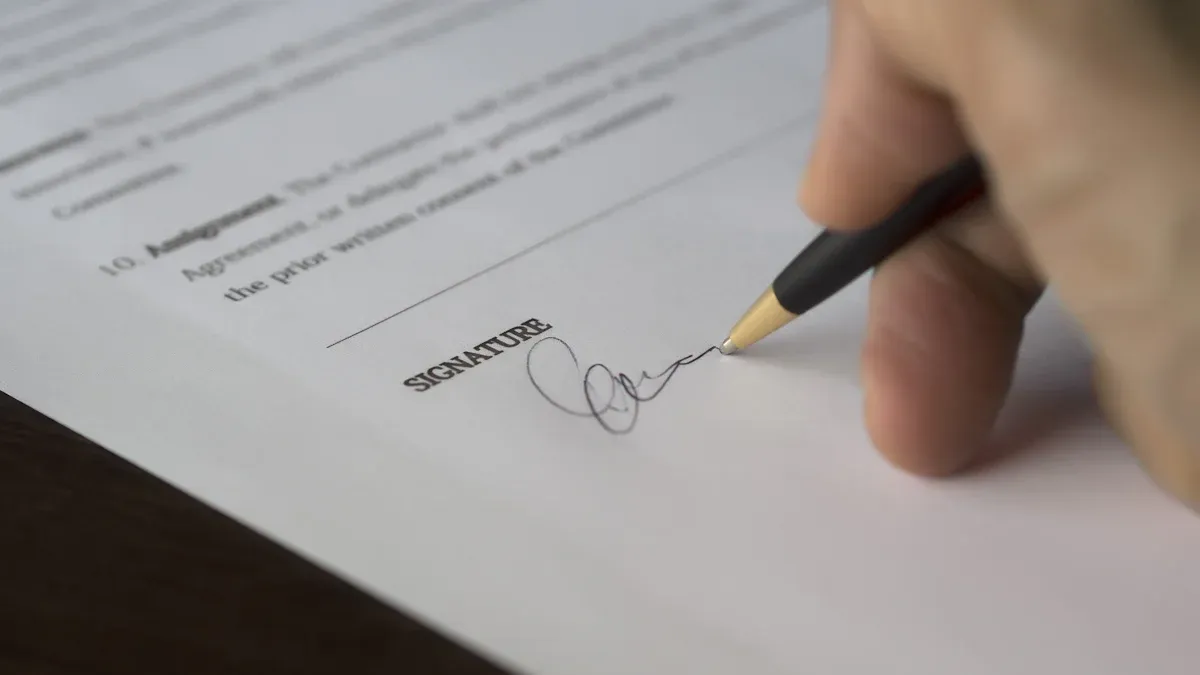
Securing approvals and signatures is the final step in formalizing the agreement. Streamline this process to avoid unnecessary delays. Use automated workflows to ensure the contract reaches the right people for review and approval. Predefined workflows save time and reduce errors, making the process more efficient.
Electronic signatures offer a modern solution for expediting the signing process. They enhance security and provide a convenient way for all parties to finalize the agreement. Cloud-based contract lifecycle management (CLM) platforms can further optimize this step by integrating redlining features and electronic signature capabilities.
|
Best Practice |
Description |
|---|---|
|
Streamline the approval process |
Simplify steps to reduce the contract cycle time. |
|
Use automated workflows |
Ensure the contract is reviewed by the appropriate stakeholders. |
|
Implement electronic signatures |
Expedite signing and enhance security. |
Communicating the Final Agreement
Clear communication of the final agreement ensures all stakeholders understand their roles and responsibilities. Share the finalized contract with all relevant parties, providing a high-level summary of key terms for quick reference. This summary helps stakeholders grasp the main points without needing to read the entire document.
Tailor your communication to address the specific needs of your audience. Use straightforward language to avoid confusion and include visuals like charts or infographics to simplify complex information. Proper documentation ensures consistency across teams and reduces the risk of misunderstandings. Encourage feedback to confirm that everyone is aligned with the agreement's objectives.
-
Documentation provides a reliable reference for all stakeholders.
-
Clear communication fosters alignment and reduces confusion.
-
Visual aids make complex terms easier to understand.
By following these steps, you can finalize the sales contract with confidence, ensuring a successful outcome for all parties involved.
Planning for Implementation and Follow-Up
Finalizing a sales contract is only the beginning. Planning for implementation and follow-up ensures that the agreement transitions smoothly into action. Without a clear plan, even the best contracts can face challenges during execution.
Start by identifying the key individuals responsible for implementation. Leadership teams often play a central role in fostering a supportive environment for new practices. Assign specific tasks to these individuals and ensure they understand their responsibilities. This clarity helps avoid confusion and keeps everyone aligned with the contract’s objectives.
Tracking activities over time is essential for effective follow-up. Create a timeline with milestones to monitor progress. For example, if the contract involves phased deliveries, set checkpoints to confirm that each phase is completed on schedule. Regular updates help you address potential issues early and maintain accountability.
Tailor your strategies to the needs of those involved. Different actors may require unique approaches. For instance, a supplier might need detailed instructions, while an internal team may benefit from training sessions. Customizing your approach ensures that everyone has the tools and knowledge to fulfill their roles effectively.
Communication remains critical during this phase. Share updates with all stakeholders to keep them informed. Use simple language and provide summaries of key points to ensure clarity. Encourage feedback to identify areas for improvement and demonstrate your commitment to collaboration.
By focusing on these strategies, you can turn a finalized contract into a successful partnership. Proper planning and follow-up not only ensure smooth implementation but also lay the groundwork for future opportunities.
Preparation, strategy, and attention to detail are the cornerstones of successful contract negotiation. By conducting thorough research, understanding the counterparty's needs, and anticipating their position, you can create a strong foundation for productive discussions. Establishing clear goals and knowing your concessions ensures you stay focused and adaptable during negotiations.
Clear and compliant sales contracts offer long-term benefits. They improve risk management, foster trust, and enhance financial performance. A mutually beneficial agreement not only protects your interests but also strengthens business relationships, paving the way for growth.
Confidently apply these strategies to your next sales negotiation. Use templates, gather essential data, and include precise clauses to draft a robust s/c. With preparation and a collaborative mindset, you can achieve successful outcomes and build lasting partnerships.
FAQ
What is the most important step in sales contract negotiation?
Preparation is the most critical step. Research the counterparty, set clear goals, and understand market trends. These actions help you approach negotiations with confidence and clarity, increasing your chances of success.
How can you ensure a sales contract is legally compliant?
Consult legal professionals to review the contract. Stay updated on industry regulations and include clauses that address compliance requirements. This ensures your contract aligns with legal standards and minimizes risks.
Why is active listening important during negotiations?
Active listening helps you understand the counterparty’s priorities and concerns. It builds trust and allows you to tailor your proposals to their needs. This approach fosters collaboration and improves the likelihood of reaching a mutually beneficial agreement.
What role does technology play in contract negotiation?
Technology streamlines the negotiation process. Tools like contract management software and AI-driven insights improve efficiency, enhance communication, and provide data for informed decision-making. These advancements save time and reduce errors.
How do you create a win-win sales contract?
Focus on collaboration and shared value. Understand the counterparty’s goals and propose solutions that benefit both sides. Clear communication and fair terms build trust, ensuring both parties feel satisfied and committed to the agreement.
Related content