
Luxury Fashion Evolution from Tradition to Innovation
Author:XTransfer2025.09.05Luxury Fashion
Luxury fashion has undergone a remarkable transformation over the years. From its aristocratic roots to modern innovations, this evolution reflects the dynamic nature of the industry. Today, luxury brands balance their storied traditions with cutting-edge advancements to meet changing consumer expectations. For example, Gucci's revenue grew by 8% in 2022, highlighting its ability to innovate and appeal to younger audiences. Similarly, Montblanc achieved a 21% revenue increase in 2023, showcasing how tradition and modernity can coexist. As the global luxury market grows by up to 10% in 2023, it becomes clear that the evolution of luxury fashion mirrors the shifting values of society.
Historical Foundations of Luxury Fashion
Aristocracy and the Origins of Luxury
Luxury fashion traces its roots back to the aristocracy, where exclusivity and craftsmanship defined status. In the past, royalty and nobility commissioned bespoke garments tailored to their exact specifications. These pieces were not just clothing; they symbolized power, wealth, and influence. You can imagine how these custom-made creations, often adorned with intricate embroidery and rare materials, set the foundation for what we now recognize as luxury fashion.
This early focus on exclusivity and quality has evolved over centuries. Today, the luxury fashion industry caters to a broader audience while maintaining its commitment to craftsmanship. The transition from serving aristocrats to appealing to modern consumers reflects the evolution of luxury fashion. It mirrors cultural shifts and the impact of technology on the industry.
Haute Couture as a Symbol of Tradition
Haute couture, which translates to "high sewing" in French, embodies the pinnacle of luxury fashion. It emerged in the mid-19th century, with designers like Charles Frederick Worth revolutionizing the industry by creating exclusive, made-to-order garments. These designs required meticulous attention to detail and hours of skilled labor, making them accessible only to the elite.
Even today, haute couture remains a cornerstone of luxury fashion brands. You might notice how these collections showcase the artistry and heritage of the fashion houses. For example, Chanel and Dior continue to produce haute couture pieces that honor their founders' legacies. These creations are not just about clothing; they are wearable art, preserving the traditions of luxury while inspiring innovation.
Haute couture also serves as a testing ground for new ideas. Designers often experiment with bold concepts in these collections, which later influence ready-to-wear lines. This blend of tradition and creativity keeps haute couture relevant in the ever-changing fashion landscape.
Iconic Fashion Houses and Their Legacy
The legacy of iconic fashion houses like Louis Vuitton, Hermès, and Gucci underscores the enduring appeal of luxury. These brands have built their reputations on a foundation of quality, innovation, and timeless design. Their ability to adapt to changing consumer preferences while staying true to their heritage sets them apart in the luxury fashion industry.
|
Factor |
Description |
|
Strong Brand Equity and Customer Loyalty |
Luxury brands are seen as exclusive and high-quality, leading to strong consumer loyalty. |
|
Pricing Power |
These brands can increase prices without losing demand due to their perceived value. |
|
Diverse and Global Customer Base |
A varied clientele helps mitigate localized economic downturns. |
|
Digital Transformation and E-Commerce |
Embracing digital channels has expanded reach, especially among younger consumers. |
|
Resilience of High Net Worth Individuals |
Main customers are less affected by economic fluctuations, ensuring steady demand. |
|
Innovative Product Offerings |
Continuous innovation keeps brands relevant and desirable. |
You can see how these factors contribute to the success of luxury brands. Their ability to balance tradition with modernity ensures their relevance in a competitive market. For instance, Gucci's reinvention under Alessandro Michele has attracted younger audiences while maintaining its iconic status. Similarly, Hermès continues to thrive by blending its equestrian heritage with contemporary designs.
The evolution of luxury fashion owes much to these iconic houses. They have not only preserved the traditions of haute couture but also embraced innovation to meet the demands of a global audience.
Innovation in Luxury Fashion
Redefining Luxury Through Modern Designers
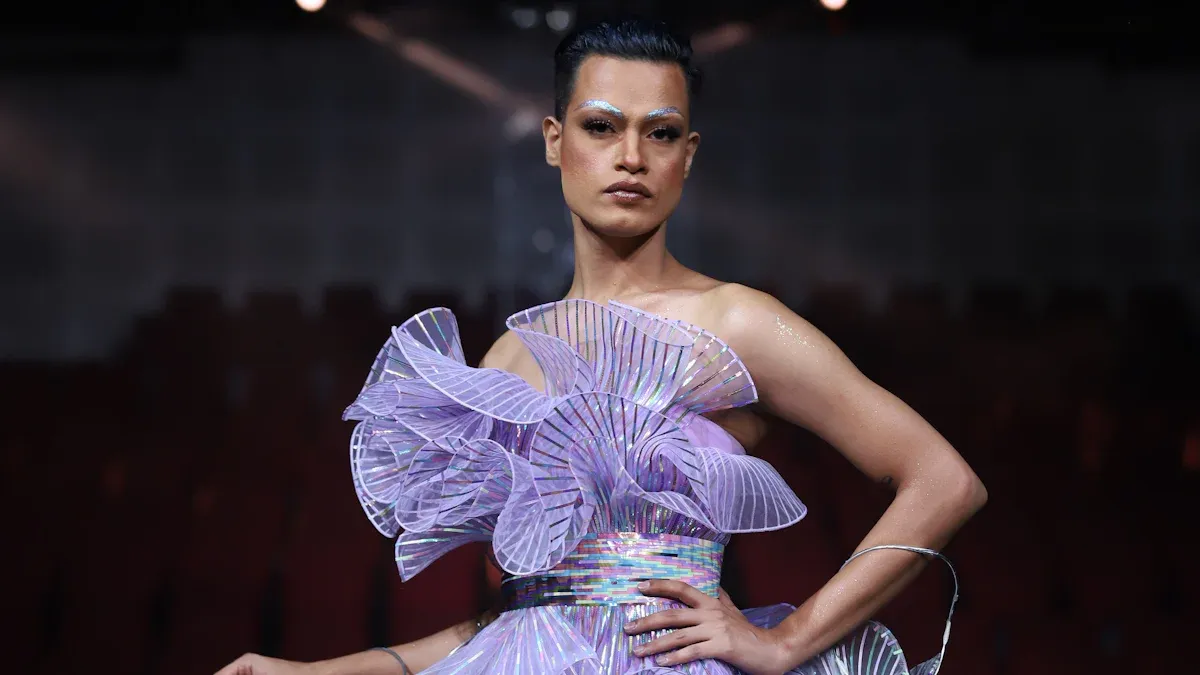
Modern designers are reshaping the evolution of luxury fashion by blending traditional craftsmanship with cutting-edge technology. You can see this transformation in how brands use generative AI to create personalized designs that cater to individual preferences. This shift from conventional design methods to AI-driven innovation highlights a new era in the luxury fashion industry.
Luxury fashion brands are also focusing on storytelling to connect with their audiences. Immersive experiences, often referred to as "fantasy machines," allow you to engage with the brand on a deeper level. For example, Hermès and Patek Philippe have adapted to changing consumer expectations by emphasizing trust and meaningful connections. These efforts show how modern designers are redefining luxury to align with your values and aspirations.
|
Key Insights |
Description |
|
Contemporary Craftsmanship |
Technology enhances traditional craftsmanship through traceability. |
|
Fantasy Machines |
Immersive storytelling attracts new audiences. |
|
Limitless Luxury |
Future luxuries focus on unattainable experiences like exclusive travel. |
This redefinition of luxury emphasizes not just exclusivity but also sustainability and ethical practices. Designers are adopting eco-friendly business models and investing in community benefits to build brand loyalty. By prioritizing your well-being and happiness, luxury fashion continues to evolve while staying timeless.
Digital Transformation in Global Luxury Fashion Trends
The digital transformation in luxury fashion has revolutionized how you shop and interact with brands. Luxury e-commerce is projected to reach $91 billion USD by 2025, with nearly 20 percent of all personal luxury sales expected to occur online. This shift reflects the growing importance of digital platforms in the global luxury fashion trends.
China plays a significant role in this transformation, accounting for 23% of global online luxury sales in 2020. By 2025, this figure is expected to rise to 30%. Luxury brands are leveraging digital tools to enhance your shopping experience, offering virtual try-ons, personalized recommendations, and seamless online transactions.
-
Key Digital Metrics:
-
Luxury e-commerce projected to reach $91 billion USD by 2025.
-
Nearly 20% of personal luxury sales will occur online.
-
China’s share of online luxury sales to grow from 23% in 2020 to 30% by 2025.
-
This digital transformation in luxury fashion also includes the use of AI to understand your preferences better. Generative AI enables brands to offer personalized products and services, making your luxury shopping experience more tailored and enjoyable. As technology continues to advance, you can expect even more innovative solutions that redefine the way you engage with luxury fashion.
Luxury Streetwear and Youth Culture
Luxury streetwear has emerged as a powerful force in the evolution of luxury fashion, driven by its appeal to younger demographics. Collaborations with streetwear brands have allowed luxury brands to tap into this growing market. These partnerships have resulted in up to a 50% increase in annual sales for some luxury brands, showcasing the impact of innovation on the industry.
Younger consumers view luxury streetwear as more than just clothing. A recent survey revealed that 70% of participants see it as an investment in both style and societal progress. This perspective highlights how luxury streetwear resonates with the values of today’s youth, blending fashion with cultural significance.
-
Why Luxury Streetwear Matters:
-
70% of consumers view it as an investment in style and societal progress.
-
Collaborations with streetwear brands boost luxury brand sales by up to 50%.
-
Luxury streetwear also reflects the broader trend of inclusivity in the luxury fashion industry. By embracing streetwear, luxury brands are breaking down traditional barriers and appealing to a more diverse audience. This shift not only keeps luxury fashion relevant but also ensures its continued growth in an ever-changing market.
Sustainability in Luxury Fashion
Ethical Practices and Transparent Supply Chains
Luxury fashion brands are embracing ethical practices and transparency to meet your expectations for sustainable luxury. Transparency initiatives, such as Everlane’s "Radical Transparency," have proven effective. This approach led to a 40% year-over-year growth and a 90% customer retention rate. Gucci also traces the origins of key raw materials, ensuring ethical sourcing and building trust with consumers.
Modern tools like blockchain technology and digital platforms, including Pivot88 and SourceMap, allow brands to monitor supply chains in real time. These innovations help brands authenticate products and comply with sustainability standards. A 2023 survey revealed that over 60% of Gen Z consumers expect brands to disclose where and how their products are made. This demand highlights the importance of transparency in the luxury fashion industry.
Luxury brands that prioritize ethical practices see tangible benefits. For example, Levi Strauss & Co. reduced operational costs by 22% within two years by implementing transparency initiatives. These efforts not only align with your values but also strengthen brand loyalty and enhance the luxury shopping experience.
Circular Fashion and Waste Reduction
Circular fashion is transforming the luxury fashion industry by reducing waste and promoting sustainable design. This model focuses on reusing materials, recycling garments, and minimizing environmental impact. Studies show that selecting sustainable materials can reduce daily carbon emissions by up to 73%. This demonstrates how material choices significantly impact waste reduction.
Luxury brands are adopting circular fashion practices to create timeless designs that align with your values. For example, Loewe has taken steps to address its environmental impact, reflecting a broader shift toward sustainable luxury. By prioritizing circular fashion, brands ensure that their products remain relevant while contributing to a healthier planet.
You play a vital role in supporting circular fashion. When you choose sustainable luxury products, you help reduce waste and encourage brands to adopt eco-friendly practices. This collaboration between consumers and brands drives the evolution of the luxury fashion industry toward sustainability.
Luxury Brands Leading Sustainability Efforts
Several luxury brands are leading the charge in sustainability, setting benchmarks for the industry. Gucci aims to halve CO2 emissions by 2050, while LVMH has been auditing emissions since 2004. Chanel is committed to using more efficient energy sources, and Tiffany focuses on improving community conditions for precious stone mining.
|
Brand |
Sustainability Initiative |
Year of Commitment |
|
Tiffany |
Focus on community conditions for precious stone mining |
N/A |
|
LVMH |
Auditing emissions since 2004 |
2004 |
|
Gucci |
Aims to halve CO2 emissions by 2050 |
2050 |
|
Chanel |
Commitment to using more efficient energy sources |
N/A |
These initiatives highlight how luxury brands are integrating sustainability into their core strategies. By choosing products from these brands, you support their efforts to create a more sustainable future. Their leadership in sustainable design ensures that luxury remains timeless while addressing environmental challenges.
The Future of Luxury Fashion
Balancing Heritage with Modern Consumer Needs
Luxury fashion continues to evolve by blending its rich heritage with the demands of modern consumers. You can see this balance in how luxury brands honor their traditions while embracing innovation. For example, iconic houses like Hermès and Louis Vuitton maintain their timeless craftsmanship while introducing contemporary designs that resonate with younger audiences.
Consumer preferences increasingly reflect a desire for sustainability, personalization, and authenticity. Millennials and Gen Z, who now dominate the luxury market, value emotional connections with brands. A study found a significant correlation between emotional value and luxury perception, showing how authenticity drives loyalty. Additionally, the growing interest in vintage luxury products highlights a shift toward appreciating originality and uniqueness.
|
Region |
2023 Market Size (USD) |
Forecasted CAGR |
2032 Market Size (USD) |
|
Europe |
30 billion |
4% |
42 billion |
|
Asia Pacific |
20 billion |
5.2% |
31 billion |
This table illustrates how the luxury market is expected to grow globally, driven by the balance between heritage and modernity. As a consumer, you play a role in shaping this evolution by seeking products that align with your values and aspirations.
Technology’s Role in Shaping Luxury Fashion
Technology is revolutionizing luxury fashion, offering new ways to create, market, and experience products. Artificial intelligence (AI) enhances trend prediction and customization, allowing brands to cater to your unique preferences. Blockchain technology ensures product authenticity, especially in the resale market, where counterfeiting remains a concern.
|
Technology Innovation |
Impact on Luxury Fashion |
|
Artificial Intelligence |
Enhances trend prediction and customization, with 73% of executives prioritizing GenAI for business. |
|
Augmented Reality |
Improves online shopping experience with virtual try-on features, leading to a 300% boost in online sales for brands like Gucci. |
|
Blockchain |
Ensures authenticity in the resale market, with brands like Louis Vuitton using RFID and NFC tags. |
|
E-commerce Growth |
Online sales projected to account for 25% of all luxury sales by 2025, prompting brands to enhance their digital presence. |
|
Immersive Experiences |
Brands like Louis Vuitton are creating unique pop-up stores to blend digital and physical retail experiences. |
The metaverse also offers exciting opportunities for creativity and engagement. Virtual fashion, such as digital-only garments, eliminates material waste and enhances sustainability. These innovations ensure that luxury remains relevant in a rapidly changing world.
Emerging Trends in the Evolution of Luxury Fashion
Several trends are shaping the future of luxury fashion. Sustainability remains a top priority, with brands adopting eco-friendly practices and circular fashion models. Technological advancements, such as smart fabrics and 3D-printed designs, are redefining what luxury can offer.
The globalization of luxury markets is another key trend. Emerging markets, particularly in Asia-Pacific, are driving growth. The region’s luxury market is projected to reach USD 141.6 billion by 2033, fueled by technological innovations and unique customer experiences.
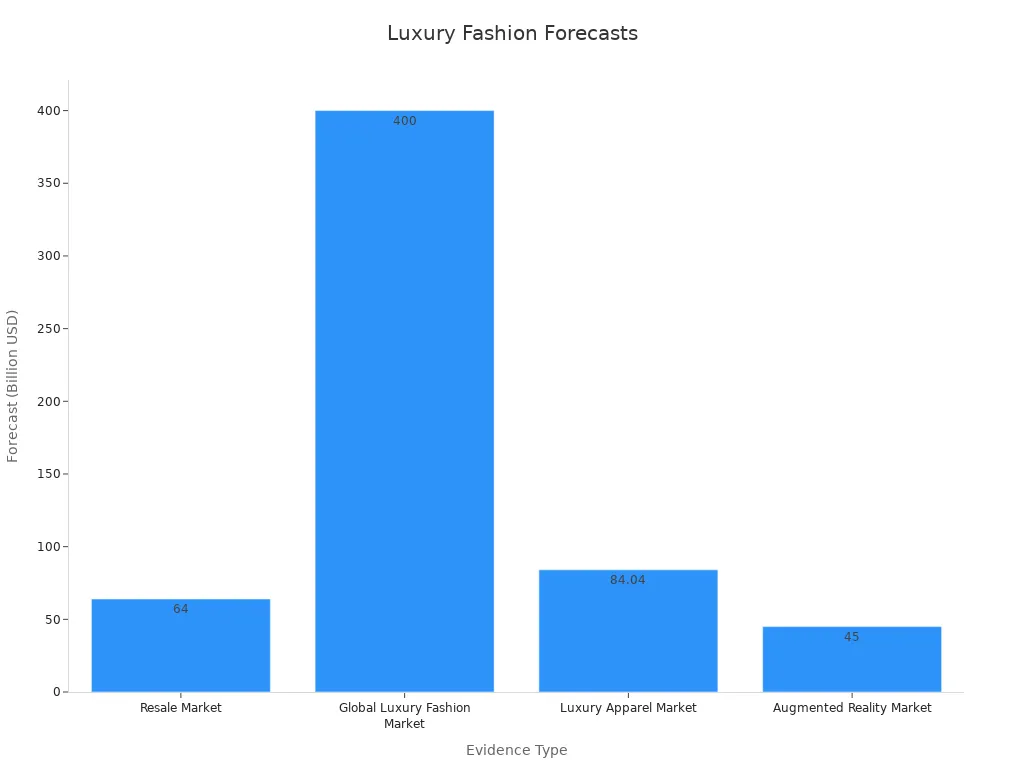
The resale market is also expanding, with an expected value of $64 billion by 2025. This growth reflects a shift toward sustainable consumption and the rising popularity of vintage luxury items. As these trends unfold, you can expect luxury fashion to continue evolving, blending tradition with innovation to meet your needs.
Luxury fashion continues to evolve, showcasing its ability to adapt while maintaining its timeless appeal. Sustainability and technology now play pivotal roles in shaping the industry’s future. From eco-friendly materials to AI-driven designs, these advancements reflect a commitment to innovation and responsibility.
|
Key Aspect |
Description |
|
Environmental Impact |
The fashion industry is a major polluter, prompting a shift towards eco-friendly materials and practices. |
|
Social Responsibility |
Ethical fashion ensures fair labor practices and addresses exploitation in the industry. |
|
Economic Viability |
Sustainable fashion promotes quality over quantity, encouraging investment in durable pieces. |
|
Use of Organic Fabrics |
Materials like organic cotton and hemp reduce environmental impact by avoiding harmful pesticides. |
|
Recycled Textiles |
Brands use recycled materials like ECONYL to minimize waste and conserve resources. |
|
Waterless Dyeing Technologies |
Innovations like air dyeing conserve water in the dyeing process. |
|
3D Printing |
This technology allows for on-demand manufacturing, reducing waste and overproduction. |
|
AI in Fashion |
AI helps predict trends and optimize inventory, reducing overproduction. |
|
Blockchain |
Enhances supply chain transparency, ensuring ethical practices. |
As you explore luxury fashion, you’ll notice how tradition and innovation coexist. This balance ensures the industry remains relevant while addressing modern challenges. By embracing these changes, luxury continues to inspire and captivate, offering a glimpse into a sustainable and technologically advanced future.
FAQ
1. What defines luxury fashion?
Luxury fashion combines high-quality materials, exceptional craftsmanship, and exclusivity. It reflects timeless design and innovation while catering to your desire for unique, premium products. Luxury brands often emphasize heritage and sustainability to align with modern values.
2. How does sustainability impact luxury fashion?
Sustainability drives innovation in luxury fashion. Brands adopt eco-friendly practices, such as using recycled materials and reducing waste. These efforts ensure that your choices contribute to environmental preservation while maintaining the elegance of luxury.
3. Why is technology important in luxury fashion?
Technology enhances your experience with luxury fashion. AI enables personalized designs, while augmented reality offers virtual try-ons. Blockchain ensures product authenticity, and e-commerce expands access to luxury goods globally.
4. What makes luxury streetwear popular among youth?
Luxury streetwear blends exclusivity with cultural relevance. Collaborations with streetwear brands attract younger audiences. You view these pieces as investments in style and societal progress, making them a key trend in modern luxury fashion.
5. How do luxury brands balance tradition and innovation?
Luxury brands honor their heritage through timeless craftsmanship while embracing innovation. They adapt to your preferences by integrating modern designs, sustainability, and technology, ensuring relevance in a changing market.
Related content